Uganda Tourism Growth 2026: What 12% Visitor Growth Means for Your Trip Uganda's tourism sector has just posted one of its strongest years on record, with visitor numbers climbing by…
Read More
+256706406462
The history of Murchison Falls National Park is one of Africa’s most compelling conservation stories, shaped by exploration, colonial influence, wildlife protection, and modern tourism. Today, the park stands as Uganda’s largest and most iconic protected area, drawing travelers from around the world for unforgettable Murchison Falls park safari experiences. Understanding its past not only enriches a visit but also highlights its resilience and ecological importance.
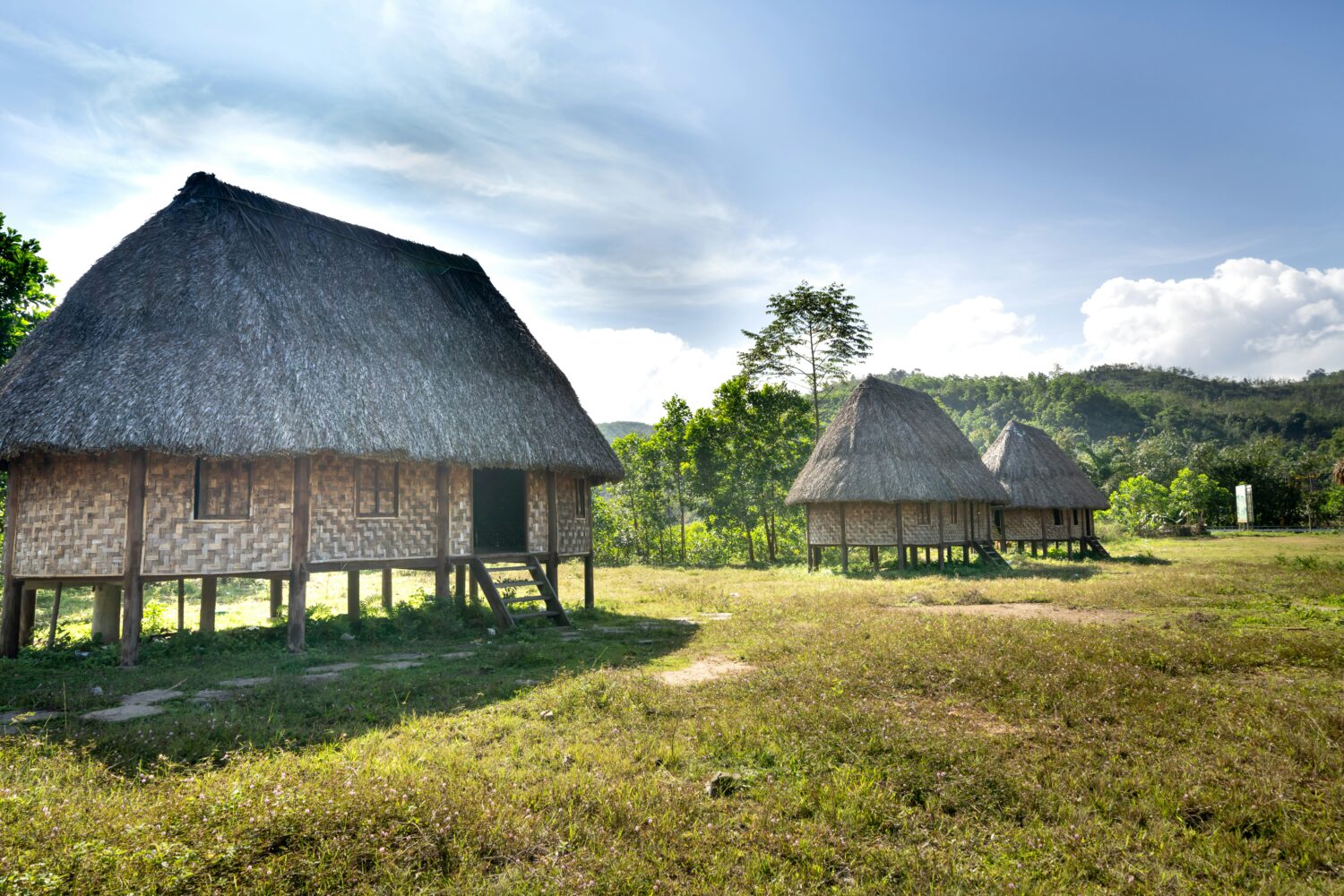
Long before it became a protected area, the region now known as Murchison Falls National Park was home to indigenous communities, including the Banyoro and Alur people. These communities relied on the Nile River and surrounding savannah for fishing, hunting, and small-scale agriculture. The Nile, which dramatically squeezes through a narrow gorge to form the powerful Murchison Falls, held spiritual and cultural significance for local populations.
Traditional knowledge of the land shaped early interactions with wildlife, with communities coexisting alongside elephants, lions, giraffes, and buffalo. This deep-rooted connection between people and nature still influences conservation and community tourism initiatives linked to modern Murchison Falls park safari operations.
The global recognition of Murchison Falls began in the 19th century during the era of European exploration. In 1864, British explorer Sir Samuel Baker became the first European to document the falls. He named them “Murchison Falls” in honor of Sir Roderick Murchison, then president of the Royal Geographical Society.
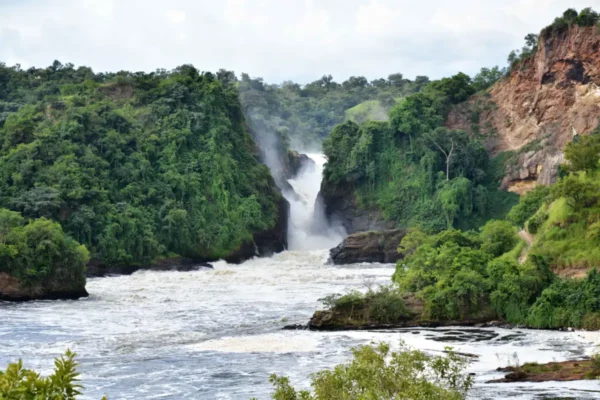
Baker described the falls as one of the most spectacular natural features in Africa, where the Nile River forces its way through a narrow 7-meter gorge before plunging 43 meters below. His accounts placed the region on the global map, attracting explorers, scientists, and eventually tourists.
This early exploration laid the groundwork for what would later evolve into a thriving Murchison Falls park safari destination.
In 1926, the British colonial government recognized the ecological value of the area and designated it as a game reserve. This marked the beginning of formal wildlife conservation in the region. The reserve was established primarily to control hunting and protect declining wildlife populations.
At the time, large mammals such as elephants, giraffes, and antelopes were under pressure from unregulated hunting. The creation of the reserve helped stabilize wildlife numbers and preserved the natural habitats that define today’s Murchison Falls park safari landscape.
The early conservation efforts also introduced regulated tourism, with limited safari activities for visitors seeking wildlife viewing along the Nile and surrounding plains.
The area was officially gazetted as Murchison Falls National Park in 1952, making it Uganda’s first and largest national park. This upgrade from a game reserve to a national park significantly strengthened conservation measures and expanded tourism infrastructure.
During the 1950s and 1960s, the park experienced rapid growth as a premier safari destination in East Africa. Lodges such as Paraa Safari Lodge were established, and boat cruises along the Nile became a signature experience. Visitors could enjoy game drives, birdwatching, and the iconic view of the falls.
At its peak, the park supported abundant wildlife populations, including over 14,000 elephants, making it one of the richest safari destinations on the continent. This era is often regarded as the golden age of the Murchison Falls park safari experience.
The history of Murchison Falls National Park took a dramatic turn during the political turmoil of the 1970s and early 1980s, particularly under Idi Amin’s regime. Conservation efforts collapsed, and wildlife populations suffered devastating losses due to poaching and lack of protection.
Elephant populations dropped significantly, and many species were heavily hunted. Tourism came to a near standstill, and infrastructure within the park deteriorated. Lodges were abandoned, and access roads became impassable.
This period marked one of the most challenging chapters in the park’s history, highlighting how political instability can directly impact conservation and tourism, including the viability of Murchison Falls park safari activities.
Following the restoration of stability in Uganda during the late 1980s and 1990s, significant efforts were made to revive Murchison Falls National Park. The Uganda Wildlife Authority (UWA) played a central role in rebuilding infrastructure, enforcing anti-poaching laws, and reintroducing wildlife management programs.
Gradually, animal populations began to recover. Conservation partnerships with international organizations and community-based initiatives strengthened protection efforts. Tourism slowly returned, and the park regained its reputation as a leading safari destination.
Modern Murchison Falls park safari experiences are a direct result of these sustained recovery efforts, showcasing the success of long-term conservation strategies.
Murchison Falls National Park is now part of the larger Murchison Falls Conservation Area (MFCA), which includes Budongo Forest Reserve and Karuma Wildlife Reserve. This integration has enhanced biodiversity protection and created a more extensive ecosystem for wildlife to thrive.
Budongo Forest, in particular, is known for its chimpanzee population, adding primate tracking experiences to the traditional Murchison Falls park safari offerings. The conservation area supports a wide range of species, including over 450 bird species, making it a hotspot for birdwatchers.
The expanded conservation approach ensures ecological balance and strengthens Uganda’s position as a top safari destination in Africa.
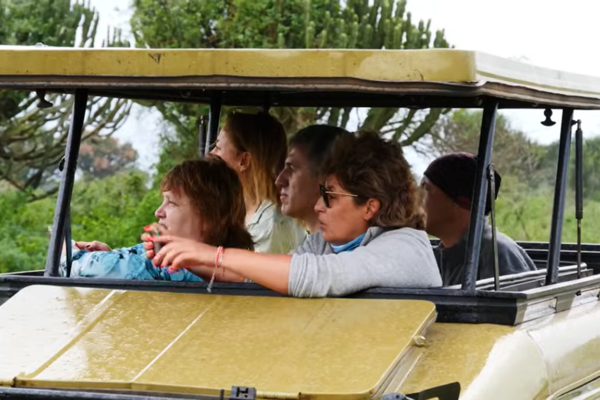
Today, Murchison Falls National Park is one of Uganda’s most visited parks, offering diverse activities that attract both local and international travelers. A typical Murchison Falls park safari includes game drives on the northern bank, boat cruises to the base of the falls, and hikes to the top of the falls.
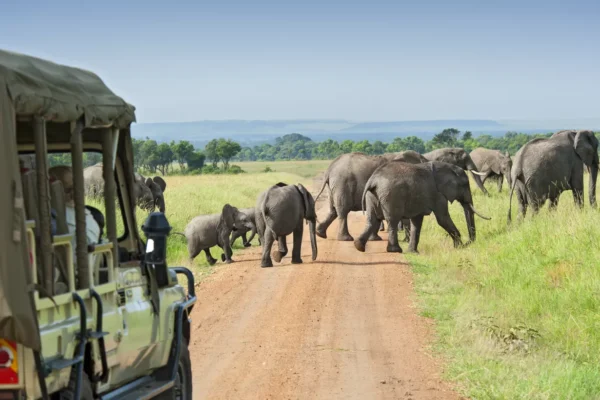
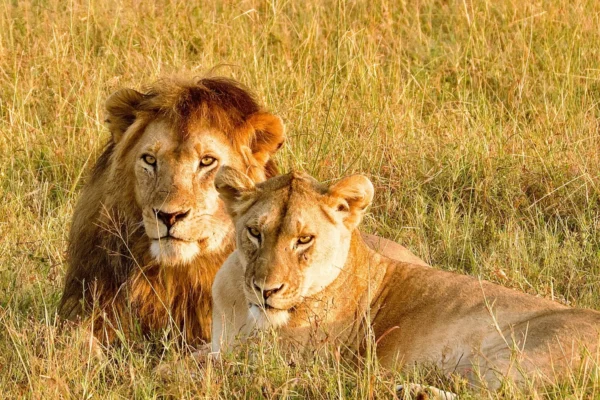
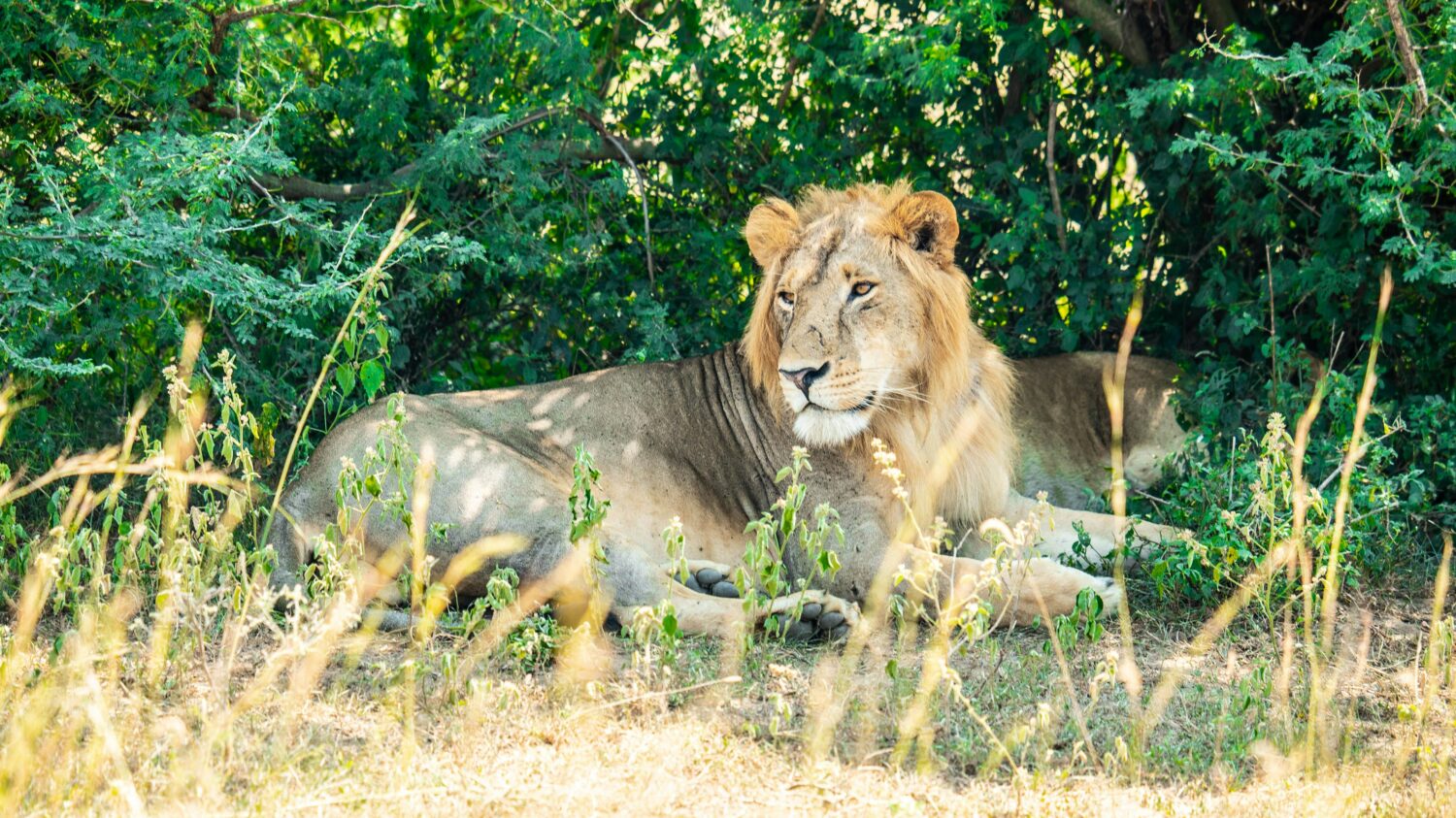
The park is home to the Big Four (lion, elephant, buffalo, and leopard), as well as giraffes, hippos, crocodiles, and numerous antelope species. The dramatic landscape, combined with the powerful Nile River, creates a unique safari setting unlike any other in East Africa.
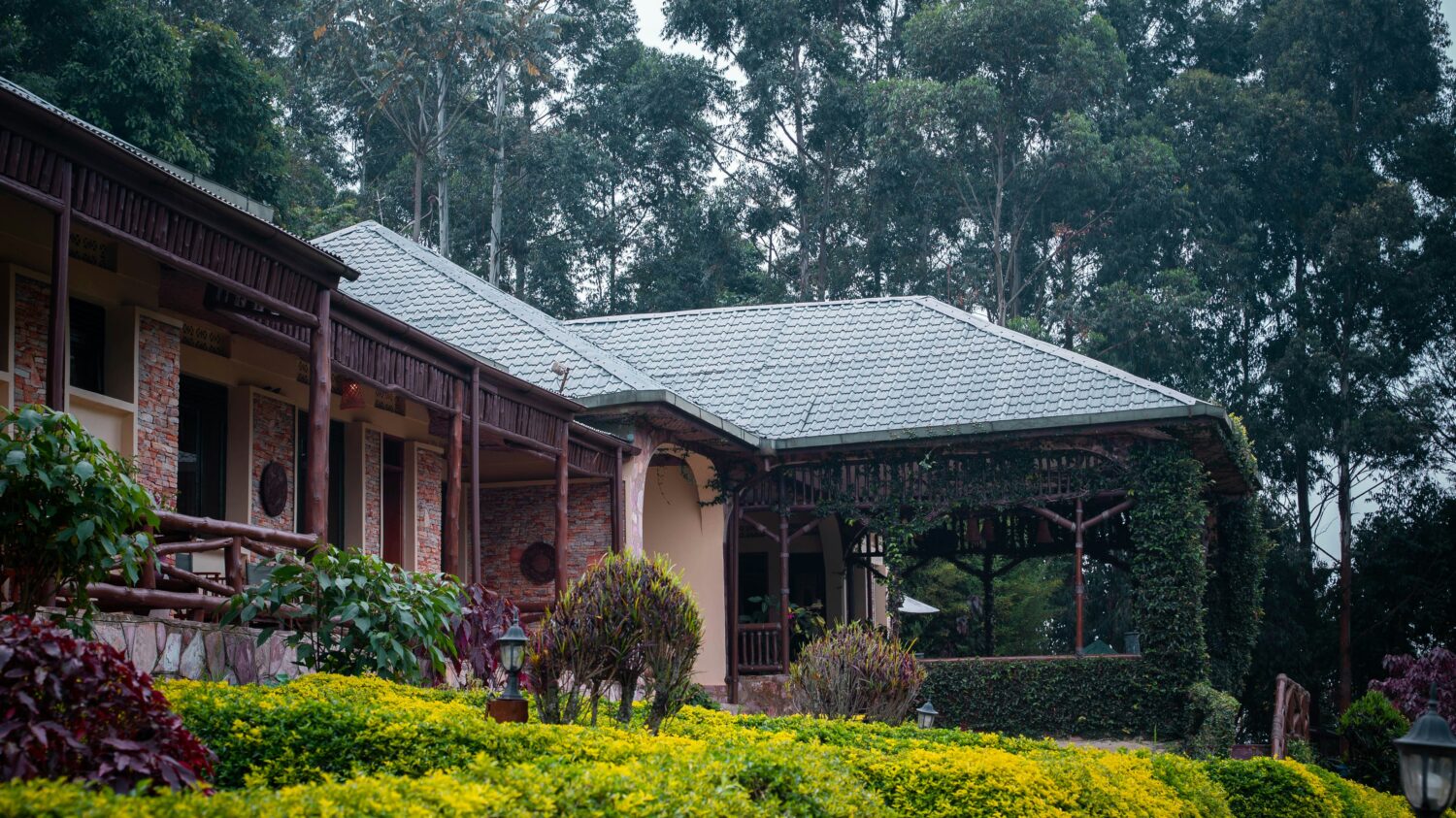
Luxury and midrange lodges have been developed to cater to different traveler preferences, enhancing comfort while maintaining eco-friendly practices.
Despite its recovery, Murchison Falls National Park continues to face challenges, including human-wildlife conflict, poaching threats, and pressure from oil exploration activities in the Albertine region. Balancing conservation with development remains a critical issue.
However, ongoing conservation programs, community involvement, and sustainable tourism practices provide hope for the future. The park’s management continues to prioritize wildlife protection while promoting responsible tourism.
A well-managed Murchison Falls park safari not only supports conservation but also contributes to local livelihoods, ensuring that communities benefit from protecting the park.
Understanding the history of Murchison Falls National Park adds depth to any safari experience. Every game drive, boat cruise, and scenic viewpoint reflects decades of conservation efforts, resilience, and transformation.
From ancient cultural landscapes to colonial exploration, from decline to recovery, the park’s journey mirrors the broader story of wildlife conservation in Africa. Visitors today experience a destination that has overcome challenges and emerged stronger.
Murchison Falls National Park attractions define one of the most diverse and rewarding wildlife destinations in East Africa. As Uganda’s largest national park, it offers a powerful mix of dramatic landscapes, rich wildlife populations, and unique Nile River experiences. A well-planned Murchison Falls park safari introduces travelers to iconic sights ranging from thunderous waterfalls to vast savannah plains and dense forests alive with primates.
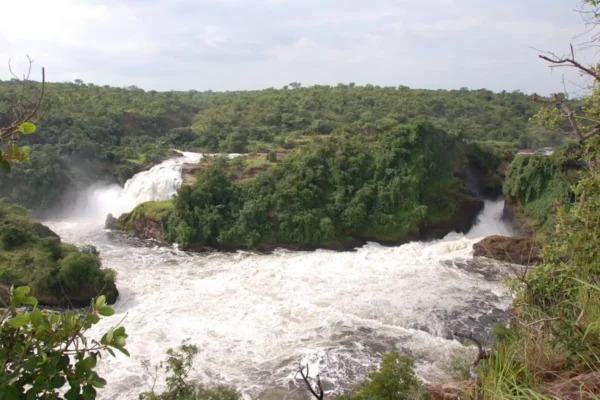
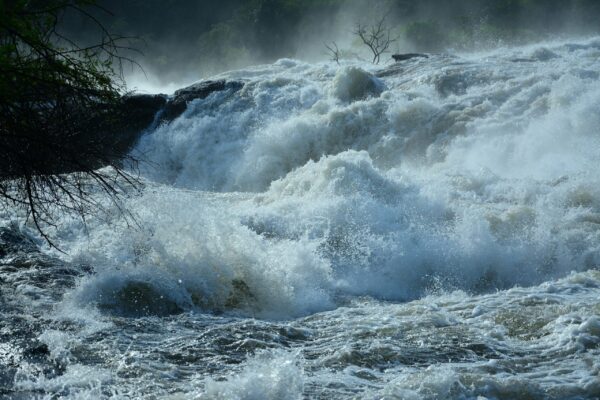
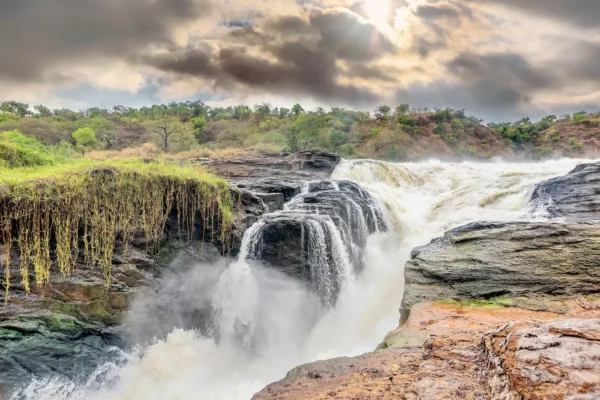
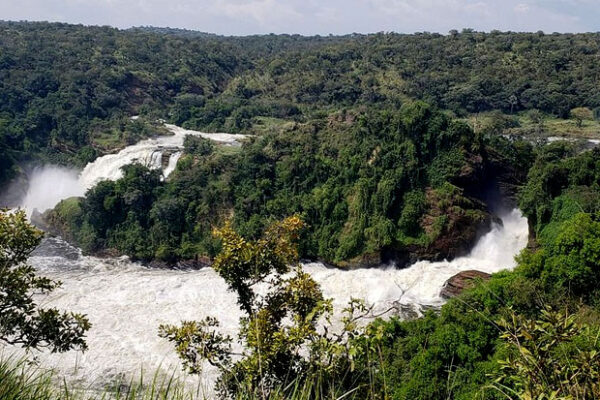
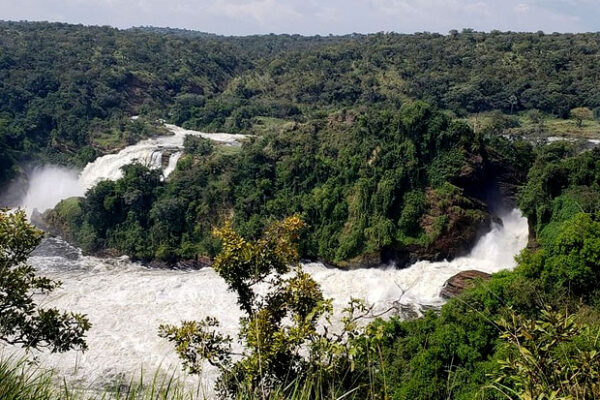
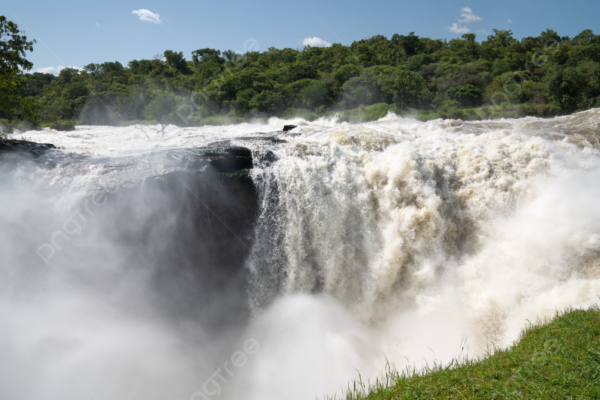
At the heart of the park lies the legendary Murchison Falls, the most dramatic feature among all Murchison Falls National Park attractions. Here, the Nile River is forced through a narrow 7-meter gorge before plunging over 43 meters into the Devil’s Cauldron below. The result is a thunderous explosion of water, mist, and rainbows that create one of the most unforgettable natural spectacles in Africa.
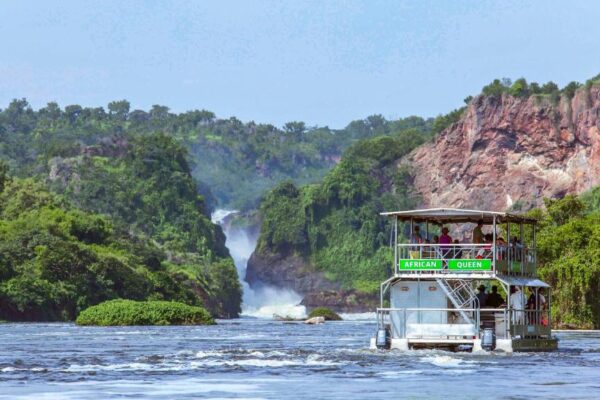
The falls can be viewed from both the top and the base. The hike to the top offers close-up views of the roaring water and panoramic scenery, while the boat cruise to the base provides a cinematic approach along the Nile, surrounded by wildlife. This experience alone defines any Murchison Falls park safari.
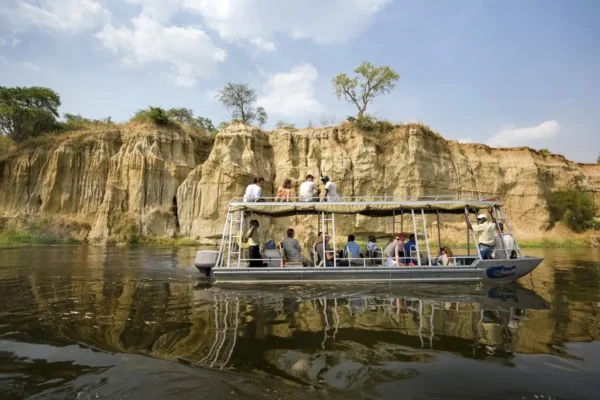
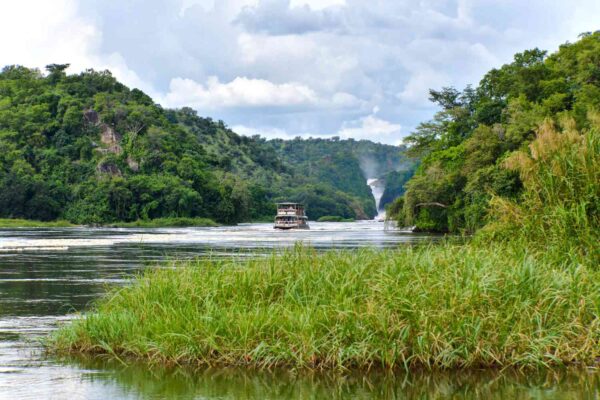
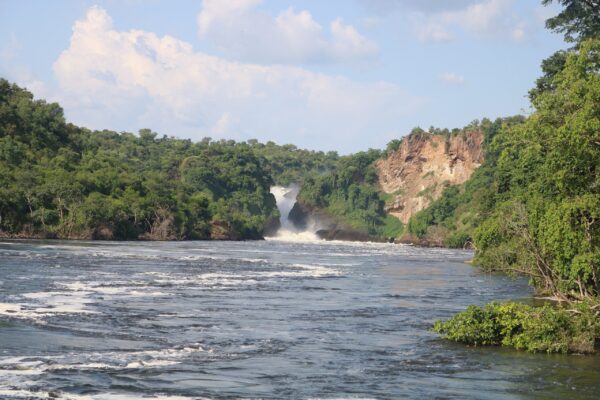
The Victoria Nile is one of the most important features shaping the park’s ecosystem and ranks among the top Murchison Falls National Park attractions. A boat safari along the Nile offers a completely different perspective compared to game drives.
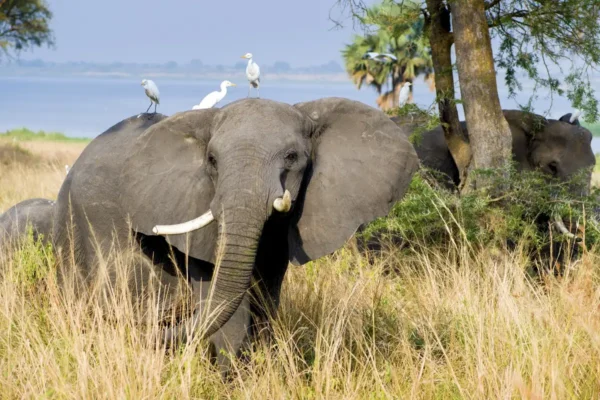
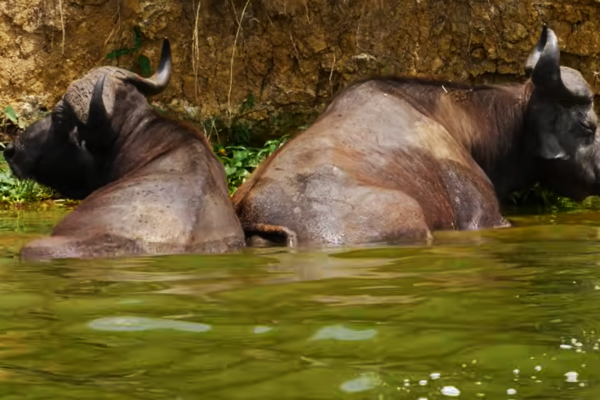
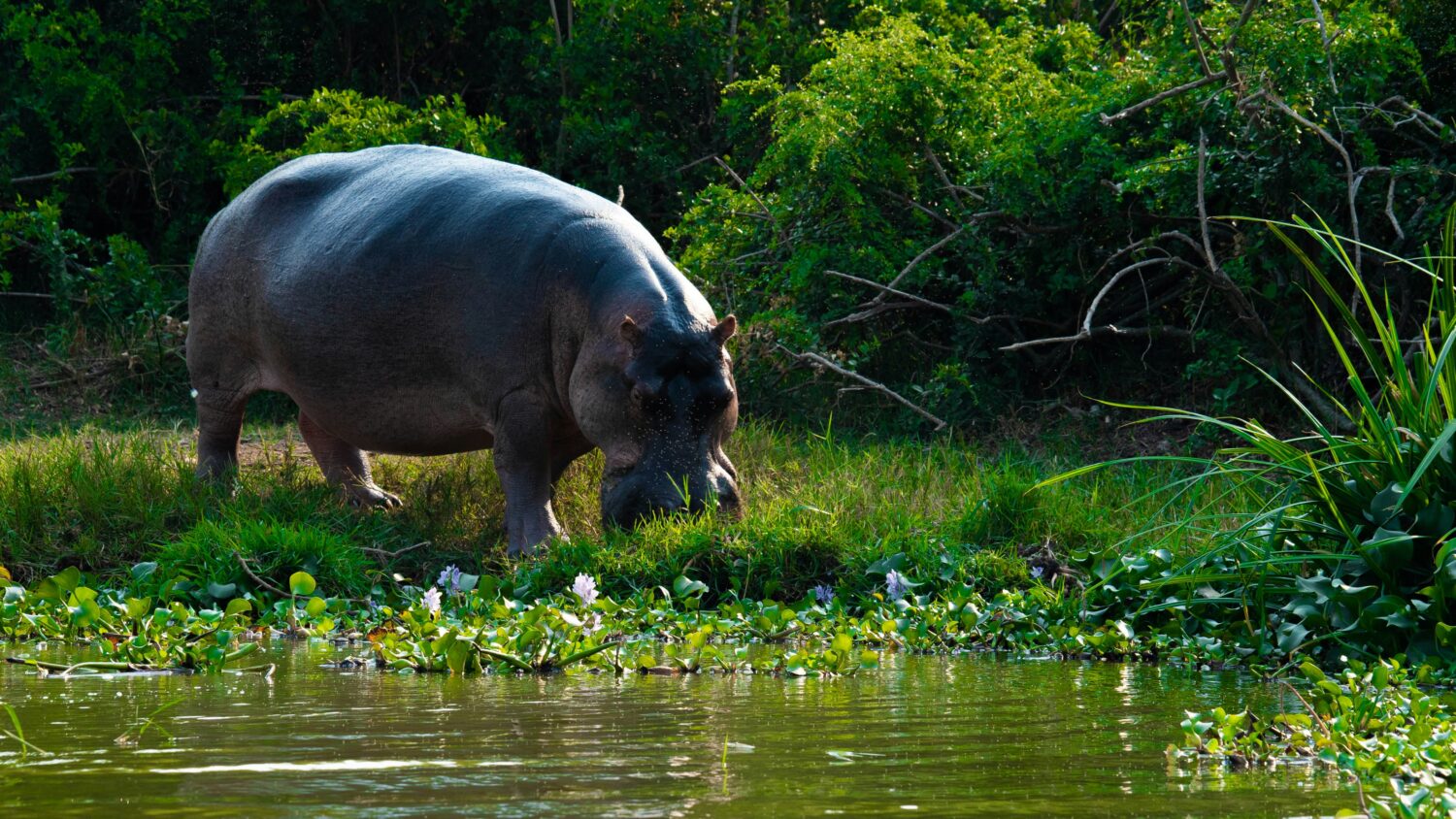
As you cruise upstream toward the falls, you encounter large pods of hippos, Nile crocodiles basking along the banks, and elephants coming to drink. The riverbanks are also rich in birdlife, including the rare shoebill stork. Sunset cruises downstream toward the Albert Delta offer quieter, scenic moments ideal for photography and birdwatching.
This water-based experience is essential to a complete Murchison Falls park safari, combining relaxation with close wildlife encounters.
The northern sector of the park features vast open savannahs and is considered the best area for wildlife viewing among all Murchison Falls National Park attractions. Game drives here reveal a classic African safari landscape dotted with acacia trees and rolling grasslands.
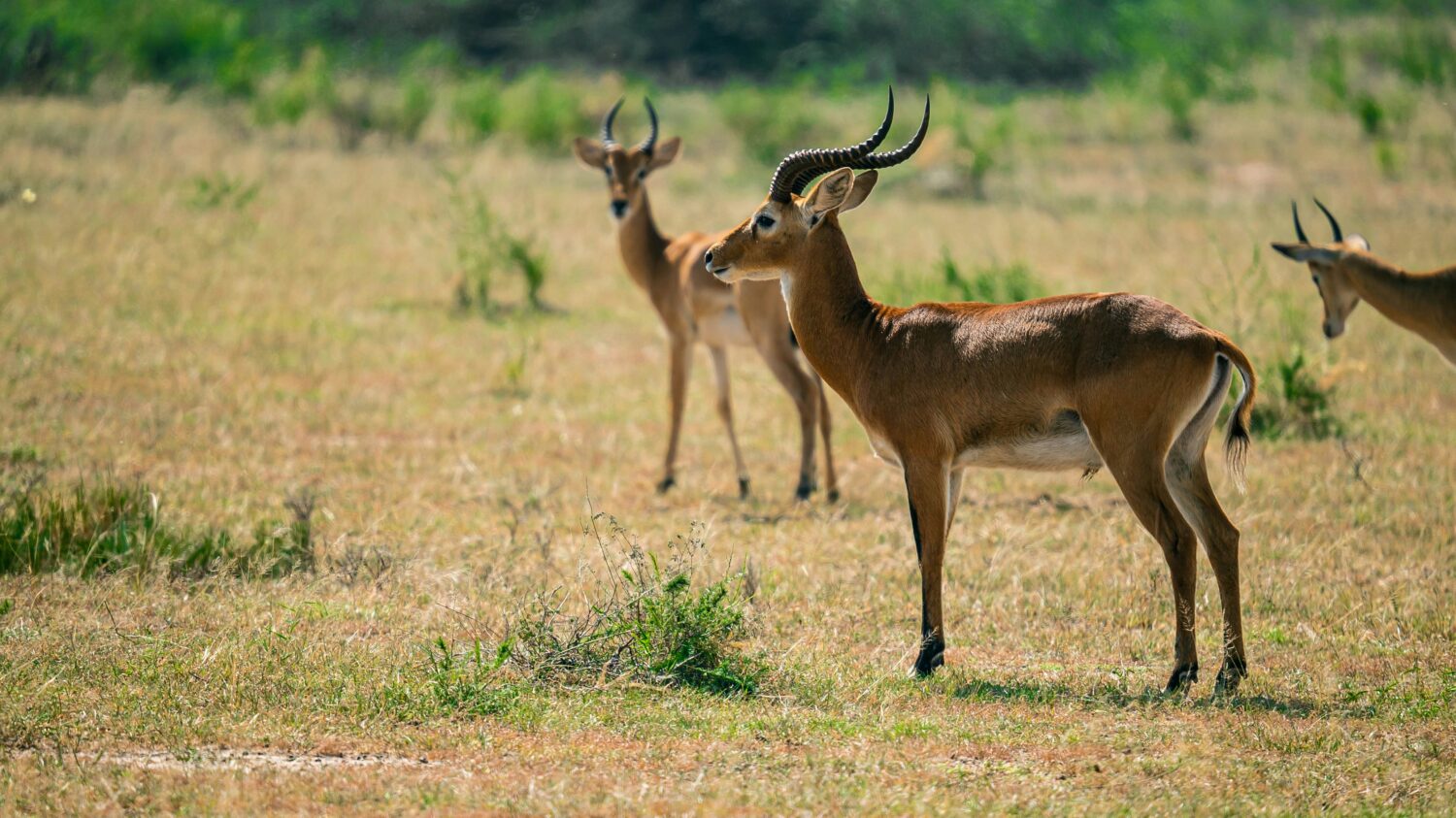
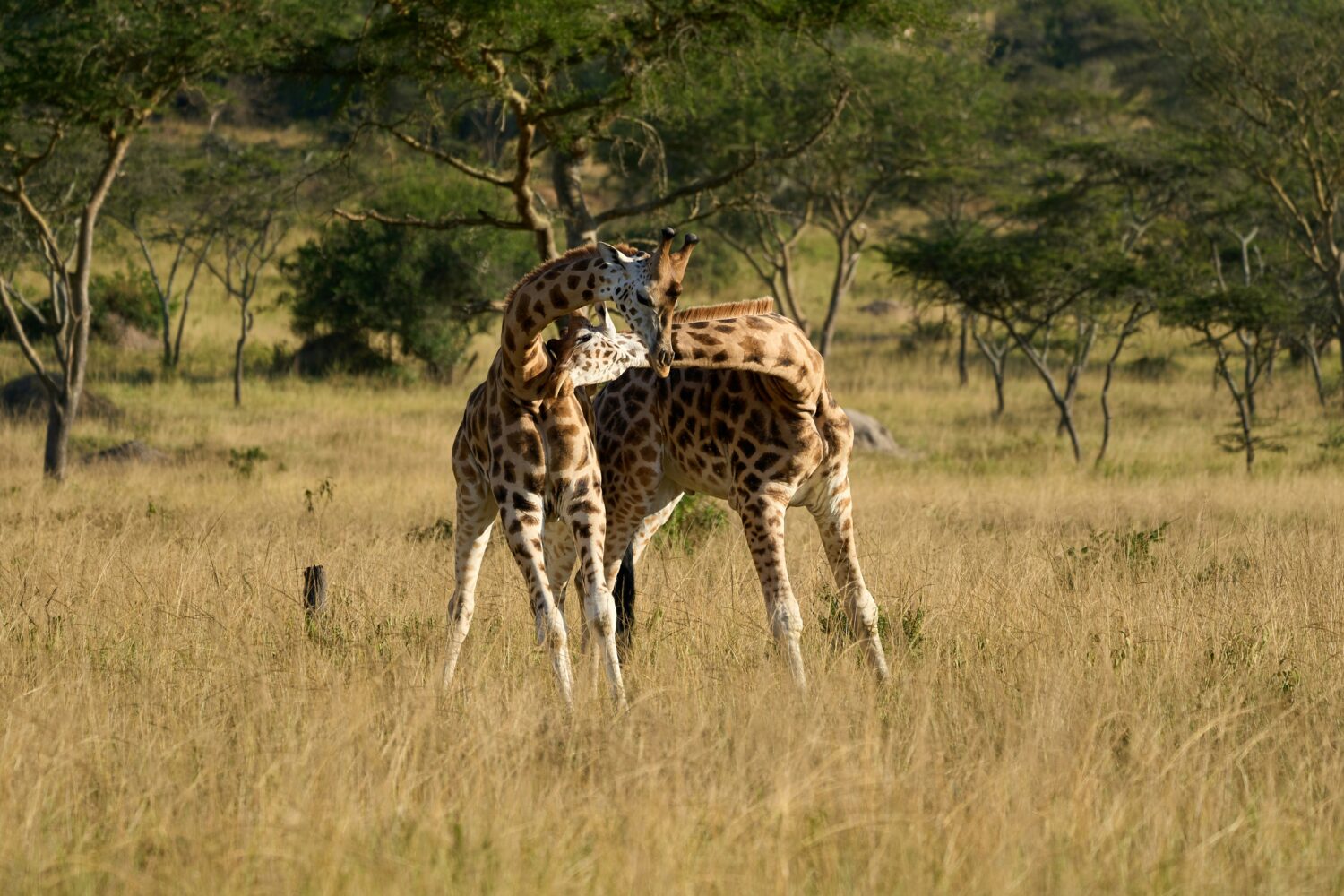
Wildlife sightings commonly include lions, elephants, Rothschild’s giraffes, buffalo, and various antelope species such as Uganda kob, hartebeest, and oribi. Leopards are also present, though more elusive. Early morning and late afternoon drives offer the best opportunities for active wildlife encounters.
This region forms the core of the traditional Murchison Falls park safari, delivering the Big Game experience Uganda is known for.
Paraa serves as the central hub for tourism activities and is one of the most strategically located Murchison Falls National Park attractions. It sits near the Nile crossing point, connecting the northern and southern sectors of the park.
The area hosts some of the park’s most established lodges and offers easy access to game drives, boat cruises, and the falls. Its location also provides stunning views of the Nile as it flows calmly before transforming into the powerful Murchison Falls downstream.
For most visitors, Paraa becomes the operational base for their Murchison Falls park safari.
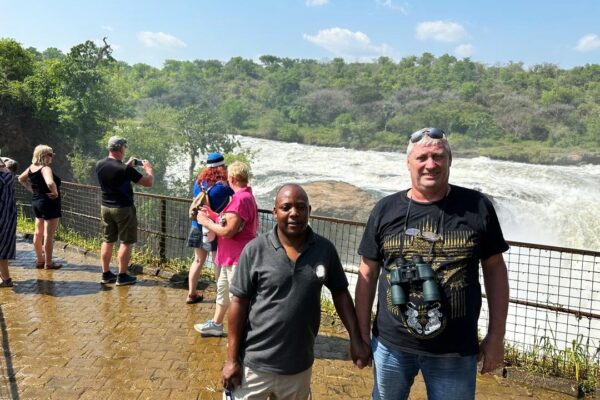
The top of the falls is one of the most immersive and dramatic viewpoints among all Murchison Falls National Park attractions. Standing just meters away from the crashing Nile, visitors feel the ground tremble beneath their feet as water forces its way through the narrow gorge.
The experience includes walking trails that allow for different angles of the falls, each offering breathtaking views and photographic opportunities. The sound, mist, and sheer power of the water create an unforgettable sensory experience.
This stop is often combined with a game drive or boat cruise, making it a highlight of any Murchison Falls park safari.
Budongo Forest, located in the southern part of the conservation area, introduces a completely different ecosystem compared to the savannah plains. It is one of the richest mahogany forests in East Africa and a key attraction for primate lovers.
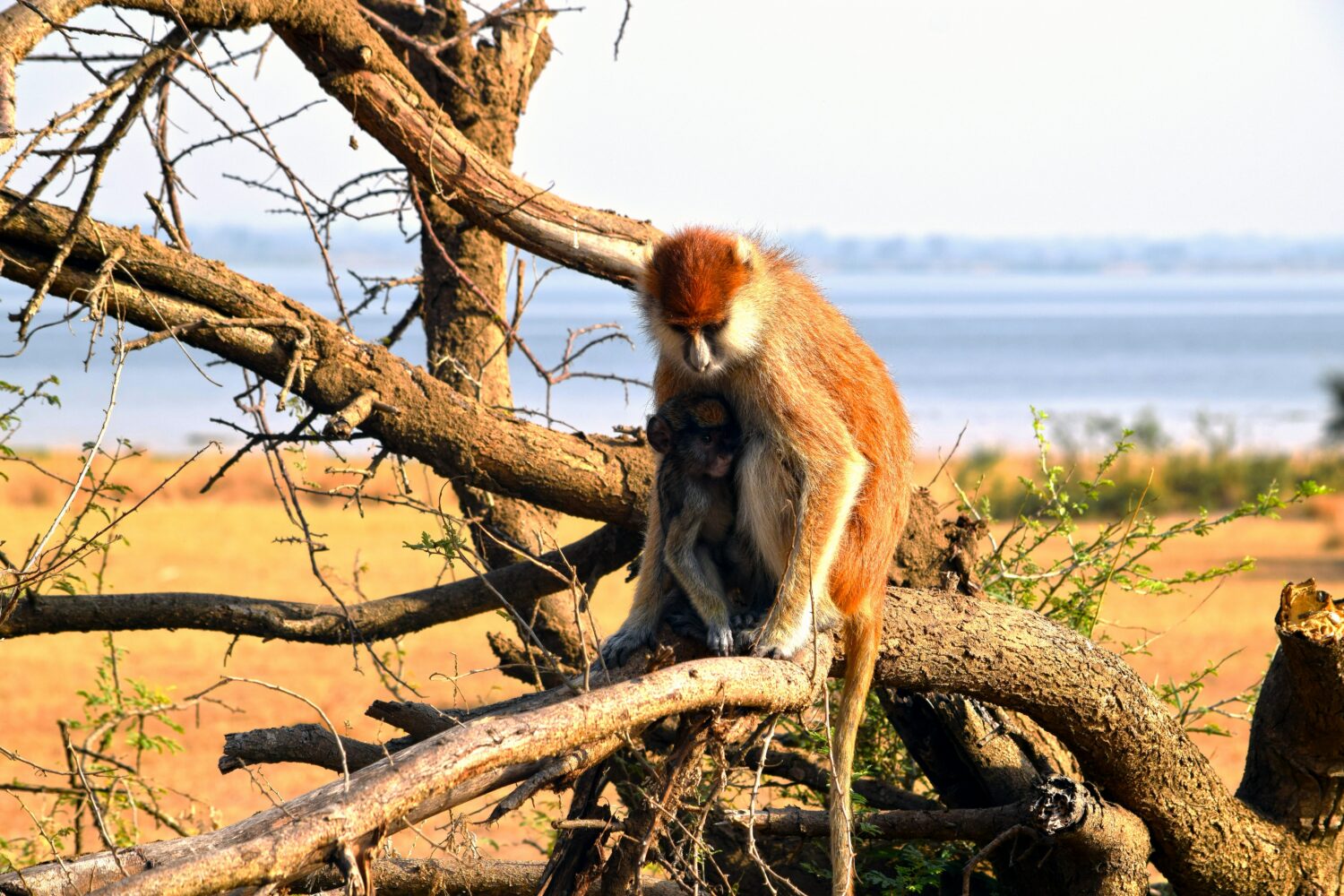
Chimpanzee tracking is the main activity here, offering close encounters with one of humans’ closest relatives. The forest also supports other primates such as red-tailed monkeys and black-and-white colobus monkeys, along with a wide variety of bird species.
Adding Budongo Forest to your itinerary enhances the diversity of a Murchison Falls park safari, blending wildlife viewing with primate experiences.
The Albert Delta, where the Nile flows into Lake Albert, is one of the most unique Murchison Falls National Park attractions, especially for bird enthusiasts. This wetland area supports an incredible diversity of birdlife and is one of the best places in Uganda to spot the elusive shoebill stork.
The delta is accessed via boat safari, offering a peaceful and scenic journey through papyrus-lined channels. The area is less crowded than the main boat route to the falls, providing a more exclusive and tranquil experience.
For travelers interested in birdwatching, this location adds a specialized dimension to a Murchison Falls park safari.
Rabongo Forest is a lesser-visited but rewarding attraction within the park, offering guided nature walks through a tropical forest environment. Unlike Budongo, Rabongo is smaller and more intimate, making it ideal for those seeking a quiet and immersive experience.
The forest is home to primates, birds, and unique plant species. Guided walks provide insights into forest ecology, medicinal plants, and wildlife behavior.
Including Rabongo Forest in your itinerary adds depth to your exploration of Murchison Falls National Park attractions, especially for nature enthusiasts.
Located along the Nile upstream of Murchison Falls, Karuma Falls is another scenic feature within the greater conservation area. While less dramatic than Murchison Falls itself, Karuma offers a series of powerful rapids flowing over rock formations, creating a beautiful and energetic landscape.
The falls are often seen en route to the park and serve as an excellent introduction to the Nile’s power. They complement the overall experience of exploring Murchison Falls National Park attractions.
Beyond specific landmarks, the overall biodiversity of the park is one of its greatest attractions. The park supports over 76 mammal species and more than 450 bird species, making it one of the richest ecosystems in Uganda.
From large predators to herbivores and rare bird species, every part of the park offers new discoveries. This diversity ensures that no two Murchison Falls park safari experiences are ever the same.