

Colonial Era Remnants
Murchison Falls National Park is celebrated for wildlife and the power of the Nile, yet scattered across its wider landscape are traces of a different story—one shaped by administration, exploration, and control during the late 19th and early 20th centuries. Exploring colonial heritage Uganda within and around Murchison Falls reveals how infrastructure, governance, and movement patterns were introduced and how they continue to influence the region today.
These colonial era sites include early administrative posts, river crossings, mission-influenced settlements, and transport corridors that once linked remote areas to broader colonial networks. Many of these historical buildings and locations are subtle rather than monumental, but their presence adds depth and context to a modern safari. Through guided exploration, visitors can connect landscapes with history and understand how past systems shaped present-day conservation and tourism.
Understanding Colonial Influence in the Murchison Region
The colonial period in Uganda brought significant structural changes, including the establishment of administrative centers, taxation systems, and transport routes. In the Murchison Falls region, these developments were closely tied to the Nile River, which served as both a natural boundary and a strategic corridor.
Exploring colonial heritage Uganda here involves recognizing how geography influenced colonial priorities. River access points became hubs of activity, while inland routes connected these points to administrative zones. These movements created a network that defined many of the colonial era sites still referenced today.
This historical layer does not replace indigenous narratives but intersects with them, creating a complex and multi-dimensional past that enriches your safari experience.
The Role of the Nile in Colonial Administration
The Nile River was central to colonial operations. It provided a reliable route for transporting goods, officials, and communication across the region. As a result, settlements and historical buildings often emerged near key river access points.
In Murchison Falls, areas such as Pakwach and Karuma became significant due to their proximity to crossing points. These locations reflect how colonial systems adapted to natural geography, embedding infrastructure within the landscape.
Understanding this relationship between river and administration highlights the importance of colonial heritage Uganda and its lasting imprint on the region.
Early Administrative Posts and Their Legacy
Colonial administration required physical presence, leading to the establishment of small posts and centers across Uganda. While many original structures no longer stand in full form, their locations remain historically important.
These early administrative points influenced settlement patterns, trade routes, and governance systems. Visiting these colonial era sites provides insight into how authority was exercised and maintained.
Even where historical buildings have faded, the spatial organization they introduced continues to shape movement and access within and around Murchison Falls.
Missionary Influence and Cultural Transformation
Missionary activity accompanied colonial expansion, bringing new educational and religious institutions to the region. These influences contributed to cultural shifts that are still visible today.
Church structures, schools, and mission stations formed part of the broader network of colonial heritage Uganda. While not always physically intact, their legacy is reflected in community structures and traditions.
Including these narratives in your exploration adds a social dimension to colonial era sites, highlighting how cultural change accompanied political control.
Transport Routes and Trade Corridors
Colonial systems relied heavily on movement. Roads and paths were established to connect administrative centers with resource-rich areas and river crossings.
In the Murchison region, these routes often followed natural contours, linking inland areas to the Nile. Many of these paths have evolved into modern roads, but their origins lie in colonial planning.
Walking or driving along these corridors during your safari connects you to historical buildings and routes that once formed the backbone of regional movement. These journeys represent some of the most compelling colonial era sites for visitors interested in history.
Pakwach and Northern Connections
Pakwach stands out as a key location in understanding colonial heritage Uganda. Its position along the Nile made it a strategic crossing point and a center for trade and administration.
During the colonial period, Pakwach facilitated movement between northern Uganda and other regions. Today, it remains an important gateway to Murchison Falls National Park.
Exploring this area reveals how geography and colonial priorities intersected, making it one of the most accessible colonial era sites for visitors.
Karuma and the Nile Crossings
Karuma, located south of the park, has long been a vital crossing point over the Nile. Its importance predates colonial times but was amplified during the colonial era.
The establishment of crossing infrastructure at Karuma reflects the need for efficient transport and communication. These developments contribute to the historical significance of the area and form part of the broader colonial heritage Uganda narrative.
Visiting Karuma adds another dimension to your exploration of historical buildings and infrastructure linked to the past.
Subtle Remnants Within the Park
Within Murchison Falls National Park itself, colonial remnants are less visible but still present in the layout of roads, viewpoints, and named locations.
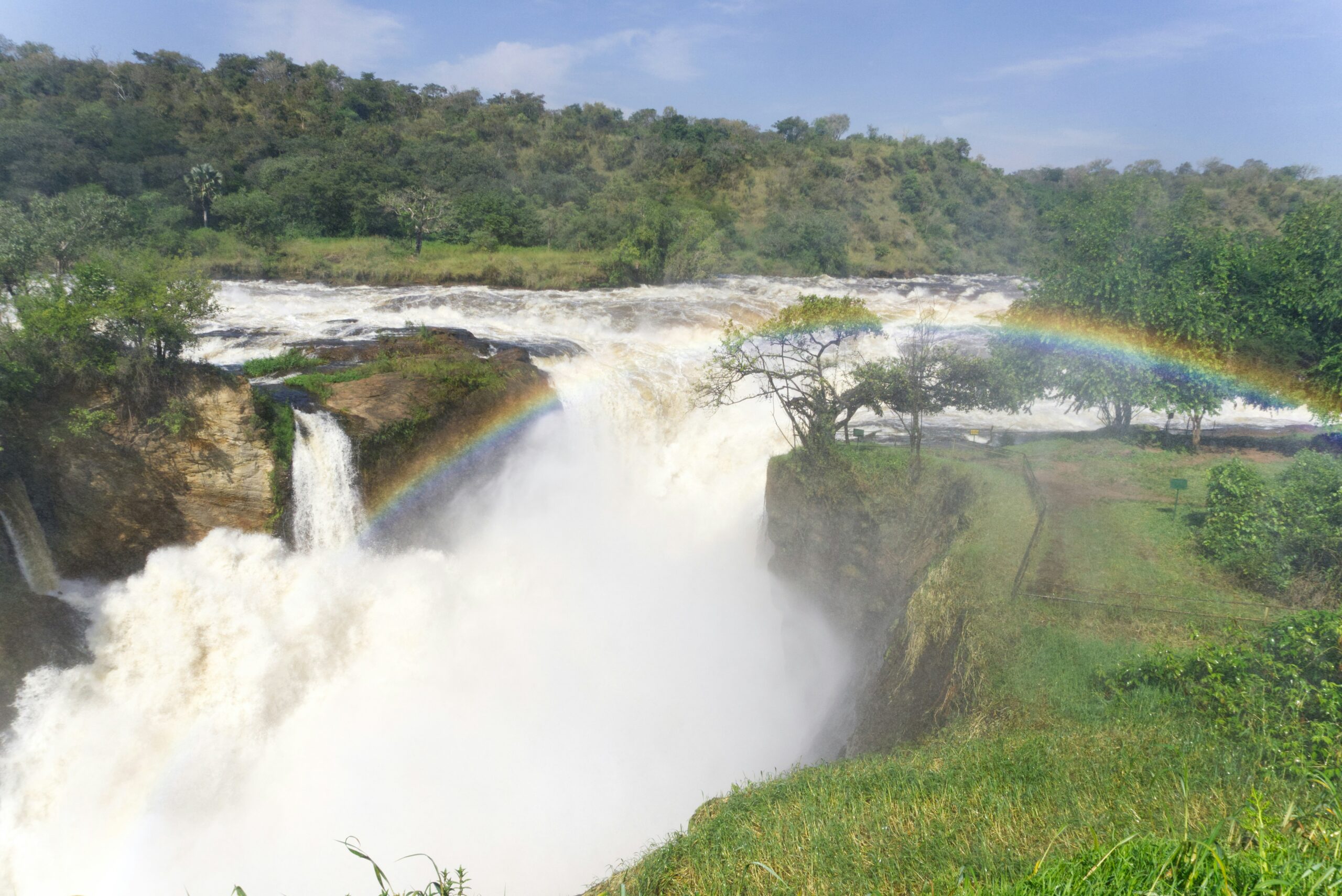
The naming of Murchison Falls by Samuel Baker represents one of the most prominent colonial influences. While the natural feature existed long before, its name reflects the imprint of exploration and colonial recognition.
These subtle elements form part of the network of colonial era sites, reminding visitors that history is often embedded in language and geography as much as in physical structures.
Interpreting Colonial History Responsibly
Understanding colonial heritage Uganda requires a balanced perspective. It involves acknowledging the impact of colonial systems while also recognizing the resilience and continuity of local communities.
Modern heritage tours aim to present this history thoughtfully, incorporating multiple viewpoints and encouraging reflection. This approach ensures that exploration of historical buildings and sites remains respectful and informative.
Combining Colonial History with Safari Experiences
A Murchison Falls safari naturally centers on wildlife, yet integrating historical exploration creates a more complete journey. Visiting colonial era sites alongside game drives and boat cruises adds context to the landscapes you experience.
The Nile, for example, becomes more than a scenic feature. It becomes a historical corridor that shaped movement, trade, and administration. This layered understanding enhances every aspect of your safari.
Explore tailored itineraries, here to include colonial heritage Uganda experiences within your travel plan.
Best Time to Explore Colonial Remnants
Colonial sites and routes can be explored year-round. Dry seasons provide better conditions for travel and walking, making it easier to access certain locations.
Planning your visit ensures that you can comfortably explore historical buildings and routes while integrating them with other safari activities.
Photography and Storytelling
Photographing colonial remnants requires a focus on detail and context. Instead of grand structures, many colonial era sites reveal themselves through subtle features such as pathways, river crossings, and landscape patterns.
Capturing these elements helps tell the story of colonial heritage Uganda, preserving your experience and sharing it with others.
Responsible Tourism and Preservation
Preserving historical sites requires responsible behavior. Visitors should avoid damaging structures, respect local communities, and follow guidance from tour leaders.
Supporting guided tours ensures that local knowledge is valued and that colonial era sites are interpreted accurately. Responsible travel helps protect both physical and cultural heritage.
Why Colonial Remnants Matter Today
Colonial remnants provide insight into how the region evolved and how past systems continue to influence present-day life. They reveal connections between history, geography, and culture that are often overlooked.
Exploring historical buildings and routes allows you to see Murchison Falls as more than a wildlife destination. It becomes a place where stories of exploration, administration, and resilience intersect.
This perspective enriches your understanding and makes your safari more meaningful.
Planning Your Historical Safari Experience
Planning is essential to fully appreciate colonial heritage Uganda. Working with experienced safari planners allows you to integrate historical exploration with wildlife and cultural activities.
Guided experiences provide context and ensure that you gain a deeper understanding of colonial era sites. Including these elements in your itinerary creates a balanced and enriching journey.
Plan Your Safari
Discover the hidden stories within Murchison Falls by exploring colonial heritage Uganda and visiting meaningful colonial era sites shaped by history. From subtle historical buildings to important river crossings, every location adds depth to your journey.
Start planning your safari today with expert guidance and tailored itineraries, here and create a travel experience that blends wildlife, culture, and history.