

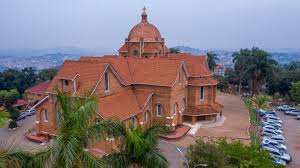
Religious Celebrations Uganda: A Deep Cultural and Spiritual Journey
Overview
Uganda is widely known for its wildlife and landscapes, but its cultural identity is equally shaped by vibrant and deeply rooted faith traditions. Across the country, communities gather throughout the year for powerful expressions of belief, creating a calendar filled with religious festivals Uganda that reflect history, identity, and unity. These events are not only spiritual gatherings but also cultural experiences that bring together music, storytelling, ritual, and communal participation.
From large-scale pilgrimages to intimate local ceremonies, Uganda’s spiritual celebrations reveal a nation where faith remains central to daily life. For travelers, attending these faith events offers a rare opportunity to engage with local traditions in an authentic and meaningful way, complementing the country’s well-known safari experiences.
The Religious Landscape of Uganda
Uganda’s diversity of religious beliefs forms the foundation of its celebration culture. Christianity is the dominant faith, followed by Islam and traditional African belief systems, each contributing unique ceremonies and observances. This blend creates a rich tapestry of religious festivals Uganda, where different communities express devotion in distinct yet interconnected ways.
Christian denominations, including Catholic, Anglican, and Pentecostal churches, organize major events that attract both local and international participants. Islamic communities observe key dates in the lunar calendar with structured prayers and communal gatherings. Traditional belief systems continue to influence rituals tied to ancestors, land, and seasonal cycles.
This coexistence of faith traditions allows Uganda to maintain a dynamic calendar of spiritual celebrations, where each event reflects both religious devotion and cultural identity.
Uganda Martyrs Day: The Nation’s Largest Pilgrimage
Uganda Martyrs Day, held annually on June 3rd, stands as the most significant religious event in the country. Thousands of pilgrims walk for days, sometimes weeks, to reach Namugongo, the site where Christian converts were executed in the late 19th century.
The scale of this event is remarkable. Pilgrims arrive from across East Africa, turning the journey itself into a spiritual act of endurance and faith. Upon arrival, masses, prayers, and hymns create an atmosphere charged with emotion and devotion.
This event exemplifies how faith events in Uganda extend beyond a single day. The preparation, travel, and collective experience form a continuous process that strengthens community bonds and spiritual commitment.
Eid Celebrations: Unity and Generosity
Islamic celebrations in Uganda, particularly Eid al-Fitr and Eid al-Adha, bring communities together in moments of gratitude and generosity. Eid al-Fitr marks the end of Ramadan, a month of fasting and reflection, while Eid al-Adha commemorates sacrifice and devotion.
Mosques across the country host large congregational prayers, followed by family gatherings and charitable giving. Food plays a central role, with shared meals symbolizing unity and compassion.
These religious festivals Uganda highlight the importance of community and generosity within Islamic traditions. For visitors, experiencing Eid provides insight into a different dimension of Uganda’s spiritual celebrations, one rooted in discipline, gratitude, and shared values.
Christmas and Easter: Nationwide Celebrations
Christmas and Easter are among the most widely celebrated events in Uganda, reflecting the country’s strong Christian presence. Churches fill with worshippers, choirs perform vibrant hymns, and communities come together for feasts and gatherings.
Christmas in Uganda is not only a religious occasion but also a time for family reunions. People travel from cities back to their home villages, creating a sense of national movement and connection. Easter, on the other hand, focuses more on reflection, with Good Friday services and Easter Sunday celebrations marking the resurrection.
These moments demonstrate how faith events integrate seamlessly into daily life, blending spiritual meaning with cultural expression.
Traditional Spiritual Ceremonies
Beyond organized religions, Uganda’s traditional belief systems continue to shape local rituals and ceremonies. These practices often involve ancestral worship, community healing, and seasonal celebrations tied to agriculture and nature.
In regions such as Busoga and Buganda, spiritual leaders conduct ceremonies that honor ancestors and seek guidance for the community. These events may include drumming, dance, and symbolic offerings.
Such spiritual celebrations offer a deeper understanding of Uganda’s cultural roots. They show how spirituality extends beyond formal institutions, remaining embedded in the relationship between people, land, and heritage.
The Role of Music and Dance in Religious Celebrations
Music and dance are integral to religious festivals Uganda, transforming gatherings into vibrant expressions of joy and devotion. Church choirs, traditional drumming groups, and community performers all contribute to the atmosphere of celebration.
In Christian services, gospel music often features energetic rhythms and harmonies that engage entire congregations. Islamic celebrations include recitations and chants that create a reflective and spiritual environment. Traditional ceremonies rely on drums and dance to connect participants with ancestral traditions.
This combination of sound and movement elevates faith events, making them immersive experiences that resonate emotionally and culturally.
Community and Social Impact of Faith Events
Religious celebrations in Uganda extend beyond spirituality, playing a crucial role in community development and social cohesion. These events provide opportunities for collective action, including charitable activities, fundraising, and support for vulnerable groups.
During major faith events, communities organize food distribution, healthcare outreach, and educational initiatives. This reinforces the idea that spiritual celebrations are not only about belief but also about responsibility and care for others.
For visitors, witnessing this aspect of Ugandan society offers a deeper appreciation of how faith influences everyday life and community structure.
Best Time to Experience Religious Festivals in Uganda
Uganda’s religious calendar spans the entire year, offering multiple opportunities for travelers to engage with religious festivals Uganda. June stands out due to Uganda Martyrs Day, while Islamic festivals vary based on the lunar calendar.
December and April provide ideal timing for Christmas and Easter celebrations, respectively. These periods also align with favorable travel conditions, making it easier to combine cultural experiences with wildlife safaris.
Planning around these dates allows visitors to experience both spiritual celebrations and Uganda’s natural attractions in a single journey.
Combining Cultural Experiences with Safari Adventures
A visit to Uganda does not have to focus solely on wildlife. Integrating cultural and religious experiences adds depth to the overall journey. Travelers can attend faith events in urban or rural settings before or after exploring national parks.
Murchison Falls National Park, featured on www.murchisonfallsparksafari.com, provides an ideal complement to cultural exploration. After engaging with religious festivals Uganda, visitors can transition into a classic safari experience that includes game drives, Nile boat cruises, and chimpanzee tracking in Budongo Forest.
This combination creates a balanced itinerary that reflects both the cultural and natural richness of Uganda.
Travel Tips for Attending Religious Celebrations
Experiencing religious events in Uganda requires respect and awareness of local customs. Dressing modestly, following guidance from local hosts, and participating respectfully are essential.
Photography should be approached with sensitivity, especially during intimate or sacred moments. Engaging with local communities through conversation and observation enhances the experience and fosters mutual understanding.
These considerations ensure that visitors can fully appreciate spiritual celebrations while maintaining cultural respect.
The Unique Appeal of Uganda’s Faith Events
What sets Uganda apart is the authenticity of its religious celebrations. These events are not staged for tourism but are genuine expressions of belief and community. This authenticity creates a powerful connection for visitors, allowing them to witness faith in its most natural form.
The diversity of religious festivals Uganda ensures that every traveler can find an experience that resonates with their interests. Whether it is a large pilgrimage, a festive celebration, or a quiet traditional ceremony, each event offers insight into the country’s identity.
Experience Uganda Beyond the Safari
Uganda’s religious celebrations reveal a side of the country that goes beyond landscapes and wildlife. They provide a window into the values, traditions, and connections that define its people.
Exploring faith events alongside destinations like Murchison Falls National Park creates a richer and more meaningful travel experience. Visitors leave not only with memories of wildlife but also with a deeper understanding of Uganda’s cultural and spiritual life.
Plan your journey, here and discover how spiritual celebrations can transform your safari into a complete cultural adventure.