

Food and Culinary Festivals in Uganda: A Journey Through Taste, Culture, and Tradition
Overview
Uganda’s identity extends far beyond its landscapes and wildlife. Its food culture tells a powerful story of community, heritage, and regional diversity. Across the country, vibrant gatherings celebrate flavor, technique, and shared experience through food festivals Uganda that bring people together around one universal language—food.
These festivals are not simply about eating. They are immersive cultural experiences where visitors encounter local ingredients, traditional cooking methods, and evolving culinary creativity. From bustling city showcases to rural community feasts, Uganda’s culinary events highlight both authenticity and innovation. For travelers, they provide a meaningful way to engage with traditional cuisine while connecting with the people behind it.
Uganda’s Culinary Identity and Cultural Roots
Ugandan cuisine reflects the country’s geography and cultural diversity. Staples such as matooke, cassava, millet, sweet potatoes, and groundnuts form the backbone of everyday meals. Each region contributes its own specialties, shaped by climate, history, and community practices.
Cooking in Uganda is often a communal activity. Meals are prepared in large quantities and shared among families and neighbors, reinforcing social bonds. This spirit of togetherness defines many food festivals Uganda, where cooking becomes both performance and celebration.
Traditional techniques, such as steaming in banana leaves or slow cooking over charcoal, remain central to many dishes. These methods preserve flavor while maintaining a strong connection to heritage, making traditional cuisine an essential part of Uganda’s cultural identity.
The Rise of Food Festivals in Uganda
 In recent years, Uganda has seen a growing interest in organized culinary events that celebrate local and international flavors. Urban centers like Kampala have become hubs for food festivals that attract chefs, vendors, and visitors from across the region.
These events showcase a wide range of cuisines, from street food to gourmet creations, reflecting both tradition and modern culinary trends. They also provide a platform for local chefs to experiment and present Ugandan ingredients in new and creative ways.
The growth of food festivals Uganda highlights a broader shift toward culinary tourism, where food becomes a central part of the travel experience.
Rolex Festival: Celebrating Uganda’s Street Food Icon
One of the most popular culinary celebrations in Uganda revolves around the “Rolex,” a beloved street food made of eggs and vegetables wrapped in chapati. Festivals dedicated to this dish bring together vendors and enthusiasts to celebrate its simplicity and versatility.
At these events, visitors can sample different variations, each reflecting the creativity of individual vendors. The atmosphere is lively, with music, demonstrations, and competitions adding to the experience.
The Rolex festival represents the heart of food festivals Uganda, where everyday food becomes a symbol of national pride and culinary innovation.
Kampala Restaurant Week: A Modern Culinary Showcase
Kampala Restaurant Week offers a more refined perspective on culinary events in Uganda. During this period, top restaurants across the city create special menus that highlight both local and international cuisine.
This event allows visitors to explore a wide range of dining experiences, from contemporary interpretations of traditional cuisine to global flavors adapted with Ugandan ingredients. It also provides an opportunity for chefs to showcase their skills and creativity.
For travelers, Kampala Restaurant Week serves as an entry point into Uganda’s evolving food scene, where tradition meets modern culinary expression.
Nyege Nyege Festival: Food as Part of Cultural Expression
While primarily known as a music festival, Nyege Nyege also features a diverse culinary component. Food vendors from across Uganda and neighboring countries gather to offer a wide selection of dishes, creating a dynamic food environment.
This fusion of music and food highlights how food festivals Uganda often extend beyond standalone events. They become part of larger cultural gatherings where culinary events contribute to the overall experience.
Visitors can sample everything from grilled meats to vegetarian specialties, reflecting the region’s culinary diversity.
Regional Food Celebrations and Traditional Gatherings
Beyond major urban festivals, many communities host local food celebrations tied to cultural and seasonal events. These gatherings often focus on specific crops or traditional dishes, such as millet-based meals or groundnut sauces.
In rural areas, these events provide insight into the preparation and significance of traditional cuisine. Visitors can observe cooking methods, participate in food preparation, and learn about the cultural context behind each dish.
These smaller-scale food festivals Uganda offer a more intimate and authentic experience, connecting travelers directly with local communities.
Signature Dishes Featured at Ugandan Food Festivals
Ugandan food festivals showcase a wide range of dishes that define the country’s culinary identity. Matooke, often served with groundnut sauce or meat stew, remains a staple. Luwombo, a slow-cooked dish prepared in banana leaves, highlights traditional cooking techniques.
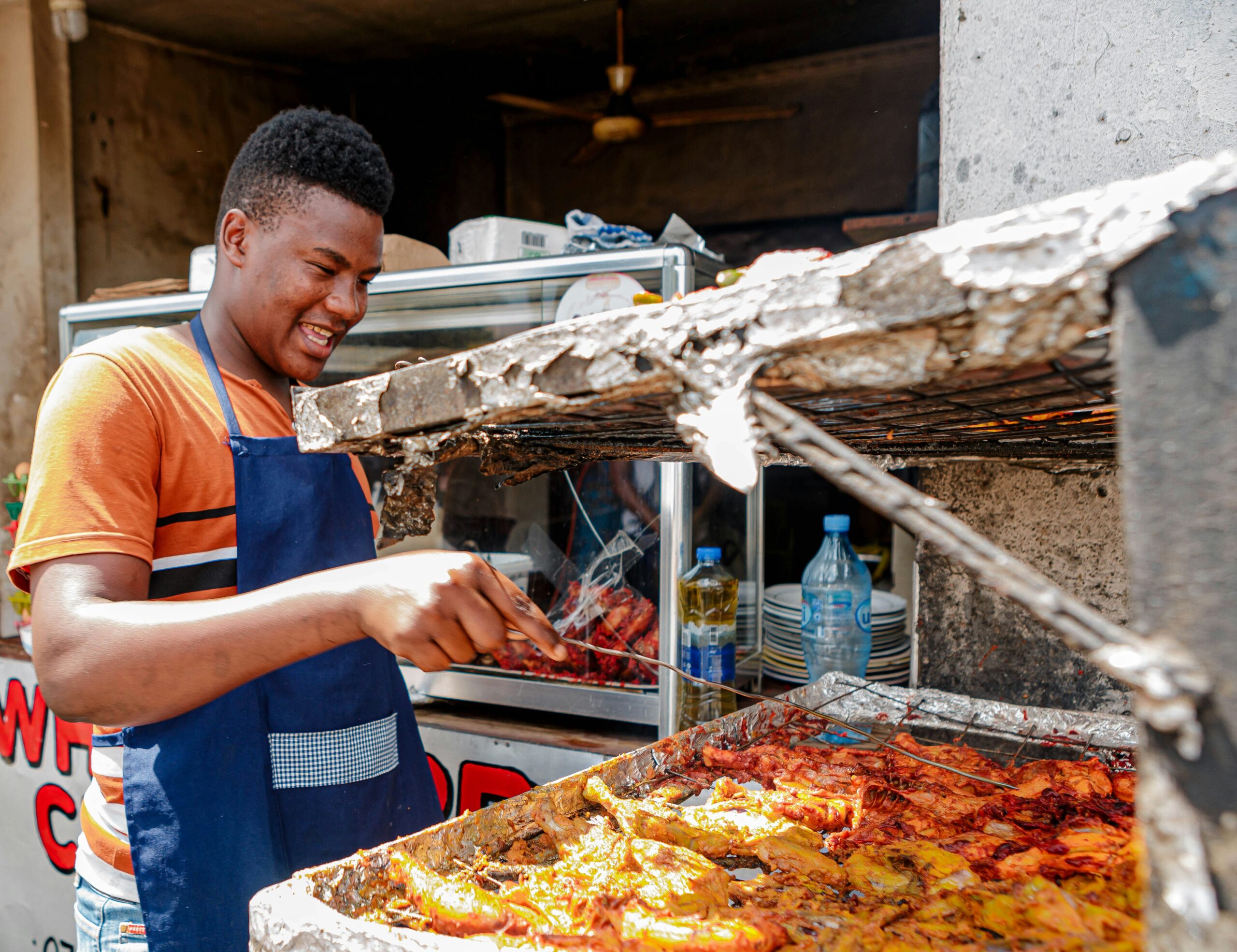
Grilled meats, known locally as “nyama choma,” are a common feature at culinary events, offering rich flavors and communal dining experiences. Fresh fish from the Nile and local lakes adds another dimension, particularly in regions near Murchison Falls.
Street food, including samosas, cassava chips, and roasted maize, complements these dishes, creating a diverse and accessible food landscape.
The Role of Ingredients in Ugandan Cuisine
Ingredients play a central role in defining traditional cuisine. Uganda’s fertile land produces a wide variety of fresh produce, including bananas, beans, maize, and leafy greens.
Spices are used sparingly, allowing the natural flavors of ingredients to stand out. This approach creates dishes that are both simple and deeply satisfying.
At food festivals Uganda, the emphasis on fresh, locally sourced ingredients becomes evident, reinforcing the connection between agriculture and culinary culture.
Food and Community: The Social Experience
Food festivals in Uganda are inherently social. They bring people together to share meals, exchange ideas, and celebrate cultural identity. This communal aspect is a defining feature of culinary events in the country.
Visitors are often welcomed to join in, creating opportunities for meaningful interaction and cultural exchange. This openness enhances the travel experience, making it more personal and memorable.
The social nature of food festivals Uganda reflects the broader values of Ugandan society, where hospitality and community are central.
Best Time to Experience Food Festivals in Uganda
Food festivals take place throughout the year, but certain periods offer more opportunities. Urban events are often scheduled during dry seasons, from December to February and June to September, when travel conditions are favorable.
Regional and community-based celebrations may align with harvest seasons, providing insight into agricultural cycles and local traditions.
Planning a visit around these times allows travelers to fully experience culinary events while also exploring Uganda’s natural attractions.
Combining Culinary Experiences with Safari Adventures
Uganda offers a unique opportunity to combine food and wildlife experiences. After attending food festivals Uganda, travelers can explore destinations like Murchison Falls National Park for a complete journey.
The park, featured on Murchison falls park safari, provides activities such as game drives, Nile boat cruises, and chimpanzee tracking. Fresh fish from the Nile, often featured in local dishes, connects the culinary experience directly to the landscape.
This combination of traditional cuisine and safari adventure creates a well-rounded itinerary that highlights both culture and nature.
Culinary Tourism and Its Growing Importance
Culinary tourism is becoming an important part of Uganda’s travel industry. Visitors increasingly seek experiences that go beyond sightseeing, focusing on food as a way to understand culture.
Food festivals Uganda play a key role in this trend, offering structured opportunities to engage with local cuisine.
They also support local businesses, farmers, and chefs, contributing to economic development.
As interest in culinary events continues to grow, Uganda is positioning itself as a destination where food and travel intersect in meaningful ways.
Discover Uganda Through Its Flavors
Uganda’s food festivals provide more than just meals. They offer a gateway into the country’s culture, traditions, and way of life. Each dish tells a story, and each festival brings that story to life through shared experience.
From bustling city events to quiet rural gatherings, the diversity of food festivals Uganda ensures that every traveler can find something unique. Exploring these culinary events alongside destinations like Murchison Falls creates a journey that is both flavorful and unforgettable.
Plan your experience through, here and discover how traditional cuisine can transform your safari into a rich cultural adventure.