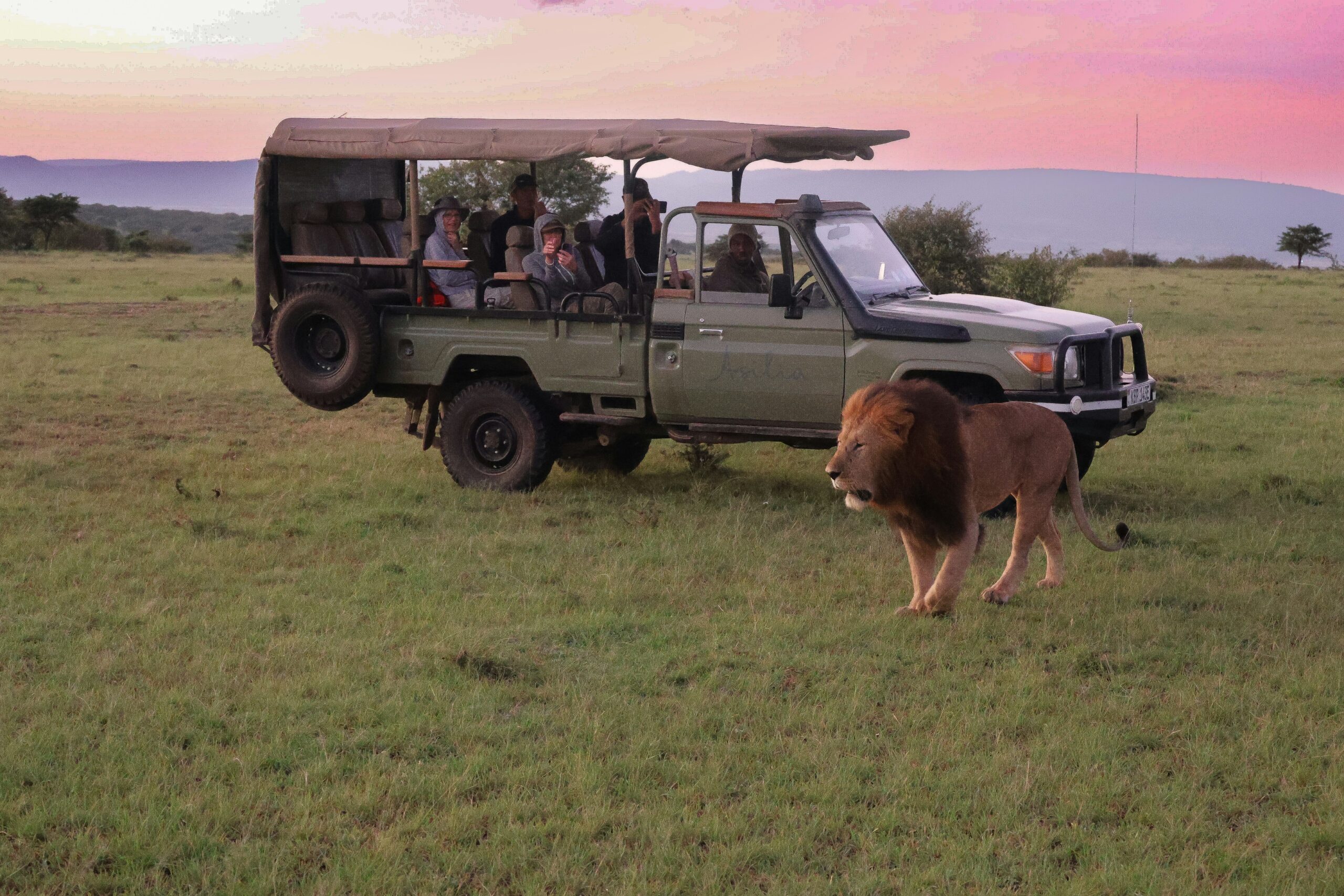
ADHD Safari Uganda: Nature Benefits for Focus
Modern life places constant pressure on attention, concentration, and mental balance. Endless notifications, crowded environments, screen exposure, and demanding schedules make it difficult for many people to slow down and focus clearly. For travelers living with attention challenges, burnout, stress, or mental fatigue, spending time in nature can create meaningful relief and renewed clarity. An ADHD Safari Uganda experience combines wildlife encounters, natural environments, physical activity, and peaceful travel rhythms that support relaxation and improved focus.
Uganda offers one of Africa’s most immersive safari destinations for travelers seeking both adventure and mental restoration. The country’s landscapes range from vast savannah plains and tropical rainforests to crater lakes, wetlands, and mountain ecosystems. These natural environments encourage mindfulness, curiosity, movement, and sensory balance without the overstimulation of urban life.
Safari travel naturally changes the pace of daily routines. Early morning game drives replace busy schedules. River cruises move slowly through wildlife habitats. Forest walks encourage presence and observation. Gorilla trekking requires concentration and patience. These experiences create mental space that many travelers find calming and refreshing.
For individuals exploring wellness-focused travel, an ADHD Safari Uganda journey provides opportunities to reconnect with nature while experiencing some of Africa’s most extraordinary wildlife destinations. Through carefully designed safari experiences, Murchison Falls Park Safari helps travelers discover Uganda in ways that promote comfort, exploration, and meaningful engagement with the natural world.
Why Nature Travel Supports Focus and Mental Clarity
Scientific research increasingly shows that time spent in natural environments can improve attention, reduce stress, and support emotional wellness. Nature exposure often helps the brain recover from constant stimulation by encouraging calm observation and reduced mental overload.
Uganda’s wilderness areas provide ideal conditions for this type of restorative travel experience. Instead of traffic noise, travelers hear birds, flowing rivers, insects, and distant wildlife sounds. Instead of crowded city environments, safari landscapes offer open spaces, fresh air, and slower rhythms.
An ADHD Safari Uganda experience encourages active engagement with surroundings. Travelers observe animal behavior, follow wildlife movements, listen carefully to guides, and notice environmental details. These experiences naturally direct attention toward the present moment.
Physical movement also plays an important role. Safari travel includes walking, hiking, boat excursions, and outdoor exploration. These activities support healthy energy release while helping travelers remain mentally engaged throughout the journey.
Nature-based travel differs from traditional vacations centered around nightlife or heavy entertainment. Safari experiences reduce unnecessary distractions and encourage mental decompression. Many travelers report feeling calmer, more focused, and emotionally refreshed after extended time in natural environments.
Murchison Falls National Park and the Power of Natural Focus
Among Uganda’s top safari destinations, Murchison Falls National Park offers one of the best environments for nature-based mental restoration. The park combines dramatic landscapes, rich biodiversity, river ecosystems, and open wilderness areas that create a calming yet stimulating safari experience.
The park’s game drives encourage focused observation. Travelers scan the savannah for elephants, giraffes, buffaloes, lions, antelopes, and leopards while learning about animal behavior from experienced guides. Wildlife tracking naturally encourages concentration and patience.
Boat safaris along the Nile River provide a slower and deeply calming safari activity. The gentle pace of the cruise allows travelers to observe hippos, crocodiles, elephants, and birds without pressure or overstimulation. Water environments often create a relaxing sensory experience that supports emotional balance and mental clarity.
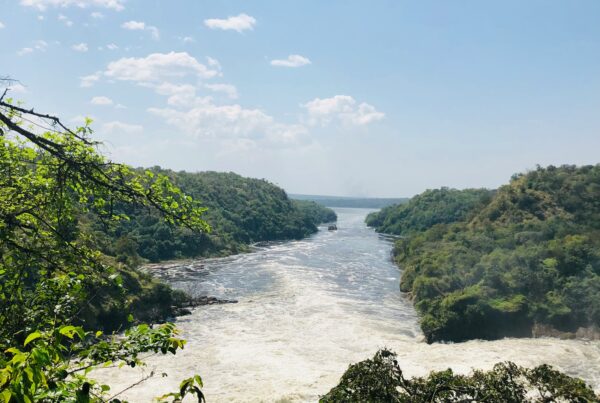
Murchison Falls itself creates a powerful visual and sensory experience. Watching the Nile force through a narrow gorge before crashing into the river below captures attention completely. The combination of sound, movement, and scenery often creates moments of deep focus and immersion.
Evenings inside the park further support relaxation. Many lodges overlook the Nile River or surrounding wilderness, allowing guests to disconnect from screens and daily distractions. Campfires, wildlife sounds, and quiet surroundings create natural opportunities for rest and reflection.
Gorilla trekking in Uganda offers one of the most immersive wildlife experiences in Africa. For travelers seeking focus, mindfulness, and sensory engagement, trekking through Bwindi Impenetrable National Park creates a uniquely rewarding journey.
The trek itself requires attention and presence. Travelers follow guides through dense rainforest while observing trails, listening to forest sounds, and navigating changing terrain. The physical movement combined with natural surroundings helps redirect attention away from digital distractions and mental overload.
The moment visitors encounter mountain gorillas often becomes emotionally powerful and mentally grounding. Watching gorillas interact quietly within their natural habitat encourages calm observation and emotional connection with nature.
Unlike fast-paced tourism experiences, gorilla trekking demands patience and stillness. Travelers spend time fully engaged in the present environment without multitasking or constant stimulation. Many visitors describe the experience as deeply calming and mentally refreshing.
Bwindi’s cool forest atmosphere also contributes to emotional relaxation. Mist-covered hills, bird calls, ancient trees, and peaceful trails create one of East Africa’s most tranquil safari settings.
An ADHD Safari Uganda itinerary that includes gorilla trekking allows travelers to combine adventure, physical activity, and mindfulness within one unforgettable experience.
One of the strongest benefits of safari travel involves active observation. Wildlife experiences naturally encourage curiosity and focused attention because animal behavior constantly changes. Travelers remain engaged while searching for wildlife movements, identifying bird species, and observing interactions between animals.
This type of attention differs from the overstimulation associated with digital environments. Safari observation feels slower, calmer, and more intentional. Travelers focus on one environment rather than switching rapidly between multiple distractions.
Birdwatching particularly supports sustained attention and sensory awareness. Uganda hosts more than 1,000 bird species, making it one of Africa’s leading birding destinations. Searching for rare birds in forests, wetlands, and savannah landscapes encourages patience and concentration.
Photography also helps travelers remain mentally present during safaris. Capturing wildlife moments requires observation, timing, and creative focus. Many travelers find nature photography relaxing because it encourages attention without pressure.
An ADHD Safari Uganda experience therefore combines exploration with mental engagement in ways that feel enjoyable rather than overwhelming.
Queen Elizabeth National Park and Sensory Balance
Queen Elizabeth National Park provides another excellent destination for wellness-focused safari travel in Uganda. The park combines wildlife viewing with scenic diversity, peaceful landscapes, and slower-paced safari activities.
Game drives through Kasenyi Plains offer opportunities to see elephants, buffaloes, lions, Uganda kobs, and hyenas in wide-open landscapes. The scenery feels spacious and calming compared to busy urban environments.
The Kazinga Channel boat safari creates one of the park’s most relaxing experiences. Boats move slowly between Lake George and Lake Edward while travelers observe hippos, crocodiles, elephants, and waterbirds along the shoreline. The combination of water, wildlife, and gentle movement creates strong sensory calmness.
The Ishasha sector’s famous tree-climbing lions add excitement and curiosity to safari exploration. Travelers remain engaged while searching for lions resting in giant fig trees, making the safari experience mentally stimulating in a positive and balanced way.
Lodges across Queen Elizabeth National Park often overlook crater lakes, savannah plains, or waterways. These peaceful settings support quiet evenings, better sleep, and reduced sensory overload.
One of the biggest challenges affecting focus today involves constant digital stimulation. Phones, social media, emails, and notifications place continuous demands on attention spans. Safari travel naturally limits these distractions and encourages healthier mental rhythms.
Many safari areas in Uganda have limited mobile signal coverage, especially within forests and remote national parks. While this may initially feel unfamiliar, many travelers later appreciate the opportunity to disconnect from digital pressure.
Without constant screen exposure, travelers become more engaged with their surroundings. Conversations feel more meaningful. Wildlife encounters receive full attention. Natural sounds replace background noise from devices and urban activity.
This reduction in digital overload often supports better concentration and emotional relaxation. Travelers return home feeling mentally lighter and more balanced after extended time in nature.
An ADHD Safari Uganda experience therefore becomes more than a wildlife holiday. It creates opportunities for mental reset and healthier attention habits through immersive outdoor travel.
Family-Friendly Safari Experiences for Neurodiverse Travelers
Uganda also works well for families traveling with children or teenagers who benefit from active outdoor experiences and sensory-friendly environments. Safaris naturally encourage movement, exploration, and learning through real-world experiences rather than classroom settings.
Children often remain highly engaged during game drives, boat safaris, and nature walks because wildlife constantly changes the environment around them. Seeing elephants cross a road or spotting giraffes in open grasslands captures attention naturally.
Private safaris allow flexible pacing that suits different travel needs. Families can adjust schedules, rest periods, and activity intensity depending on comfort levels and attention spans.
Guides also play an important role by keeping experiences interactive and educational. Wildlife stories, animal tracking, and cultural experiences create meaningful engagement throughout the safari journey.
Best Time for an ADHD Safari Uganda Experience
Uganda remains a year-round safari destination, though dry seasons usually provide the most comfortable wildlife viewing conditions. The main dry seasons occur from June to September and December to February.
These months offer easier road access, clearer wildlife viewing, and more comfortable trekking conditions. Gorilla trekking becomes less physically demanding during dry weather because trails remain less muddy.
Green seasons, however, also offer advantages for wellness-focused travel. Landscapes appear lush and vibrant, birdwatching improves, and safari areas feel quieter with fewer visitors.
Travelers seeking peaceful experiences may prefer shoulder seasons when parks remain less crowded and lodges offer quieter atmospheres.
Choosing Comfortable Safari Accommodation
Accommodation quality strongly influences the overall safari experience, especially for travelers seeking relaxation and sensory balance. Uganda offers excellent midrange and luxury safari lodges surrounded by peaceful natural environments.
In Murchison Falls National Park, many lodges overlook the Nile River or savannah landscapes. Bwindi lodges provide forest immersion and quiet mountain scenery. Queen Elizabeth National Park features crater lake lodges and scenic wilderness camps.
Well-designed safari lodges prioritize comfort, fresh air, natural surroundings, and spacious environments. Many properties include outdoor lounges, nature views, walking paths, and campfire areas that support emotional relaxation.
Choosing comfortable accommodations helps create a smoother and more restorative ADHD Safari Uganda journey.
Every traveler experiences nature differently, so personalized safari planning remains important. Some visitors prefer active itineraries with trekking and walking safaris, while others enjoy slower-paced river cruises and scenic relaxation.
Combining different safari environments often creates the most balanced experience. Savannah parks provide wildlife excitement, while rainforest regions offer calmness and mindfulness. Boat safaris add peaceful movement, and cultural visits create meaningful human connections.
Travelers should also allow enough time between destinations to avoid rushed schedules. Relaxed pacing improves enjoyment and supports the wellness benefits of safari travel.
Working with experienced safari specialists helps travelers create itineraries that balance adventure, comfort, and personal travel goals.
Conclusion
An ADHD Safari Uganda experience offers more than wildlife encounters. Uganda’s forests, rivers, mountains, and savannahs create environments where travelers reconnect with focus, calmness, curiosity, and emotional balance.
Whether watching elephants beside the Nile, trekking through Bwindi rainforest to meet mountain gorillas, cruising the Kazinga Channel, or relaxing at a wilderness lodge, travelers discover the mental benefits of slowing down and engaging fully with nature.
Uganda’s combination of biodiversity, peaceful landscapes, and authentic safari experiences makes it one of Africa’s most rewarding destinations for wellness-focused travel and nature-based relaxation.
To plan a personalized safari experience across Uganda’s leading wildlife destinations, visit Murchison falls park safari and explore journeys designed around comfort, adventure, and meaningful connection with nature.