Uganda is often described as the “Pearl of Africa,” not only because of its landscapes and wildlife, but also because of its rich cultural and spiritual identity. Understanding Uganda religion and beliefs is essential for any traveler who wants to go beyond wildlife viewing and engage meaningfully with the people who live around safari destinations such as Murchison Falls National Park. Religion in Uganda is not separate from daily life; it is woven into community values, traditions, decision-making, and hospitality.
For visitors, learning about religion and beliefs is not about memorizing doctrine or comparing faith systems. It is about understanding respect, behavior, and cultural awareness during interactions in towns, villages, lodges, and community tourism experiences. A safari in Uganda becomes far more enriching when travelers appreciate the spiritual and cultural context of the land they are exploring.
Understanding Uganda Religion and Beliefs in Everyday Life
The foundation of Uganda religion and beliefs is deeply rooted in a blend of Christianity, Islam, and traditional African belief systems. Christianity is the dominant religion, followed by Islam, while indigenous spiritual practices continue to influence cultural life, especially in rural communities.
Religion in Uganda is not confined to places of worship. It is visible in greetings, community gatherings, education, festivals, and even conservation attitudes near national parks. Many Ugandans identify strongly with their faith and often incorporate religious references into daily conversation and social behavior.
For visitors, this means that religion is not a distant concept but an active part of everyday interactions. Whether traveling through Kampala or remote safari regions like those surrounding Murchison Falls, religious identity often shapes how people dress, speak, and welcome guests.
Christianity and Its Influence on Ugandan Society
Christianity plays a central role in shaping Uganda culture and traditions, particularly in education, family life, and community organization. Catholicism and Anglicanism are the largest denominations, followed by Pentecostal and evangelical churches that have grown rapidly in recent decades.
Church attendance is common, especially on Sundays, and religious holidays such as Christmas and Easter are widely celebrated across the country. During these periods, even safari regions experience a strong sense of cultural activity as families travel, gather, and celebrate together.
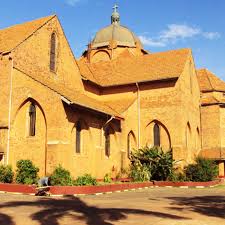
For visitors on safari, it is common to notice churches in almost every town and village near national parks. These institutions often serve not only as religious centers but also as community meeting points and support systems.
Understanding this influence helps travelers appreciate why certain behaviors, such as respectful dressing and polite communication, are emphasized in Ugandan society.
Islam in Uganda and Cultural Diversity
Islam is another important part of Uganda religion and beliefs, especially in regions such as eastern Uganda and parts of Kampala. Mosques are present in most towns, and Islamic traditions contribute significantly to Uganda’s cultural diversity.
Muslim communities follow daily prayer practices and observe important religious events such as Ramadan and Eid celebrations. During these times, travelers may notice changes in daily routines, especially in local markets and food services.
Uganda’s religious diversity is generally peaceful, with communities coexisting across different faiths. This harmony is reflected in social life, where interfaith families and friendships are common.
For safari visitors, this diversity is important to understand because it explains the variety of cultural expressions encountered during travel, from dress styles to food preferences and community etiquette.
Traditional Beliefs and Indigenous Spiritual Practices
Beyond Christianity and Islam, traditional beliefs remain an important part of Uganda religion and beliefs, particularly in rural and ethnic communities. These belief systems often focus on ancestors, spirits, nature, and community harmony.
In many Ugandan cultures, ancestors are believed to play a role in guiding and protecting families. Rituals may be performed during important life events such as births, marriages, and funerals. In some communities, traditional healers still play a role in health and spiritual well-being.
Around safari regions such as Murchison Falls, traditional beliefs are often intertwined with environmental respect. Rivers, forests, and animals may hold spiritual significance in certain cultural narratives. This contributes to a deep sense of connection between communities and natural landscapes.
For travelers, it is important to approach these beliefs with respect and curiosity rather than judgment. Even when not fully understood, they form an important part of Uganda’s cultural identity.
Uganda Safari Etiquette and Religious Sensitivity
Understanding Uganda safari etiquette is closely connected to religious awareness. Visitors are not expected to participate in religious practices, but respectful behavior is important when encountering places of worship or community rituals.
Modest dressing is widely appreciated, especially in rural areas and near religious sites. Loud behavior, disruptive photography, or disrespectful gestures near churches, mosques, or cultural ceremonies should be avoided.
When visiting communities near Murchison Falls or other safari parks, greetings are important. A polite introduction and respectful tone go a long way in building positive interactions. In many cases, local guides will help visitors navigate appropriate behavior during cultural encounters.
Religion also influences daily routines, so travelers should be aware that some services may slow down during prayer times or religious holidays.
Murchison Falls Culture and Community Life
The communities surrounding Murchison Falls National Park reflect a strong mix of Uganda religion and beliefs combined with traditional livelihoods such as farming, fishing, and small-scale trade. Religion is often integrated into these activities, with prayers or blessings accompanying community gatherings and events.
Local churches and mosques serve as social centers where people connect, share news, and organize community support systems. This creates a strong sense of belonging that visitors can observe during cultural experiences.
For travelers on safari, this cultural environment adds depth to the wildlife experience. Murchison Falls is not just about the Nile River and wildlife; it is also about the people who live alongside this ecosystem and the beliefs that shape their relationship with the land.
Cultural Interaction During Uganda Safaris
When engaging with local communities during safari experiences, understanding Uganda culture and traditions enhances the quality of interaction. Visitors may be invited to local performances, craft markets, or village walks where cultural expression is shared through music, dance, and storytelling.
Religious influences are often present in these experiences. Songs and dances may include spiritual themes, and community storytelling may reference faith or ancestral wisdom.
Respectful participation is key. Visitors should observe first, ask permission before taking photographs, and follow guidance from local hosts or guides. This creates a positive exchange where both visitors and communities benefit from cultural tourism.
Religion and Conservation Around Safari Parks
An interesting aspect of Uganda religion and beliefs is its indirect connection to conservation. Many communities near national parks view nature as a shared heritage that should be respected and protected.
Religious teachings often emphasize stewardship, responsibility, and respect for creation. These values align with conservation efforts in parks such as Murchison Falls, where wildlife protection and community involvement are closely linked.
Community tourism projects often involve religious and cultural leaders who help promote conservation awareness. This collaboration strengthens the relationship between tourism and local livelihoods.
For visitors, this means that safari experiences are not isolated from community life but are part of a broader system where culture, belief, and conservation interact.
Respectful Travel Behavior in Uganda
Respectful travel in Uganda is closely tied to understanding Uganda religion and beliefs. Travelers are not required to adopt local customs but are expected to show awareness and consideration.
Simple actions such as dressing modestly, greeting locals politely, and avoiding insensitive comments about religion go a long way in creating positive experiences. Uganda is known for its hospitality, and respectful visitors are often warmly welcomed.
Photography near religious sites or ceremonies should always be done with permission. Some communities may prefer not to be photographed during sacred or private moments.
These practices ensure that tourism remains respectful and sustainable while allowing meaningful cultural exchange.
Interlinking Safari Experiences with Cultural Understanding
A deeper understanding of religion enhances every safari experience in Uganda. When planning a trip to Murchison Falls National Park, visitors can combine wildlife viewing with cultural experiences that reflect Uganda religion and beliefs.
Game drives, boat cruises on the Nile, and nature walks become more meaningful when travelers also engage with nearby communities. Cultural tours, village visits, and craft experiences offer insight into how faith and tradition influence daily life.
Travelers can explore related safari experiences through www.murchisonfallsparksafari.com
, including wildlife safaris in Murchison Falls, Nile boat cruises, birding tours, and cultural community visits that bring together nature and heritage.
Why Understanding Religion Enhances Your Safari Experience
Traveling through Uganda without understanding its religious and cultural landscape is like observing wildlife without understanding their ecosystem. Religion shapes behavior, values, and community structure, all of which influence the safari experience.
By understanding Uganda religion and beliefs, travelers gain a deeper appreciation of the country’s identity. It becomes easier to interpret local customs, engage respectfully with communities, and build meaningful connections during travel.
This awareness also reduces cultural misunderstandings and enhances the overall quality of interaction throughout the journey.
Final Thoughts on Uganda Religion and Beliefs
Uganda is a country where faith, tradition, and daily life are closely connected. The Uganda religion and beliefs system is diverse yet harmonious, shaping how communities live, interact, and relate to nature.
For visitors, understanding this cultural foundation transforms a safari from a simple wildlife trip into a richer human experience. It allows travelers to move beyond observation and engage with Uganda as a living cultural landscape where people, wildlife, and belief systems coexist.
Whether exploring the savannahs of Murchison Falls, traveling through rural villages, or interacting with local guides, respect for religion and culture remains an essential part of responsible tourism in Uganda.