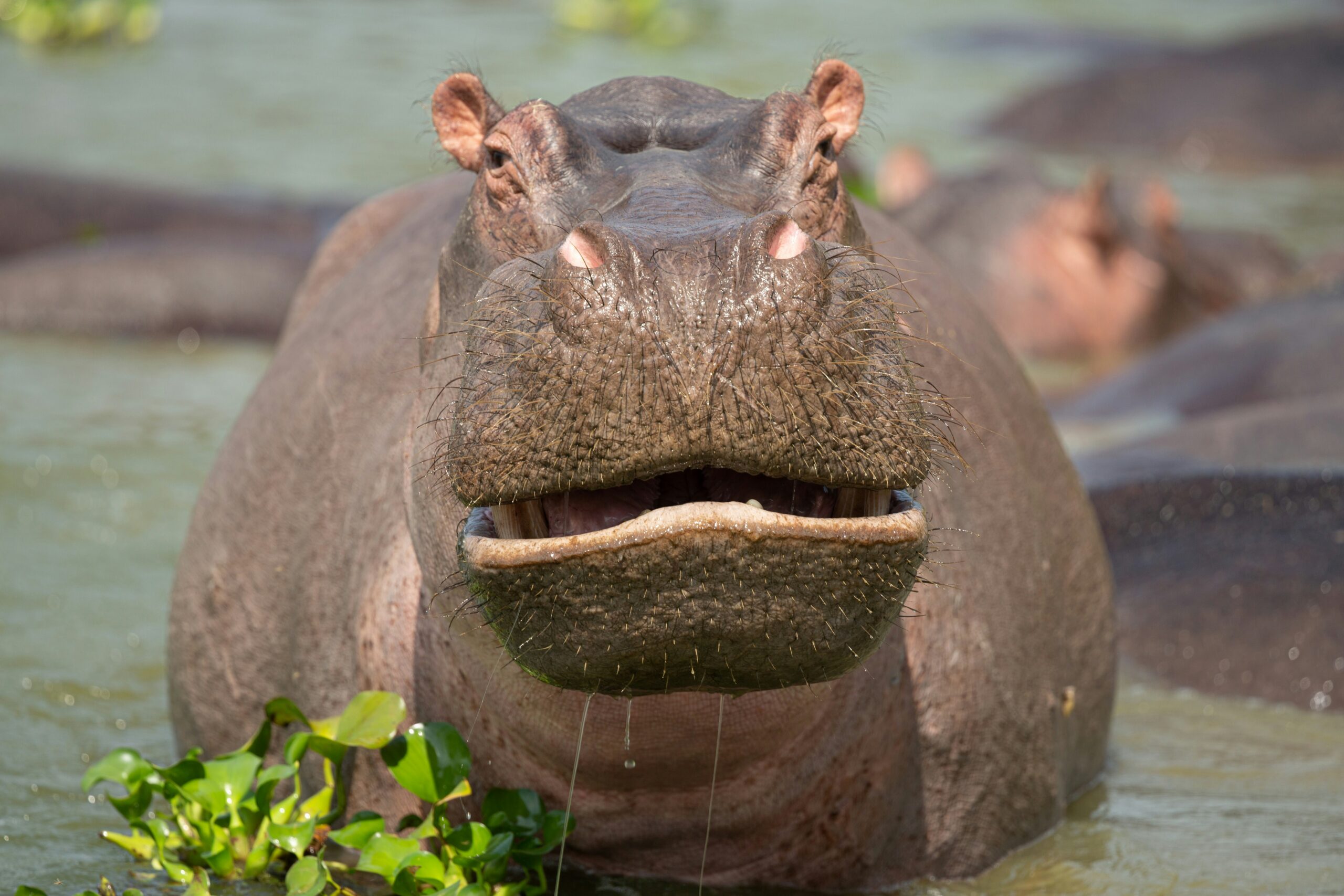
Animals That Attack on Safari: What to Know Before Visiting Uganda
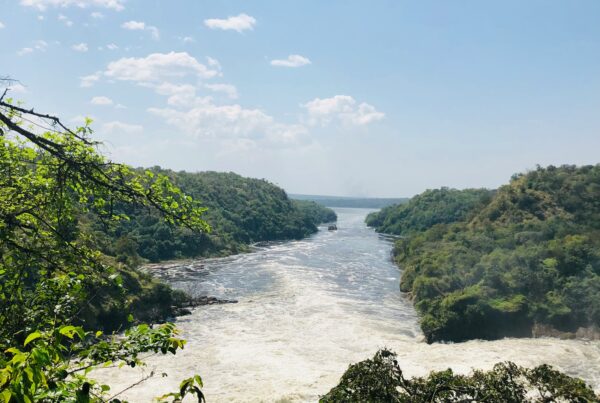
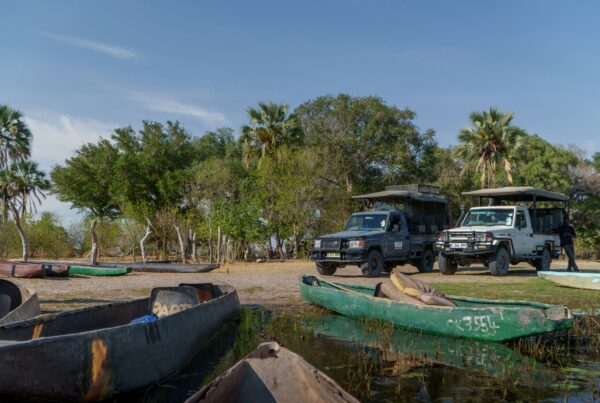
A safari in Uganda is one of Africa’s most exciting travel experiences, offering close encounters with elephants, lions, giraffes, buffaloes, hippos, crocodiles, and countless other wildlife species in their natural habitat. Destinations like Murchison Falls National Park provide breathtaking game drives, Nile River boat cruises, walking safaris, and birdwatching adventures that attract travelers from around the world. While these experiences are generally safe when guided by professionals, many visitors naturally wonder about animals that attack safari travelers and how dangerous wildlife encounters actually are.
Wild animals are unpredictable by nature, and safaris take place in environments where humans are visitors rather than controllers of the landscape. Understanding animal behavior, respecting safety rules, and listening to experienced guides are the most important factors in avoiding dangerous situations. Contrary to popular myths, wildlife attacks on safari are extremely rare, especially during organized tours operated by licensed safari companies.
Most incidents occur when travelers ignore safety instructions, approach animals too closely, leave vehicles in restricted areas, or underestimate the speed and strength of wildlife. Learning about the animals most associated with safari attacks helps travelers understand risk realistically without unnecessary fear. A safari should feel exciting and adventurous, but also safe, informed, and responsibly managed.
Understanding Wildlife Behavior on Safari
The first step in understanding animals that attack safari travelers is recognizing that wild animals do not normally hunt humans during safaris. Most wildlife attacks occur because animals feel threatened, startled, cornered, or protective of their young.
Animals in Uganda’s national parks are accustomed to safari vehicles and generally ignore them when visitors remain calm and follow guide instructions. Wildlife reacts differently to people on foot compared to people inside vehicles. Safari vehicles appear as large, neutral objects, while individuals walking independently may be perceived as threats.
Professional guides spend years learning animal behavior patterns, warning signs, and safety distances. Their experience allows them to interpret movements, sounds, and body language that tourists may not notice.
Respecting wildlife space is the foundation of Uganda safari safety. Animals should never be provoked, chased, fed, or approached without authorization from guides or rangers.
Hippos: Africa’s Most Dangerous Large Animal
 One of the most surprising facts for many travelers is that hippos are responsible for more human deaths in Africa than lions. Discussions about dangerous safari animals Africa often focus on predators, but hippos are highly territorial and extremely aggressive when threatened.
Hippos spend most of the day in water and become more active at night when they graze on land. They can run surprisingly fast despite their massive size and are especially dangerous when blocking access between water and grazing areas.
During Nile boat cruises in Murchison Falls National Park, hippos are commonly observed resting peacefully in groups. These encounters are safe because experienced boat captains maintain appropriate distances and understand hippo behavior.
Most hippo attacks safari incidents occur when people unknowingly walk too close to hippos on land or disturb them near water channels. Travelers should never walk near rivers or lakes without guide supervision in wildlife areas.
Buffaloes and Unpredictable Aggression
African buffaloes are among the most respected and unpredictable animals in safari regions. Although they appear calm while grazing, buffaloes can become highly aggressive when injured, startled, or separated from the herd.
Buffaloes are particularly dangerous because they may charge suddenly with little warning. Unlike some predators that retreat when threatened, buffaloes are known for defending themselves aggressively.
During game drives in Murchison Falls National Park, buffaloes are frequently seen in large herds across the savannah. Safari vehicles provide safe observation opportunities, and guides carefully monitor animal reactions to vehicle positioning.
Travelers should avoid underestimating buffaloes simply because they are herbivores. Many experienced rangers consider buffaloes among the most dangerous safari animals in Africa.
Elephant Behavior and Safety on Safari
Elephants are among the highlights of Uganda safaris, admired for their intelligence, family structure, and enormous size. However, understanding elephant behavior safari safety is essential because elephants can become dangerous if they feel threatened.
Elephants communicate through body language, vocal sounds, and movement patterns. Warning signs may include ear spreading, trunk swinging, mock charges, or loud trumpeting. Guides are trained to recognize these signals and reposition vehicles if necessary.
Female elephants are especially protective of calves, while solitary bulls may become aggressive during mating periods known as musth. During musth, male elephants experience hormonal surges that increase territorial behavior.
In Murchison Falls National Park, elephants are commonly observed during game drives and near water sources along the Nile. Safe viewing depends entirely on maintaining respectful distances and avoiding sudden movements or loud noises.
Lions and Predator Misconceptions
Many travelers associate safari danger primarily with lions, but lion safety safari realities are often misunderstood. Lions are predators, yet attacks on safari tourists are extremely uncommon when professional safety procedures are followed.
Lions in safari parks are accustomed to vehicles and usually show little interest in tourists observing them from inside properly positioned safari cars. Problems occur mainly when people exit vehicles in unsafe areas or attempt risky photography.
Walking safaris conducted by armed rangers involve strict safety protocols designed to avoid dangerous predator encounters. Rangers monitor wind direction, animal tracks, and environmental conditions continuously during these experiences.
Lion encounters are among the most thrilling safari moments, but they are generally calm and controlled under professional guidance.
Crocodiles Along Uganda’s Rivers
The Nile River in Murchison Falls National Park supports large populations of Nile crocodiles, one of Africa’s most powerful reptiles. Crocodiles are ambush predators capable of sudden attacks near water edges.
Boat safaris allow visitors to observe crocodiles safely from secure distances. However, travelers should never approach riverbanks carelessly in wildlife areas.
Most crocodile incidents happen when individuals swim, collect water, or stand too close to river edges without awareness of their surroundings.
Professional guides understand crocodile habitats and ensure safe movement during riverside activities.
Leopards and Elusive Wildlife Behavior
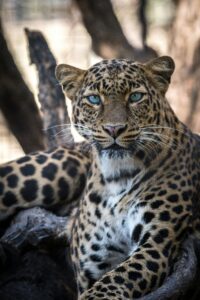 Leopards are among the most elusive predators in Uganda. Although they are powerful hunters, leopard attacks on safari tourists are extremely rare because leopards naturally avoid humans whenever possible.
Leopard sightings in Murchison Falls usually occur during early morning or evening game drives when the animals are more active. Guides maintain safe observation distances while minimizing disturbance to the animal.
Because leopards are solitary and cautious, they generally retreat rather than confront safari vehicles.
Snake Encounters During Safari Travel
Snakes are often feared by safari travelers, but actual snakebite incidents are rare during organized tours. Uganda has both venomous and non-venomous snake species, many of which avoid human activity.
Most snake encounters occur during walking safaris, nature walks, or around lodge gardens in natural environments. Wearing proper footwear and following ranger instructions significantly reduces risk.
Travelers should never attempt to touch, photograph closely, or disturb snakes encountered during safari activities.
Why Safari Attacks Are Rare
Although discussions about animals that attack safari travelers attract attention, serious wildlife attacks remain extremely uncommon during professional safaris.
Several factors contribute to safari safety in Uganda. National parks are managed by experienced wildlife authorities, safari guides receive professional training, and lodges follow strict operational safety standards.
Vehicles are specifically designed for wildlife viewing, guides understand animal behavior, and tourists receive safety briefings before activities begin.
Most safari accidents involve preventable human mistakes rather than unprovoked wildlife aggression.
Safari Safety Rules Uganda Visitors Should Follow
Following safari safety rules Uganda operators provide is the single most important factor in avoiding dangerous situations.
Travelers should always remain inside safari vehicles unless instructed otherwise by guides. Loud noises, sudden movements, or attempts to attract animal attention should be avoided.
Walking independently in wildlife areas is dangerous and strictly prohibited in most parks without ranger supervision. Visitors should also avoid feeding animals or leaving food exposed near camps and lodges.
Respect for wildlife space is essential at all times.
Murchison Falls Safari Safety and Guided Experiences
The strong reputation of Murchison Falls safari safety comes from professional guiding standards and structured tourism management. Game drives, boat safaris, and walking experiences are conducted by trained professionals familiar with the park’s wildlife behavior patterns.
Travelers booking through Murchison falls park safari benefit from experienced local guides who prioritize safety while creating memorable wildlife encounters.
Guided safaris allow visitors to enjoy thrilling animal sightings without unnecessary risk.
Psychological Fear Versus Real Safari Risk
Movies and media often exaggerate safari danger, creating unrealistic fears about African wildlife. In reality, organized safaris are among the safest forms of adventure tourism when conducted responsibly.
Understanding wildlife behavior replaces fear with respect and awareness. Animals are not actively hunting safari tourists, and attacks are not normal safari experiences.
Most visitors complete Uganda safaris with unforgettable memories, incredible photographs, and a deeper appreciation for conservation and wildlife ecosystems.
Conservation and Respect for Wildlife
Responsible safari tourism depends on balancing excitement with conservation ethics. Respecting animal space, following regulations, and supporting licensed operators contribute to safer experiences for both humans and wildlife.
Uganda’s national parks protect ecosystems where animals behave naturally rather than performing for tourists. This authenticity is part of what makes safaris so extraordinary.
Travelers who understand wildlife behavior often enjoy richer, more meaningful safari experiences.
Exploring Uganda Safaris Safely
Uganda offers exceptional safari opportunities across Murchison Falls National Park, Queen Elizabeth National Park, Kibale Forest, and Bwindi Impenetrable National Park. Visitors can enjoy game drives, birdwatching, cultural tours, boat cruises, and trekking experiences safely through professional safari planning.
Travelers exploring Murchison falls national park can discover carefully guided itineraries designed to combine adventure, wildlife encounters, and safety throughout the safari experience.
With the right preparation and responsible guiding, Uganda safaris remain both thrilling and remarkably safe.
Final Thoughts on Animals That Attack Safari Travelers
Understanding animals that attack safari travelers is not about creating fear but about promoting awareness and respect for wildlife behavior. Hippos, buffaloes, elephants, crocodiles, and predators all deserve caution because they are powerful wild animals living in natural ecosystems.
However, serious safari attacks are rare when visitors follow professional guidance and respect park regulations. Uganda’s safari industry prioritizes traveler safety through experienced guides, structured activities, and strong wildlife management systems.
A safari in Murchison Falls National Park should feel adventurous, immersive, and exciting while remaining safe and professionally organized. Responsible behavior and proper preparation allow travelers to experience Uganda’s incredible wildlife with confidence and peace of mind.