Uganda Wildlife Authority: How It Protects Parks
The Uganda Wildlife Authority plays a central role in safeguarding Uganda’s national parks, wildlife reserves, and conservation areas. As the government agency responsible for wildlife protection and park management, the Uganda Wildlife Authority ensures that Uganda’s rich biodiversity remains protected while still allowing sustainable tourism to thrive.
In 2026, the importance of the Uganda Wildlife Authority has become even more significant due to increasing tourism demand, climate pressures, and the need for stronger conservation systems. From Murchison Falls National Park to Bwindi Impenetrable Forest and Queen Elizabeth National Park, UWA operates as the backbone of Uganda’s conservation success story.
This guide explains how the Uganda Wildlife Authority protects parks, manages wildlife populations, combats poaching, and supports tourism development across the country.
The Role of Uganda Wildlife Authority in Conservation
The Uganda Wildlife Authority is mandated to conserve, manage, and regulate Uganda’s wildlife resources inside and outside protected areas. Its primary mission focuses on ensuring that wildlife and ecosystems are preserved for present and future generations while supporting national development through tourism.
The authority manages national parks, wildlife reserves, and community conservation areas. It also regulates tourism activities such as gorilla trekking, game drives, bird watching, and research expeditions.
In practical terms, the Uganda Wildlife Authority acts as both a protector and a regulator. It ensures that human activities inside protected areas do not harm wildlife populations or degrade natural habitats.
Within iconic destinations like Murchison Falls National Park, UWA’s presence is visible through ranger patrols, visitor monitoring systems, conservation checkpoints, and ecological research programs.
How Uganda Wildlife Authority Manages National Parks
Uganda’s national parks are vast and ecologically diverse, requiring structured management systems. The Uganda Wildlife Authority divides parks into management zones, each with specific conservation and tourism priorities.
These zones include strict conservation areas where human activity is limited, tourism zones where visitors can explore wildlife safely, and buffer zones that reduce human-wildlife conflict.
Park management involves continuous monitoring of wildlife populations, maintaining infrastructure such as roads and visitor centers, and ensuring that tourism activities follow conservation guidelines.
In Murchison Falls National Park, for example, UWA manages both the savannah ecosystem north of the Nile and the riverine habitats along the Victoria Nile, ensuring balance between tourism and conservation.
Anti-Poaching Efforts and Wildlife Protection
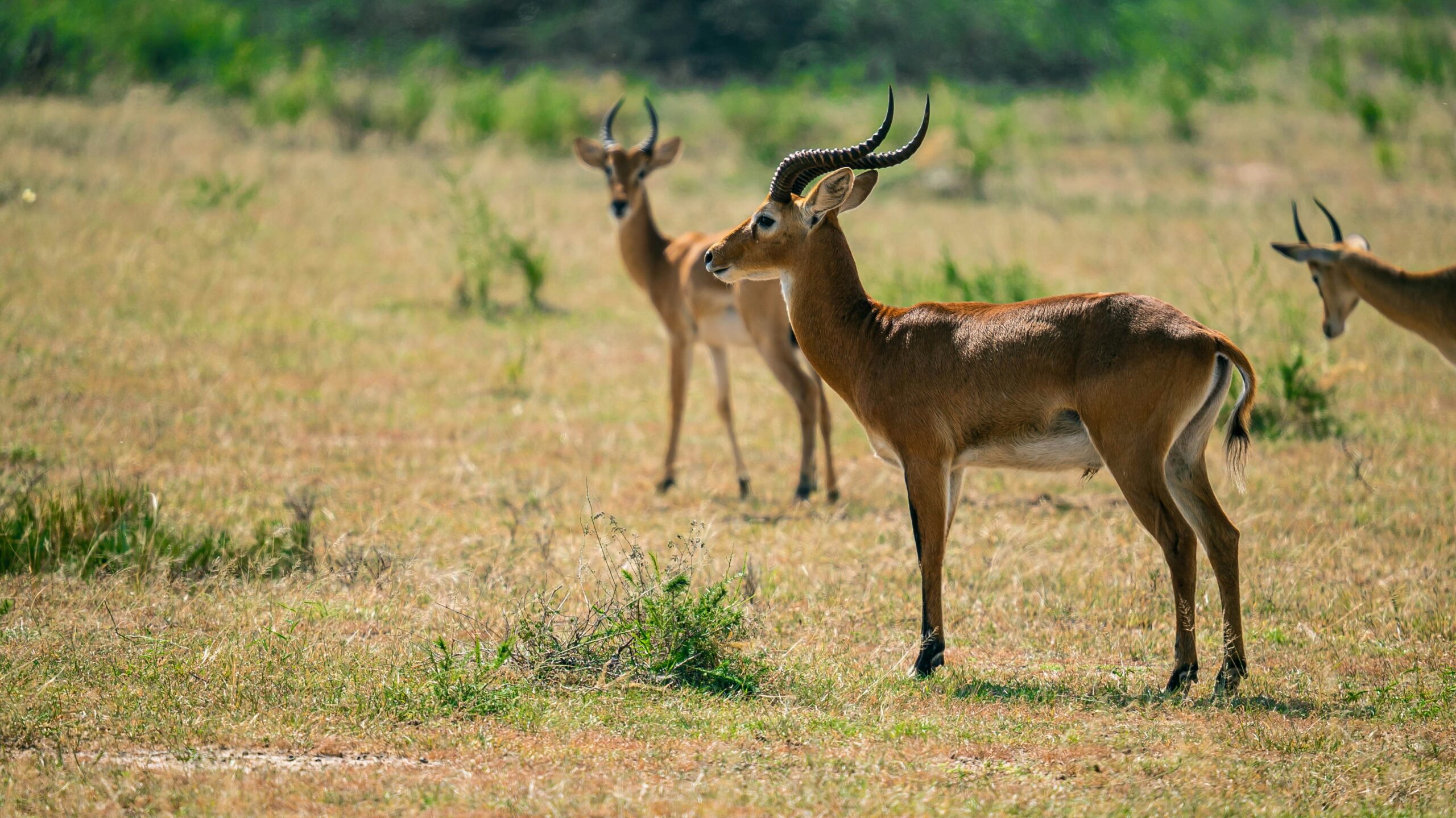
One of the most critical functions of the Uganda Wildlife Authority is anti-poaching enforcement. Poaching remains a threat to wildlife populations, especially elephants, antelopes, and endangered species.
UWA deploys well-trained ranger teams across all national parks to conduct daily patrols. These rangers use both traditional tracking methods and modern technologies such as GPS systems, drones, and intelligence networks to detect and prevent illegal activities.
Community intelligence also plays a major role in anti-poaching success. Local communities living near parks are encouraged to report suspicious activities, creating a collaborative conservation system.
In Murchison Falls, anti-poaching units focus heavily on protecting elephant corridors and monitoring river ecosystems where illegal fishing and wildlife disturbances can occur.
Wildlife Monitoring and Research Programs
The Uganda Wildlife Authority invests significantly in wildlife research and ecological monitoring. These programs help track animal populations, migration patterns, breeding success rates, and habitat health.
Regular wildlife censuses are conducted to estimate populations of lions, elephants, giraffes, and other key species. This data is used to inform conservation policies and tourism management strategies.
Research partnerships with international conservation organizations and universities also strengthen Uganda’s wildlife protection systems.
In Murchison Falls National Park, long-term monitoring of lion populations and giraffe movements has helped shape conservation decisions that balance tourism with ecological sustainability.
Community Conservation and Human-Wildlife Conflict Management
The Uganda Wildlife Authority recognizes that conservation cannot succeed without community involvement. Many communities live near protected areas, and human-wildlife conflict remains an ongoing challenge.
To address this, UWA implements community conservation programs that support education, healthcare, and alternative livelihoods. These programs reduce pressure on natural resources and create positive relationships between parks and surrounding communities.
UWA also responds to human-wildlife conflict incidents, such as crop raiding by elephants or livestock predation by carnivores. Compensation mechanisms and preventive measures like electric fencing and buffer zones help reduce these conflicts.
Around Murchison Falls, community outreach programs have improved coexistence between wildlife and farming communities, particularly in areas bordering the Nile corridor.
Tourism Regulation and Sustainable Safari Management
Tourism is one of the biggest contributors to Uganda’s conservation funding, and the Uganda Wildlife Authority regulates all tourism activities inside national parks.
UWA issues permits for gorilla trekking, chimpanzee tracking, and park entry. These permits directly fund conservation activities, including ranger salaries, habitat protection, and wildlife research.
Strict guidelines govern tourism behavior. Visitors must follow designated routes, respect wildlife viewing distances, and avoid disturbing animals.
The authority also regulates the number of visitors allowed in sensitive areas to prevent overcrowding and environmental stress.
In Murchison Falls National Park, UWA ensures that boat safaris along the Nile and game drives across the savannah operate under controlled conditions that protect wildlife while allowing sustainable tourism experiences.
Infrastructure Development and Park Maintenance
Maintaining Uganda’s national parks requires continuous infrastructure development. The Uganda Wildlife Authority is responsible for building and maintaining roads, bridges, ranger stations, and visitor facilities.
These infrastructure systems make parks accessible while minimizing environmental damage. Roads are carefully designed to avoid sensitive habitats, and construction follows strict environmental guidelines.
UWA also manages tourism reception centers where visitors receive briefing information about park rules, wildlife behavior, and safety procedures.
In Murchison Falls, infrastructure such as ferry crossings, viewing platforms, and ranger posts plays a critical role in supporting both tourism and conservation operations.
Wildlife Protection in Murchison Falls National Park
Murchison Falls National Park is one of Uganda’s most important conservation areas, and the Uganda Wildlife Authority plays a central role in protecting its ecosystem.
The park is home to over 76 mammal species and more than 450 bird species, making it one of the most biodiverse protected areas in East Africa.
UWA’s protection efforts focus on maintaining ecological balance between savannah wildlife and river ecosystems. Elephants, lions, buffaloes, giraffes, and hippos all depend on carefully managed habitats.
The iconic Murchison Falls itself is also protected as a geological and ecological feature, with strict regulations controlling tourism activity around the gorge and waterfall.
Collaboration with International Conservation Partners
The Uganda Wildlife Authority does not operate in isolation. It works closely with international conservation organizations, NGOs, and research institutions.
These partnerships provide funding, technical expertise, and conservation technology that enhance Uganda’s wildlife protection efforts.
Projects often focus on species recovery programs, habitat restoration, and anti-poaching innovations.
Global partnerships have been particularly important in protecting endangered species such as rhinos, chimpanzees, and mountain gorillas.
Challenges Facing Uganda Wildlife Authority
Despite its success, the Uganda Wildlife Authority faces ongoing challenges. Limited funding, climate change impacts, habitat encroachment, and illegal wildlife trade continue to threaten conservation efforts.
Rapid population growth around protected areas increases pressure on land resources, leading to deforestation and habitat fragmentation.
Climate variability also affects wildlife migration patterns and water availability in ecosystems such as Murchison Falls and Queen Elizabeth National Park.
UWA continues to adapt through policy reforms, technology adoption, and community engagement strategies.
The Importance of Responsible Tourism Support
Every visitor to Uganda’s national parks indirectly supports the Uganda Wildlife Authority’s conservation mission. Park entry fees, trekking permits, and tourism activities generate essential revenue for wildlife protection.
Responsible tourism behavior strengthens conservation success. When travelers follow park rules, choose ethical operators, and respect wildlife, they directly contribute to the effectiveness of UWA’s work.
Safari operators like Murchison Falls Park Safari play a key role in bridging visitors with conservation efforts by ensuring that tours align with UWA regulations and sustainability principles.
Conclusion
The Uganda Wildlife Authority stands at the heart of Uganda’s conservation success. Through strong park management, anti-poaching efforts, community engagement, and tourism regulation, UWA ensures that Uganda’s national parks remain protected and thriving.
From the savannahs of Murchison Falls to the forests of Bwindi, every protected area depends on the authority’s continuous work. As tourism continues to grow in 2026, the role of Uganda Wildlife Authority becomes even more critical in balancing conservation with sustainable development.
Travelers who visit Uganda are not just spectators; they become part of a larger conservation system that protects some of Africa’s most valuable ecosystems.