
Mountain Gorilla Trek: Physical Challenges Explained
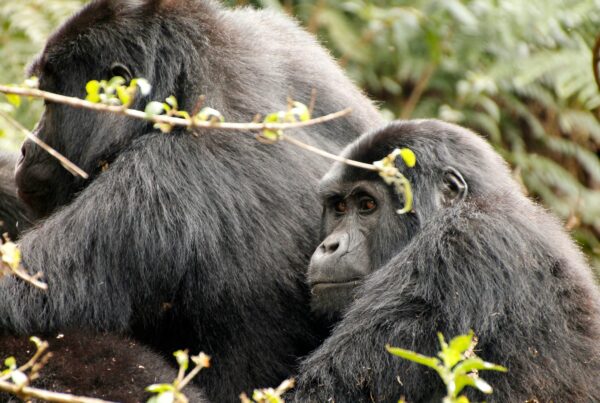
Few wildlife experiences compare to the thrill of standing a few meters away from a family of mountain gorillas in their natural habitat. Every year, thousands of travelers visit Uganda, Rwanda, and the Democratic Republic of Congo to participate in mountain gorilla trekking, one of Africa’s most extraordinary wildlife adventures. While the experience is often described as life-changing, many visitors wonder about the physical demands involved before booking their trip.
Understanding the physical challenges of a mountain gorilla trek helps travelers prepare properly and enjoy the experience without unnecessary stress. Although gorilla trekking does not require professional athletic ability, it does involve hiking through dense forests, navigating steep slopes, and adapting to changing weather conditions. Knowing what to expect can make the difference between a difficult trek and a rewarding adventure.
At Murchison Falls Park Safari, we frequently receive questions from travelers concerned about fitness levels, hiking difficulty, altitude, and trekking duration. This guide explains the physical challenges associated with mountain gorilla trekking, practical preparation tips, and how travelers of different fitness levels can successfully complete this unforgettable journey.
Understanding the Nature of Mountain Gorilla Trekking
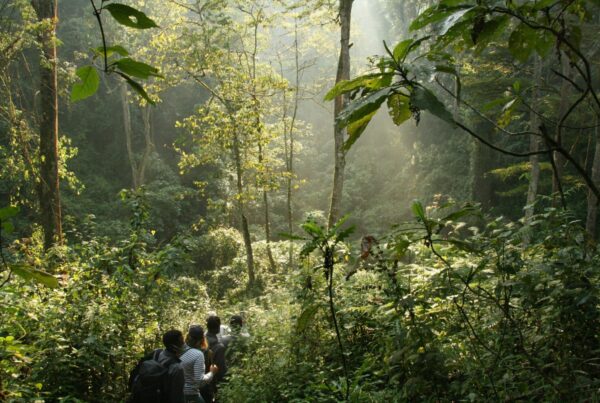
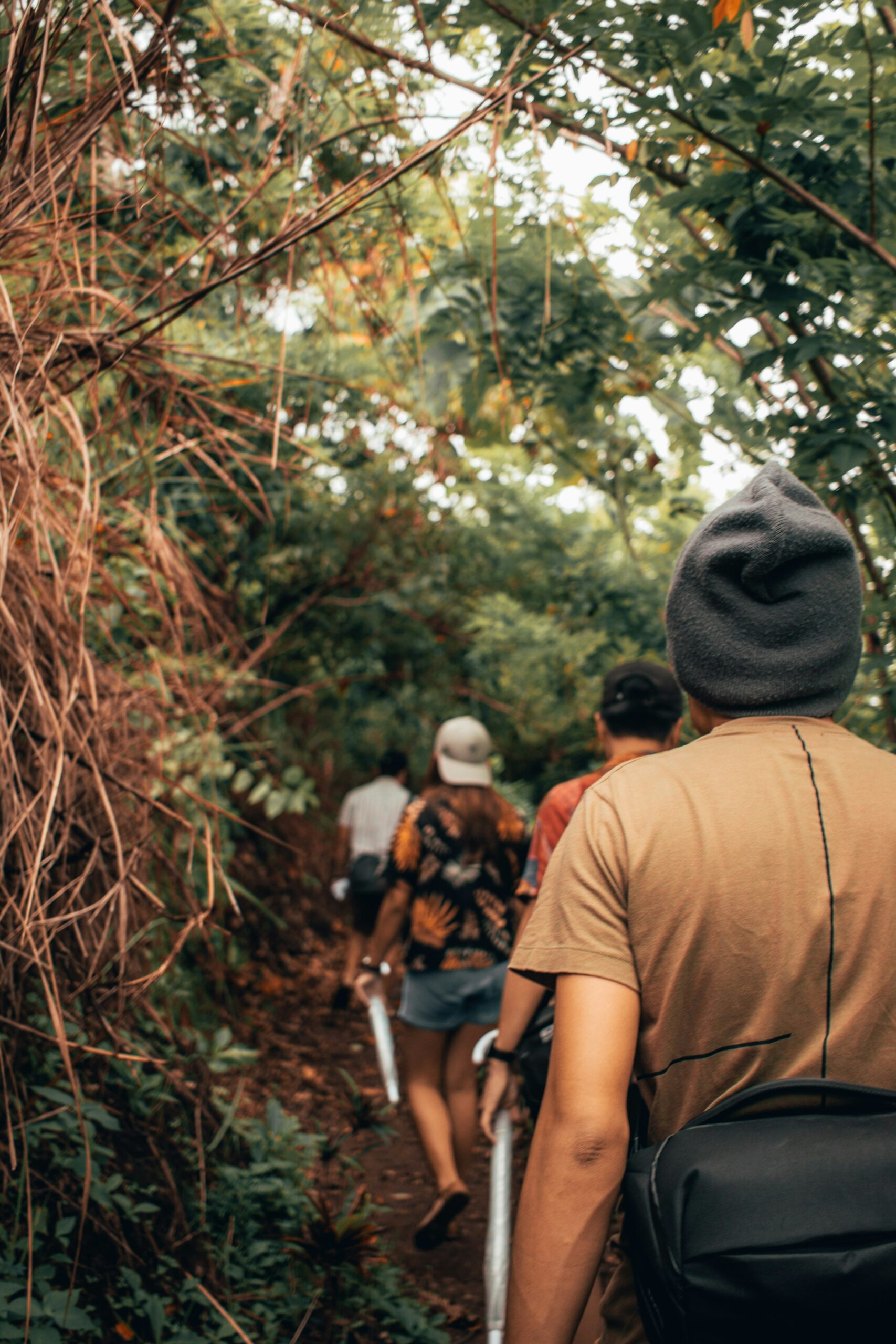
Unlike traditional walking safaris or game drives, mountain gorilla trekking takes place in dense tropical forests found in Uganda’s Bwindi Impenetrable National Park and Mgahinga Gorilla National Park. These protected habitats consist of rugged terrain, thick vegetation, muddy trails, and mountainous landscapes.
The challenge of a trek largely depends on the location of the gorilla family on the day of your visit. Gorilla groups move freely throughout their territories, meaning trackers locate them early in the morning before visitors begin hiking.
Some groups may be found within an hour of hiking, while others may require several hours of walking through difficult terrain. Since gorillas do not stay in fixed locations, no two treks are ever identical.
This unpredictability forms part of the excitement but also contributes to the physical demands of the experience.
The Challenge of Steep Mountain Terrain
One of the most significant physical challenges during a mountain gorilla trek is navigating steep mountain slopes.
Bwindi Impenetrable National Park lies within the Albertine Rift region and features elevations ranging from approximately 1,160 to 2,607 meters above sea level. Mgahinga Gorilla National Park sits on the slopes of the Virunga Volcanoes and presents even steeper hiking conditions in some areas.
Trekkers frequently encounter:
Sharp uphill climbs
Long descents
Uneven forest paths
Rocky sections
Narrow mountain trails
Ascending steep hills can increase heart rate and fatigue levels quickly, especially for individuals who are not accustomed to regular hiking.
Descending can also prove challenging because slippery trails often place significant strain on knees and leg muscles.
Many visitors find downhill sections more difficult than uphill climbs due to balance and stability requirements.
Dense Forest Vegetation and Trail Conditions
The forests that mountain gorillas call home are among the most biologically diverse ecosystems in Africa.
The same dense vegetation that creates a spectacular gorilla habitat can make trekking physically demanding.
During a typical gorilla trekking safari, visitors may walk through:
Thick undergrowth
Tangled vines
Bamboo forests
Fern-covered slopes
Dense rainforest vegetation
In many cases, guides and rangers use machetes to clear paths through particularly dense sections.
Trekkers often need to step over roots, duck beneath branches, and navigate narrow pathways.
This constant movement requires coordination, balance, and moderate stamina.
Muddy and Slippery Conditions
One of the most underestimated challenges of mountain gorilla trekking is dealing with mud.
Uganda’s gorilla habitats receive substantial rainfall throughout the year. Even during drier seasons, forest floors often remain wet because of dense canopy cover and natural moisture retention.
Muddy trails can become:
Slippery
Uneven
Difficult to climb
Challenging to descend
Many travelers find themselves using walking sticks extensively during wet conditions.
Proper hiking boots with excellent grip become essential for maintaining stability and preventing falls.
Visitors who underestimate the importance of quality footwear often struggle more than those who arrive prepared.
Trekking Duration and Endurance Requirements
A common question concerns how long a mountain gorilla trek actually lasts.
The answer varies considerably.
Treks can range from one hour to eight hours or more depending on the gorillas’ location.
The duration includes:
Hiking to find the gorillas
Time spent tracking
Return journey to the starting point
While every visitor spends one hour with the gorillas once they are located, the hiking portion remains unpredictable.
The uncertainty requires a reasonable level of endurance.
Travelers should prepare mentally for a full day of activity even if their particular trek ends up being relatively short.
Altitude and Its Effects
Altitude presents another physical consideration during mountain gorilla trekking.
Many trekking areas sit between 1,500 and 2,500 meters above sea level.
Although these elevations do not typically cause severe altitude sickness, some visitors may experience:
Shortness of breath
Faster fatigue
Reduced exercise tolerance
Mild headaches
Travelers arriving directly from sea-level destinations may notice the effects more significantly.
Staying hydrated and allowing time to acclimatize before trekking can help minimize discomfort.
Spending a night near the park before trekking often improves adaptation to the elevation.
Physical Fitness: How Fit Do You Need to Be?
One of the biggest misconceptions about mountain gorilla trekking is that only highly fit individuals can participate.
In reality, people of varying ages and fitness levels successfully trek mountain gorillas every year.
The key requirement is moderate mobility and the ability to walk for several hours over uneven terrain.
Ideal preparation includes:
Regular walking
Stair climbing
Light hiking
Cardiovascular exercise
Leg strengthening activities
You do not need marathon-level fitness, but improving stamina before your trip can significantly enhance comfort and enjoyment.
Many travelers in their 60s and 70s complete gorilla treks successfully with proper preparation and support.
The Role of Gorilla Trekking Porters
One of the best ways to reduce the physical burden of a mountain gorilla trek is by hiring a porter.
Porters provide valuable assistance by:
Carrying backpacks
Offering support on steep slopes
Assisting with balance
Helping navigate difficult sections
Hiring a porter not only improves your trekking experience but also supports local communities surrounding the national parks.
Many porters are former poachers who now earn sustainable livelihoods through conservation tourism.
For a relatively small fee, their assistance can make a tremendous difference.
Weather-Related Challenges
Weather conditions play a major role in determining trek difficulty.
Rain can occur at almost any time of year within gorilla habitats.
Even sunny mornings may develop into wet afternoons.
Challenges associated with weather include:
Muddy trails
Wet clothing
Reduced visibility
Slippery vegetation
Increased fatigue
Proper rain gear remains essential regardless of the season.
Experienced guides recommend waterproof jackets, rain covers for backpacks, and quick-drying clothing.
Preparing for changing weather conditions helps maintain comfort throughout the trek.
Mental Challenges During Gorilla Trekking
Physical endurance is only part of the equation.
The mental aspect of mountain gorilla trekking can also be demanding.
Trekkers often face uncertainty regarding:
How long the hike will last
How difficult the terrain may become
Weather conditions
When the gorillas will be located
Maintaining a positive attitude significantly improves the experience.
Most visitors find that the anticipation and eventual encounter with mountain gorillas far outweigh any temporary discomfort experienced during the trek.
The moment you first see a silverback emerging through the forest often makes every challenging step worthwhile.
Age Considerations for Gorilla Treks
Uganda requires trekkers to be at least 15 years old.
Beyond this minimum age, there is no strict upper age limit.
Older travelers frequently participate successfully.
Factors influencing suitability include:
General health
Mobility
Cardiovascular fitness
Ability to walk on uneven terrain
Visitors with concerns should discuss their fitness with tour operators before booking.
Special arrangements can often be made to accommodate varying fitness levels.
Sedan Chair Services for Limited Mobility Travelers
For travelers who have difficulty walking long distances, Uganda offers sedan chair services in certain gorilla trekking sectors.
A team of porters carries visitors using specially designed chairs through the forest.
This service allows individuals with mobility limitations to experience mountain gorilla trekking despite physical challenges.
The availability of sedan chairs has made gorilla encounters accessible to a wider range of travelers.
If you are concerned about physical limitations, discussing options with your tour operator in advance is highly recommended.
Preparing Physically Before Your Trek
The best preparation begins several weeks before departure.
Simple activities can dramatically improve trekking performance.
Recommended preparation includes:
Walking 5–10 kilometers regularly
Climbing stairs
Hiking local trails
Leg strengthening exercises
Core stability training
Consistency matters more than intensity.
Gradual fitness improvements help build stamina while reducing injury risk.
Travelers who prepare beforehand generally report a more enjoyable trekking experience.
Essential Equipment for Challenging Treks
Proper equipment can significantly reduce physical strain.
Important gear includes:
Waterproof hiking boots
Long hiking trousers
Lightweight long-sleeved shirts
Gardening gloves
Rain jacket
Walking stick
Daypack
Water bottles
A walking stick provided at the park entrance often becomes one of the most valuable tools during the trek.
It improves stability and reduces stress on joints during steep ascents and descents.
Why the Physical Challenge Is Worth It
The physical effort involved in mountain gorilla trekking forms part of what makes the experience so rewarding.
Unlike zoo visits or vehicle-based wildlife viewing, reaching mountain gorillas requires entering their natural world.
The journey through ancient forests builds anticipation and creates a profound sense of accomplishment.
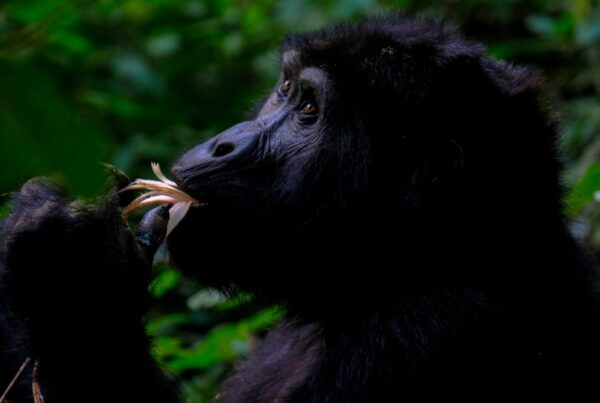
When visitors finally observe gorillas feeding, grooming, playing, and interacting naturally, the challenges of the hike quickly fade into the background.
Many travelers describe their hour with the gorillas as one of the most meaningful wildlife experiences of their lives.
Planning Your Gorilla Trekking Adventure
Choosing experienced safari planners can greatly enhance your trekking experience.
At Murchison Falls Park Safari, we help travelers select suitable trekking sectors, accommodation options, transportation arrangements, and preparation strategies based on individual fitness levels and travel goals.
We also recommend combining mountain gorilla trekking with other Uganda wildlife experiences, including:
Murchison Falls National Park safaris
Chimpanzee tracking
Nile River boat cruises
Big Five wildlife viewing
Cultural encounters
Related experiences can be explored through our website, including Uganda safari packages and wildlife adventures across the country’s premier national parks.
Ready to Experience Mountain Gorilla Trekking?
The physical challenges of a mountain gorilla trek are real, but they are manageable for most travelers with reasonable preparation. The reward of spending time with one of the world’s most endangered primates in its natural habitat far exceeds the effort required to reach them.
Contact Murchison Falls Park Safari to plan your gorilla trekking adventure and discover why this experience remains one of Africa’s most sought-after wildlife encounters.