Uganda Birdwatch List: Using eBird in Uganda’s Parks
Uganda has earned a reputation as one of the finest birdwatching destinations in Africa, attracting enthusiasts from around the world who come to search for rare endemic species, colorful forest birds, elusive shoebills, and impressive birds of prey. Although the country occupies a relatively small area, it hosts more than 1,090 recorded bird species, representing nearly half of Africa’s bird population. This remarkable diversity makes Uganda an essential destination for both experienced birders and first-time visitors.
Modern birdwatching has evolved beyond carrying a field guide and binoculars. Today, digital platforms help birders identify species, record sightings, monitor migration patterns, and contribute valuable conservation data. Among these tools, eBird has become the world’s most popular bird observation platform. For anyone planning a birding safari, creating a Uganda Birdwatch List through eBird enhances every aspect of the experience.
Whether you are exploring the savannahs of Murchison Falls National Park, the forests of Bwindi Impenetrable National Park, the wetlands of Mabamba Bay, or the papyrus swamps of Kibale National Park, eBird allows you to document every species you encounter while comparing your observations with thousands of other birders worldwide.
This guide explains how to use eBird during your Uganda birding adventure, which national parks provide the best birdwatching opportunities, how to maximize your species list, and why digital bird records are becoming an essential part of responsible wildlife tourism.
Why Uganda Is a World-Class Birdwatching Destination
Uganda’s geographical location at the meeting point of East African savannahs, Central African rainforests, the Albertine Rift, wetlands, mountains, rivers, and lakes creates one of the richest bird habitats on the continent. These diverse ecosystems support an extraordinary variety of resident and migratory birds throughout the year.
A carefully planned Uganda Birdwatch List can include everything from tiny sunbirds and colorful bee-eaters to giant storks, hornbills, cranes, kingfishers, turacos, raptors, owls, and elusive forest species. Few countries offer such remarkable diversity within relatively short travel distances.
Uganda is also home to numerous Albertine Rift endemics, making it particularly attractive for international birders seeking species that occur nowhere else on Earth.
What Is eBird?
eBird is a free online bird recording platform developed by the Cornell Lab of Ornithology. It allows birdwatchers to record sightings, identify locations, upload photographs, monitor personal life lists, and contribute scientific data used by researchers and conservation organizations worldwide.
Instead of keeping handwritten notebooks, birders now create digital checklists that become part of a global database containing millions of observations.
Using eBird during your Uganda safari allows you to organize your observations efficiently while helping scientists understand bird distribution, migration patterns, and population changes.
Why Use eBird During Your Uganda Safari?
Birdwatching in Uganda often involves visiting multiple national parks over several days. Without an organized recording system, it becomes easy to forget where certain species were seen or how many birds were observed.
Using eBird in Uganda’s parks allows you to keep detailed records of every outing. The application stores the exact location, date, time, habitat, and species observed during each birding session. These records remain accessible long after your safari ends, making it simple to revisit your sightings or compare them with future trips.
The platform also provides recent sightings submitted by other birders, helping you understand which species have been recorded in specific locations before your visit. This feature proves particularly valuable when searching for rare or highly sought-after birds.
Preparing eBird Before You Arrive in Uganda
 Downloading the eBird mobile application before your journey makes bird recording much easier once you reach Uganda. The app functions even in remote areas where mobile network coverage is limited, allowing users to save observations offline before uploading them later.
Many experienced birders also download the Merlin Bird ID application, another Cornell Lab resource that works alongside eBird. Merlin assists with bird identification using photographs, sound recordings, and regional bird packs, making it an excellent companion during your safari.
Before arriving, it is also helpful to familiarize yourself with Uganda’s major birding hotspots. Browsing existing checklists gives you realistic expectations of the species likely to occur in each park.
Birdwatching in Murchison Falls National Park with eBird
For many visitors, Murchison Falls National Park serves as the perfect introduction to Uganda’s birdlife. The park contains more than 450 recorded bird species distributed across savannah grasslands, riverbanks, woodlands, wetlands, and forests.
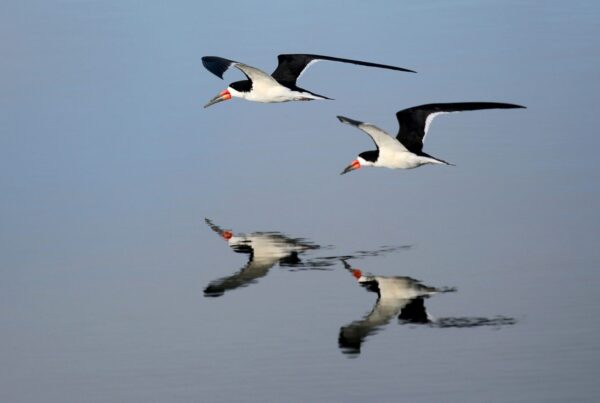
Recording observations through your Uganda Birdwatch List becomes particularly rewarding here because every habitat produces different species. A morning game drive across the northern sector may reveal Abyssinian Ground Hornbills, Secretary Birds, Black-headed Lapwings, and Denham’s Bustards. Later, a boat cruise along the Nile introduces African Fish Eagles, Pied Kingfishers, Goliath Herons, African Skimmers, and numerous cormorants.
The southern forests around Kaniyo Pabidi provide opportunities to record forest specialists including Chocolate-backed Kingfishers, White-thighed Hornbills, Yellow-footed Flycatchers, and Puvel’s Illadopsis.
Because the park combines several ecosystems, it often produces one of the highest bird counts during any Uganda safari.
Searching for the Shoebill Using eBird
Few birds generate as much excitement as the prehistoric-looking Shoebill. Uganda remains one of the best places in Africa to observe this remarkable species in its natural habitat.
Although Mabamba Swamp near Entebbe is internationally recognized for Shoebill encounters, sightings also occur within the Nile Delta of Murchison Falls National Park.
Checking recent eBird observations before your excursion provides valuable information about recent Shoebill activity. Guides frequently use these reports alongside local knowledge to improve the chances of successful sightings.
Recording your own observation contributes valuable conservation data while adding one of Africa’s most iconic birds to your life list.
Bwindi Impenetrable National Park and Albertine Rift Endemics
While Bwindi is famous for mountain gorilla trekking, it also ranks among Africa’s premier forest birding destinations. More than 350 bird species inhabit its ancient rainforest, including many Albertine Rift endemics.
Birders visiting Bwindi often focus on species such as the African Green Broadbill, Shelley’s Crimsonwing, Handsome Francolin, Grauer’s Broadbill, Regal Sunbird, and African Emerald Cuckoo.
Creating a detailed Uganda Birdwatch List in Bwindi helps document species encountered across different forest trails, elevations, and weather conditions.
Because forest birding requires patience, maintaining accurate digital records becomes particularly valuable.
Queen Elizabeth National Park Offers Exceptional Diversity
Queen Elizabeth National Park supports over 600 bird species, making it one of the richest protected areas in East Africa.
The park’s varied landscapes include crater lakes, open savannah, wetlands, forests, and the Kazinga Channel, each attracting different bird communities.
Using eBird in Uganda’s parks helps organize sightings from these varied habitats, allowing birders to compare species richness between locations within the same park.
Boat cruises along the Kazinga Channel often produce outstanding observations including pelicans, kingfishers, jacanas, fish eagles, storks, herons, and countless waterbirds.
Kibale Forest National Park and Bigodi Wetland Sanctuary
Kibale National Park is internationally recognized for chimpanzee trekking, but it also offers exceptional birdwatching opportunities. The neighboring Bigodi Wetland Sanctuary provides one of Uganda’s most rewarding community-based birding experiences.
Species such as the Great Blue Turaco, Papyrus Gonolek, Blue-headed Coucal, White-spotted Flufftail, and numerous woodland birds regularly appear in birders’ checklists.
Uploading observations from Bigodi also supports local ecotourism initiatives that benefit surrounding communities.
Lake Mburo National Park Rewards Careful Observation
Although smaller than many of Uganda’s national parks, Lake Mburo supports more than 350 bird species.
Acacia woodlands, wetlands, lakeshores, and grasslands create habitats for birds including the Red-faced Barbet, African Finfoot, Brown-chested Lapwing, African Wattled Lapwing, and numerous raptors.
Many birders enjoy comparing their Lake Mburo observations with those from Murchison Falls or Queen Elizabeth, highlighting how Uganda’s ecosystems differ.
Recording Accurate Bird Observations
Building a reliable Uganda Birdwatch List requires careful observation rather than simply counting species. Recording approximate numbers, habitat types, behavior, and weather conditions improves the scientific value of each checklist.
Photographs and audio recordings can also strengthen identification, especially for difficult forest species that may only appear briefly.
Birding with an experienced local guide significantly increases both identification accuracy and overall species count.
How eBird Supports Bird Conservation
Every checklist submitted to eBird contributes to a global conservation database used by researchers, universities, governments, and conservation organizations.
The information helps scientists monitor population trends, identify threatened habitats, track migration routes, and guide conservation planning.
Your Uganda birdwatching holiday therefore becomes more than a personal adventure. It contributes directly to international conservation efforts protecting birds for future generations.
Essential Equipment for Birdwatching in Uganda
A successful birding safari begins with suitable equipment. High-quality binoculars remain the most important tool, while a spotting scope provides additional detail for distant observations. A camera with a telephoto lens allows birders to document unusual species and verify difficult identifications.
Lightweight clothing in neutral colors helps visitors blend into natural surroundings without disturbing wildlife. Comfortable walking shoes, a hat, sunscreen, insect repellent, and a reusable water bottle also improve comfort during extended birding excursions.
Although eBird simplifies record keeping, carrying a notebook remains useful for quick field notes when weather conditions make mobile devices difficult to use.
Best Time to Build a Uganda Birdwatch List
Uganda offers excellent birdwatching throughout the year because many resident species remain present regardless of season.
However, the period between November and April brings numerous migratory birds from Europe and Asia, increasing overall species diversity.
The dry seasons from December to February and June to September provide comfortable walking conditions and easier access to forest trails and national parks.
Regardless of when you visit, every season presents unique opportunities to expand your Uganda Birdwatch List.
Plan Your Uganda Birding Safari with Murchison Falls Park Safari
Birdwatching in Uganda becomes even more rewarding when guided by experienced professionals who understand bird habitats, seasonal movements, and local ecosystems. At Murchison Falls Park Safari, we design customized birding safaris that combine Uganda’s finest birdwatching locations with unforgettable wildlife experiences.
Whether you hope to photograph the Shoebill, search for Albertine Rift endemics, or record hundreds of species across multiple national parks, our knowledgeable guides help maximize every birding excursion.
Visit Murchison falls park safari to explore our Uganda birding safaris, wildlife tours, and tailor-made itineraries. Contact our team today to begin planning a journey that celebrates Uganda’s extraordinary avian diversity while contributing to responsible conservation