

River Trade Route History
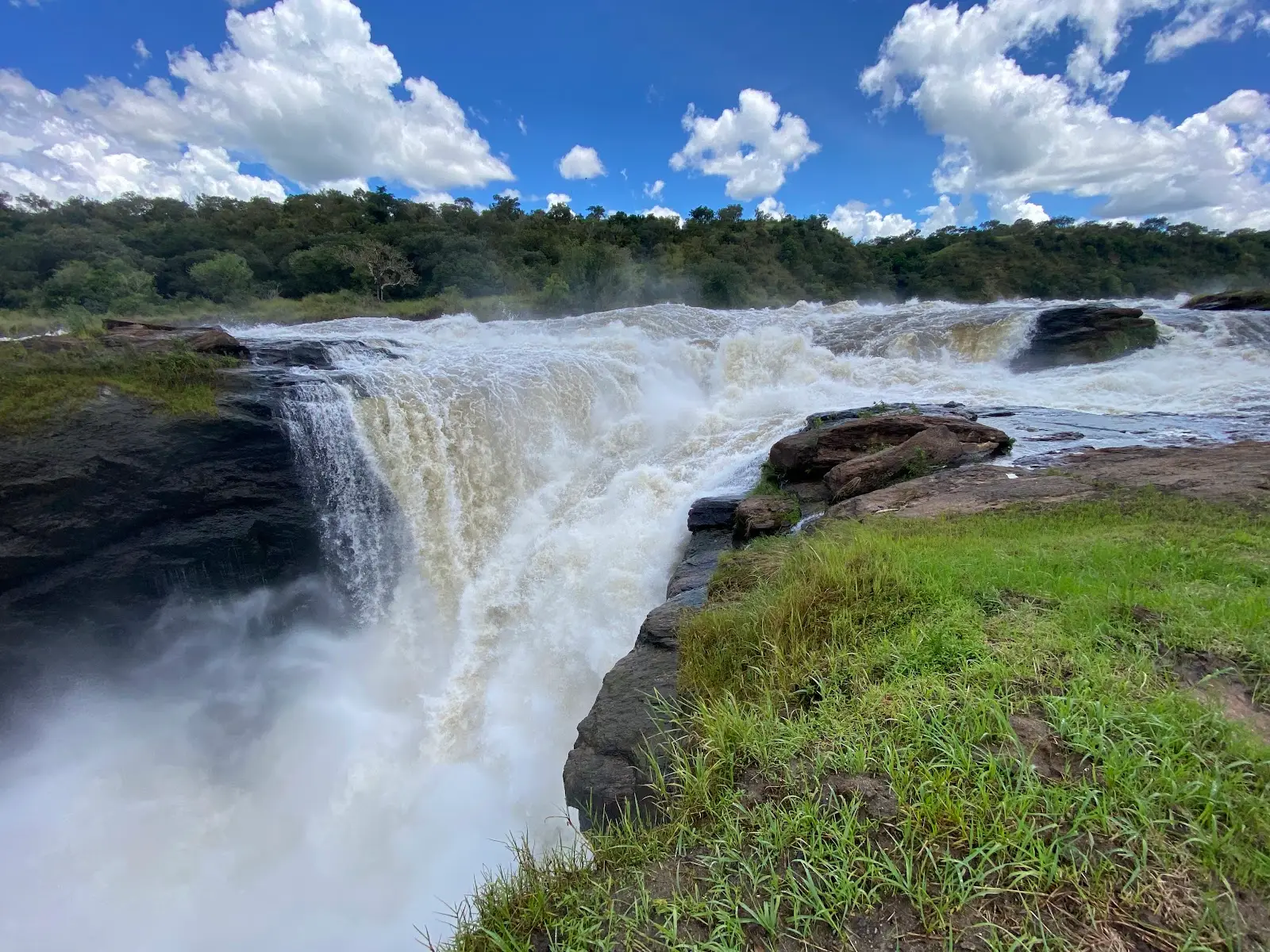
The Nile River is the defining feature of Murchison Falls National Park, yet its significance extends far beyond scenery and wildlife. For centuries, it served as a vital artery of movement, exchange, and connection. Exploring the river trade history of this region reveals how the Nile functioned as a dynamic corridor for nile commerce, linking communities, cultures, and distant markets.
Long before modern roads and transport systems, the river shaped historical trade routes that influenced settlement patterns, economic activity, and cultural exchange. Understanding this past transforms a safari into a journey through time, where every stretch of water carries stories of movement and interaction.
The Nile as a Natural Trade Corridor
The geography of the Nile made it one of Africa’s most important natural trade routes. Flowing through diverse landscapes, it connected regions that would otherwise remain isolated.
In the Murchison Falls area, the river provided access to fertile land, fishing grounds, and transportation. Communities living along its banks developed systems of exchange that relied on the river’s flow.
This early river trade history highlights how nature shaped human activity, creating pathways for nile commerce long before formal trade networks emerged.
Early Indigenous Trade Systems
Before external influences, local communities established their own trade systems based on barter and mutual exchange. Goods such as fish, grains, salt, and crafted items moved between villages along the Nile.
These exchanges were not random. They followed established patterns that reflected resource availability and seasonal cycles. This structure forms the foundation of historical trade routes in the Murchison region.
The efficiency and sustainability of these systems demonstrate the sophistication of early nile commerce, rooted in local knowledge and environmental awareness.
Goods Traded Along the Nile
Trade along the Nile involved a variety of goods that reflected both necessity and craftsmanship.
Agricultural products such as millet, sorghum, and vegetables moved between communities. Fish from the river provided a reliable source of protein and became a key trade item.
Crafted goods, including baskets, tools, and textiles, added value to trade exchanges. These items represent the intersection of culture and economy within river trade history.
The diversity of goods highlights how historical trade routes supported both survival and cultural expression.
The Role of River Transport
The Nile’s flow enabled efficient transport of goods and people. Canoes and small boats served as primary means of movement, navigating calm sections of the river.
In areas near Murchison Falls, the river’s power created natural barriers. These sections required portage or alternative routes, shaping the structure of historical trade routes.
Despite these challenges, the river remained central to nile commerce, demonstrating its importance as a transportation network.
Trade and Cultural Exchange
Trade along the Nile was not limited to goods. It facilitated cultural exchange, bringing together communities with different traditions, languages, and practices.
Through interaction, ideas and knowledge spread, enriching the cultural heritage of the region. This exchange is a defining feature of river trade history, highlighting the role of commerce in shaping identity.
Understanding this aspect of historical trade routes adds depth to the story of Murchison Falls.
Influence of External Traders
As regional trade expanded, external traders entered the network. Arab and Swahili traders moved inland, introducing new goods and trade practices.
These interactions expanded the scope of nile commerce, connecting local systems to broader regional networks. Goods such as cloth, beads, and metal tools became part of the trade landscape.
This phase of river trade history marks a transition from localized exchange to interconnected trade systems.
Colonial Era and Trade Transformation
The colonial period brought significant changes to trade in the Murchison region. Formal systems replaced traditional networks, and infrastructure developed to support larger-scale movement.
River crossings, administrative centers, and transport routes became integral to historical trade routes. While the Nile remained important, new systems altered the way goods moved.
This transformation reflects the evolving nature of nile commerce, shaped by external influences and changing priorities.
Pakwach and Trade Connectivity
Pakwach emerged as a key location in the trade network due to its position along the Nile. It served as a hub where goods and people converged.
The area’s role in river trade history highlights the importance of strategic locations in shaping commerce. Today, Pakwach remains a gateway to Murchison Falls, connecting past and present trade routes.
Exploring this region provides insight into the structure of historical trade routes.
Karuma and River Crossings
Karuma Falls represents another important point in the trade network. Its location made it a natural crossing point, linking different regions.
Trade routes converged here, emphasizing the role of geography in shaping nile commerce. Understanding these crossings adds depth to the river trade history of the Murchison area.
Decline of Traditional River Trade
With the development of roads and modern transport, traditional river trade began to decline. Goods moved more efficiently by land, reducing reliance on the Nile.
However, the legacy of these historical trade routes remains embedded in settlement patterns and cultural practices. The river continues to hold symbolic and economic importance.
Modern Connections to River Trade
Today, the Nile still supports local economies through fishing and tourism. Boat cruises and river-based activities reflect the continued relevance of the river.
While modern systems differ from historical trade, they build on the same foundation. This continuity reinforces the significance of river trade history in shaping the region.
Experiencing River Trade History on Safari
Visitors to Murchison Falls can explore river trade history through guided experiences that combine storytelling and exploration.
Boat cruises along the Nile provide a direct connection to the river’s role in nile commerce. Visiting locations such as Pakwach and Karuma adds context to the journey.
These experiences bring historical trade routes to life, making them an integral part of your safari.
Combining Trade History with Wildlife Experiences
A safari in Murchison Falls offers the opportunity to combine wildlife viewing with historical exploration. While game drives showcase biodiversity, river-based activities highlight the role of the Nile.
This combination creates a balanced itinerary that includes nature and history. It allows visitors to understand the broader context of the landscape.
Explore tailored itineraries, here to include river trade history experiences.
Responsible Tourism and Heritage Preservation
Preserving the legacy of historical trade routes requires responsible tourism. Visitors should respect local communities, support guided tours, and engage with history thoughtfully.
Responsible travel ensures that the stories of nile commerce continue to be shared and preserved.
Why River Trade History Matters
Understanding river trade history provides insight into how communities interacted, adapted, and thrived. It highlights the importance of natural resources and human ingenuity.
Exploring this history enriches your safari experience, connecting you to the deeper story of Murchison Falls.
Planning Your Historical Safari Experience
Planning ensures that historical exploration fits seamlessly into your itinerary. Working with experienced safari planners allows you to include guided tours that focus on nile commerce and historical trade routes.
These experiences provide context and meaning, enhancing your journey.
Plan Your Safari
Discover the story of movement and exchange through the rich river trade history of Murchison Falls. Explore the legacy of nile commerce and follow the paths of historical trade routes that shaped the region.
Start planning your safari today with expert guidance and tailored itineraries, here and create a travel experience that blends wildlife, history, and culture.