Uganda vs Tanzania Safari: What to Choose
Choosing between Uganda and Tanzania for an African safari can feel difficult because both destinations rank among the continent’s finest wildlife experiences. Each country offers extraordinary landscapes, iconic animals, rich cultural heritage, and unforgettable adventures, yet the safari atmosphere in Uganda differs greatly from what travelers experience in Tanzania.
A proper uganda vs tanzania safari 2026 comparison requires understanding what each destination does best. Uganda specializes in intimate wildlife encounters, mountain gorilla trekking, chimpanzee tracking, boat safaris, and diverse ecosystems packed into relatively compact safari circuits. Tanzania dominates in large-scale savannah safaris, luxury wildlife lodges, the Serengeti migration, and some of Africa’s most famous safari landscapes.
For travelers planning an East African safari in 2026, the decision often depends on travel style, budget, wildlife interests, accommodation preferences, photography goals, and the type of safari atmosphere they want to experience.
Understanding the strengths and differences between Uganda and Tanzania helps travelers make the right safari choice while maximizing both experience and value.
Understanding the Safari Style in Uganda and Tanzania
Uganda and Tanzania provide very different safari environments despite both being located within East Africa.
Uganda feels adventurous, diverse, and immersive. Wildlife experiences range from mountain gorilla trekking in Bwindi Impenetrable National Park to chimpanzee tracking in Kibale Forest, boat cruises on the Nile in Murchison Falls National Park, and classic savannah game drives in Queen Elizabeth National Park. Uganda’s safari routes often move through villages, forests, crater lakes, tea plantations, and mountain landscapes, creating a constantly changing journey.
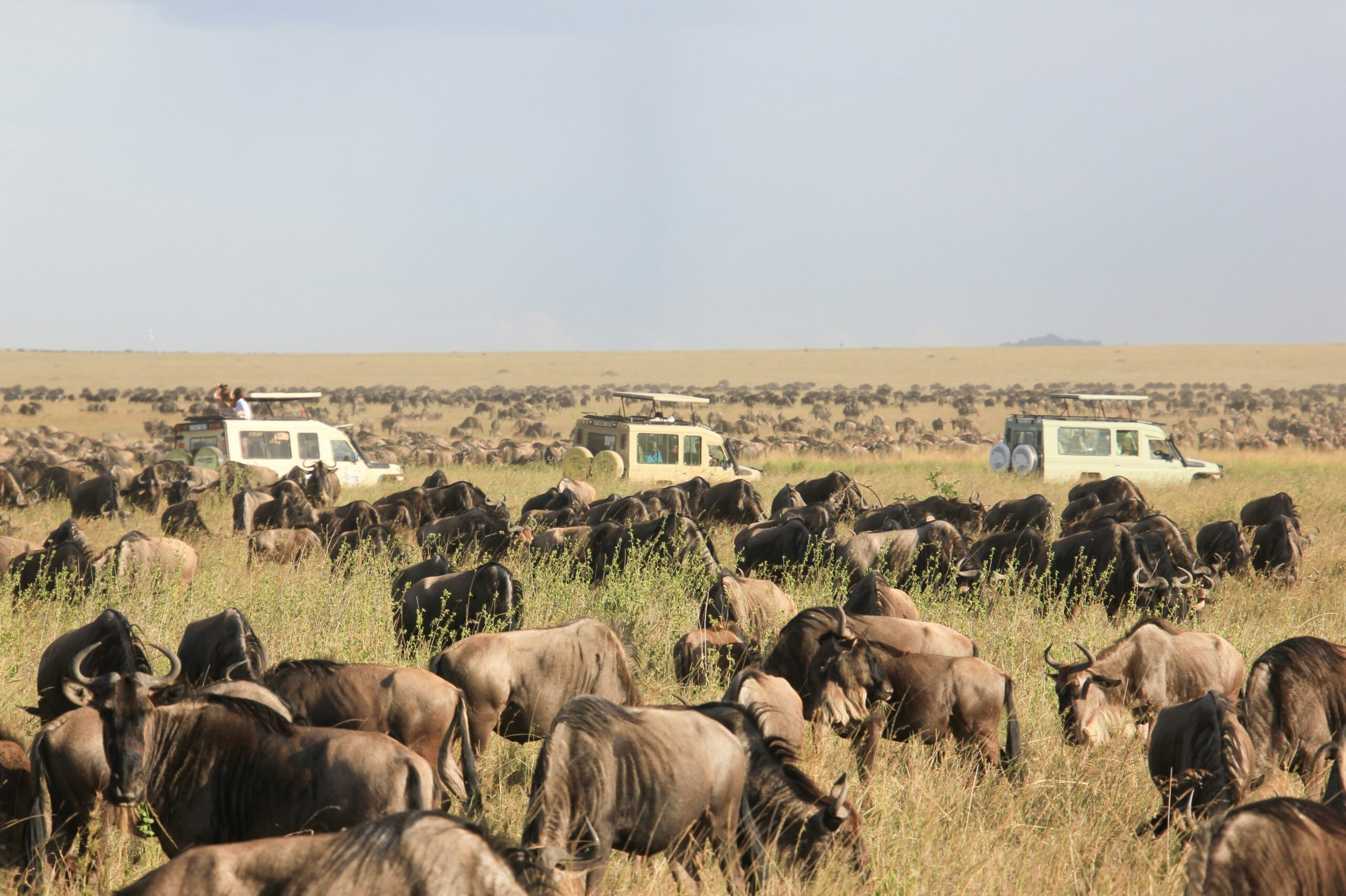
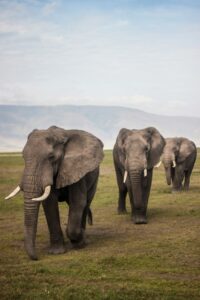
Tanzania delivers the classic grand-scale safari image many travelers associate with Africa. The Serengeti plains stretch endlessly beneath dramatic skies while huge herds of wildebeest, zebras, and gazelles move across the landscape. Ngorongoro Crater offers dense wildlife concentrations, while Tarangire National Park showcases giant elephant herds beneath iconic baobab trees.
Travelers comparing these destinations quickly notice that Uganda focuses more on safari diversity and primate encounters, while Tanzania emphasizes expansive wildlife viewing and traditional savannah safaris.
Wildlife Experiences in Uganda and Tanzania
Wildlife remains the foundation of any African safari, but the type of wildlife encounters differs significantly between these two destinations.
Uganda’s strength lies in variety. A traveler can track endangered mountain gorillas one day, search for chimpanzees the next, enjoy a Nile River boat safari afterward, and finish with Big Five game drives in Murchison Falls National Park or Queen Elizabeth National Park.
Uganda’s wildlife experiences often feel personal and immersive because the country receives fewer safari visitors compared to Tanzania. Gorilla trekking especially transforms Uganda into one of the world’s most unique safari destinations. Spending time face-to-face with mountain gorillas in dense rainforest creates a wildlife encounter unlike anything available in Tanzania.
Murchison Falls National Park further strengthens Uganda’s safari appeal. The park combines elephants, lions, giraffes, buffaloes, crocodiles, hippos, antelope species, and exceptional birdlife with dramatic scenery centered around the Nile River and the powerful Murchison Falls.
Tanzania focuses more heavily on large mammal concentrations and dramatic predator-prey interactions. Serengeti National Park remains one of Africa’s greatest wildlife destinations because of the annual Great Migration. During migration season, millions of wildebeest and zebras move across the plains while lions, cheetahs, hyenas, and crocodiles follow closely behind.
Ngorongoro Crater offers one of Africa’s highest wildlife densities, giving travelers strong chances of spotting rhinos, lions, elephants, and buffaloes within a relatively small area.
Travelers seeking vast wildlife spectacles and open savannah photography often favor Tanzania, while travelers wanting diverse safari activities frequently prefer Uganda.
Gorilla Trekking Gives Uganda a Major Advantage
One of the biggest differences in the Uganda vs Tanzania safari comparison guide comes from gorilla trekking. Tanzania does not offer mountain gorilla trekking, while Uganda stands among the world’s leading gorilla safari destinations.
Bwindi Impenetrable National Park and Mgahinga Gorilla National Park protect many habituated gorilla families accessible to visitors through guided trekking experiences. Gorilla permits currently cost around USD 800 in Uganda, making the country more affordable than Rwanda for gorilla tourism.
The emotional intensity of observing mountain gorillas in their natural habitat often becomes the defining highlight of a traveler’s African journey. Few wildlife experiences globally match the feeling of sitting quietly within meters of a gorilla family deep inside an ancient rainforest.
Uganda also offers chimpanzee tracking in Kibale Forest National Park, Budongo Forest, and Kyambura Gorge, giving travelers multiple primate experiences within one itinerary.
For travelers prioritizing rare wildlife encounters over classic savannah safaris alone, Uganda holds a clear advantage.
Tanzania Dominates Traditional Savannah Safaris
While Uganda excels in primate tourism, Tanzania remains one of Africa’s strongest destinations for classic safari experiences.
The Serengeti ecosystem provides endless wildlife viewing opportunities throughout the year. Massive herds move across open plains beneath dramatic skies, creating iconic safari scenery recognized worldwide. Predator sightings remain exceptional because the Serengeti supports large lion populations alongside cheetahs, leopards, and hyenas.
Ngorongoro Crater offers a unique safari environment where wildlife remains concentrated within a volcanic caldera. Travelers often experience excellent game viewing in relatively short periods.
Southern Tanzania destinations like Ruaha National Park and Nyerere National Park provide quieter wilderness experiences with fewer crowds compared to the northern circuit.
Travelers seeking traditional game drives, large wildlife concentrations, and expansive savannah landscapes often find Tanzania better aligned with their safari expectations.
Comparing Safari Costs Between Uganda and Tanzania
 Cost plays a significant role when comparing safari destinations.
Uganda generally provides better value for travelers seeking diverse safari activities at moderate prices. Accommodation in Uganda often costs less than equivalent safari lodges in Tanzania, especially within midrange categories.
A Uganda safari combining gorilla trekking, chimpanzee tracking, boat safaris, and game drives frequently remains more affordable than a luxury-focused Tanzania safari centered around the Serengeti.
Transportation costs in Uganda also tend to remain lower because many parks connect through overland routes. Travelers can comfortably explore multiple destinations without relying heavily on internal flights.
Tanzania safaris often become more expensive due to internal charter flights, luxury camp pricing, park fees, and premium migration-season demand. Serengeti lodges especially rise sharply in price during peak migration months.
However, Tanzania also offers strong value for travelers whose primary goal involves classic wildlife safaris and large mammal photography.
Accommodation Experiences in Both Destinations
Accommodation styles in Uganda and Tanzania reflect the nature of each safari destination.
Uganda’s lodges often emphasize intimacy, eco-tourism, and scenic immersion. Properties overlook forests, crater lakes, rivers, and savannah landscapes while maintaining relatively moderate pricing. Many lodges around Murchison Falls National Park, Bwindi, and Kibale focus strongly on personalized hospitality and natural surroundings.
Luxury accommodation exists in Uganda, but the country’s greatest strength lies in comfortable midrange safari lodges offering excellent safari experiences without excessive pricing.
Tanzania excels in high-end safari accommodation. The Serengeti and Ngorongoro region feature some of Africa’s most luxurious safari camps. Guests enjoy elegant tented suites, fine dining, private game drives, infinity pools, and premium hospitality services.
Travelers prioritizing ultra-luxury often favor Tanzania, while travelers seeking broader safari experiences at more moderate costs frequently prefer Uganda.
Crowds and Safari Atmosphere
Safari atmosphere greatly influences overall travel satisfaction.
Uganda feels quieter and less commercialized. Parks such as Murchison Falls, Kidepo Valley, and Kibale Forest receive fewer international visitors compared to Tanzania’s northern circuit. Gorilla trekking groups remain tightly controlled, preserving both conservation standards and the quality of the experience.
This creates a peaceful safari atmosphere where wildlife sightings often feel more exclusive.
Tanzania’s famous parks attract significantly larger visitor numbers, particularly within the Serengeti and Ngorongoro Crater during peak season. Wildlife sightings occasionally involve multiple safari vehicles gathered around predators or migration crossings.
Travelers seeking quieter safari experiences and more intimate wildlife encounters often appreciate Uganda’s lower tourism density.
Birdwatching and Landscape Diversity
Uganda ranks among Africa’s top birdwatching destinations with more than 1,090 recorded bird species. Wetlands, forests, rivers, and savannah ecosystems support remarkable avian diversity, including the rare shoebill stork.
The country’s landscapes also change dramatically across relatively short distances. Travelers move through rainforest, mountain terrain, river valleys, savannah plains, and crater lakes within one itinerary.
Tanzania also offers excellent birdwatching and spectacular scenery, particularly across the Serengeti, Ngorongoro Highlands, and Lake Manyara. However, Uganda’s ecosystem diversity gives it a stronger advantage for travelers interested in varied natural environments.
Accessibility and Safari Logistics
Tanzania benefits from stronger international safari infrastructure, especially around the northern safari circuit. Kilimanjaro International Airport connects easily with Arusha, Serengeti airstrips, and Zanzibar extensions.
Safari logistics in Tanzania often rely heavily on internal flights because distances between parks can become substantial.
Uganda safaris typically involve more overland travel, though domestic flights are increasingly available. While road transfers may take longer, many travelers enjoy the scenic drives through rural communities and changing landscapes.
Kenya and Tanzania generally suit travelers wanting smoother safari logistics and luxury fly-in experiences. Uganda rewards travelers seeking immersive road journeys and diverse exploration.
Family Safaris and Travel Style
Tanzania often works better for families with younger children because wildlife viewing remains easier and activities involve less physical exertion.
Uganda’s gorilla trekking minimum age of 15 limits participation for younger travelers. However, families with older teenagers often find Uganda deeply rewarding because of the adventure-focused experiences and educational conservation encounters.
Couples, photographers, birders, and adventure travelers frequently discover stronger safari value in Uganda.
Which Destination Should You Choose?
The answer depends entirely on the safari experience you want most.
Choose Uganda if you want mountain gorilla trekking, chimpanzee tracking, diverse safari activities, boat safaris, fewer crowds, birdwatching, and strong overall value. Uganda works especially well for travelers seeking immersive and adventurous safari experiences beyond traditional game drives.
Choose Tanzania if you dream of the Serengeti, the Great Migration, luxury tented camps, open savannah photography, and classic African wildlife safaris centered around large mammal viewing.
For many travelers comparing Uganda vs Tanzania safari 2026, Uganda offers broader safari diversity for the money spent, while Tanzania delivers some of Africa’s most iconic wildlife spectacles.
Why Murchison Falls National Park Makes Uganda Exceptional
Murchison Falls National Park strengthens Uganda’s safari value tremendously because it combines multiple safari experiences within one destination.
Travelers enjoy Big Five game drives, Nile River boat safaris, waterfall hikes, birdwatching, and chimpanzee tracking in nearby Budongo Forest. The dramatic scenery surrounding the Nile River adds another layer of visual beauty rarely matched elsewhere in East Africa.
Unlike many parks focused solely on game drives, Murchison Falls creates a complete safari ecosystem where travelers experience water-based safaris, wildlife encounters, and dramatic landscapes together.
How Much Does a Uganda Safari Cost in 2026?
Plan Your Uganda Safari with Murchison Falls Park Safari. Uganda continues emerging as one of Africa’s most rewarding safari destinations for travelers seeking authenticity, wildlife diversity, and exceptional safari value. From gorilla trekking in ancient rainforests to Big Five game drives along the Nile, Uganda offers experiences that go far beyond traditional safari expectations.
Whether you are planning your first African safari or comparing East Africa’s top wildlife destinations, Uganda delivers an unforgettable combination of adventure, wildlife, culture, and natural beauty.