Uganda vs Kenya Safari: Which is Better Value?
Choosing between Uganda and Kenya for a safari often becomes one of the biggest decisions travelers face when planning an African adventure. Both countries rank among Africa’s finest wildlife destinations, yet they offer completely different safari experiences. Some travelers dream of the endless savannahs of Kenya filled with lions and migrating wildebeest, while others prefer Uganda’s intimate wildlife encounters, mountain gorilla trekking, and diverse landscapes.
A proper Uganda vs Kenya safari comparison requires more than simply comparing prices. True safari value comes from balancing wildlife experiences, accommodation quality, transportation, exclusivity, conservation impact, and the overall depth of the journey. For many travelers, Uganda offers surprisingly strong value because it combines primates, classic game drives, river safaris, and cultural encounters within one itinerary. Kenya, however, remains unmatched for iconic open-plains safaris and luxury wildlife experiences.
Understanding the strengths of each destination helps travelers decide which country truly matches their expectations, travel style, and safari budget.
The Difference Between Uganda and Kenya Safari Experiences
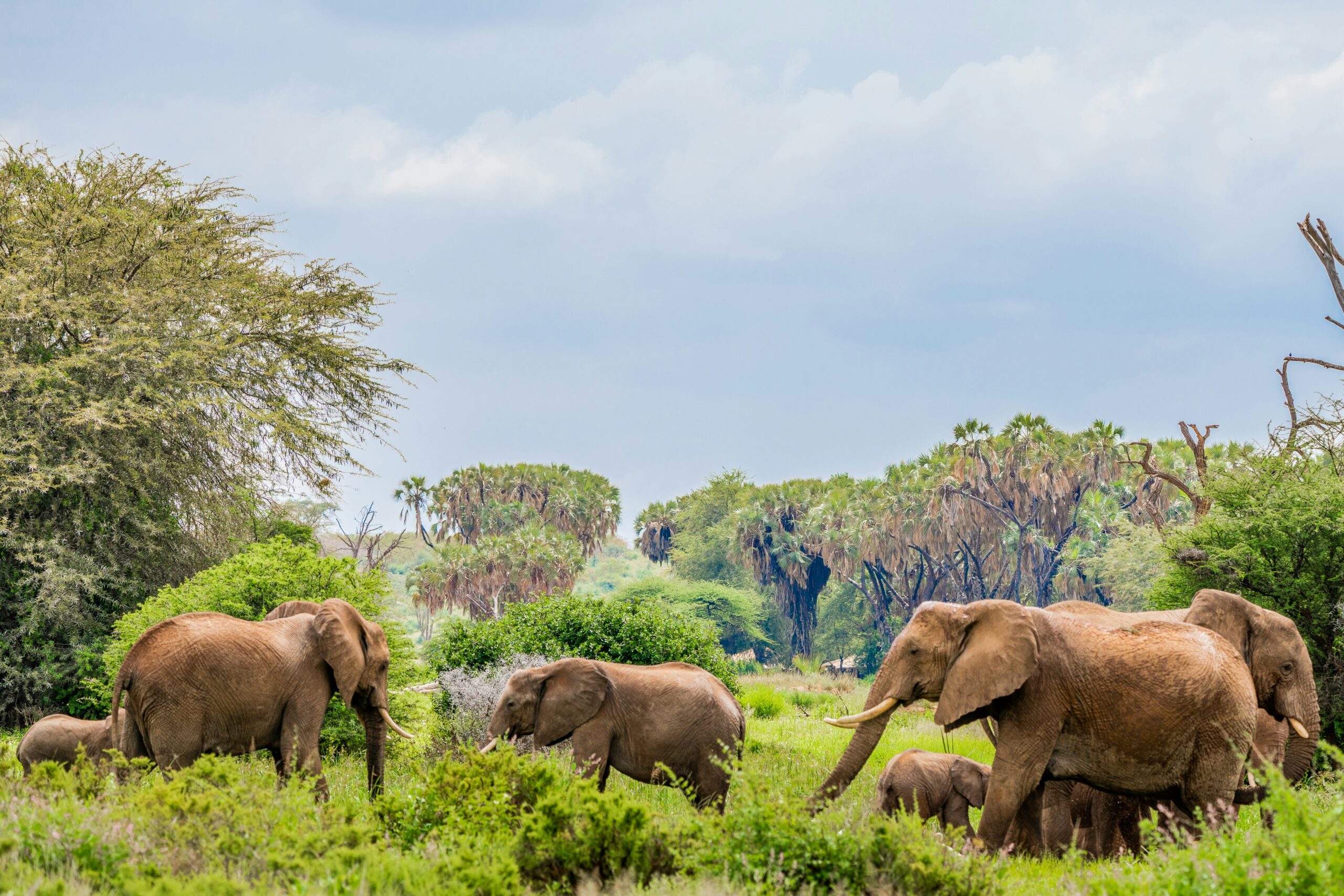
 Uganda and Kenya feel very different from the moment a safari begins. Kenya delivers the classic African safari image most travelers imagine before visiting Africa. Vast plains stretch endlessly across the Maasai Mara, elephants move beneath Mount Kilimanjaro in Amboseli, and dramatic predator action unfolds across open landscapes. Kenya’s safari industry is mature, highly developed, and strongly focused on traditional wildlife viewing.
Uganda presents a more diverse and adventurous safari atmosphere. Landscapes change constantly from rainforest and crater lakes to rolling savannahs, waterfalls, rivers, and mountain forests. Wildlife encounters often feel more personal because the country receives fewer visitors than Kenya. Uganda’s biggest strength lies in combining traditional safaris with extraordinary primate experiences, especially mountain gorilla trekking and chimpanzee tracking.
Travelers searching for a destination with varied ecosystems and unique wildlife activities often discover that Uganda provides a more layered safari experience. Kenya appeals strongly to travelers seeking classic game drives and luxury safari camps with easy wildlife visibility.
Wildlife Encounters and Safari Diversity
Wildlife remains the core reason most travelers visit East Africa, but the type of wildlife experience differs greatly between Uganda and Kenya.
 Uganda stands out because of its extraordinary diversity. A single safari can include tracking endangered mountain gorillas in Bwindi Impenetrable National Park, walking through Kibale Forest searching for chimpanzees, cruising along the Nile River in Murchison Falls National Park, and spotting tree-climbing lions in Queen Elizabeth National Park. Few destinations in Africa provide this range of experiences within one journey.
Murchison Falls National Park alone demonstrates Uganda’s safari value exceptionally well. Travelers experience elephants, giraffes, buffaloes, lions, crocodiles, hippos, antelope species, and incredible birdlife alongside the dramatic Nile River and the powerful Murchison Falls themselves. The combination of game drives and boat safaris creates excellent wildlife variety without requiring expensive internal flights between multiple reserves.
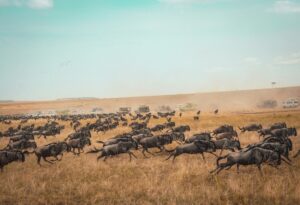
Kenya focuses more heavily on open savannah wildlife viewing. The Maasai Mara ecosystem offers some of Africa’s finest predator sightings. Lions, cheetahs, leopards, hyenas, elephants, and massive herds of wildebeest dominate the landscape. Wildlife visibility tends to be easier in Kenya because animals roam across open grasslands rather than dense forests.
For travelers wanting pure game viewing and dramatic predator action, Kenya remains exceptional. However, travelers wanting broader safari diversity often discover stronger long-term value in Uganda.
Gorilla Trekking Gives Uganda a Unique Advantage
One of the biggest factors influencing the Uganda vs Kenya safari which is better debate is gorilla trekking. Kenya does not offer mountain gorilla trekking, while Uganda has become one of the world’s leading gorilla tourism destinations.
Uganda currently hosts more than half of the world’s remaining mountain gorillas, primarily within Bwindi Impenetrable National Park and Mgahinga Gorilla National Park. Gorilla trekking allows travelers to spend one unforgettable hour observing these endangered primates in their natural habitat.
The emotional impact of sitting quietly beside a gorilla family often becomes the highlight of an entire African journey. Watching silverbacks protect their groups, juveniles play in the forest, and mothers care for infants creates an experience impossible to replicate on a traditional savannah safari.
Although gorilla permits cost around USD 800 in Uganda, many travelers still consider the experience extraordinary value because of its rarity and conservation importance. Uganda also offers more habituated gorilla families than neighboring Rwanda, increasing permit availability and itinerary flexibility.
For travelers prioritizing rare wildlife encounters over traditional game drives alone, Uganda gains a major advantage.
Kenya’s Strength in Classic Safari Experiences
Despite Uganda’s primate advantage, Kenya continues dominating the classic safari market. The Maasai Mara remains one of the most celebrated wildlife destinations on Earth, especially during the Great Migration between July and October.
During migration season, millions of wildebeest and zebras move between Tanzania and Kenya while predators follow closely behind. River crossings filled with crocodiles create some of the most dramatic wildlife scenes in Africa.
Kenya also offers some of Africa’s finest luxury safari camps and private conservancies. Travelers can enjoy sunrise hot air balloon safaris, private bush dinners, luxury tented suites, and highly personalized game drives. The country’s safari infrastructure supports smooth logistics, making it ideal for travelers seeking comfort and efficiency.
Photographers especially appreciate Kenya’s open landscapes because wildlife sightings occur more consistently and visibility remains excellent throughout the year.
Travelers whose safari dreams revolve around iconic savannah scenery and abundant predator encounters may find Kenya better suited to their expectations.
Comparing Safari Costs Between Uganda and Kenya
Cost plays a major role in determining safari value. Uganda generally offers more affordable safari pricing compared to Kenya, especially for midrange travelers.
In Uganda, accommodation prices remain relatively moderate even in strong safari areas. Midrange lodges near Murchison Falls National Park, Queen Elizabeth National Park, and Bwindi often provide excellent comfort, scenic locations, and full-board packages without the premium rates common in Kenya.
Kenya’s safari industry leans more heavily toward high-end tourism. Luxury camps and conservancies in the Maasai Mara can become extremely expensive during peak migration months. Internal flights between reserves also increase overall safari costs significantly.
A traveler spending seven days in Uganda can often combine gorilla trekking, chimpanzee tracking, boat safaris, and multiple game drives for a lower total budget than a luxury-focused Kenya safari covering fewer activities.
This makes Uganda especially attractive for travelers seeking extensive safari experiences without ultra-premium pricing.
Safari Crowds and Exclusivity
Crowding can greatly influence safari enjoyment. Kenya’s popularity means major wildlife sightings occasionally attract many safari vehicles, particularly in the Maasai Mara during migration season. Predator sightings sometimes involve dozens of vehicles surrounding a single animal encounter.
Uganda feels noticeably quieter. Parks such as Murchison Falls and Kidepo Valley National Park receive far fewer visitors, creating a more peaceful safari atmosphere. Gorilla trekking groups also remain strictly limited to protect the animals and maintain the quality of the experience.
Travelers who value solitude, exclusivity, and less commercialized tourism often appreciate Uganda’s quieter safari environment.
Accommodation Experiences in Both Countries
Accommodation standards differ significantly between Uganda and Kenya.
Uganda’s lodges focus strongly on natural immersion. Many properties overlook rivers, forests, savannah plains, or crater lakes while maintaining a relaxed and authentic safari atmosphere. Luxury properties exist, but Uganda’s strongest accommodation value often lies within its excellent midrange sector.
Properties around Murchison Falls National Park, Kibale Forest, and Bwindi offer comfortable safari experiences with strong personal service at competitive prices.
Kenya excels in ultra-luxury safari accommodation. The country’s premium camps rank among the best wildlife lodges globally. Guests enjoy elegant tented suites, gourmet dining, private game drives, spa services, and exceptional hospitality standards.
Travelers seeking extreme luxury may lean toward Kenya, while travelers prioritizing experience diversity and affordability often prefer Uganda.
Birdwatching and Scenic Diversity
Uganda stands among Africa’s finest birdwatching destinations with over 1,090 recorded bird species. Wetlands, forests, rivers, and savannah ecosystems support remarkable avian diversity, including the rare shoebill stork.
The country’s landscapes also change dramatically across relatively short distances. Travelers move from rainforest to savannah, mountain highlands, river valleys, and crater lakes within one itinerary.
Kenya offers beautiful landscapes as well, particularly within Amboseli, Samburu, and the Maasai Mara, but Uganda’s ecosystem diversity creates a broader overall nature experience.
Nature-focused travelers and bird enthusiasts frequently discover stronger value in Uganda because of this environmental variety.
Accessibility and Travel Logistics
Kenya benefits from stronger safari infrastructure and more efficient transport networks. Nairobi serves as a major regional aviation hub with excellent international connectivity. Domestic flights between safari regions operate frequently, reducing travel times considerably.
Uganda’s safari routes often involve longer road journeys between parks. While roads continue improving, certain remote areas still require patience and flexibility. However, many travelers enjoy Uganda’s scenic drives through rural villages, rolling hills, and agricultural landscapes.
Kenya suits travelers seeking smoother logistics and shorter travel times. Uganda rewards travelers who enjoy immersive overland adventures.
Cultural Experiences and Community Tourism
Cultural interactions form an important part of East African safaris.
Uganda’s tourism often feels closely connected to local communities. Travelers visit Batwa communities near Bwindi, fishing villages along Lake Albert, and traditional rural settlements throughout the country. These experiences frequently feel personal and less commercialized.
Kenya’s Maasai cultural tourism remains world-famous and highly accessible. Visitors commonly experience Maasai dances, village tours, and traditional ceremonies alongside safari activities.
Both countries provide meaningful cultural encounters, though Uganda’s experiences often feel more intimate and community-driven.
Which Destination Offers Better Overall Value?
The answer depends entirely on what a traveler wants from Africa.
Uganda offers exceptional value for travelers seeking wildlife diversity, primate encounters, fewer crowds, and immersive adventure travel. Combining gorilla trekking, chimpanzee tracking, Nile River safaris, waterfalls, and traditional game drives creates one of Africa’s most varied safari experiences.
Kenya offers outstanding value for travelers focused on iconic wildlife photography, luxury safari camps, predator action, and the Great Migration. The country remains one of the finest traditional safari destinations in the world.
From a cost-versus-experience perspective, Uganda often delivers broader safari diversity for less money. Kenya delivers polished luxury and world-famous wildlife spectacles that justify premium pricing for many travelers.
Why Murchison Falls National Park Strengthens Uganda’s Safari Value
For travelers choosing Uganda, Murchison Falls National Park significantly improves overall safari value. The park combines classic wildlife viewing with one of Africa’s most dramatic river systems.
Game drives reveal lions, elephants, giraffes, buffaloes, antelope species, and leopards, while boat safaris along the Nile bring visitors close to crocodiles, hippos, and dense birdlife. The powerful waterfall itself creates one of Uganda’s most iconic natural attractions.
Adding chimpanzee tracking in nearby Budongo Forest further increases the park’s diversity. Few safari destinations in Africa combine so many activities within one accessible ecosystem.
Plan Your Uganda Safari with Murchison Falls Park Safari
Uganda continues attracting travelers looking for authentic African adventures, exceptional wildlife diversity, and meaningful safari value. From mountain gorilla trekking and chimpanzee tracking to Nile River cruises and Big Five safaris, Uganda offers experiences that extend far beyond traditional game drives.
For travelers comparing East Africa’s top safari destinations, Uganda remains one of the continent’s most rewarding and cost-effective safari choices.