Shoebill Stork Uganda: Where to Find This Rare Bird
The shoebill stork is one of Africa’s most iconic and prehistoric-looking birds, attracting birdwatchers, photographers, and safari travelers from around the world. Uganda has become one of the best places to see this rare species in its natural wetland habitat, making it a top destination for specialized birding safaris in East Africa.
Understanding shoebill stork Uganda where to find it is essential for travelers planning a birding safari in 2026, especially those combining wetland excursions with classic wildlife experiences in destinations like Murchison Falls National Park.
This guide explores the best locations, viewing conditions, birding experiences, seasonal patterns, and safari planning tips to help you successfully find the shoebill stork in Uganda.
Overview of the Shoebill Stork in Uganda
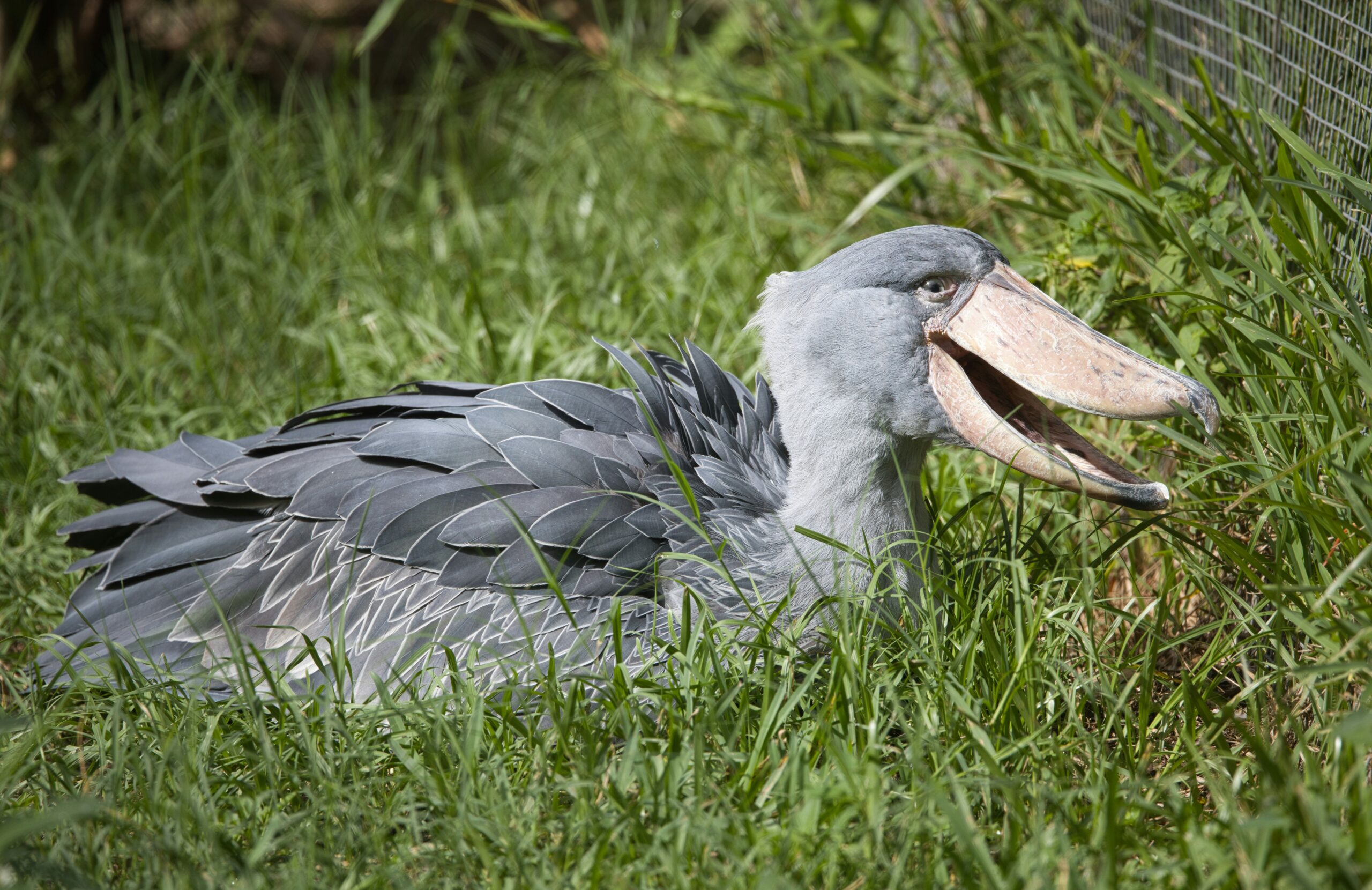
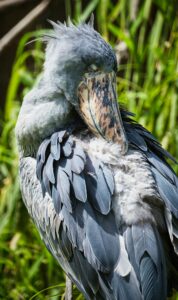 The shoebill stork is a large, rare bird species known for its massive shoe-shaped bill, slow movements, and prehistoric appearance. It inhabits freshwater wetlands, swamps, and papyrus marshes across central and East Africa.
Uganda is considered one of the most reliable countries for shoebill sightings due to its extensive wetland ecosystems, especially along the Nile River and Lake Victoria basin.
The shoebill stork Uganda where to find experience is highly sought after because sightings are not guaranteed in many countries, but Uganda offers some of the highest success rates in Africa.
This species is classified as vulnerable, making conservation-focused tourism an important part of its protection.
Best Places to See Shoebill Stork in Uganda
Uganda offers several prime locations where shoebill storks can be found in the wild. These locations include wetlands, river systems, and protected swamp ecosystems.
One of the most famous areas is the Mabamba Swamp near Entebbe, a Ramsar-listed wetland known for consistent shoebill sightings. Boat-based birding tours here offer high success rates due to dense papyrus habitats.
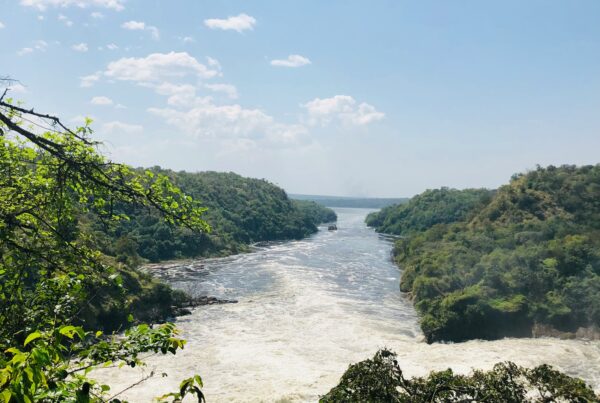
Another important location is Murchison Falls National Park, especially in the Nile Delta area where the river spreads into extensive marshlands before entering Lake Albert.
The shoebill stork Uganda where to find search often leads birders to these two primary destinations due to their reliability and accessibility.
Other locations include Lake Albert shores and Budongo Forest wetlands, which occasionally host sightings depending on water levels and seasonal movements.
Shoebill Stork in Murchison Falls National Park
Murchison Falls National Park is one of the most important shoebill habitats in Uganda. The Nile Delta region within the park provides ideal wetland conditions for feeding and nesting.
Boat safaris in the delta area increase chances of spotting the shoebill as it hunts for lungfish and other aquatic prey in shallow waters.
The shoebill stork Uganda where to find experience in Murchison Falls is often combined with classic safari activities such as game drives, Nile boat cruises, and waterfall visits.
Unlike dense swamp locations, the park offers a combination of savannah wildlife and wetland birding, making it a versatile destination for all types of safari travelers.
Early morning boat trips in the delta provide the highest chances of sightings.
Mabamba Swamp: The Most Reliable Shoebill Location
Mabamba Swamp, located near Entebbe, is widely considered the most reliable place to see shoebill storks in Uganda.
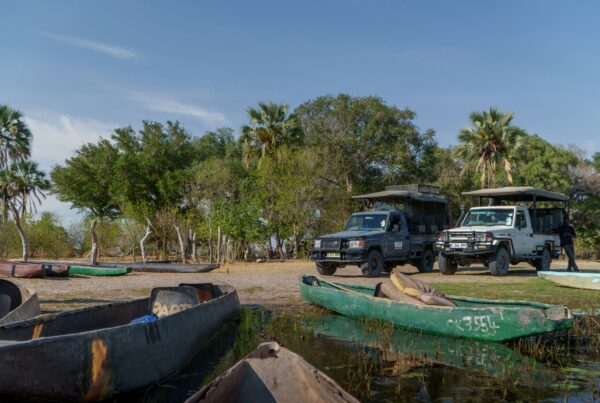
The swamp is accessed by canoe, allowing quiet navigation through papyrus channels where shoebills hunt in shallow waters.
Local guides track sightings using knowledge of feeding zones and nesting behavior.
The shoebill stork Uganda where to find journey often begins here for travelers with limited time before or after flights through Entebbe International Airport.
Mabamba Swamp offers high sighting success rates and is ideal for half-day or full-day birding excursions.
Shoebill Habitat and Behavior
Shoebill storks prefer freshwater wetlands with slow-moving or stagnant water, where they can hunt fish such as lungfish, catfish, and tilapia.
They are solitary birds and often remain motionless for long periods while waiting for prey.
Their slow movement and silent hunting style make them difficult to spot without experienced guides.
The shoebill stork Uganda where to find strategy relies heavily on understanding habitat behavior, water levels, and feeding patterns.
Their nests are typically built in remote swamp areas, making conservation protection essential for survival.
Best Time to See Shoebill Stork in Uganda
Shoebill sightings are possible throughout the year, but certain conditions improve visibility.
Dry seasons offer easier access to wetlands and clearer water channels, while wet seasons expand wetland habitats but may make navigation more challenging.
Early morning hours provide the best chance of sightings due to increased feeding activity.
The shoebill stork Uganda where to find experience is most successful when guided by local birding experts who understand seasonal movement patterns.
Birding success rates remain consistently high in Mabamba Swamp and Murchison Falls delta throughout the year.
Birdwatching Experience in Uganda
Uganda is one of Africa’s top birding destinations, with over 1,000 recorded bird species across forests, wetlands, savannahs, and lakes.
The shoebill is one of the most iconic species, but birders also encounter kingfishers, bee-eaters, herons, hornbills, and African fish eagles.
The shoebill stork Uganda where to find experience is often part of broader birding safaris that include multiple ecosystems.
Murchison Falls National Park alone hosts over 450 bird species, making it a prime destination for combined wildlife and birding safaris.
Boat Safaris and Canoe Birding Experiences
Boat-based birding is one of the most effective ways to locate shoebill storks in Uganda.
In Mabamba Swamp, traditional canoe tours allow silent movement through narrow channels, increasing chances of close encounters.
In Murchison Falls National Park, larger boat safaris explore the Nile Delta and riverbanks where shoebills hunt.
The shoebill stork Uganda where to find experience becomes more immersive when combined with water-based exploration.
These boat excursions also reveal other wetland species and scenic landscapes.
Photography Tips for Shoebill Stork Sightings
Photographing shoebill storks requires patience, long lenses, and careful positioning.
Because shoebills move slowly, photographers often have time to capture detailed portraits and behavioral shots.
Early morning light provides the best contrast for wetland photography.
The shoebill stork Uganda where to find photography experience benefits greatly from calm water conditions and experienced birding guides.
Minimal disturbance is important to avoid scaring the bird away.
Conservation Status and Protection Efforts
The shoebill stork is classified as vulnerable due to habitat loss, human disturbance, and wetland degradation.
Uganda has implemented conservation programs to protect wetland ecosystems and regulate birdwatching tourism.
Revenue from tourism contributes directly to conservation efforts and community development.
The shoebill stork Uganda where to find experience is therefore closely linked to responsible tourism practices.
Guides and local communities play a key role in protecting nesting and feeding areas.
Health and Travel Preparation for Birding Safaris
Birding safaris often involve wetland environments, boat travel, and early morning excursions.
Travelers should prepare with waterproof clothing, insect repellent, and proper footwear.
It is also recommended to have travel health protection for Uganda trips.
The phrase uganda travel insurance safari 2026 is an important consideration for international travelers planning multi-activity safaris that include birding, game drives, and forest excursions.
Travel insurance ensures coverage for medical needs, trip interruptions, and unexpected changes during safari travel.
Combining Shoebill Birding With Murchison Falls Safari
One of the best ways to experience shoebill storks is by combining birding with a full safari in Murchison Falls National Park.
This allows travelers to enjoy both wetland birding and classic savannah game drives in one itinerary.
Visitors can track shoebills in the Nile Delta, then continue to see lions, elephants, giraffes, and hippos in the park’s northern plains.
The shoebill stork Uganda where to find journey becomes more rewarding when integrated into a broader wildlife safari experience.
Murchison Falls Park Safari designs itineraries that combine both experiences seamlessly.
Why Uganda Is the Best Shoebill Destination in Africa
Uganda offers one of the highest probabilities of shoebill sightings due to its extensive wetland systems and conservation-focused tourism model.
Unlike many other countries where sightings are rare, Uganda provides structured birding experiences with trained guides and reliable habitats.
The shoebill stork Uganda where to find experience is consistently successful in key locations such as Mabamba Swamp and Murchison Falls Delta.
This makes Uganda a top destination for birdwatchers worldwide.