Best Time to Visit Lake Mburo National Park: A Complete Seasonal Guide for Wildlife, Birding, and Safari Experiences
Lake Mburo National Park is one of Uganda’s most accessible wildlife destinations and offers exceptional safari experiences throughout the year. Located approximately 240 kilometers west of Kampala, this compact yet diverse national park is renowned for its large populations of zebras, impalas, elands, buffaloes, hippos, giraffes, and over 350 bird species. Unlike many other protected areas in Uganda, Lake Mburo provides unique activities such as walking safaris, horseback safaris, cycling safaris, and boat cruises, making it a favorite stop on journeys between Kampala and Bwindi Impenetrable National Park.
One of the most common questions travelers ask is: What is the best time to visit Lake Mburo National Park? The answer depends on your travel interests. Whether your goal is excellent wildlife viewing, birdwatching, photography, pleasant weather, or fewer crowds, every season offers something different.
This comprehensive guide explains the best months to visit Lake Mburo National Park, seasonal weather patterns, wildlife movements, birding opportunities, safari activities, accommodation considerations, and travel tips to help you plan the perfect Ugandan safari.
Why Timing Matters When Visiting Lake Mburo National Park
Choosing the best time to visit Lake Mburo National Park can significantly enhance your safari experience. Seasonal rainfall influences vegetation, road conditions, animal visibility, bird migrations, and photography opportunities.
Fortunately, Lake Mburo enjoys a relatively moderate climate throughout the year because of its location within Uganda’s western savannah ecosystem. Wildlife remains resident inside the park year-round, meaning there is never a completely “bad” time to visit.
However, understanding seasonal differences allows travelers to maximize their experience depending on personal interests.
Understanding Lake Mburo National Park’s Climate
The climate in Lake Mburo National Park is generally warm and pleasant.
Average daytime temperatures range between 24°C and 30°C (75°F to 86°F), while evenings cool down to around 14°C to 18°C (57°F to 64°F).
The park experiences two dry seasons and two rainy seasons.
The long dry season runs from June to September, while the shorter dry season occurs between December and February.
Rainfall is more common during March to May and October to November, although showers are rarely continuous throughout the day.
Because the park lies within a relatively dry corridor of Uganda, rainfall is generally lighter than in forests like Bwindi or Kibale.
Visiting Lake Mburo During the Dry Season (June to September)
For many safari enthusiasts, June through September represents the absolute best time to visit Lake Mburo National Park.
During these months, grasses become shorter and water sources gradually shrink, making wildlife easier to locate.
Animals naturally gather around permanent lakes and waterholes, increasing wildlife sightings during both game drives and boat cruises.
Road conditions also improve significantly.
Dust replaces mud, allowing safari vehicles to comfortably access remote sections of the park.
Walking safaris become particularly enjoyable because the dry ground provides easier hiking conditions.
Horseback safaris are equally rewarding, with excellent visibility across open savannah landscapes.
The dry season is especially popular among photographers due to clear blue skies, dramatic golden lighting, and spectacular sunsets over Lake Mburo.
Since these months coincide with peak tourism seasons, visitors should reserve accommodations several months in advance.
Wildlife Viewing During the Dry Season
The dry season offers outstanding opportunities to encounter many of Lake Mburo’s iconic species.
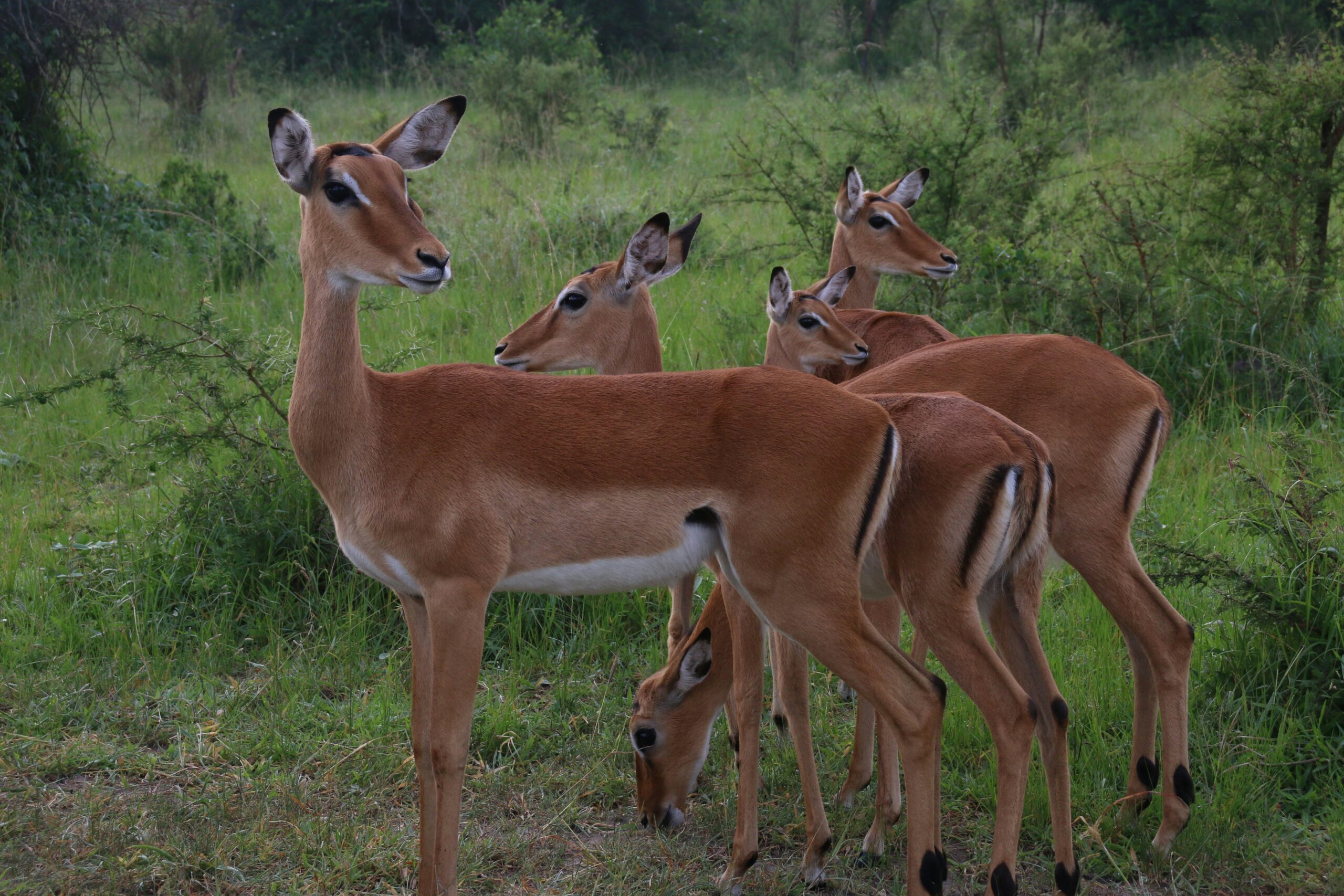
Large herds of zebras, impalas, buffaloes, eland antelopes, topis, waterbucks, warthogs, and oribis become easier to observe.
The park is also home to Uganda’s largest concentration of impalas.
Giraffes, successfully reintroduced to Lake Mburo, are now commonly seen throughout the park.
Hippos remain active around Lake Mburo itself, while crocodiles can occasionally be spotted during boat excursions.
Predators such as leopards become slightly easier to locate during evening or night game drives.
Dry Season Birdwatching
Although bird diversity peaks during wetter months, the dry season still offers excellent birding opportunities.
Resident species remain abundant throughout the year.
Bird enthusiasts frequently encounter:
African Fish Eagle
Crested Francolin
Lilac-breasted Roller
African Wattled Lapwing
Black-bellied Bustard
Southern Ground Hornbill
Bare-faced Go-away Bird
White-winged Warbler
The famous African Finfoot is regularly spotted during boat cruises.
Visiting Lake Mburo During the Short Dry Season (December to February)
Another outstanding period for visiting Lake Mburo National Park occurs between December and February.
These months feature warm weather, low rainfall, and excellent wildlife visibility.
The Christmas and New Year holidays bring increased visitor numbers, making early bookings important.
Game drives remain highly productive.
Boat safaris continue to provide excellent opportunities for viewing hippos, crocodiles, fish eagles, kingfishers, and waterbirds.
Walking safaris become especially comfortable due to cooler mornings.
This period also coincides with many international travelers combining Lake Mburo with Bwindi Gorilla Trekking.
Visiting During the Rainy Season (March to May)
Although many travelers automatically avoid rainy seasons, visiting Lake Mburo National Park between March and May offers numerous advantages.
The landscape transforms dramatically.
The savannah becomes lush green.
Acacia woodlands burst into life.
Wildflowers bloom across the park.
Photographers often consider this the most beautiful season.
The fresh vegetation creates stunning backdrops for wildlife photography.
Animals remain plentiful despite the thicker grass.
Rain usually falls during afternoons or evenings, leaving many mornings suitable for safari activities.
Accommodation prices frequently become more affordable.
Visitors also enjoy quieter game drives with fewer safari vehicles.
Birdwatching at Its Best
For bird lovers, the rainy season may actually represent the best time to visit Lake Mburo National Park.
Migratory birds from Europe and northern Africa arrive during these months.
The park’s already impressive checklist expands considerably.
Breeding plumage makes many resident birds particularly colorful.
Excellent sightings include:
Papyrus Gonolek
African Finfoot
Red-faced Barbet
White-backed Night Heron
Ross’s Turaco
Saddle-billed Stork
African Jacana
Giant Kingfisher
Grey Crowned Crane
Narina Trogon
Wetland habitats become especially active.
Boat cruises provide exceptional bird photography opportunities.
Visiting During October and November
The short rainy season arrives between October and November.
Rainfall tends to be lighter and less predictable than during March to May.
Many visitors find this period offers an excellent balance between lush scenery and good wildlife viewing.
Roads generally remain accessible.
Safari activities continue uninterrupted except during occasional heavy showers.
Accommodation availability improves compared to peak season.
Travelers seeking lower prices without sacrificing safari quality often choose these months.
Best Time for Wildlife Photography
Photographers have different seasonal preferences depending on the desired style.
The dry season provides:
Clear blue skies
Sharp wildlife visibility
Golden grasslands
Dramatic sunsets
Easier predator sightings
The rainy season provides:
Rich green landscapes
Vibrant vegetation
Reflections in wetlands
Baby animals
Colorful birdlife
Atmospheric cloud formations
Professional photographers often appreciate both seasons for entirely different reasons.
Best Time for Walking Safaris
One feature that makes Lake Mburo National Park unique is its guided walking safaris.
Unlike most Ugandan parks, visitors can safely explore certain areas on foot alongside armed Uganda Wildlife Authority rangers.
The dry seasons remain ideal.
Short grasses improve visibility.
Walking trails remain firm.
Temperatures are pleasant during early mornings.
Wildlife encounters become even more memorable when experienced on foot.
Best Time for Horseback Safaris
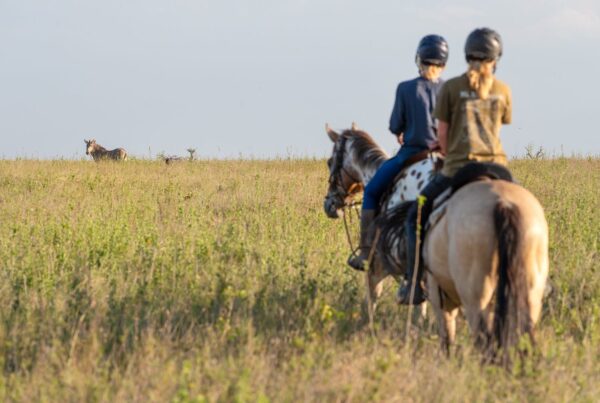
Horseback safaris represent one of Lake Mburo’s signature experiences.
Visitors ride through zebra herds, impalas, giraffes, and antelope without the noise of vehicles.
Dry months provide the best riding conditions.
Trails remain firm and easier to navigate.
Morning rides offer cooler temperatures and active wildlife.
Best Time for Boat Cruises
Boat safaris operate throughout the year.
Morning cruises often produce the best wildlife activity.
Hippos remain visible regardless of season.
Bird diversity increases during wetter months.
Dry seasons improve mammal viewing along the shoreline.
Sunset cruises provide spectacular scenery in nearly every month.
Monthly Breakdown
January
Excellent wildlife viewing.
Warm weather.
Ideal for photography.
February
Dry conditions continue.
Comfortable safari weather.
Excellent game drives.
March
Green landscapes emerge.
Migratory birds arrive.
Fewer tourists.
April
Peak green season.
Outstanding birdwatching.
Discounted accommodation.
May
Beautiful scenery.
Excellent photography.
Quiet safari experience.
June
Beginning of prime safari season.
Outstanding wildlife visibility.
July
One of the busiest safari months.
Ideal for walking safaris.
August
Peak wildlife viewing.
Excellent weather.
Minimal rainfall.
September
Dry conditions continue.
Outstanding game viewing.
October
Short rains begin.
Fresh vegetation returns.
November
Birdwatching improves.
Lower visitor numbers.
December
Excellent safari conditions.
Holiday travel increases.
Combining Lake Mburo with Other Ugandan Destinations
Many visitors include Lake Mburo National Park as part of a broader Uganda safari.
Popular combinations include:
Bwindi Impenetrable National Park for mountain gorilla trekking.
Murchison Falls National Park for the Nile boat safari and Big Five wildlife.
Kibale National Park for chimpanzee trekking.
Queen Elizabeth National Park for tree-climbing lions and Kazinga Channel cruises.
Mgahinga Gorilla National Park for golden monkey tracking.
This combination creates one of East Africa’s most diverse safari itineraries.
Accommodation Throughout the Year
Accommodation options remain open year-round.
Luxury travelers frequently choose:
Mihingo Lodge
Kigambira Safari Lodge
Kigarama Wilderness Lodge
Mid-range visitors often select:
Rwakobo Rock
Eagle’s Nest Lodge
Hyena Hill Lodge
Peak travel periods require advance reservations, particularly between June and September and during December holidays.
Essential Packing Tips
Regardless of when you visit, pack lightweight neutral-colored clothing suitable for safari activities.
Include a light waterproof jacket, especially during the rainy months, along with comfortable walking shoes, a wide-brimmed hat, sunscreen, sunglasses, insect repellent, binoculars, a camera with extra batteries, and reusable water bottles. Early mornings and evenings can be cool, so carrying a fleece or light sweater is recommended.
Conservation in Lake Mburo National Park
Lake Mburo National Park plays an important role in conserving Uganda’s savannah ecosystems. It protects one of the country’s largest populations of impalas, supports thriving zebra and giraffe populations, and safeguards important wetland habitats that sustain hundreds of bird species. Tourism directly contributes to wildlife conservation, anti-poaching initiatives, habitat management, and community development projects surrounding the park.
Choosing responsible safari operators helps ensure that tourism continues to benefit both local communities and conservation efforts.
Plan Your Lake Mburo Safari with Murchison Falls Park Safari
Whether you choose the dry season for exceptional wildlife viewing or the green season for outstanding birdwatching and photography, Lake Mburo National Park delivers rewarding safari experiences throughout the year. Its proximity to Kampala, unique safari activities, diverse wildlife, and beautiful landscapes make it an essential destination on any Uganda safari itinerary.
At Murchison Falls Park Safari, we design tailor-made Uganda safaris that include Lake Mburo National Park, Murchison Falls National Park, Bwindi Impenetrable National Park, Queen Elizabeth National Park, and other remarkable destinations across the country. Our experienced guides, carefully selected accommodations, and personalized itineraries ensure an unforgettable safari experience.
Explore our Uganda safari packages and contact our team to begin planning your customized Lake Mburo adventure today.