

African Elephant Behavior: What to Know on Safari
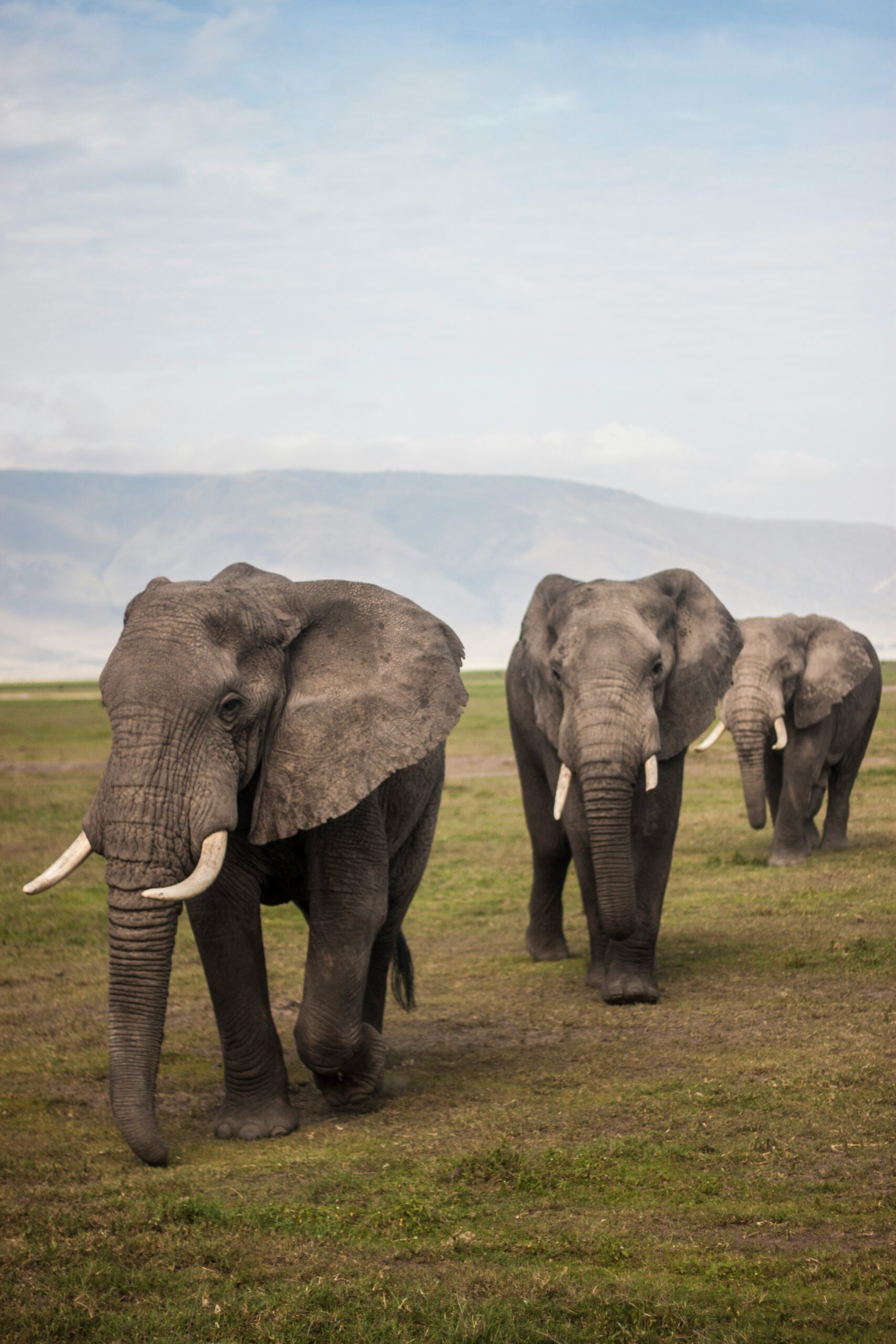
Encountering elephants in the wild is one of the most exciting moments during an African safari. Their massive size, intelligence, social interactions, and calm presence make them among the most admired animals on the continent. Understanding African Elephant Behavior helps safari travelers appreciate these remarkable animals beyond simply observing them from a vehicle.
African elephants are highly intelligent mammals with strong social bonds, emotional awareness, advanced communication systems, and complex behaviors that continue to fascinate researchers and wildlife enthusiasts. Watching a herd move across the savannah, seeing calves protected by adults, or observing elephants bathing along a riverbank creates unforgettable safari memories.
Uganda is one of the best destinations in East Africa for viewing elephants in their natural environment. National parks such as Murchison Falls National Park, Queen Elizabeth National Park, and Kidepo Valley National Park support healthy elephant populations within diverse ecosystems ranging from savannah grasslands to riverine forests.
Learning about elephant behavior also improves safari safety and deepens wildlife experiences. Elephants communicate through body language, sounds, movement patterns, and even vibrations. Visitors who understand these signals gain greater insight into elephant society and how to behave responsibly around them during safari activities.
This guide explores everything travelers should know about African Elephant Behavior, including elephant family life, feeding habits, communication methods, migration, emotions, aggression signs, conservation challenges, and the best places to see elephants during a Uganda safari.
Understanding African Elephants
African elephants are the largest land mammals on Earth. Adult males can weigh over six tons and stand more than three meters tall at the shoulder. Their enormous ears, long trunks, ivory tusks, and powerful bodies make them instantly recognizable.
There are two African elephant species: the African savannah elephant and the African forest elephant. Uganda is primarily home to savannah elephants found within open grasslands, woodlands, and national parks.
Despite their immense strength, elephants are highly social and often display gentle and protective behaviors within family groups. Their intelligence rivals that of some primates and marine mammals, making them among the most emotionally complex animals in the wild.
Travelers observing elephants on safari quickly notice how interactive and expressive these animals are in natural environments.
Elephant Family Structure
One of the most fascinating aspects of African Elephant Behavior is their strong family organization. Elephant herds are matriarchal, meaning they are led by an older and experienced female known as the matriarch.
The matriarch guides the herd to water sources, feeding areas, and safe migration routes. Her experience is essential for the survival of younger elephants, especially during droughts or environmental challenges.
A typical elephant family includes mothers, daughters, sisters, calves, and juveniles. Female elephants usually remain within the herd for life, creating long-term family bonds that can last decades.
Male elephants eventually leave the family group as they mature. Adult bulls may live alone or form loose bachelor groups with other males.
Watching elephant families interact during a safari reveals deep emotional connections. Adults cooperate in caring for calves, protecting vulnerable members, and responding collectively to threats.
Calves are constantly surrounded by protective females known as “allomothers,” who assist mothers in raising young elephants.
Elephant Communication
Elephants possess one of the most advanced communication systems in the animal kingdom. Understanding elephant communication helps visitors better interpret African Elephant Behavior during safaris.
Elephants communicate using vocal sounds, body movements, touch, and low-frequency vibrations called infrasound. Some of these sounds travel several kilometers and cannot always be heard by humans.
Trumpeting is one of the most recognizable elephant calls and is often associated with excitement, alarm, or aggression. However, elephants also use rumbles, growls, snorts, and chirps in daily communication.
Touch plays a major role in elephant society. Elephants frequently use their trunks to greet, comfort, guide, and reassure one another.
Body language is equally important. Ear positioning, head posture, trunk movements, and foot stamping all convey different emotional states.
Safari guides often interpret these signals to determine whether elephants are relaxed, curious, nervous, or potentially aggressive.
Feeding Habits of African Elephants
Elephants are massive herbivores with enormous appetites. Adult elephants can consume hundreds of kilograms of vegetation and drink large amounts of water daily.
Their diet includes grasses, leaves, bark, roots, fruits, and branches. During dry seasons, elephants may strip bark from trees or dig for underground water sources.
The elephant’s trunk is an extraordinary feeding tool capable of delicate and powerful movements. It can pick up tiny objects or pull down heavy branches with remarkable precision.
In Uganda’s national parks, visitors often see elephants feeding in grasslands during morning game drives or browsing trees along riverbanks in the afternoon.
The feeding behavior of elephants significantly shapes ecosystems. By knocking down trees, dispersing seeds, and creating pathways, elephants influence vegetation patterns and habitat diversity.
Because of their ecological importance, elephants are often called “ecosystem engineers.”
Elephant Intelligence and Emotions
Research into African Elephant Behavior has revealed remarkable levels of intelligence and emotional awareness.
Elephants demonstrate problem-solving abilities, memory retention, self-recognition, empathy, and mourning behaviors. They can recognize individuals after long separations and remember migration routes over many years.
One of the most emotional behaviors observed in elephants is their response to death. Elephant herds sometimes remain near deceased individuals, touching bones gently with their trunks and appearing visibly distressed.
Calves show playful behavior and curiosity, while adults demonstrate patience and cooperation within family groups.
These emotional qualities create strong connections between elephants and safari travelers who witness their interactions firsthand.
Many visitors describe elephant encounters as deeply moving because the animals display behaviors that feel surprisingly familiar and relatable.
Elephant Migration and Movement
Elephants are highly mobile animals that travel long distances searching for food, water, and suitable habitats.
Seasonal migration patterns depend heavily on rainfall, vegetation growth, and water availability. During dry seasons, elephants often move toward permanent rivers and wetlands.
In Uganda, elephant movements are especially noticeable in parks like Murchison Falls National Park and Queen Elizabeth National Park where large herds gather near water sources.
Migration also plays a crucial role in maintaining healthy ecosystems because elephants disperse seeds and create natural wildlife corridors.
Human development, agriculture, and fencing increasingly disrupt traditional elephant migration routes across Africa, creating conservation challenges.
Signs of Elephant Aggression
While elephants are generally peaceful animals, understanding warning signs is essential for safari safety.
Aggressive behavior may occur when elephants feel threatened, especially mothers protecting calves or bulls during musth, a hormonal condition associated with increased testosterone levels.
Signs of stress or aggression include head shaking, ear spreading, trumpeting, mock charges, dust throwing, trunk curling, and foot stamping.
Safari guides are trained to recognize these signals and maintain safe distances from elephants displaying defensive behaviors.
Visitors should always remain quiet, avoid sudden movements, and follow guide instructions carefully during elephant encounters.
Responsible safari operators prioritize wildlife welfare and avoid pressuring animals for closer viewing opportunities.
Elephants in Uganda’s National Parks
Uganda offers exceptional opportunities for observing elephants on safari across multiple national parks.
Murchison Falls National Park contains one of Uganda’s largest elephant populations. Visitors commonly see herds along the Nile River and open savannah plains during game drives and boat cruises.
Queen Elizabeth National Park is another outstanding destination where elephants roam grasslands, crater lakes, and the Kazinga Channel region.
Kidepo Valley National Park in northeastern Uganda offers more remote and dramatic elephant sightings against stunning mountain landscapes.
Lake Mburo National Park occasionally hosts smaller elephant populations within nearby conservation areas.
Each park provides unique scenery and elephant viewing experiences that contribute to Uganda’s reputation as a premier wildlife safari destination.
Boat Safaris and Elephant Viewing
Boat safaris provide some of the best opportunities to observe natural African Elephant Behavior.
In Murchison Falls National Park, elephants frequently gather along the Nile River to drink, bathe, and feed on riverside vegetation. Watching elephants spray water across their bodies or interact playfully near the shoreline creates incredible safari moments.
The Kazinga Channel boat safari in Queen Elizabeth National Park also offers excellent elephant sightings alongside hippos, crocodiles, buffaloes, and numerous bird species.
Boat-based viewing allows visitors to observe elephants calmly without disturbing their natural activities.
Elephant Calves and Parenting
Elephant calves are among the most beloved animals seen during safaris. Newborn calves can weigh over 100 kilograms and remain heavily dependent on maternal care for several years.
Mothers are extremely protective, while other females within the herd help guard and nurture young calves.
Calves learn social skills, feeding habits, migration routes, and survival behaviors by observing older elephants.
Play is important for young elephants and often includes chasing, trunk wrestling, mud bathing, and splashing in water.
Watching calves interact with adults provides insight into the complexity and warmth of elephant family life.
Conservation Challenges Facing African Elephants
Despite their popularity and ecological importance, African elephants face significant conservation threats.
Poaching for ivory remains one of the greatest dangers to elephant populations in parts of Africa. Habitat loss, human-wildlife conflict, agricultural expansion, and infrastructure development also threaten elephant survival.
In Uganda, conservation efforts have helped elephant populations recover in several protected areas following historical declines caused by poaching.
Organizations, park authorities, local communities, and tourism operators work together to protect elephant habitats and reduce illegal wildlife trade.
Responsible tourism contributes directly to elephant conservation through park fees, anti-poaching support, and community development initiatives.
Safari Photography Tips for Elephants
Photographing elephants requires patience and awareness of their behavior.
Early morning and late afternoon lighting provide the best conditions for capturing dramatic wildlife images.
Photographers should focus not only on portraits but also on elephant interactions, family movement, dust bathing, and environmental scenes.
Wide-angle shots showing elephants within Uganda’s landscapes often create powerful safari photographs.
Respecting safe distances is essential for ethical wildlife photography.
Best Time to See Elephants in Uganda
Elephants can be seen throughout the year in Uganda, but dry seasons from June to September and December to February generally provide the best wildlife viewing conditions.
During dry periods, elephants gather around rivers, wetlands, and waterholes, making sightings more predictable.
Vegetation is also thinner during dry seasons, improving visibility during game drives.
Rainy seasons offer greener scenery and excellent photography opportunities, although wildlife may spread across larger areas.
Why Elephant Encounters Matter on Safari
Observing African Elephant Behavior transforms ordinary wildlife viewing into meaningful safari experiences.
Elephants are not simply large animals wandering the savannah. They are intelligent, emotional, socially connected beings with complex behaviors and essential ecological roles.
Understanding elephant society helps travelers appreciate conservation efforts and the importance of protecting Africa’s remaining wilderness areas.
Whether watching a matriarch lead her family, calves playing near a riverbank, or bulls feeding quietly at sunset, elephant encounters remain among the most unforgettable moments in African travel.
Uganda’s national parks continue to provide exceptional opportunities for experiencing these magnificent animals within some of East Africa’s most beautiful landscapes.