Uganda Birding: Top 10 Must-See Species
Uganda is widely regarded as one of Africa’s greatest birdwatching destinations, attracting birders, wildlife photographers, conservationists, and safari travelers from around the world. With over 1,090 recorded bird species packed into a relatively small geographic area, the country offers one of the richest birding experiences on the African continent. From the lush rainforests of Bwindi Impenetrable National Park to the wetlands of Mabamba Swamp and the savannah plains of Murchison Falls National Park, Uganda delivers extraordinary opportunities to encounter rare, endemic, and iconic birds.
For travelers planning a safari focused on Uganda birding, understanding which species to prioritize can greatly enhance the experience. Some birds are sought after because of their rarity, while others are admired for their beauty, behavior, or symbolic significance. Uganda’s diverse habitats support everything from giant forest species and powerful raptors to colorful kingfishers and elusive wetland specialists.
One of the most common questions among safari travelers is: which bird species are considered the most impressive or powerful in Uganda? While power may refer to physical strength in some birds and rarity or visual impact in others, each of Uganda’s top species contributes uniquely to the country’s world-class birdwatching reputation.
Why Uganda Is Africa’s Premier Birding Destination
Uganda’s remarkable bird diversity comes from its location at the intersection of East African savannahs, Central African rainforests, the Albertine Rift, and major freshwater ecosystems. This ecological richness creates ideal conditions for both resident and migratory bird species.
Birders visiting Uganda can encounter:
- Albertine Rift endemics
- Rare wetland birds
- Forest specialists
- Large birds of prey
- Waterbirds
- Colorful bee-eaters and kingfishers
- Migratory species from Europe and Asia
The country’s well-established safari infrastructure also makes birdwatching accessible. National parks such as Murchison Falls National Park, Queen Elizabeth National Park, Kibale Forest, Semuliki National Park, and Bwindi Impenetrable National Park offer excellent guiding services and comfortable accommodations for birding enthusiasts.
Unlike many African destinations where birding is secondary to wildlife safaris, Uganda has built a strong reputation specifically for dedicated birdwatching tours.
Shoebill Stork – Uganda’s Most Legendary Bird
The Shoebill Stork is undoubtedly Uganda’s most famous bird species and among the most sought-after birds in the world. Known for its prehistoric appearance, towering size, and massive shoe-shaped bill, the Shoebill captivates every birder fortunate enough to see one.
This remarkable bird inhabits papyrus swamps and wetlands, especially in areas such as Mabamba Swamp near Lake Victoria and parts of the Nile Delta in Murchison Falls National Park.
The Shoebill is often considered more powerful symbolically than physically because of its rarity and global birding importance. Spotting this species ranks among Africa’s ultimate birdwatching achievements.
Early morning canoe excursions through Mabamba Swamp provide some of the best opportunities for close encounters.
African Fish Eagle – The Voice of Africa
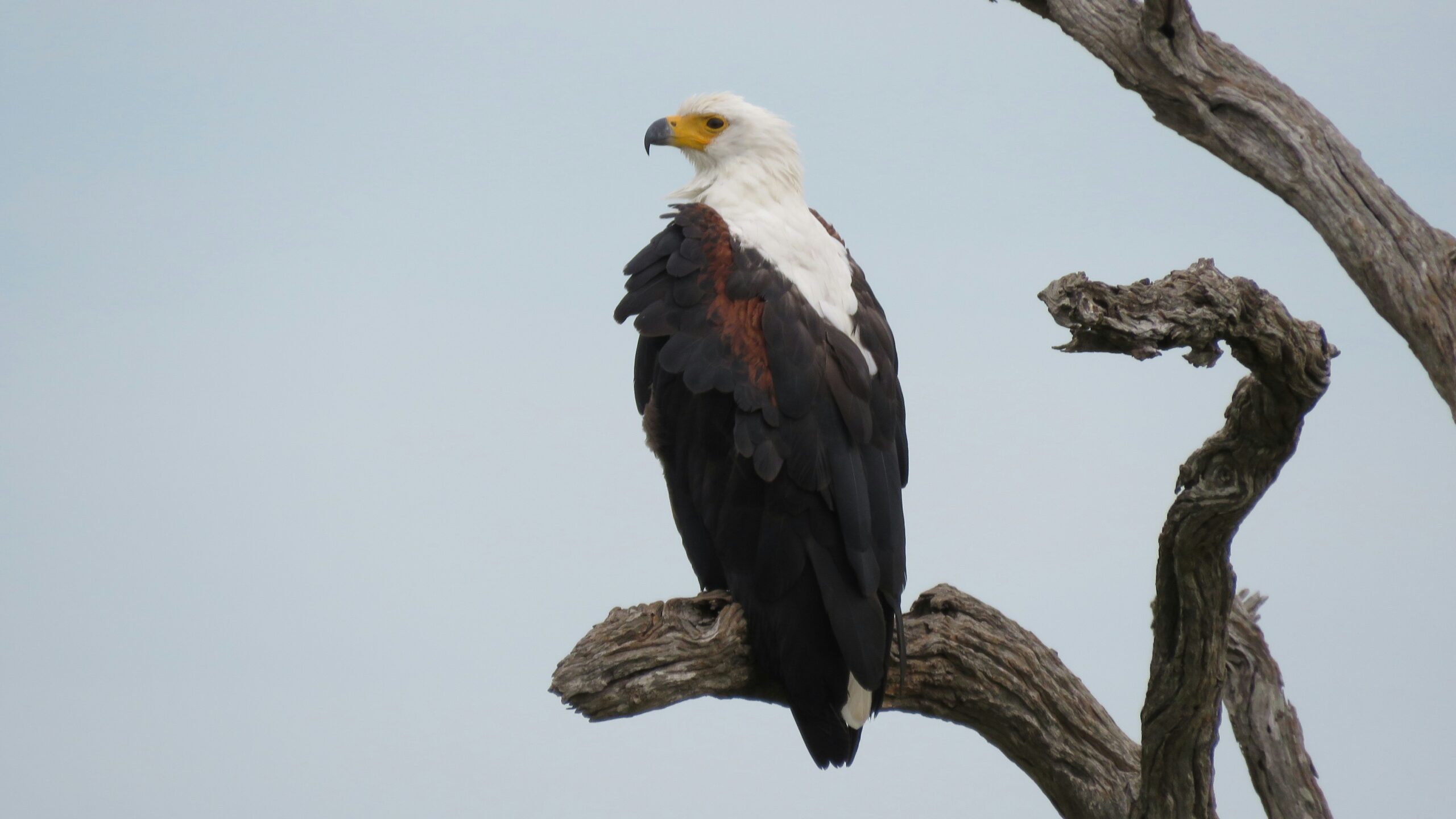
The African Fish Eagle is one of the continent’s most iconic birds of prey. Its haunting call has become synonymous with African wilderness and safari experiences.
Frequently seen along rivers and lakes throughout Uganda, the African Fish Eagle thrives particularly well in Murchison Falls National Park, Queen Elizabeth National Park, and Lake Mburo National Park.
This eagle demonstrates remarkable hunting power as it swoops from tall perches to snatch fish from the water using strong talons. While larger eagles exist in Africa, the Fish Eagle dominates aquatic ecosystems and remains one of Uganda’s most photographed bird species.
Boat cruises along the Nile River provide exceptional opportunities to observe these birds in action.
Grey Crowned Crane – Uganda’s National Bird
The Grey Crowned Crane holds a special place in Uganda because it appears on the country’s national flag and coat of arms. Elegant and visually striking, this bird is recognized by its golden crown of stiff feathers, graceful movements, and elaborate courtship dances.
Grey Crowned Cranes are commonly found in wetlands, grasslands, and agricultural areas throughout Uganda. Despite their beauty, they face growing threats from habitat destruction and illegal capture.
These birds symbolize peace, grace, and national pride, making them an essential species for travelers interested in Uganda’s cultural and natural heritage.
Great Blue Turaco – Forest Jewel of Uganda
The Great Blue Turaco is among Uganda’s most spectacular forest birds. With brilliant blue plumage, yellow facial markings, and crimson wing patches visible during flight, this species stands out dramatically in tropical forests.
Birders often encounter Great Blue Turacos in Kibale Forest, Semuliki National Park, Bwindi Impenetrable Forest, and other rainforest habitats.
Although not physically powerful like raptors, the Great Blue Turaco commands attention because of its size, vivid coloration, and unique presence within Uganda’s forests.
Photographers especially value sightings of this bird because of its extraordinary visual appeal.
Martial Eagle – Uganda’s Most Powerful Raptor
When discussing which bird is truly the most powerful in Uganda, the Martial Eagle deserves serious consideration. As Africa’s largest eagle species, it possesses immense strength, sharp vision, and the ability to hunt sizeable prey.
Martial Eagles inhabit savannah regions including Murchison Falls National Park and Kidepo Valley National Park. They prey on monkeys, large birds, reptiles, and small antelopes.
Their enormous wingspan and dominance within aerial ecosystems make them one of Uganda’s most formidable predators.
Although sightings are less frequent compared to Fish Eagles, encountering a Martial Eagle during safari is an unforgettable experience for birders and wildlife enthusiasts.
Green-Breasted Pitta – Uganda’s Birding Treasure
The Green-Breasted Pitta ranks among Uganda’s most coveted forest birds. Rare, elusive, and exceptionally colorful, this species attracts dedicated international birders specifically to Uganda.
Found mainly in Kibale Forest National Park during breeding periods, the Green-Breasted Pitta displays vibrant green, yellow, turquoise, and red plumage.
Because it spends much of its time hidden on the forest floor, sightings require patience and expert guiding. Successfully spotting this species is considered a major birding accomplishment.
Uganda remains one of the few reliable destinations globally for observing the Green-Breasted Pitta.
Saddle-Billed Stork – Elegant Wetland Giant
The Saddle-Billed Stork is one of Africa’s tallest and most elegant wetland birds. Recognizable by its striking black-and-white plumage and colorful bill, it inhabits rivers, wetlands, and floodplains across Uganda.
Murchison Falls National Park offers particularly strong chances of sightings during Nile boat safaris. The species feeds on fish, amphibians, and small aquatic animals.
Its impressive size and graceful movements make it a favorite among photographers and safari travelers.
Abyssinian Ground Hornbill – Savannah Icon
The Abyssinian Ground Hornbill is one of Uganda’s most unusual birds. Unlike many hornbill species that spend most of their time in trees, this large bird walks extensively across open savannah landscapes.
Found in parks such as Murchison Falls and Kidepo Valley National Park, the Abyssinian Ground Hornbill feeds on insects, reptiles, rodents, and small vertebrates.
Its deep booming calls and dramatic appearance give it a commanding presence within Uganda’s grassland ecosystems.
Malachite Kingfisher – Small but Spectacular
The Malachite Kingfisher may be small in size, but it is among Uganda’s most beautiful birds. With brilliant turquoise-blue feathers and an orange underbelly, this species dazzles birdwatchers near rivers, swamps, and lakeshores.
Despite its delicate appearance, the Malachite Kingfisher is an efficient hunter capable of diving rapidly into water to catch fish and aquatic insects.
Wetland areas near Lake Mburo, Mabamba Swamp, and the Nile River offer excellent opportunities for sightings.
Secretary Bird – The Snake Hunter
The Secretary Bird is one of Africa’s most distinctive raptors. Tall, long-legged, and ground-dwelling, this bird specializes in hunting snakes and other small animals across open savannahs.
Secretary Birds use powerful kicks to kill prey, including venomous snakes, making them among the most unique predators in Uganda’s birdlife.
Although populations have declined in parts of Africa, Uganda’s protected savannah ecosystems continue supporting healthy numbers.
Birdwatching in Murchison Falls National Park
For travelers interested in seeing multiple iconic species during one safari, Murchison Falls National Park stands out as Uganda’s premier birdwatching destination.
The park hosts more than 450 recorded bird species, including:
- African Fish Eagle
- Shoebill Stork
- Saddle-Billed Stork
- Abyssinian Ground Hornbill
- Goliath Heron
- Giant Kingfisher
- Secretary Bird
- Martial Eagle
The combination of savannah, riverine forest, wetlands, and the Nile River creates extraordinary habitat diversity. Boat safaris, game drives, and guided nature walks all provide excellent birding opportunities.
Because birdwatching combines naturally with wildlife viewing, visitors often encounter elephants, giraffes, lions, buffaloes, crocodiles, and hippos alongside rare bird species.
Best Time for Uganda Birding Safaris
Uganda offers year-round birdwatching opportunities, though certain seasons provide specific advantages.
The dry seasons from June to September and December to February are generally ideal for safari travel because roads remain more accessible and wildlife concentrates around water sources.
Birders interested in migratory species often prefer the wetter months between November and April when European and Asian migrants are present.
Forest birding can remain productive throughout the year, while wetland birding is especially rewarding during periods of stable water levels.
Early morning excursions usually produce the best bird activity and photography conditions.
Photography Tips for Uganda Birding
Uganda’s varied landscapes create excellent opportunities for bird photography. Successful birding photography requires patience, proper equipment, and experienced guides familiar with bird behavior.
For species such as the Shoebill or African Fish Eagle, boat-based photography often provides the closest and most stable viewing opportunities.
Forest species may require higher ISO settings because of low light conditions beneath dense canopies.
Long telephoto lenses help capture detailed images while maintaining respectful distances from wildlife.
Birders should also pack binoculars, lightweight neutral-colored clothing, rain protection, sunscreen, and field guides for East African birds.
Conservation and Sustainable Birding Tourism
Uganda’s birdlife faces increasing pressures from habitat destruction, wetland drainage, climate change, and human encroachment. Conservation initiatives led by Uganda Wildlife Authority and international organizations play a crucial role in protecting critical ecosystems.
Birdwatching tourism directly supports conservation by generating park revenue, supporting local communities, and promoting environmental awareness.
Responsible birding practices include maintaining safe distances, minimizing disturbance, and supporting eco-friendly lodges and local guides.
As birdwatching continues growing globally, Uganda remains well positioned as one of Africa’s leading sustainable birding destinations.
Planning Your Uganda Birding Safari
Planning a successful Uganda birding safari involves selecting destinations based on target species, habitat preferences, and travel duration.
Many travelers combine birdwatching with gorilla trekking, chimpanzee tracking, and classic wildlife safaris to maximize their East African experience.
At Murchison Falls Park Safari, we organize customized Uganda birdwatching tours featuring expert guides, comfortable safari lodges, strategic birding routes, and opportunities to encounter the country’s top bird species in their natural habitats.
Whether you are searching for the rare Shoebill, photographing Fish Eagles along the Nile, or exploring rainforest trails for endemic species, Uganda delivers one of the world’s most rewarding birdwatching experiences.