

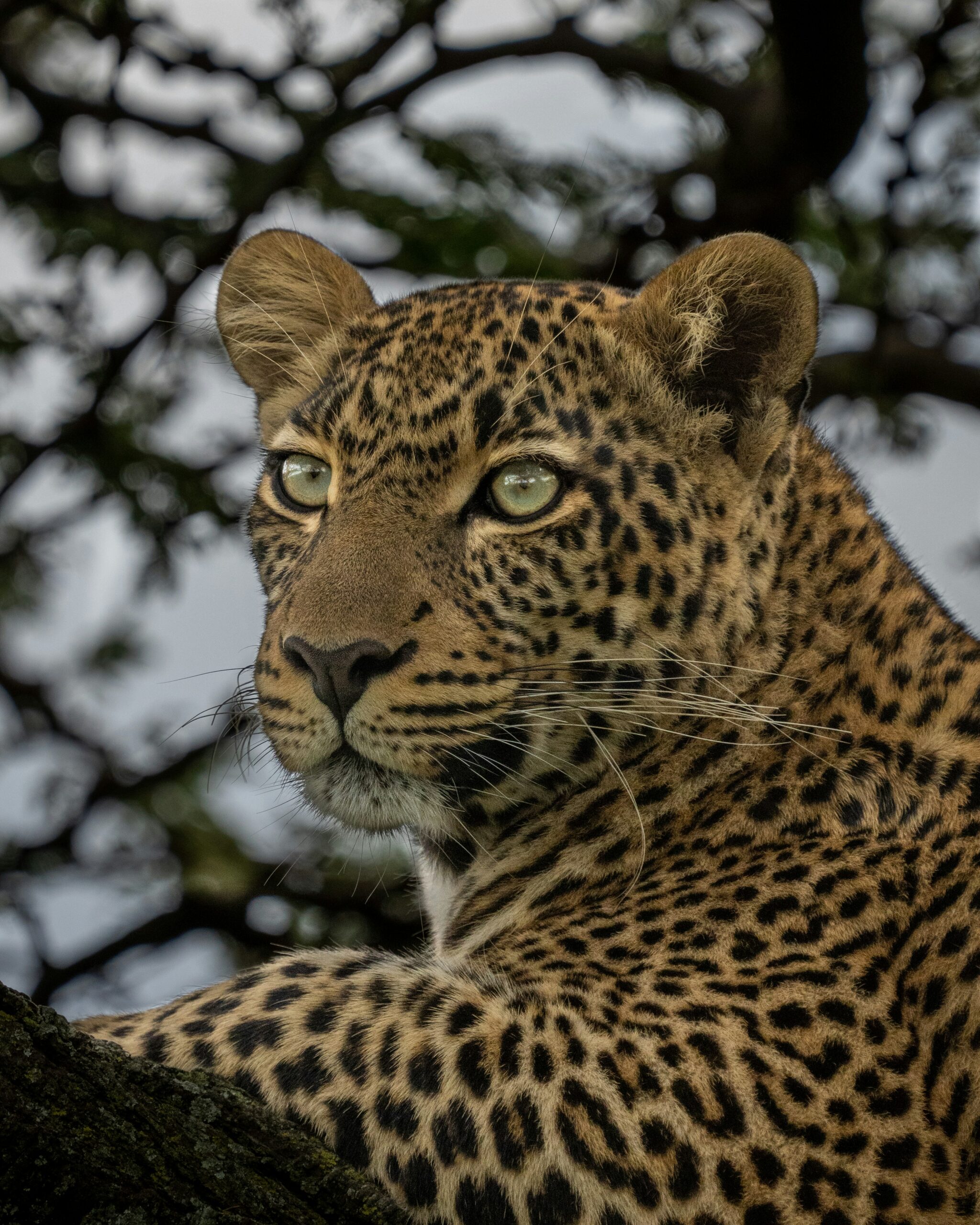
How to Spot a Leopard on Safari in Uganda
The leopard is one of Africa’s most elusive and fascinating predators, admired for its stealth, intelligence, beauty, and raw power. For many travelers visiting Uganda, seeing a leopard in the wild represents one of the ultimate safari achievements. Unlike lions that often move in open groups or elephants that dominate landscapes visibly, leopards rely on secrecy, camouflage, and patience to survive. Their mysterious nature makes every sighting feel special and unforgettable.
Uganda offers excellent opportunities for leopard sightings, particularly in savannah national parks such as Murchison Falls National Park, Queen Elizabeth National Park, Lake Mburo National Park, and Kidepo Valley National Park. However, spotting a leopard requires more than luck. Understanding leopard behavior, habitats, movement patterns, and safari timing dramatically improves the chances of encountering this magnificent cat.
One question frequently asked by safari travelers is whether the leopard is more powerful compared to other predators. While lions may dominate through social strength and sheer size, the leopard possesses unmatched stealth, climbing ability, adaptability, and solitary hunting intelligence. These qualities make it one of the most efficient predators in Africa and among the most respected members of the Big Five.
Why Leopards Are Difficult to Spot
The leopard’s reputation for being elusive is well deserved. Unlike many other large mammals in Uganda, leopards are naturally secretive and prefer remaining hidden during daylight hours.
Their spotted coats provide exceptional camouflage within grasslands, riverine forests, rocky outcrops, and woodland habitats. Even when a leopard is only a few meters away, it can remain nearly invisible among shadows and vegetation.
Leopards are also primarily nocturnal hunters. During the day, they often rest in trees, thick bushes, rocky crevices, or tall grass where they avoid direct sunlight and potential threats.
Because they hunt alone rather than in groups, their movement is quieter and less noticeable compared to lions or hyenas. This solitary lifestyle contributes to their mystique and rarity during safari game drives.
For safari enthusiasts, however, this challenge is exactly what makes leopard sightings so rewarding.
Understanding Leopard Behavior on Safari
To successfully spot a leopard on safari in Uganda, it is important to understand how these animals behave within their environment.
Leopards are opportunistic predators capable of adapting to diverse habitats. They feed on antelope, monkeys, warthogs, birds, rodents, reptiles, and even fish when opportunities arise. Their extraordinary strength allows them to drag prey into trees, protecting kills from scavengers such as hyenas and lions.
Unlike cheetahs that rely on speed in open plains, leopards depend on stealth and ambush tactics. They move carefully through vegetation before launching sudden attacks at close range.
In Uganda’s national parks, leopards frequently use riverbanks, woodland edges, rocky areas, and game trails where prey movement is common.
Experienced safari guides often look for signs such as:
- Fresh tracks
- Alarm calls from monkeys or antelope
- Birds reacting to predator movement
- Drag marks from kills
- Tail movement in trees
- Resting shapes on tree branches
Patience and attention to subtle details are essential when searching for leopards.
Best Places to Spot Leopards in Uganda
Uganda contains several excellent leopard habitats, though some parks consistently provide stronger sighting opportunities.
Murchison Falls National Park
Murchison Falls National Park is one of the best places in Uganda to see leopards. The park’s combination of savannah grasslands, riverine woodland, and abundant prey creates ideal leopard territory.
Leopards are often spotted during early morning and evening game drives, particularly in the northern sector near Pakuba, Buligi, and the Delta region.
Night game drives dramatically increase sighting chances because leopards become more active after sunset. Visitors occasionally encounter them resting in trees during daytime drives, especially in shaded acacia woodlands.
The park’s healthy wildlife populations support a strong predator ecosystem that includes lions, hyenas, and occasionally elusive leopards.
Queen Elizabeth National Park
Queen Elizabeth National Park is another prime leopard destination in Uganda. The Ishasha sector, famous for tree-climbing lions, also supports leopard populations within fig tree forests and savannah landscapes.
The Kasenyi Plains area provides excellent predator viewing opportunities because of large Uganda kob populations that attract carnivores.
Night drives in Queen Elizabeth National Park are especially productive for leopard sightings.
Lake Mburo National Park
Lake Mburo National Park offers relatively high leopard encounter rates despite its smaller size. Dense woodland and acacia habitats provide ideal cover for these cats.
Night game drives are highly recommended because many leopard sightings occur after dark.
Kidepo Valley National Park
Kidepo Valley National Park, located in Uganda’s remote northeastern region, supports one of the country’s most untouched predator ecosystems.
Leopards thrive within rocky outcrops and savannah valleys where prey remains abundant and tourism pressure is lower.
Although access requires longer travel, Kidepo offers some of Uganda’s most authentic wilderness experiences.
The Best Time to Spot Leopards in Uganda
Leopards can be seen year-round in Uganda, but certain conditions improve visibility.
The dry seasons from June to September and December to February are generally best because vegetation becomes thinner and wildlife concentrates around water sources.
During rainy seasons, tall grass and dense vegetation can make spotting predators more challenging.
Time of day also matters significantly. Leopards are most active during:
- Early mornings
- Late afternoons
- Nighttime hours
Morning game drives often reveal leopards returning from nighttime hunting activity, while evening drives provide opportunities to observe movement before darkness fully sets in.
Night drives offer the highest probability of sightings because leopards actively hunt after sunset.
Why Leopards Are Considered Powerful Predators
When discussing which African predator is more powerful, leopards deserve enormous respect despite being smaller than lions.
The leopard’s power lies in its versatility and efficiency. It combines stealth, climbing skill, agility, intelligence, and raw muscular strength into one highly adaptable predator.
Leopards can carry prey heavier than themselves up trees, something few predators can achieve. Their strong jaws and muscular bodies allow them to dominate prey surprisingly large for their size.
Unlike lions that rely heavily on pride cooperation, leopards survive entirely alone. Every hunt, territory defense, and survival decision depends solely on individual ability.
Their adaptability also makes them one of Africa’s most widespread large cats. Leopards survive in savannahs, forests, mountains, wetlands, and even near human settlements.
This remarkable resilience is a major reason why leopards remain among Africa’s most successful predators.
Leopard Spotting Tips for Safari Travelers
Spotting a leopard requires strategy, patience, and awareness. Travelers who understand safari techniques often enjoy better success rates.
Go on Early Morning Drives
Morning drives provide some of the best opportunities because leopards may still be active from nighttime hunting before retreating into hiding spots.
Cooler temperatures also encourage predator movement.
Book Night Game Drives
Night safaris dramatically increase leopard encounter chances. Spotlight-guided drives allow visitors to detect glowing leopard eyes in darkness.
Uganda’s national parks increasingly offer professionally guided night drives, especially in Murchison Falls and Queen Elizabeth National Park.
Stay Quiet During Game Drives
Noise can easily scare leopards into dense cover. Maintaining silence allows guides to hear alarm calls and detect movement more effectively.
Watch Trees Carefully
Leopards frequently rest on tree branches during the day. Scan large acacia trees and fig trees carefully for hanging tails or spotted bodies.
Trust Experienced Guides
Professional safari guides understand leopard behavior and recognize subtle signs invisible to most visitors.
Their tracking skills significantly improve spotting success.
Leopard Photography on Safari
Photographing leopards is one of the most exciting safari experiences in Uganda.
Because sightings may be brief, photographers should keep cameras ready during drives through leopard habitat.
Telephoto lenses help capture detailed portraits while maintaining safe distances. Low-light performance is especially important for dawn, dusk, and night photography.
Patience is essential because leopards often remain partially hidden behind vegetation or tree branches.
Successful leopard photography rewards those willing to wait quietly for movement, eye contact, or dramatic positioning.
Leopards and Uganda’s Big Five Safari Experience
Leopards are one of Africa’s famous Big Five animals alongside lions, elephants, buffaloes, and rhinos.
For many visitors, completing a Big Five safari in Uganda becomes a major travel goal. Murchison Falls National Park contributes strongly toward this experience through healthy predator populations and exceptional game-viewing opportunities.
Uganda’s growing reputation for wildlife tourism now combines classic Big Five safaris with gorilla trekking, chimpanzee tracking, birdwatching, and cultural experiences.
This diversity makes Uganda uniquely positioned among African safari destinations.
Conservation Challenges Facing Leopards
Although leopards remain widely distributed across Africa, they face increasing threats from habitat loss, poaching, human-wildlife conflict, and declining prey populations.
Protected national parks play a critical role in conserving Uganda’s leopard populations by preserving habitats and maintaining healthy ecosystems.
Responsible tourism contributes directly to conservation funding, anti-poaching efforts, and community engagement programs.
Travelers supporting sustainable safari operators help ensure future generations can continue experiencing leopards in the wild.
Combining Leopard Tracking with Other Safari Activities
One of Uganda’s greatest safari advantages is the ability to combine predator tracking with other extraordinary wildlife experiences.
Travelers searching for leopards in Murchison Falls National Park can also enjoy:
- Nile boat safaris
- Birdwatching tours
- Chimpanzee tracking
- Rhino tracking at Ziwa Rhino Sanctuary
- Cultural encounters
- Nature walks
- Big Five safaris
Many visitors combine Murchison Falls with Bwindi Impenetrable National Park for a complete Uganda safari featuring both leopards and mountain gorillas.
This combination creates one of Africa’s most diverse wildlife itineraries.
Planning Your Leopard Safari in Uganda
Planning a successful leopard safari requires choosing the right destinations, accommodations, and safari schedules.
Lodges located near prime game-viewing areas improve access to early morning and late evening drives when predator activity peaks.
At Murchison Falls Park Safari, we organize customized Uganda safaris designed to maximize wildlife encounters while providing comfortable accommodations, expert guiding, and immersive safari experiences.
Our itineraries combine leopard tracking with Uganda’s other top attractions, ensuring travelers experience the country’s incredible biodiversity fully.
Whether you are an experienced wildlife enthusiast or visiting Africa for the first time, seeing a leopard in Uganda is a truly unforgettable moment that captures the mystery and excitement of African safari travel.