
Queen Elizabeth National Park: Uganda’s Ultimate Wildlife Safari Destination
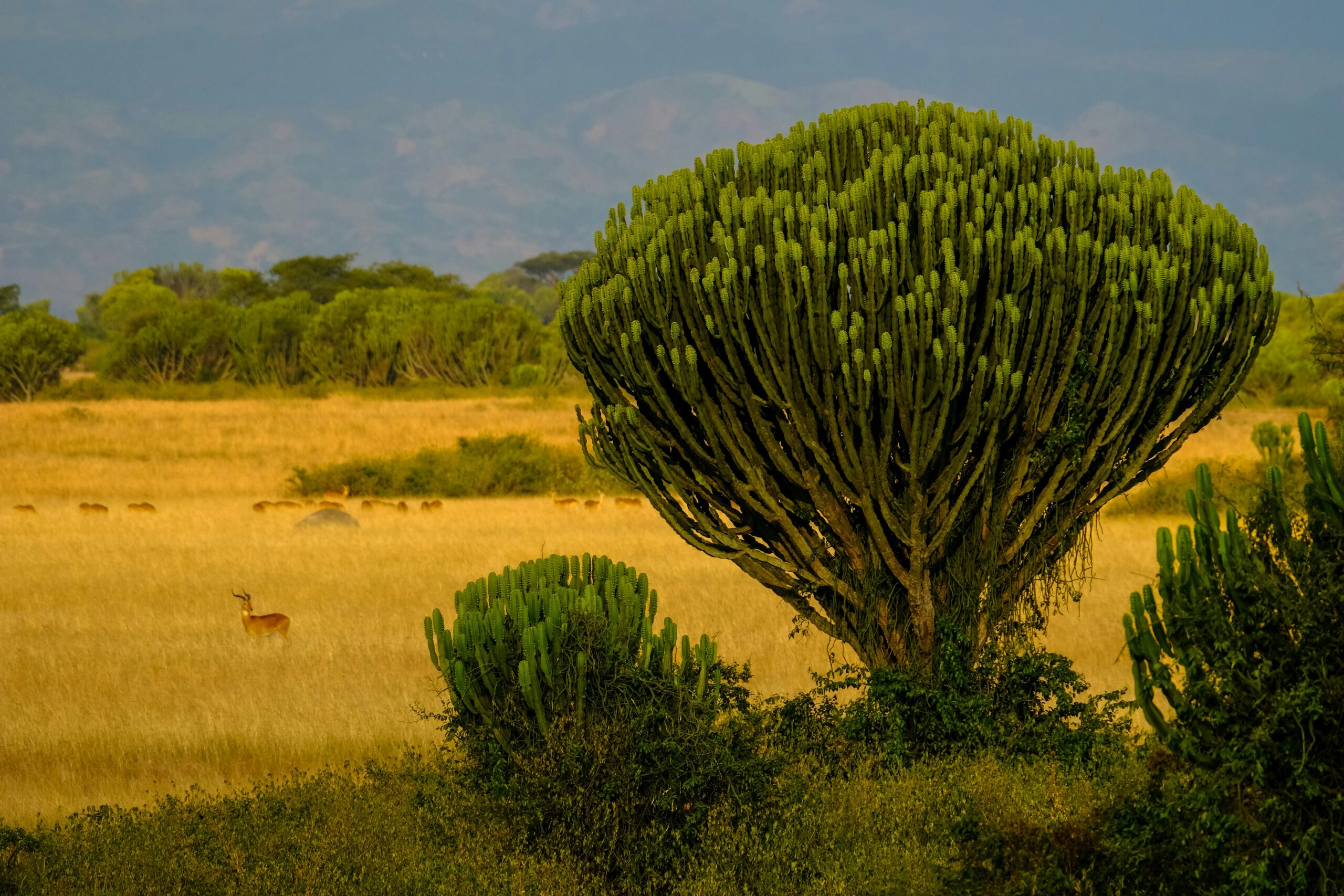
Stretching across western Uganda beneath the majestic Rwenzori Mountains, Queen Elizabeth National Park is one of Africa’s most diverse and scenic wildlife destinations. Famous for its tree-climbing lions, massive hippo populations, volcanic crater lakes, and the wildlife-rich Kazinga Channel, the park offers one of the most complete safari experiences in East Africa.
Covering nearly 2,000 square kilometers, the park is Uganda’s most visited savannah national park and one of the country’s top safari highlights. Travelers visiting Queen Elizabeth National Park experience an extraordinary blend of landscapes, from open grasslands and wetlands to tropical forests and crater lakes. This ecological diversity supports an impressive variety of wildlife, making the park ideal for game drives, birdwatching, boat safaris, and primate experiences.
For travelers planning a Uganda safari through Murchison falls park safari, Queen Elizabeth National Park provides the perfect combination of classic African wildlife and unique safari experiences rarely found elsewhere on the continent.
The History and Importance of Queen Elizabeth National Park
Originally established in 1952 as Kazinga National Park, the area was later renamed Queen Elizabeth National Park following a visit by Queen Elizabeth II of England. Since then, the park has grown into one of Uganda’s most important conservation areas and a major pillar of the country’s tourism industry.
The park lies within the western branch of the East African Rift Valley and encompasses a remarkable range of ecosystems. This diversity allows it to support more than 95 mammal species and over 600 bird species, making it one of the most biodiverse protected areas in Africa.
The park also plays a critical ecological role by protecting wetlands, savannahs, forests, and wildlife migration corridors that connect neighboring ecosystems in Uganda and the Democratic Republic of Congo.
Location and Accessibility of Queen Elizabeth National Park
Queen Elizabeth National Park is located in western Uganda, approximately 6 to 7 hours by road from Kampala. The park is strategically positioned between Lake George and Lake Edward and shares borders with Kyambura Wildlife Reserve and Virunga National Park in Congo.
The park is accessible through multiple gates depending on the safari route. Most travelers arrive via Kasese, Fort Portal, or Mbarara, often combining the destination with gorilla trekking in Bwindi Impenetrable National Park or chimpanzee tracking in Kibale Forest.
Domestic flights are also available from Entebbe International Airport to nearby airstrips such as Mweya or Kasese, providing faster access for luxury travelers.
Its central location within Uganda’s western safari circuit makes Queen Elizabeth safari Uganda itineraries easy to combine with other major attractions.
Wildlife in Queen Elizabeth National Park
 The wildlife diversity of Queen Elizabeth National Park is one of the biggest reasons travelers visit the area. The park supports elephants, buffaloes, lions, leopards, hyenas, hippos, crocodiles, antelopes, and primates across its varied habitats.
Elephants are commonly seen moving across the Kasenyi Plains and Ishasha sector, while buffaloes gather in large herds near water sources. Uganda kobs are abundant and serve as the primary prey species for lions.
Leopards are more elusive but can occasionally be spotted during early morning or evening game drives. Spotted hyenas are also present and frequently heard at night around certain lodge areas.
The park’s wetlands and lakes attract numerous aquatic species, adding another dimension to the safari experience.
The Famous Tree-Climbing Lions of Ishasha
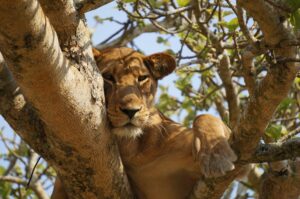 One of the most iconic attractions in Queen Elizabeth National Park is the rare population of tree-climbing lions found in the Ishasha sector. Unlike most lions in Africa, these lions regularly climb fig trees and rest on large branches during the day.
The exact reason for this behavior remains debated among researchers, although theories include escaping heat, avoiding insects, and improving visibility over the savannah.
The sight of lions stretched across tree branches has become one of Uganda’s most photographed safari experiences and a major highlight for wildlife enthusiasts visiting the park.
Game drives in Ishasha provide the best chance of seeing these unique predators while also offering beautiful landscapes and lower tourist density compared to other safari regions.
The Kazinga Channel Boat Safari
The Kazinga Channel is one of the defining features of Queen Elizabeth National Park. This natural waterway connects Lake George and Lake Edward while supporting one of the highest concentrations of hippos in Africa.
Boat safaris along the channel are among the most popular activities in the park. During the cruise, visitors encounter hippos, crocodiles, elephants, buffaloes, and countless bird species gathered along the shoreline.
The channel offers excellent photography opportunities, especially during afternoon cruises when wildlife activity increases near the water.
Bird enthusiasts particularly appreciate the Kazinga Channel because of the large variety of waterbirds, including pelicans, fish eagles, kingfishers, and African skimmers.
Chimpanzee Tracking in Kyambura Gorge
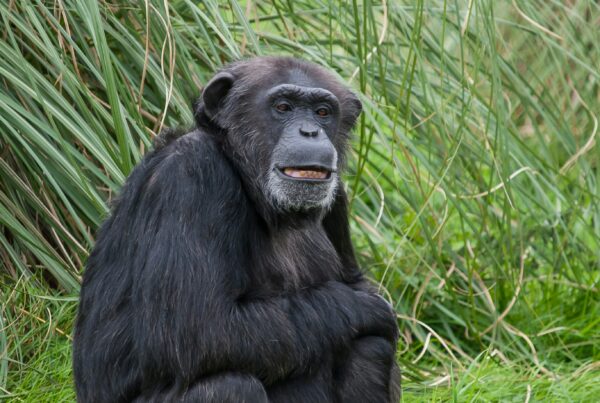
Beyond traditional savannah safaris, Queen Elizabeth National Park also offers primate experiences through chimpanzee tracking in Kyambura Gorge.
Often referred to as the “Valley of Apes,” Kyambura Gorge is a dramatic forested ravine cutting through the savannah landscape. The gorge creates a unique rainforest ecosystem where chimpanzees and other primates thrive.
Tracking chimpanzees here is physically more demanding than in some other locations due to steep terrain, but the experience is highly rewarding. Visitors also encounter monkeys, birds, butterflies, and lush tropical vegetation during the trek.
Chimpanzee tracking adds diversity to the overall safari experience and makes the park appealing to travelers interested in both wildlife and primates.
Birdwatching in Queen Elizabeth National Park
With more than 600 recorded bird species, Queen Elizabeth National Park is considered one of the best birdwatching destinations in Africa.
The park’s varied habitats support savannah birds, forest species, aquatic birds, and migratory populations. Birdwatchers commonly spot African fish eagles, saddle-billed storks, flamingos, shoebills, kingfishers, and bee-eaters.
The Mweya Peninsula, Kazinga Channel, Maramagambo Forest, and Ishasha sector are particularly productive birding areas.
Because birdlife remains active year-round, the park attracts birding enthusiasts in every season.
Crater Lakes and Scenic Landscapes
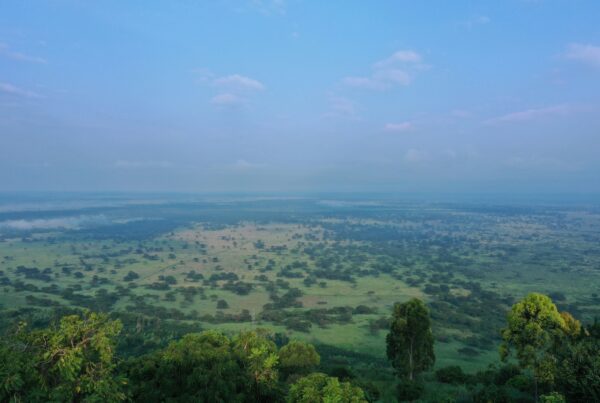
The landscapes of Queen Elizabeth National Park extend far beyond wildlife. The park contains numerous volcanic crater lakes formed by ancient geological activity within the Rift Valley.
These crater lakes create spectacular viewpoints and scenic drives, particularly around the Katwe and Bunyaruguru regions. Some lakes contain saline water and support unique bird populations, while others are surrounded by lush vegetation and rolling hills.
The panoramic scenery provides a dramatic contrast to the open savannah and enhances the overall safari atmosphere.
Accommodation Options in Queen Elizabeth National Park
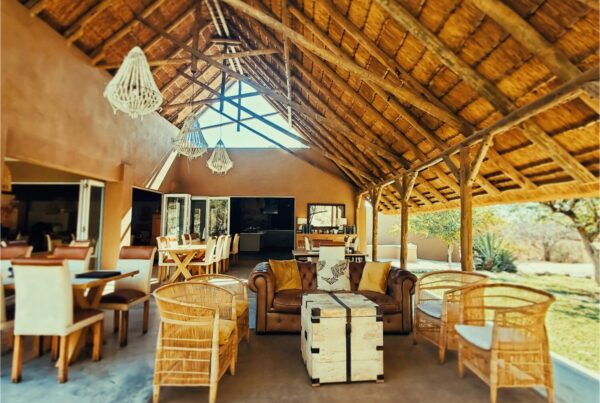
Accommodation in Queen Elizabeth National Park ranges from luxury safari lodges to midrange camps and budget-friendly options. Lodges are spread across different sectors of the park, including Mweya Peninsula, Ishasha, and Kyambura.
Luxury properties offer premium views, private balconies, swimming pools, and fine dining experiences overlooking wildlife habitats. Midrange lodges provide comfortable accommodation with excellent safari access, while budget camps cater to travelers seeking affordable adventures.
For travelers booking through www.murchisonfallsparksafari.com, customized safari itineraries can include accommodation tailored to different budgets and travel preferences.
Best Time to Visit Queen Elizabeth National Park
The best time to visit Queen Elizabeth National Park is during the dry seasons from January to February and June to September. Wildlife viewing is generally easier during these periods because vegetation becomes thinner and animals gather near water sources.
The wet seasons offer greener landscapes, fewer tourists, and exceptional birdwatching opportunities due to migratory species.
Because the park’s ecosystems remain active throughout the year, safaris are rewarding in every season depending on traveler interests.
Combining Queen Elizabeth National Park with Other Destinations
One of the major advantages of visiting Queen Elizabeth National Park is its ability to connect easily with other safari destinations in Uganda.
Travelers often combine the park with gorilla trekking in Bwindi Impenetrable National Park, chimpanzee tracking in Kibale Forest, or wildlife safaris in Murchison Falls National Park.
These combinations create a comprehensive Uganda safari experience that includes savannah wildlife, primates, waterfalls, forests, and cultural encounters.
Explore customized safari itineraries and wildlife tours through www.murchisonfallsparksafari.com to discover the best of Uganda’s national parks.
Why Queen Elizabeth National Park Is One of Uganda’s Best Safari Destinations
What makes Queen Elizabeth National Park truly exceptional is its extraordinary diversity. Few parks in Africa combine tree-climbing lions, boat safaris, crater lakes, chimpanzees, wetlands, and classic savannah wildlife within a single destination.
Its accessibility, biodiversity, scenic beauty, and variety of safari activities make it one of the most complete wildlife experiences in East Africa.
For travelers seeking an authentic African safari with diverse landscapes and unforgettable wildlife encounters, Queen Elizabeth National Park remains one of Uganda’s finest safari destinations.