
Rwenzori Mountains National Park Trekking Guide
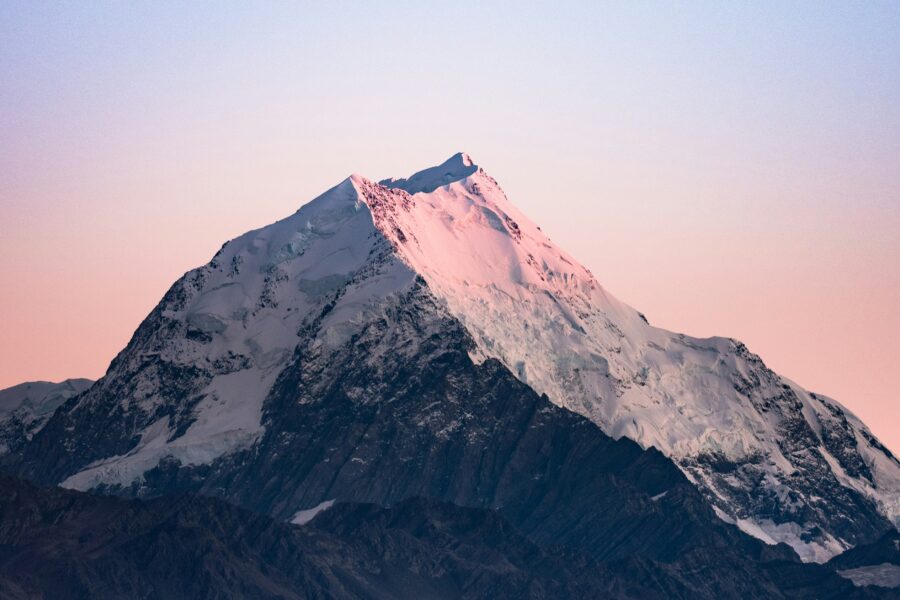
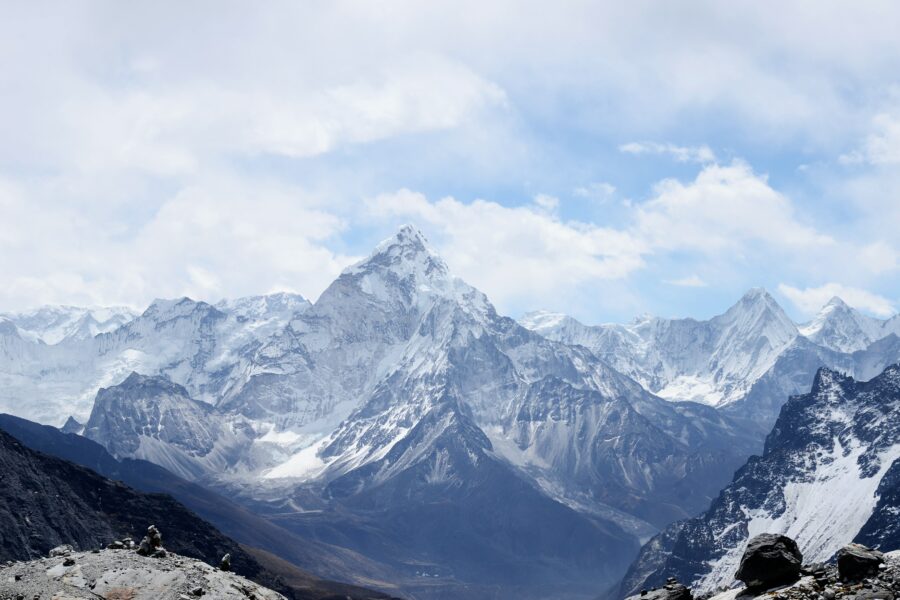
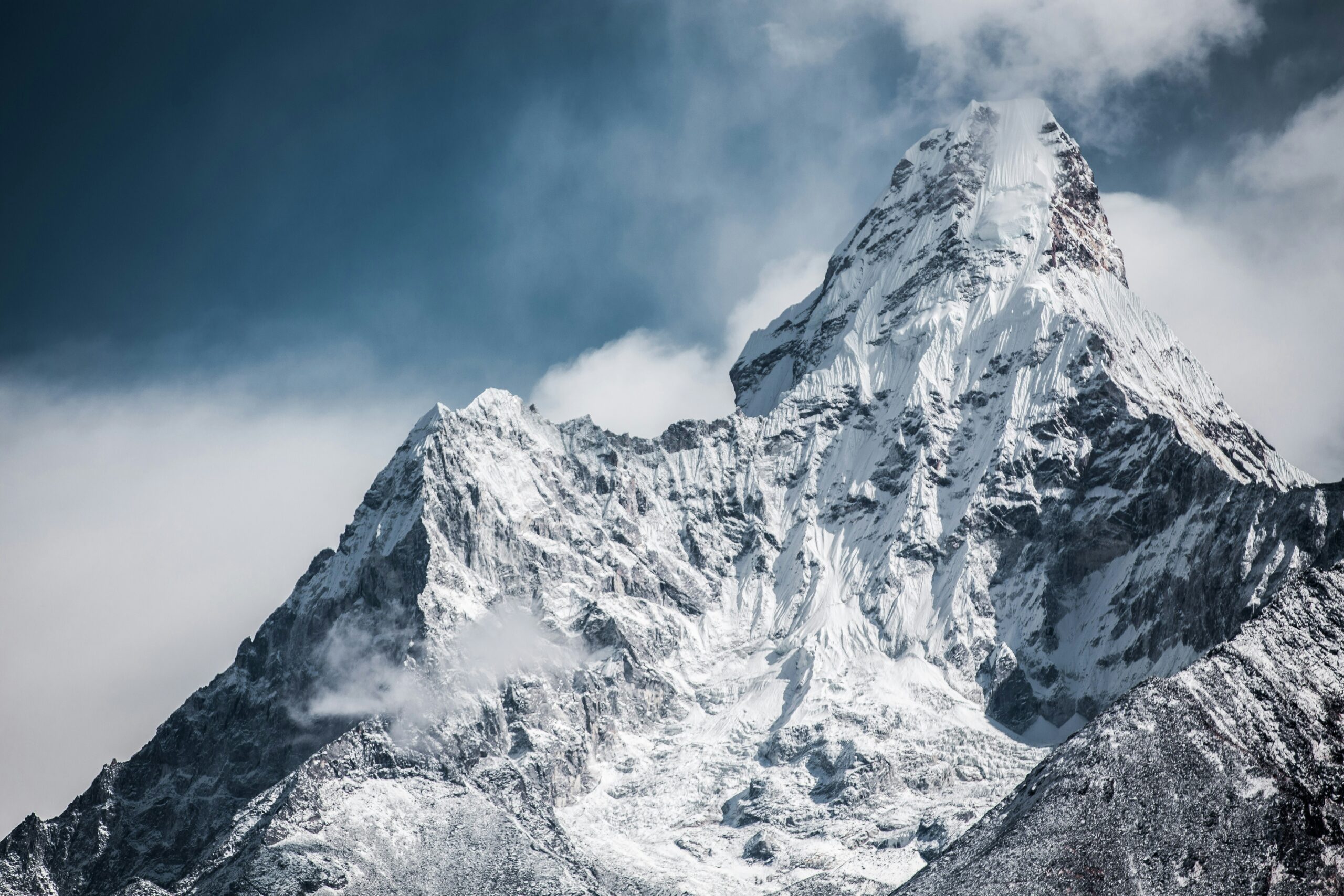
The towering peaks of the Rwenzori Mountains National Park form one of Africa’s most dramatic and least explored mountain landscapes. Often called the “Mountains of the Moon,” the Rwenzori range stretches along the border between Uganda and the Democratic Republic of Congo and offers one of the continent’s most challenging and rewarding trekking adventures.
Unlike Mount Kilimanjaro’s dry volcanic slopes or Mount Kenya’s open alpine terrain, the Rwenzori Mountains are known for their mystical cloud forests, giant lobelias, moss-covered valleys, glaciers, waterfalls, and rugged snow-capped summits. Trekkers entering this UNESCO World Heritage Site experience landscapes that feel ancient, wild, and untouched.
For adventure travelers looking for a unique East African hiking experience, this Rwenzori Trekking Guide provides everything needed to plan a successful journey, including trekking routes, difficulty levels, best seasons, accommodation, wildlife, packing advice, and safari combinations across Uganda.
Discovering Rwenzori Mountains National Park
Located in western Uganda near Kasese town, Rwenzori Mountains National Park covers approximately 1,000 square kilometers and protects Africa’s third-highest mountain range after Kilimanjaro and Mount Kenya. The highest peak, Margherita Peak on Mount Stanley, rises to 5,109 meters above sea level.
The park is famous for its extraordinary ecosystems that change dramatically with altitude. Lower slopes contain tropical rainforest and bamboo forest, while higher elevations feature giant heather trees, alpine meadows, glaciers, and rocky snow-covered summits.
The Rwenzori Mountains receive high rainfall throughout the year, which creates the lush vegetation and spectacular waterfalls that make trekking here so visually unique. Mist often surrounds the peaks, giving the mountains their legendary mystical atmosphere.
Unlike heavily commercialized trekking destinations, the Rwenzori range remains relatively uncrowded. Trekkers often spend days in the mountains encountering only small groups of hikers and guides, creating a true wilderness experience.
Why Choose Rwenzori Mountains Trekking?
One reason travelers choose Rwenzori Mountains trekking is the diversity of landscapes encountered during the climb. The scenery changes almost daily as hikers ascend through multiple ecological zones.
The lower forests are alive with birds, monkeys, and dense vegetation. Mid-altitude zones reveal giant groundsels and lobelias that resemble prehistoric plants, while upper elevations transition into alpine rock and snowfields. Few mountain destinations in the world offer such rapid ecological variation.
Another major attraction is the technical and adventurous nature of the trek. Compared to Kilimanjaro, Rwenzori trekking requires more endurance, balance, and stamina due to muddy trails, steep ridges, river crossings, and changing weather conditions.
Adventure travelers seeking authentic and physically rewarding hiking experiences often consider the Rwenzori Mountains among Africa’s finest trekking destinations.
The Main Trekking Routes in Rwenzori Mountains National Park
Several routes allow visitors to explore Rwenzori National Park, each offering different experiences, durations, and difficulty levels.
Central Circuit Trail
The Central Circuit is the most established and popular route for multi-day trekking in the Rwenzori Mountains. Operated primarily through Nyakalengija, this route takes hikers deep into the mountain range and provides access to Margherita Peak.
The full trek usually lasts between seven and nine days depending on the itinerary and acclimatization schedule. Trekkers pass through tropical rainforest, bamboo forest, bogs, alpine valleys, glaciers, and steep rocky terrain before reaching the summit.
The route includes overnight stays in mountain huts strategically positioned throughout the trail. Key camps include Nyabitaba Hut, John Matte Hut, Bujuku Hut, Elena Hut, and Kitandara Hut.
The Central Circuit is ideal for experienced trekkers seeking the classic Rwenzori Trekking Guide experience.
Kilembe Trail
The Kilembe Trail approaches the mountains from the southern side near Kasese and has become increasingly popular because of its scenic beauty and slightly less crowded conditions.
This route is known for spectacular waterfalls, deep valleys, beautiful lakes, and excellent viewpoints. Trekkers often describe the Kilembe route as more scenic and gradual compared to the Central Circuit.
The Kilembe Trail also provides access to Margherita Peak and can be completed in approximately seven to eight days for summit attempts.
Day Hikes and Short Treks
Not all visitors attempt summit climbs. Shorter hikes lasting one to three days are available for travelers who want to experience the beauty of Rwenzori Mountains National Park without undertaking a full expedition.
These shorter treks explore lower-altitude forests, waterfalls, rivers, and viewpoints while still providing insight into the mountain ecosystem. Day hikes are suitable for families, beginner hikers, photographers, and birdwatchers.
Climbing Margherita Peak
Margherita Peak is the highest summit in the Rwenzori range and the third-highest mountain peak in Africa. Reaching the summit is physically demanding and requires determination, fitness, and proper acclimatization.
The final ascent involves glacier crossings, steep rock scrambling, and the use of mountaineering equipment such as crampons, ropes, and ice axes. Although the glaciers have reduced significantly over recent decades, summit conditions can still be cold and technically challenging.
Trekkers attempting Margherita Peak should prepare for high-altitude conditions and rapidly changing weather. Experienced guides accompany all summit expeditions to ensure safety.
Standing atop Margherita Peak offers breathtaking panoramic views across Uganda and the Congo, making the challenging climb deeply rewarding.
Wildlife and Birdlife in Rwenzori National Park
Although primarily known for mountain trekking, Rwenzori Mountains National Park also supports remarkable biodiversity. The lower forest zones are home to forest elephants, chimpanzees, blue monkeys, black-and-white colobus monkeys, and bushbucks.
Birdwatchers visiting the park can encounter over 200 bird species, including several Albertine Rift endemics. Species such as the Rwenzori turaco, handsome francolin, long-eared owl, and strange weaver attract dedicated birding enthusiasts from around the world.
The rich vegetation zones also support numerous butterflies, reptiles, and unique plant species adapted to high-altitude conditions.
For nature lovers, the park offers much more than mountain climbing alone.
Best Time for Rwenzori Trekking
The best seasons for Rwenzori Mountains trekking are generally during Uganda’s drier months from June to August and December to February. During these periods, trails are relatively more manageable and visibility improves for mountain views.
However, the Rwenzori Mountains receive rainfall throughout the year, and trekkers should always expect wet, muddy, and slippery conditions regardless of season. Waterproof gear is essential at all times.
The rainy months of March to May and September to November can make trekking considerably more difficult due to heavier rainfall and swollen rivers, although some experienced trekkers still prefer these quieter periods.
Weather conditions in the mountains can change rapidly, especially at higher elevations, making preparation critical.
Accommodation Options for Trekkers
Accommodation for Rwenzori Trekking Guide itineraries varies depending on whether travelers stay before, during, or after the trek.
Inside the mountains, trekkers stay in basic but functional mountain huts operated by trekking organizations. These huts provide sleeping areas, dining spaces, and shelter from harsh mountain weather.
Before and after the trek, Kasese and nearby areas offer a range of accommodation options including luxury lodges, comfortable midrange hotels, and eco-lodges overlooking the mountains.
Many travelers prefer relaxing in comfortable safari lodges after completing their mountain adventure before continuing to other Uganda safari destinations.
What to Pack for Rwenzori Mountains Trekking
Packing properly is one of the most important parts of planning a successful Rwenzori Mountains trekking experience.
Essential items include:
- Waterproof hiking boots
- Warm thermal clothing
- Waterproof jackets and trousers
- Gloves and hats
- Sleeping bag
- Trekking poles
- Headlamp
- Energy snacks
- Water purification tablets
- Sunscreen and sunglasses
- Personal medications
Because conditions can become extremely wet and cold, layered clothing is strongly recommended. Porters are available to assist with carrying larger bags during the trek.
Good preparation significantly improves comfort and safety throughout the expedition.
Fitness and Difficulty Level
The Rwenzori Mountains are considered among Africa’s most physically demanding trekking destinations. The terrain includes steep climbs, muddy bogs, slippery rocks, and high-altitude conditions.
Trekkers should ideally prepare with cardiovascular exercise, hiking practice, and stamina training before arrival. Previous mountain trekking experience is helpful but not always essential for shorter treks.
Summit climbs to Margherita Peak require strong fitness, endurance, and mental resilience. However, shorter hikes remain accessible for moderately active travelers.
Hiring experienced guides and porters greatly improves the overall trekking experience and helps manage the challenging terrain.
Cultural Experiences Around the Rwenzori Region
Communities surrounding Rwenzori National Park offer rich cultural experiences that complement trekking adventures. The Bakonzo people have lived in the mountain region for generations and maintain strong cultural ties to the Rwenzori range.
Visitors can participate in community walks, traditional dance performances, storytelling sessions, and village visits that provide insight into local mountain life and traditions.
These cultural interactions add depth to the trekking experience and support local tourism initiatives across the region.
Combining Rwenzori Trekking with Uganda Safaris
One of the greatest advantages of visiting Uganda is the ability to combine mountain trekking with world-class wildlife experiences. Many travelers extend their Rwenzori Trekking Guide itineraries with additional safari destinations across the country.
Popular combinations include:
Queen Elizabeth National Park
Located near the Rwenzori Mountains, Queen Elizabeth National Park offers classic wildlife safaris, tree-climbing lions, elephant herds, hippos, and boat cruises along the Kazinga Channel. Explore more:
Bwindi Impenetrable National Park
Travelers often combine Rwenzori trekking with gorilla trekking in Bwindi for the ultimate Uganda adventure safari.
Murchison Falls National Park
Uganda’s largest national park offers Big Five game drives, Nile River cruises, and the dramatic Murchison Falls waterfall experience.
Kibale Forest National Park
Chimpanzee tracking in Kibale Forest pairs perfectly with mountain trekking for travelers interested in primates and biodiversity.
Conservation Importance of Rwenzori Mountains National Park
The Rwenzori Mountains are ecologically important because they protect rare alpine ecosystems, watersheds, glaciers, and endemic wildlife species. Climate change has significantly impacted the glaciers over recent decades, making conservation efforts increasingly urgent.
Tourism plays an important role in supporting conservation activities and providing income for local communities. Responsible trekking practices help preserve the fragile mountain environment for future generations.
Trekkers are encouraged to minimize waste, respect wildlife, and follow park regulations throughout their visit.
Why Rwenzori Mountains Offer a Unique African Adventure
Unlike more commercial mountain destinations, Rwenzori Mountains National Park remains wild, remote, and authentic. Trekkers experience dramatic scenery, demanding trails, and changing ecosystems that few places in Africa can match.
The mountains challenge both physically and mentally while rewarding travelers with extraordinary landscapes, solitude, and adventure. Every stage of the journey feels immersive and deeply connected to nature.
For travelers seeking something beyond traditional safari experiences, the Rwenzori Mountains provide one of East Africa’s most unforgettable adventures.
Planning Your Rwenzori Trekking Safari
When planning a Rwenzori Trekking Guide itinerary, it is important to book with experienced Uganda safari operators who understand mountain logistics, acclimatization schedules, porter arrangements, and safety procedures.
Treks should ideally include extra acclimatization time to improve summit success and reduce altitude-related risks. Combining trekking with wildlife safaris also allows for a more balanced Uganda travel experience.
At Murchison Falls Park Safari, we organize customized Uganda trekking and safari packages that combine the Rwenzori Mountains with gorilla trekking, wildlife safaris, cultural experiences, and luxury lodge stays across Uganda.
Conclusion
Rwenzori Mountains National Park stands among Africa’s most remarkable trekking destinations. From mist-covered forests and giant alpine plants to glaciers and snow-capped peaks, the mountains offer an adventure unlike any other in East Africa.
Whether attempting the challenging ascent to Margherita Peak or exploring lower forest trails, trekkers discover landscapes of extraordinary beauty and biodiversity. Combined with Uganda’s wildlife safaris and gorilla trekking experiences, the Rwenzori Mountains create a truly complete African adventure.
For travelers seeking wilderness, challenge, and unforgettable mountain scenery, this Rwenzori Trekking Guide opens the door to one of Uganda’s greatest natural treasures.