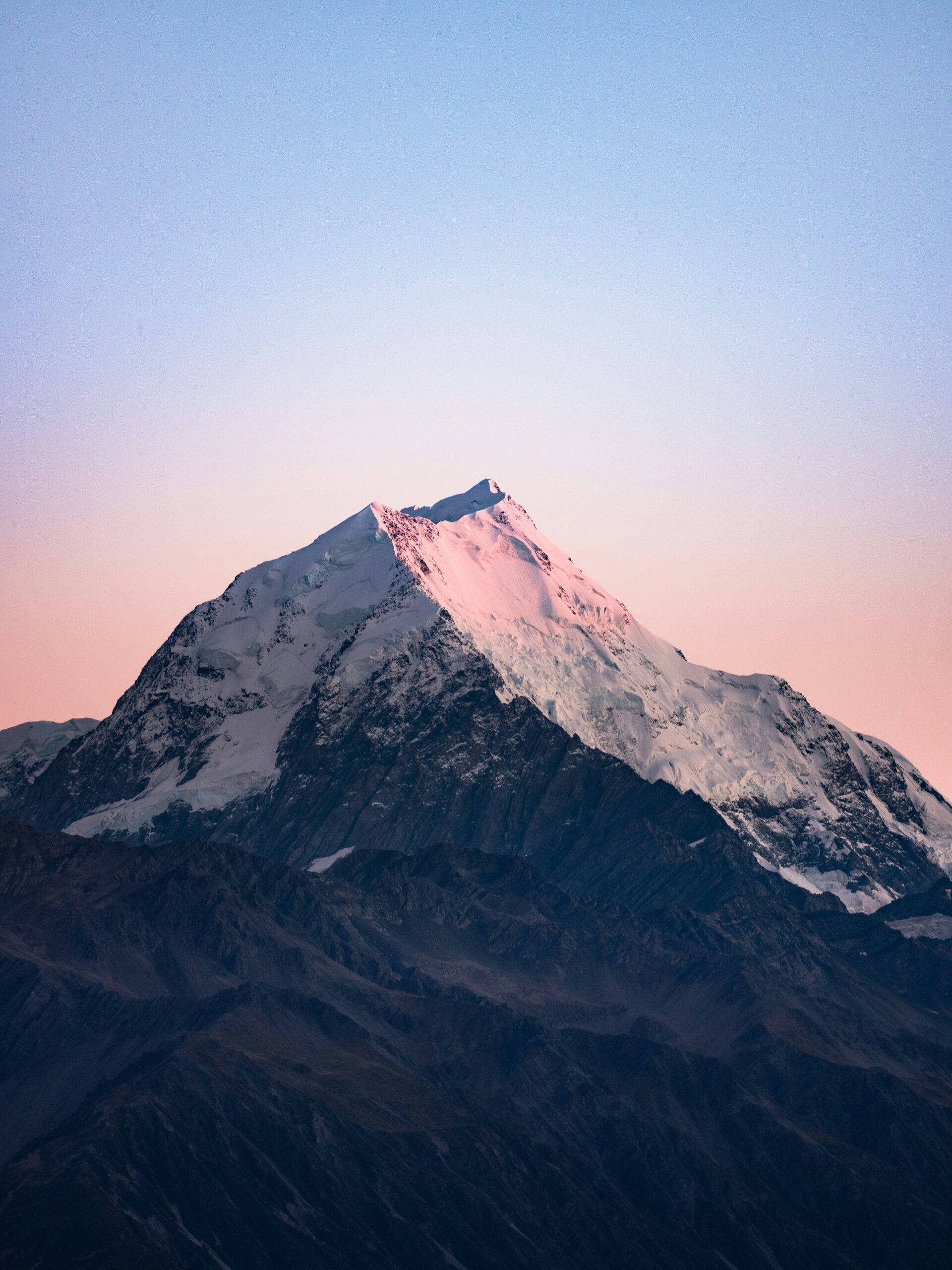
Rwenzori Mountains vs Kilimanjaro: Which to Climb? A Complete Comparison for African Mountain Adventures
Africa is home to some of the world’s most iconic mountains, attracting trekkers, climbers, photographers, and adventure enthusiasts from across the globe. Among these towering giants, two destinations consistently stand out: the legendary Rwenzori Mountains in Uganda and the majestic Mount Kilimanjaro in Tanzania. Both promise unforgettable high-altitude adventures, breathtaking scenery, and the satisfaction of standing atop some of Africa’s highest peaks. However, while they share a reputation for challenging climbs, the experiences they offer are remarkably different.
Choosing between the Rwenzori Mountains vs Kilimanjaro depends on your trekking experience, fitness level, travel goals, and the type of adventure you are seeking. Kilimanjaro is famous for being Africa’s highest mountain and one of the world’s most accessible high-altitude summits, while the Rwenzori Mountains provide a far more remote, technical, and ecologically diverse expedition that rewards climbers with landscapes unlike anywhere else on Earth.
This comprehensive guide compares every aspect of these two incredible mountains, helping you decide which climb is the perfect fit for your next African adventure.
Understanding the Two Mountains
When comparing Rwenzori Mountains vs Kilimanjaro, it is important to understand that they were formed through entirely different geological processes, resulting in dramatically different climbing experiences.
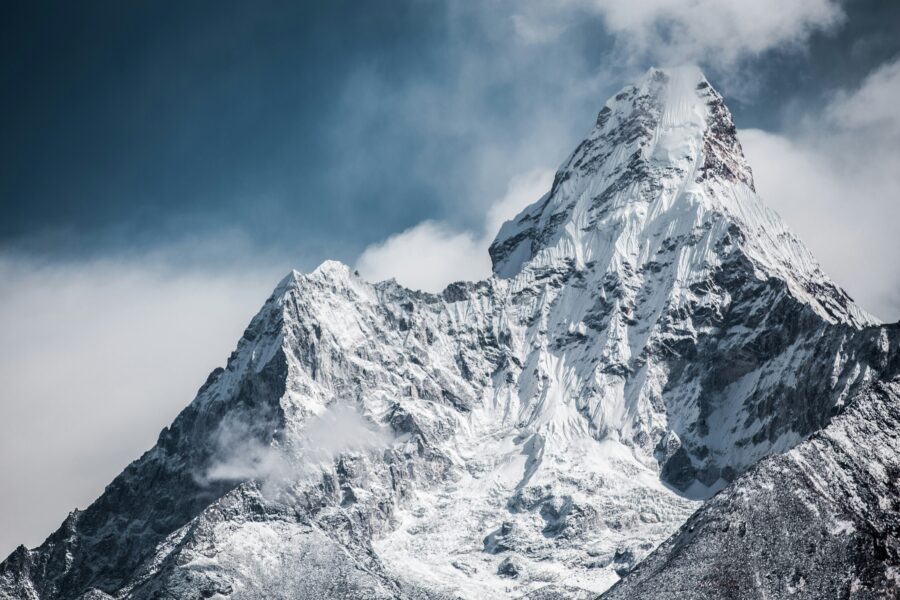
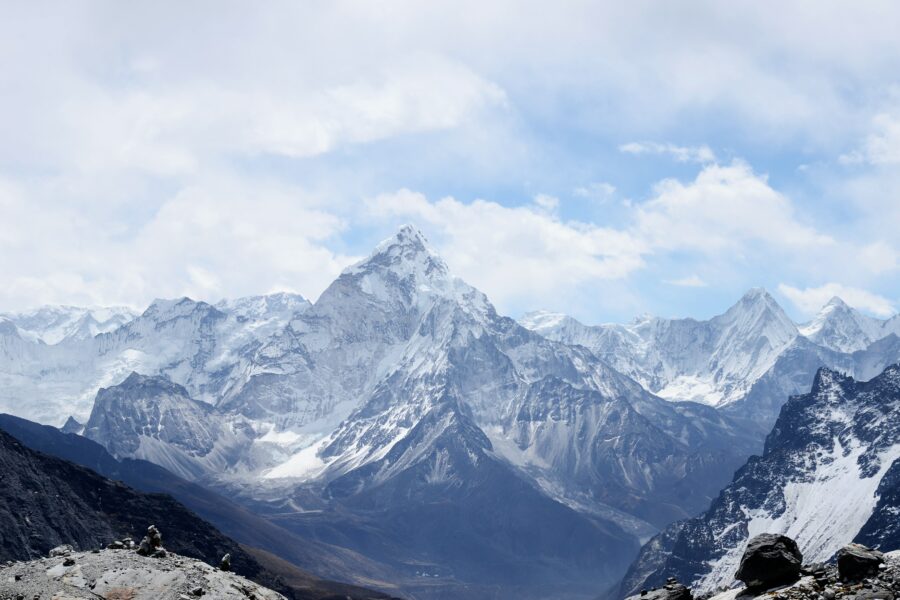
The Rwenzori Mountains, often called the “Mountains of the Moon,” are located in western Uganda along the border with the Democratic Republic of Congo. The range was formed by tectonic uplift rather than volcanic activity, creating a rugged landscape of jagged peaks, deep valleys, glaciers, rivers, waterfalls, and lush alpine vegetation. The highest summit is Margherita Peak on Mount Stanley, which rises to 5,109 metres above sea level.
Mount Kilimanjaro, by contrast, is a dormant volcanic mountain located in northern Tanzania. Standing at 5,895 metres, Uhuru Peak is the highest point in Africa and the tallest free-standing mountain in the world. Its broad volcanic slopes rise gradually above the surrounding plains, making it one of the most accessible high-altitude climbs available to non-technical trekkers.
Although both mountains exceed 5,000 metres, the climbing styles, scenery, weather, and level of technical difficulty differ significantly.
Elevation Comparison
Altitude is often the first consideration when comparing Rwenzori Mountains vs Kilimanjaro.
Mount Kilimanjaro reaches 5,895 metres, making it nearly 800 metres higher than Mount Stanley in the Rwenzori Mountains. This greater elevation increases the likelihood of altitude-related challenges, even though Kilimanjaro’s trails are generally less technical.
The Rwenzori Mountains reach a maximum elevation of 5,109 metres at Margherita Peak. While lower than Kilimanjaro, the demanding terrain, muddy trails, steep ascents, and glacier crossings often make the overall expedition physically more demanding than Kilimanjaro despite the lower summit.
In practical terms, climbing Kilimanjaro involves reaching a higher altitude, while climbing the Rwenzori Mountains requires greater technical ability and endurance.
Landscape Diversity
One of the most striking differences between Rwenzori Mountains vs Kilimanjaro is the incredible diversity of landscapes.
The Rwenzori Mountains are internationally recognised for their extraordinary ecological zones. Climbers pass through dense tropical rainforest, bamboo forests, giant heather, moss-covered valleys, alpine bogs, enormous giant lobelias, giant groundsels, glacial lakes, waterfalls, snowfields, and permanent glaciers. Every day presents an entirely new environment, making the journey feel like several expeditions combined into one.
Kilimanjaro also offers changing vegetation zones, beginning with cultivated farmland before transitioning into rainforest, heath, moorland, alpine desert, and finally the snow-covered summit. However, the volcanic terrain is generally more open, and the ecological transitions are less dramatic than those found in the Rwenzori Mountains.
Travellers seeking exceptional biodiversity often find the Rwenzori Mountains more rewarding, while Kilimanjaro impresses with its immense volcanic landscapes and sweeping views across Tanzania.
Trekking Difficulty
When discussing Rwenzori Mountains vs Kilimanjaro, trekking difficulty is often the deciding factor.
Climbing Kilimanjaro does not require technical mountaineering skills. The majority of routes involve continuous hiking over established trails, although the final summit ascent is physically demanding due to altitude, cold temperatures, and long walking hours.
The Rwenzori Mountains, however, require significantly more technical ability. Climbers encounter muddy trails, steep rock sections, river crossings, ladders, scrambling, and glacier travel. Reaching Margherita Peak typically requires the use of crampons, ropes, helmets, harnesses, and guidance from experienced mountain professionals.
For experienced trekkers looking for a genuine alpine expedition, the Rwenzori Mountains offer a more adventurous challenge. For those attempting their first high-altitude mountain, Kilimanjaro often represents a more accessible starting point.
Weather Conditions
Weather plays a major role when comparing Rwenzori Mountains vs Kilimanjaro.
The Rwenzori Mountains receive rainfall throughout much of the year due to their unique location and high elevation. Frequent rain creates muddy trails, misty forests, and lush vegetation, contributing to the mountain’s extraordinary beauty while increasing the physical demands of the trek.
Kilimanjaro experiences more predictable weather patterns, particularly during its dry climbing seasons. Although temperatures near the summit remain extremely cold, lower rainfall generally produces drier trails and more consistent trekking conditions.
Climbers prepared for changing weather will appreciate the dramatic atmosphere of the Rwenzori Mountains, while those seeking more stable conditions often prefer Kilimanjaro.
Wildlife and Nature
The Rwenzori Mountains provide exceptional opportunities for nature lovers. Lower forest zones support blue monkeys, black-and-white colobus monkeys, L’Hoest’s monkeys, forest elephants, duikers, and numerous Albertine Rift endemic bird species.
Birdwatchers frequently encounter the spectacular Rwenzori Turaco, Scarlet-tufted Sunbird, Handsome Francolin, and several species found nowhere else on Earth.
Kilimanjaro also supports wildlife, particularly within its rainforest zone, where blue monkeys, colobus monkeys, bushbucks, and various bird species may be observed. However, wildlife encounters are generally less diverse than those found in the Rwenzori ecosystem.
If biodiversity is an important part of your trekking experience, the Rwenzori Mountains offer a richer natural environment.
Crowds and Trail Experience
One of the greatest differences in the Rwenzori Mountains vs Kilimanjaro comparison is the number of visitors.
Mount Kilimanjaro attracts tens of thousands of climbers every year, making it one of the busiest trekking destinations in the world. Popular routes can become crowded, particularly during peak climbing seasons.
The Rwenzori Mountains, by contrast, remain relatively undiscovered by international tourism. Visitor numbers are much lower, allowing climbers to experience genuine solitude, peaceful camps, and an authentic wilderness atmosphere.
Those seeking quiet mountain environments often find the Rwenzori experience considerably more appealing.
Technical Requirements
Technical climbing equipment is generally unnecessary for Kilimanjaro. Proper hiking boots, warm clothing, trekking poles, and layered outdoor gear are sufficient for most routes.
The Rwenzori Mountains require additional equipment because of glacier travel and exposed summit sections. Climbers attempting Margherita Peak typically use crampons, helmets, harnesses, ropes, and mountaineering boots, all under the supervision of trained mountain guides.
This technical aspect makes the Rwenzori expedition particularly attractive to experienced climbers seeking a more advanced African mountain challenge.
Accommodation During the Trek
Both mountains provide organised accommodation throughout the climb, but the style differs considerably.
Kilimanjaro routes use either mountain huts or camping, depending on the selected route. Camps are generally well established due to the large number of climbers.
The Rwenzori Mountains primarily utilise mountain huts positioned strategically along the trekking routes. These simple shelters provide warmth and protection within remote alpine environments while maintaining the expedition’s authentic character.
Both destinations include professional cooks, guides, and porters who support climbers throughout the journey.
Success Rates
Reaching the summit depends on several factors, including fitness, acclimatisation, weather, and route selection.
Kilimanjaro has varying summit success rates depending on the chosen itinerary. Longer routes with additional acclimatisation days generally produce significantly higher success rates than shorter expeditions.
The Rwenzori Mountains also require gradual acclimatisation, but technical conditions and weather can influence summit attempts more than altitude alone.
Selecting an experienced operator and allowing adequate time greatly improves the likelihood of reaching either summit safely.
Cost Comparison
The overall cost of climbing the Rwenzori Mountains and Kilimanjaro varies depending on route length, accommodation standards, group size, and included services.
Kilimanjaro generally benefits from greater competition among operators, offering a wide range of pricing options.
The Rwenzori Mountains involve more specialised logistics, technical equipment, and smaller visitor numbers, which can result in slightly higher costs for comparable expedition lengths.
However, many travellers consider the exclusivity, scenery, and unique experience of the Rwenzori Mountains to provide exceptional value.
Which Mountain Is Better for Beginners?
For first-time high-altitude climbers, Kilimanjaro is generally considered the more suitable choice. Although physically demanding, its established trails and non-technical ascent make it achievable for well-prepared hikers without mountaineering experience.
The Rwenzori Mountains are better suited to experienced trekkers who are comfortable navigating difficult terrain, variable weather, and more technical mountain conditions.
Fitness remains essential for both climbs regardless of prior experience.
Combining Your Climb with a Safari
One of the greatest advantages of climbing the Rwenzori Mountains is the opportunity to combine your expedition with Uganda’s extraordinary wildlife experiences.
Following your trek, you can easily continue to Queen Elizabeth National Park for game drives and boat cruises, travel to Bwindi Impenetrable National Park for mountain gorilla trekking, explore Lake Mburo National Park, or discover the spectacular waterfalls and wildlife of Murchison Falls National Park.
Kilimanjaro also pairs well with Tanzania’s famous Northern Safari Circuit, including Serengeti National Park, Ngorongoro Crater, Tarangire National Park, and Lake Manyara National Park.
For travellers seeking both mountaineering and primate experiences within one country, Uganda offers a uniquely diverse itinerary.
Conservation and Responsible Tourism
Both mountains contribute significantly to conservation and local livelihoods through sustainable tourism.
In Uganda, trekking permits help support Rwenzori Mountains National Park, a UNESCO World Heritage Site that protects unique ecosystems, endangered wildlife, and important water catchments. Local guides, porters, cooks, and nearby communities all benefit from responsible tourism.
Similarly, Kilimanjaro National Park relies on trekking revenue to maintain trails, protect natural habitats, and support surrounding communities.
Choosing licensed operators ensures that your adventure contributes positively to conservation and local economic development.
So, Which Mountain Should You Climb?
The answer ultimately depends on the type of adventure you want.
If your dream is to stand on the highest point in Africa while following a well-established trekking route with relatively predictable conditions, Kilimanjaro is an outstanding choice.
If you are looking for a more remote expedition filled with dramatic landscapes, technical climbing, glaciers, giant alpine vegetation, rich biodiversity, and fewer crowds, the Rwenzori Mountains provide one of Africa’s most rewarding mountain adventures.
Many experienced trekkers eventually climb both mountains, appreciating each for its distinctive character and unforgettable experiences.
At Murchison Falls Park Safari, we specialise in tailor-made Uganda adventures that combine the Rwenzori Mountains with unforgettable wildlife safaris, gorilla trekking, cultural experiences, and visits to Uganda’s most spectacular national parks. Whether you are planning to summit Margherita Peak or explore the diverse landscapes of western Uganda, our experienced team can create an itinerary perfectly suited to your goals.
Visit Murchison falls park safari to explore our Uganda trekking and safari packages, and discover why the Rwenzori Mountains continue to inspire adventurers from around the world.