Murchison Falls Wildlife Checklist: Tick Off Every Species
There are few safari destinations in East Africa that offer the incredible diversity of wildlife found in Murchison Falls National Park. As Uganda’s oldest and largest national park, covering more than 3,840 square kilometres, it is a haven for iconic African mammals, elusive predators, reptiles, primates, and an extraordinary variety of birds. From the powerful Nile River cutting through the world’s most dramatic waterfall to the vast savannahs of the Buligi Peninsula, every corner of the park offers opportunities to encounter wildlife in its natural habitat.
For many visitors, the excitement of a safari lies in spotting as many species as possible. A Murchison Falls wildlife checklist transforms an ordinary game drive into an engaging adventure, encouraging travellers to identify animals, appreciate their behaviours, and gain a deeper understanding of Uganda’s remarkable biodiversity. Whether you are visiting for a single day or enjoying an extended safari, keeping track of the wildlife you encounter adds another layer of excitement to every game drive, boat cruise, and nature walk.
This comprehensive guide explores the complete Murchison Falls wildlife checklist, highlighting the mammals, birds, reptiles, primates, and aquatic life you may encounter while also explaining where and when to find them. If you are planning a safari with Murchison Falls Park Safari, this guide will help you prepare for one of Africa’s most rewarding wildlife experiences.
Why Murchison Falls National Park Is One of Uganda’s Premier Wildlife Destinations
The extraordinary wildlife diversity found in Murchison Falls National Park results from its remarkable range of habitats. The park encompasses open savannah, Borassus palm woodlands, riverine forests, wetlands, acacia grasslands, dense thickets, and the mighty Nile River. These ecosystems support an abundance of wildlife that few parks in East Africa can rival.
The northern sector of the park is famous for its expansive plains, where large herbivores gather throughout the year, attracting predators such as lions and leopards. The southern section offers lush forests that provide habitat for primates, while the Nile sustains hippos, crocodiles, and countless aquatic birds.
The combination of varied landscapes means that every safari activity reveals different species, making a wildlife checklist an ideal companion throughout your visit.
Beginning Your Wildlife Checklist
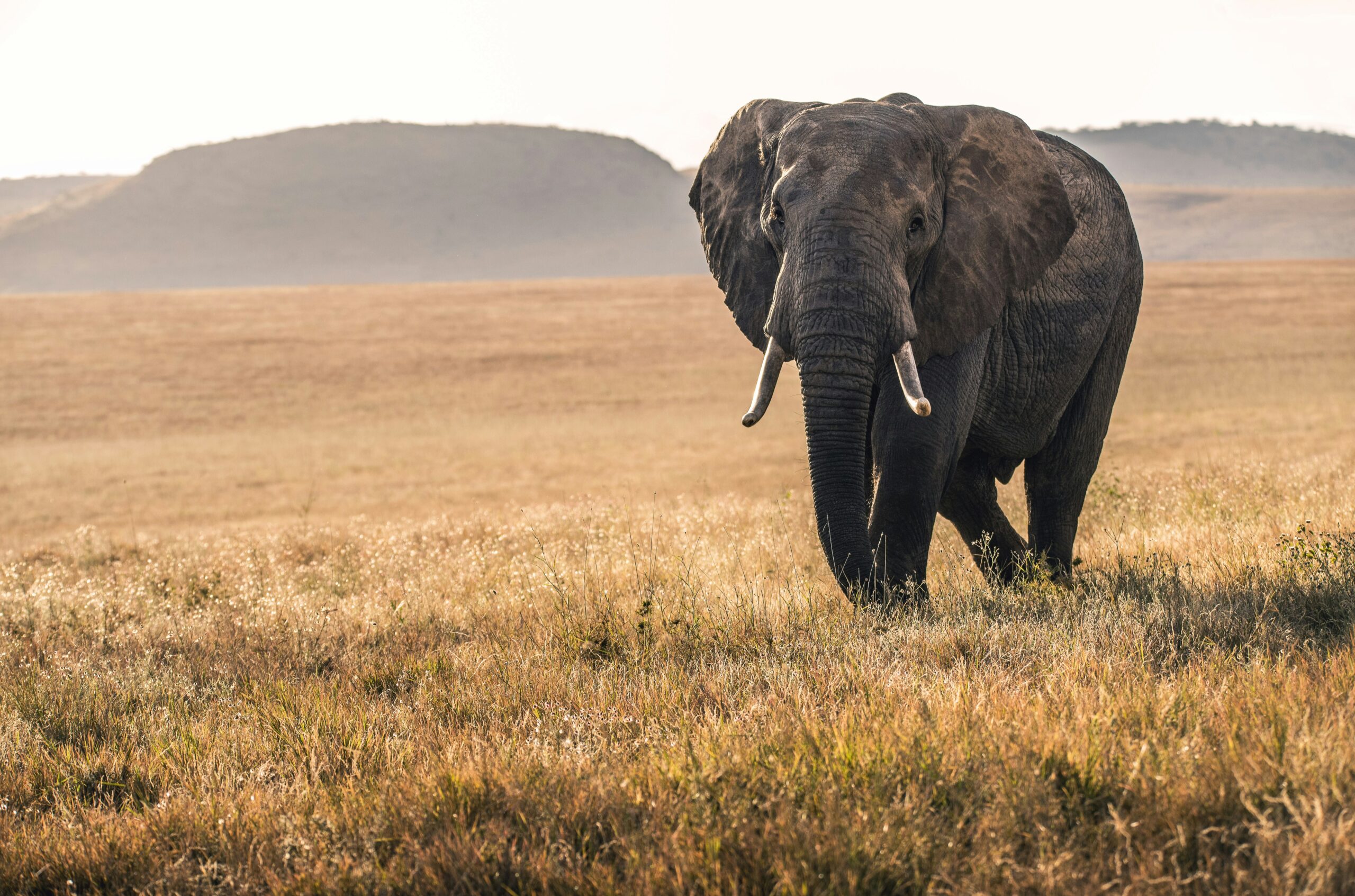
The first entries on most Murchison Falls wildlife checklists are often the park’s most familiar residents. African elephants roam the savannah in impressive family groups, frequently seen feeding on grasses, shrubs, and the leaves of Borassus palms. Watching these intelligent giants interact with one another is one of the highlights of any game drive.
Cape buffaloes are equally common and can often be observed grazing in large herds across the northern plains or cooling themselves near the Nile. Their powerful build and unpredictable nature make them one of Africa’s most respected members of the Big Five.
Rothschild’s giraffes are among the park’s greatest conservation success stories. Murchison Falls National Park protects one of the world’s largest remaining populations of this endangered subspecies, making sightings almost guaranteed during game drives across the Buligi Peninsula.
Uganda kobs are perhaps the most frequently encountered antelope in the park. Their graceful movements and tendency to gather in open grasslands make them an important prey species for the park’s predators.
Tick Off the Big Predators
For many visitors, spotting Africa’s predators represents the ultimate safari achievement. Murchison Falls National Park supports healthy populations of lions, leopards, and spotted hyenas, each playing a crucial role in maintaining ecological balance.
Lions are most often encountered in the northern sector, particularly around the Buligi Game Tracks. Early morning and late afternoon game drives offer the greatest opportunities to observe prides resting beneath acacia trees or scanning the plains for prey.
Leopards are considerably more elusive due to their solitary and nocturnal habits. They frequently rest in trees during the day, blending remarkably well into the surrounding vegetation. Patient observation and the expertise of experienced guides greatly improve the chances of a memorable leopard sighting.
Spotted hyenas are regularly seen during dawn and dusk when they become more active. Their complex social structures and distinctive vocalisations make them fascinating animals to observe.
Although cheetahs are absent from Murchison Falls National Park, the existing predator population ensures thrilling wildlife encounters throughout the year.
Antelope Species to Look For
The diversity of antelope found in Murchison Falls National Park makes them a significant part of every wildlife checklist.
Waterbucks are commonly found near rivers and wetlands, where they rely on abundant water sources and lush vegetation. Their shaggy coats and distinctive white rump rings make them easy to identify.
Jackson’s hartebeests prefer open grasslands and are recognised by their elongated faces and uniquely shaped horns. Their alert posture often allows them to detect predators before other herbivores.
Oribis, one of Africa’s smaller antelope species, inhabit shorter grasslands and are frequently overlooked due to their excellent camouflage.
Bushbucks prefer denser vegetation near forest edges and riverbanks, while Bohor reedbucks are often seen in wetter areas close to the Nile.
Each species occupies a slightly different ecological niche, illustrating the complexity of the park’s ecosystems.
Primates in Murchison Falls National Park
Although Murchison Falls National Park is best known for its savannah wildlife, its forested areas also support a variety of primates.
Olive baboons are among the most frequently encountered species, particularly near park entrances and picnic areas. Their highly social behaviour and adaptability make them fascinating subjects for wildlife observation.
Vervet monkeys inhabit woodlands throughout the park and are easily recognised by their black faces and grey coats.
Black-and-white colobus monkeys move gracefully through the forest canopy, while red-tailed monkeys inhabit riverine forests in the southern sector.
One of the park’s most rewarding primate experiences is chimpanzee trekking in Budongo Forest. This neighbouring forest reserve provides opportunities to observe one of humanity’s closest relatives in their natural habitat, complementing the classic wildlife safari experience.
The Giants of the Nile
No Murchison Falls wildlife checklist would be complete without the remarkable animals that inhabit the Nile River.
Hippos dominate the riverbanks, often gathering in pods numbering dozens of individuals. During the day they remain submerged to regulate body temperature before emerging after sunset to graze across nearby grasslands.
The Nile crocodile is another iconic resident. Some individuals exceed five metres in length and spend hours basking along sandy banks before silently slipping into the water.
Boat cruises provide exceptional opportunities to observe these magnificent reptiles and mammals at close range while maintaining a safe distance.
Watching hippos interact with one another while crocodiles patiently await passing prey creates unforgettable safari moments.
Bird Species to Add to Your Checklist
With more than 450 recorded bird species, Murchison Falls National Park ranks among Uganda’s finest birdwatching destinations.
The legendary shoebill stork sits at the top of many birders’ wish lists. This prehistoric-looking bird inhabits papyrus wetlands within the Nile Delta and is best searched for during specialised early morning boat excursions.
African fish eagles are commonly seen perched above the river before swooping dramatically to capture fish from the water’s surface.
Goliath herons, the largest herons in the world, stalk shallow waters alongside saddle-billed storks, yellow-billed storks, grey herons, and great white egrets.
Kingfishers add flashes of brilliant colour along riverbanks, while colourful bee-eaters, rollers, hornbills, and sunbirds brighten the savannah landscapes.
Birdwatchers visiting during migratory seasons may also encounter numerous Palearctic migrants that temporarily increase the park’s already impressive species diversity.
Smaller Mammals Worth Watching
While large mammals receive most attention, Murchison Falls National Park supports many smaller species that deserve a place on every wildlife checklist.
Warthogs roam open grasslands with their tails held upright while running, creating one of the park’s most recognisable sights.
Side-striped jackals occasionally appear during quieter morning game drives, searching for insects, rodents, and carrion.
African civets, genets, porcupines, mongooses, and bush babies become active after dark, making night drives especially rewarding for visitors interested in nocturnal wildlife.
Although these animals are less conspicuous than elephants or lions, they contribute significantly to the park’s ecological diversity.
Reptiles Beyond Crocodiles
In addition to the famous Nile crocodile, Murchison Falls National Park supports numerous reptile species.
Monitor lizards are frequently observed basking near riverbanks before disappearing into the water when disturbed.
Several snake species inhabit the park, although encounters remain relatively uncommon due to their secretive nature. Tortoises, skinks, geckos, and colourful agama lizards also thrive in suitable habitats.
Reptiles play essential ecological roles by controlling insect and rodent populations while serving as prey for larger predators.
Butterflies and Insects
The remarkable biodiversity of Murchison Falls National Park extends far beyond mammals and birds.
Hundreds of butterfly species flutter through forest clearings and riverine habitats, while dragonflies patrol wetlands in search of insects.
Dung beetles, termites, ants, and countless pollinators contribute to ecosystem health by recycling nutrients, improving soil quality, and supporting plant reproduction.
Nature enthusiasts often discover that the park’s smallest inhabitants are just as fascinating as its largest animals.
Where to Find Different Species
Understanding habitat preferences significantly improves wildlife sightings.
The Buligi Peninsula remains the premier location for lions, elephants, giraffes, buffaloes, hartebeests, and Uganda kobs due to its extensive grasslands and abundant grazing opportunities.
The Nile River is the best place to observe hippos, crocodiles, waterbirds, and elephants visiting the riverbanks.
Budongo Forest offers exceptional primate viewing, including chimpanzees, while the Nile Delta provides outstanding opportunities to search for the elusive shoebill.
Your safari guide’s local knowledge will greatly increase the likelihood of encountering the park’s more elusive residents.
The Best Time to Complete Your Wildlife Checklist
Wildlife can be observed throughout the year in Murchison Falls National Park, but seasonal conditions influence visibility.
The dry seasons from June to September and December to February generally provide the best wildlife viewing as vegetation becomes shorter and animals concentrate around permanent water sources.
The rainy seasons transform the landscape into lush green savannahs, creating beautiful photographic opportunities while attracting numerous migratory bird species.
Regardless of the season, early morning and late afternoon remain the most productive times for wildlife observation because temperatures are cooler and animal activity increases.
Responsible Wildlife Viewing
Completing a Murchison Falls wildlife checklist should always be balanced with responsible tourism practices.
Visitors should maintain appropriate distances from wildlife, avoid making loud noises, remain inside vehicles unless accompanied by authorised guides, and never attempt to feed animals.
Respecting wildlife ensures natural behaviours remain undisturbed while protecting both visitors and the animals themselves.
Responsible tourism also contributes directly to conservation efforts that safeguard Uganda’s extraordinary biodiversity for future generations.
Turn Your Safari into a Wildlife Adventure
A visit to Murchison Falls National Park is much more than a holiday. It is an opportunity to witness one of Africa’s richest wildlife ecosystems while developing a deeper appreciation for nature and conservation. Whether you manage to tick off every species or simply enjoy the thrill of unexpected encounters, every game drive and boat cruise offers something new to discover.
At Murchison Falls Park Safari, we create expertly guided wildlife experiences that maximise your chances of encountering the park’s remarkable biodiversity. Our experienced safari guides understand animal behaviour, seasonal movements, and the best locations for memorable sightings, ensuring every safari is both exciting and educational.
Visit Murchison falls park safari to explore our customised safari packages, wildlife tours, and multi-park itineraries that combine Murchison Falls National Park with destinations such as Kibale National Park, Queen Elizabeth National Park, Semuliki National Park, Lake Mburo National Park, Rwenzori Mountains National Park, and Bwindi Impenetrable National Park.