Kabale Uganda: Gateway to Bwindi and Lake Bunyonyi
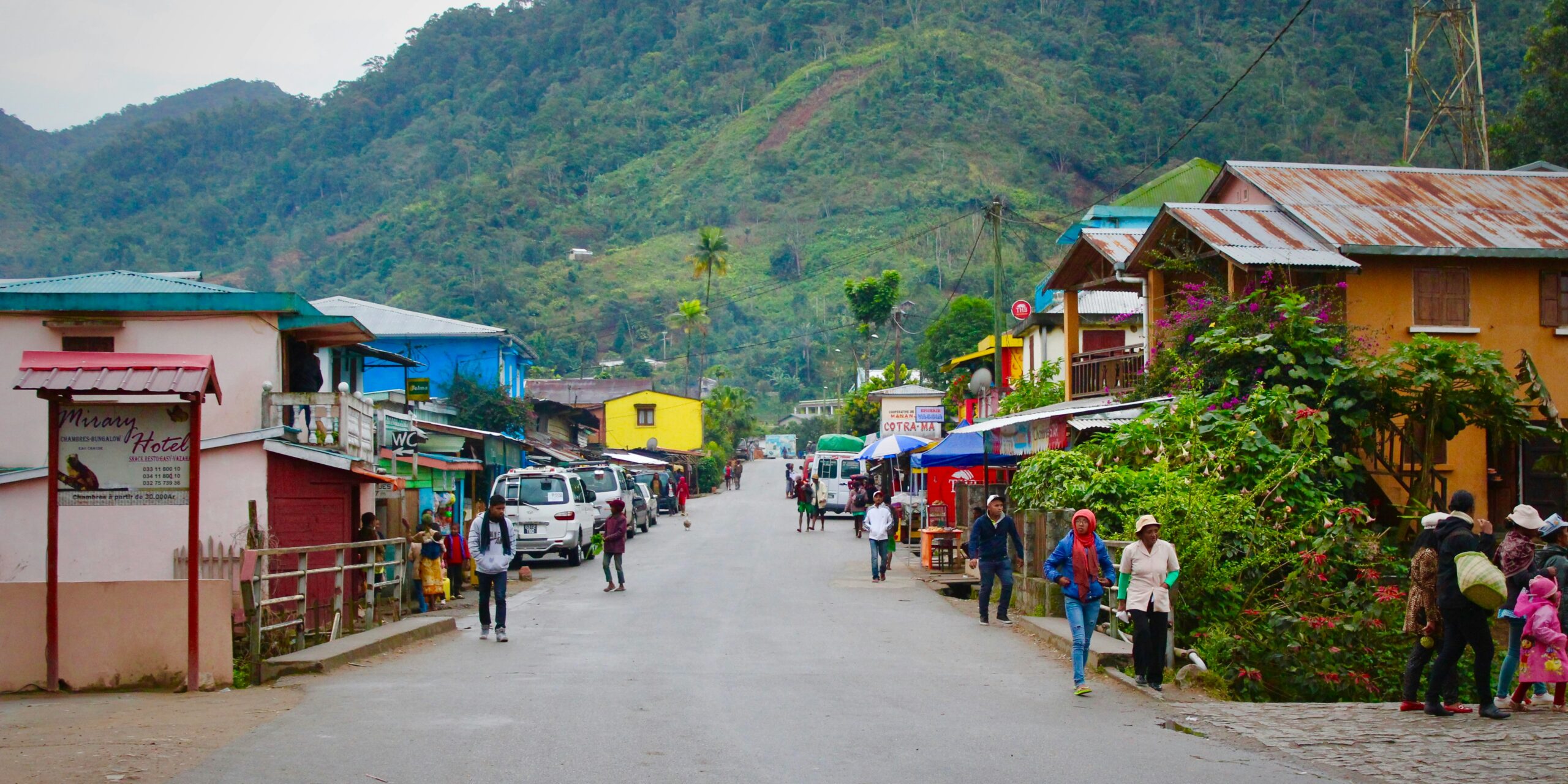
Nestled among the rolling hills of southwestern Uganda, Kabale Uganda is one of the country’s most picturesque destinations and an essential stop for travelers exploring the region’s iconic attractions. Often referred to as the “Switzerland of Africa” because of its breathtaking terraced hills, cool climate, and scenic valleys, Kabale serves as the perfect gateway to two of Uganda’s most celebrated destinations: Bwindi Impenetrable National Park, home to the endangered mountain gorillas, and the tranquil waters of Lake Bunyonyi, one of Africa’s most beautiful freshwater lakes.
Although many visitors simply pass through Kabale on their way to gorilla trekking, the town itself offers rich cultural experiences, spectacular landscapes, vibrant local markets, historical significance, and easy access to numerous outdoor adventures. Whether you are planning a luxury Uganda safari, a honeymoon, a birdwatching holiday, or a multi-day gorilla trekking expedition, spending time in Kabale Uganda adds depth and variety to your itinerary.
This comprehensive travel guide explores everything you need to know about Kabale, including its location, history, attractions, accommodation, culture, wildlife experiences, transportation, and why it remains one of the most important tourism hubs in Uganda.
Where Is Kabale Uganda?
Kabale Uganda is located in the country’s southwestern region, approximately 410 kilometers from Kampala. Sitting at an altitude of around 2,000 meters above sea level, Kabale enjoys one of Uganda’s coolest climates, with refreshing temperatures throughout the year. The town is surrounded by dramatic green hills, fertile valleys, and countless terraced farms that create some of the country’s most iconic landscapes.
Its strategic location places Kabale within easy driving distance of several of Uganda’s premier attractions. Lake Bunyonyi lies just a short drive away, while Bwindi Impenetrable National Park and Mgahinga Gorilla National Park can both be reached within a few hours, making Kabale an ideal base for exploring southwestern Uganda.
The town also provides convenient access to the Rwanda border, making it popular with travelers combining Uganda and Rwanda in a single East African safari.
Why Kabale Is Known as the Gateway to Bwindi and Lake Bunyonyi
The reputation of Kabale Uganda as the gateway to Bwindi and Lake Bunyonyi comes from its central location and well-developed tourism infrastructure. Nearly every traveler heading to gorilla trekking in the southern sectors of Bwindi Impenetrable National Park passes through Kabale, where they can rest, purchase supplies, or spend a night before continuing to the forest.
Likewise, visitors seeking relaxation after the physically demanding experience of gorilla trekking often choose Lake Bunyonyi, located only about eight kilometers from Kabale. The peaceful lake offers a complete contrast to the dense rainforest of Bwindi, allowing travelers to unwind while enjoying breathtaking scenery.
For many safari itineraries, Kabale naturally connects these two remarkable destinations, making it an essential part of the journey rather than simply a transit town.
The Scenic Beauty of Kabale
One of the first things visitors notice about Kabale Uganda is its spectacular landscape. Rolling hills rise in every direction, covered with carefully cultivated agricultural terraces that have been shaped over generations by local communities. These fertile hills produce crops such as Irish potatoes, beans, sorghum, vegetables, maize, and bananas, contributing significantly to the region’s economy.
Morning mist often blankets the valleys before gradually revealing lush green hillsides under clear blue skies. During sunrise and sunset, the changing light creates unforgettable panoramic views that attract photographers from around the world.
The region’s cool climate also makes outdoor exploration comfortable throughout much of the year.
A Brief History of Kabale
The history of Kabale Uganda is closely linked to the Bakiga people, who have inhabited the region for centuries. Known for their resilience, strong farming traditions, and impressive terracing techniques, the Bakiga transformed the steep hillsides into productive agricultural land that continues to sustain local communities today.
During the colonial period, Kabale developed into an administrative center due to its strategic location near neighboring Rwanda and the Democratic Republic of Congo. Over time, improved road infrastructure and growing tourism transformed the town into one of Uganda’s most important regional hubs.
Today, Kabale combines modern amenities with traditional cultural heritage, offering visitors an authentic glimpse into life in southwestern Uganda.
Exploring Lake Bunyonyi
No visit to Kabale Uganda is complete without exploring the stunning Lake Bunyonyi. Widely regarded as one of Africa’s most beautiful lakes, Bunyonyi stretches across a landscape of emerald-green hills and features 29 picturesque islands scattered across its calm waters.
The name “Bunyonyi” means “place of many little birds,” reflecting the area’s exceptional birdlife. The lake is home to numerous species, including herons, weavers, kingfishers, cormorants, egrets, and grey crowned cranes.
Unlike many African lakes, Lake Bunyonyi is free from crocodiles and hippos, making it one of the safest freshwater lakes for canoeing, kayaking, swimming, and boat excursions.
Visitors often spend several nights relaxing at lakeside lodges after completing gorilla trekking adventures.
Gorilla Trekking in Bwindi Impenetrable National Park
The primary reason many travelers visit Kabale Uganda is its proximity to Bwindi Impenetrable National Park, one of Africa’s most famous wildlife destinations.
Bwindi protects nearly half of the world’s remaining mountain gorillas and offers one of the most extraordinary wildlife experiences available anywhere on Earth. Gorilla trekking allows visitors to spend one unforgettable hour observing a habituated gorilla family in its natural forest habitat.
Depending on the trekking sector assigned, travelers staying in Kabale can reach several gorilla trailheads within a few hours.
Many safari operators choose Kabale as an overnight stop before early morning departures for gorilla trekking permits and briefings.
Visiting Mgahinga Gorilla National Park
Another major attraction accessible from Kabale Uganda is Mgahinga Gorilla National Park, Uganda’s smallest national park and part of the greater Virunga Conservation Area.
Mgahinga offers mountain gorilla trekking, golden monkey tracking, volcano hiking, and the fascinating Batwa cultural experience. The scenic drive from Kabale passes through rolling hills and picturesque villages before reaching the park’s volcanic landscapes.
Travelers seeking both gorillas and cultural experiences often include Mgahinga alongside Bwindi during their safari.
Cultural Experiences Around Kabale
The cultural richness surrounding Kabale Uganda enhances every visit to the region.
Visitors have opportunities to meet the Bakiga people, learn about traditional farming methods, participate in local cooking experiences, visit community markets, and enjoy traditional music and dance performances.
Craft centers showcase handmade baskets, pottery, woven products, and wood carvings that reflect the artistic traditions of southwestern Uganda.
Community tourism initiatives also allow visitors to support local livelihoods while gaining deeper insight into regional customs and daily life.
Birdwatching Around Kabale
Birdwatchers find Kabale Uganda particularly rewarding because of its diverse habitats, including wetlands, forests, lakes, and cultivated hillsides.
Lake Bunyonyi alone supports numerous waterbirds, while nearby forests shelter Albertine Rift endemic species highly sought after by international birders.
Species commonly recorded around Kabale include the Grey Crowned Crane, African Harrier-Hawk, African Fish Eagle, Pied Kingfisher, Malachite Kingfisher, Black-headed Heron, and several colorful sunbirds and weavers.
Birdwatching can easily be combined with gorilla trekking or relaxation at the lake.
Hiking and Nature Walks
The hills surrounding Kabale Uganda offer outstanding opportunities for hiking and guided nature walks.
Numerous trails pass through terraced farmland, eucalyptus forests, traditional villages, and scenic viewpoints overlooking Lake Bunyonyi.
These walks provide excellent opportunities to appreciate the region’s remarkable landscapes while interacting with local communities along the way.
More adventurous visitors may continue to the nearby Virunga volcanoes or the Rwenzori Mountains for longer trekking expeditions.
Local Markets and Cuisine
Kabale’s vibrant local markets provide an authentic introduction to southwestern Uganda’s agricultural abundance.
Fresh fruits, vegetables, spices, woven baskets, handmade crafts, and locally produced coffee fill the bustling market stalls throughout the week.
The region is particularly famous for Irish potatoes, which form the basis of many traditional dishes.
Visitors also enjoy tasting fresh vegetables, beans, roasted meats, millet bread, and locally grown Arabica coffee cultivated on the surrounding hillsides.
Exploring the markets offers valuable opportunities to interact with local residents while supporting small businesses.
Accommodation in Kabale
One of the strengths of Kabale Uganda as a tourism hub is its wide variety of accommodation options.
Luxury travelers often choose elegant lakeside lodges overlooking Lake Bunyonyi, where spacious cottages, exceptional cuisine, and panoramic views create an ideal retreat.
Mid-range hotels within Kabale town provide comfortable accommodation with convenient access to restaurants, shops, and transportation.
Eco-lodges and boutique guesthouses scattered throughout the surrounding hills offer peaceful settings for travelers seeking closer connections with nature.
Whether visiting for one night or several days, Kabale provides accommodation suitable for every travel style.
How to Get to Kabale Uganda
Reaching Kabale Uganda from Kampala involves a scenic drive of approximately eight to nine hours via the Kampala–Masaka–Mbarara highway. The route passes through fertile agricultural regions, rolling hills, and the famous Equator crossing at Kayabwe before continuing into Uganda’s beautiful southwestern highlands.
Domestic flights to Kisoro Airstrip provide a faster alternative for travelers wishing to reduce driving time, with road transfers connecting visitors to Kabale and nearby attractions.
Many guided Uganda safaris include private transportation, allowing visitors to enjoy the journey comfortably while stopping at scenic viewpoints along the way.
Best Time to Visit Kabale
Kabale Uganda can be visited throughout the year due to its pleasant climate.
The dry seasons between June and September and from December to February generally provide the best conditions for gorilla trekking, hiking, and sightseeing. Forest trails become less muddy, and road travel is easier.
The rainy seasons transform the hills into vibrant green landscapes, creating spectacular scenery and excellent photography opportunities. Although occasional showers occur, tourism activities continue throughout the year.
Travelers planning gorilla trekking should book permits well in advance regardless of the season.
Combining Kabale with Other Uganda Destinations
The location of Kabale Uganda makes it easy to include within longer Uganda safari itineraries.
After gorilla trekking, many visitors continue north to Queen Elizabeth National Park for game drives and boat cruises along the Kazinga Channel before visiting Kibale National Park for chimpanzee trekking.
Others travel through Lake Mburo National Park before returning to Kampala or extend their adventure to Murchison Falls National Park, Uganda’s largest and oldest protected area, famous for its abundant wildlife and spectacular waterfall.
These combinations showcase Uganda’s incredible diversity, from rainforest primates to open savannah wildlife.
Why Kabale Should Be Part of Your Uganda Safari
Although often viewed simply as a gateway, Kabale Uganda is a destination worthy of exploration in its own right. Its breathtaking scenery, rich cultural heritage, cool climate, welcoming communities, and proximity to world-famous attractions make it one of Uganda’s most rewarding travel destinations.
Whether you are preparing for mountain gorilla trekking, relaxing beside Lake Bunyonyi, exploring local culture, or embarking on a broader safari across Uganda, Kabale provides the perfect balance between adventure and relaxation.
At Murchison Falls Park Safari, we create expertly designed itineraries that include Kabale Uganda, Bwindi Impenetrable National Park, Lake Bunyonyi, Mgahinga Gorilla National Park, Queen Elizabeth National Park, Kibale National Park, and Murchison Falls National Park. Every journey is carefully tailored to your interests, ensuring a seamless travel experience through Uganda’s most spectacular destinations.
Visit Murchison falls park safari to discover our Uganda safari packages and begin planning your unforgettable adventure through Kabale and beyond.