
Is Uganda Safe to Visit in 2026?
Uganda continues to attract travelers from around the world with its incredible wildlife, mountain gorilla trekking, scenic landscapes, warm hospitality, and authentic safari experiences. As tourism in East Africa continues to grow, one of the most common questions travelers ask before planning a safari is: Is Uganda safe to visit in 2026?
For most tourists, the answer is yes. Uganda remains one of East Africa’s most welcoming and rewarding travel destinations, especially for visitors interested in gorilla trekking, wildlife safaris, cultural tourism, birdwatching, and adventure travel. Millions of travelers visit Uganda every year without experiencing serious problems, particularly when traveling through established tourism routes and national parks.
Like any international destination, however, visitors should understand local conditions, follow practical travel precautions, and work with professional safari operators to ensure a smooth and enjoyable experience. This complete guide explains everything tourists need to know about safety in Uganda in 2026, including safari safety, transportation, health precautions, political stability, gorilla trekking security, and travel advice for international visitors.
Explore safe and professionally guided Uganda safaris, here.
Uganda’s Tourism Industry Continues to Grow
Uganda’s tourism sector has expanded significantly over the past decade, with increasing international interest in wildlife tourism, primate trekking, luxury safaris, and adventure travel. National parks such as Murchison Falls National Park, Bwindi Impenetrable National Park, Queen Elizabeth National Park, and Kidepo Valley National Park continue to attract visitors from Europe, North America, Asia, and other parts of Africa.
The Ugandan government, Uganda Wildlife Authority, tourism police, and private safari operators continue investing in tourism infrastructure, road improvements, conservation security, and visitor safety across major destinations.
Tourist regions, especially safari parks and gorilla trekking areas, are among the most secure locations in the country because tourism plays a major role in conservation and economic development.
Is Uganda Safe for Safari Tourists?
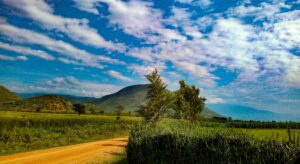 For travelers planning wildlife safaris, Uganda is generally considered safe when visiting through licensed safari companies and professional guides.
Uganda’s safari industry is well established, and most visitors travel comfortably through national parks and tourism circuits without issues. Safari lodges maintain strong security standards, and park rangers actively patrol wildlife areas.
Popular safari destinations such as Murchison Falls National Park, Queen Elizabeth National Park, Lake Mburo National Park, and Bwindi Impenetrable National Park are regularly visited by international tourists throughout the year.
Game drives, boat cruises, chimpanzee trekking, and gorilla trekking activities are supervised by trained guides and armed rangers where necessary.
Travelers should still follow safari safety instructions carefully, especially around wildlife. Animals in Uganda’s national parks are wild and unpredictable, making professional guidance essential.
One of Uganda’s biggest tourism attractions is mountain gorilla trekking, and many travelers wonder whether gorilla trekking is safe.
Gorilla trekking in Bwindi Impenetrable National Park and Mgahinga Gorilla National Park is highly regulated and professionally managed by the Uganda Wildlife Authority.
Every trekking group is accompanied by experienced ranger guides and trackers who monitor gorilla movements and ensure visitor safety. Rangers are trained to handle wildlife situations and maintain safe distances between tourists and gorillas.
The gorillas visited by tourists are habituated, meaning they have gradually become comfortable with human presence over many years.
Security in gorilla trekking regions is taken very seriously because gorilla tourism contributes significantly to conservation and local livelihoods.
Trekkers should follow all briefing instructions carefully, including maintaining appropriate distances, avoiding sudden movements, and respecting time limits during encounters.
For most travelers, gorilla trekking becomes one of the safest and most memorable wildlife experiences in Africa.
Crime and Tourist Safety in Uganda
Like many countries worldwide, Uganda experiences petty crime in some urban areas, particularly in busy city centers. Incidents such as pickpocketing, bag snatching, and phone theft can occur, especially in crowded places.
However, violent crime targeting tourists in safari regions is relatively uncommon.
Visitors can significantly reduce risks by taking standard travel precautions, including:
- Avoiding displaying expensive jewelry or electronics publicly
- Using trusted transportation services
- Avoiding isolated areas at night
- Keeping copies of passports and travel documents
- Staying in reputable hotels and lodges
Kampala, Uganda’s capital city, is busy and vibrant, but travelers should remain aware of their surroundings just as they would in any major international city.
Most safari travelers spend limited time in urban areas before transferring to national parks and tourism destinations.
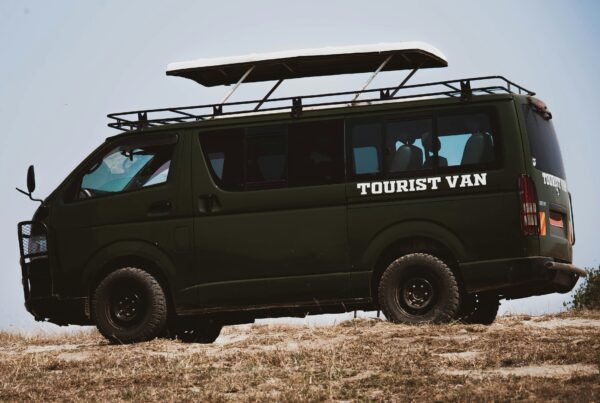
Road travel is the primary method of transportation for safaris in Uganda. Professional safari companies use customized 4×4 vehicles driven by experienced guides familiar with local roads and wildlife routes.
For tourists, booking safaris through established operators remains the safest and most comfortable option.
Road conditions vary across the country. Major highways connecting tourism areas are improving, although some rural roads remain rough, especially during rainy seasons.
Self-driving tourists should exercise caution, particularly outside urban areas and national parks.
Motorcycle taxis known as boda-bodas are common in Uganda, but tourists should use them carefully because road accidents involving motorcycles are relatively frequent.
Domestic flights between Entebbe and safari destinations provide additional safety and convenience for travelers preferring shorter travel times.
Political Stability and Travel in Uganda
Uganda has maintained relative political stability for many years, allowing tourism to grow steadily across the country.
While political demonstrations occasionally occur in urban areas, they rarely affect major tourism destinations or safari circuits.
Travelers should stay informed about current events before and during travel and avoid participating in political gatherings or demonstrations.
Tourist regions, national parks, and gorilla trekking destinations remain largely separated from political activities occurring in city centers.
International travelers are encouraged to monitor travel advisories from their home countries while understanding that advisories often apply broadly and may not reflect conditions within tourism regions specifically.
Health Safety for Travelers Visiting Uganda
Health preparation is an important part of planning a safe trip to Uganda.
A yellow fever vaccination certificate remains mandatory for entry into Uganda. Travelers should also consult medical professionals regarding malaria prevention medication and routine travel vaccinations before departure.
Malaria exists in many parts of Uganda, particularly lower-altitude safari regions. Using mosquito repellent, sleeping under mosquito nets, and taking preventive medication significantly reduces risk.
Travelers should drink bottled or filtered water and maintain standard hygiene precautions during travel.
Most safari lodges and tourism facilities maintain good sanitation standards, especially within established tourism destinations.
Uganda’s private hospitals and clinics in Kampala and major towns provide reasonable healthcare services, while emergency evacuation services are available for travelers with comprehensive travel insurance.
Uganda’s national parks are professionally managed conservation areas where visitor safety is taken seriously.
Game drives are conducted with trained safari guides who understand wildlife behavior and park regulations. Visitors are advised never to leave safari vehicles unless instructed by guides or park rangers.
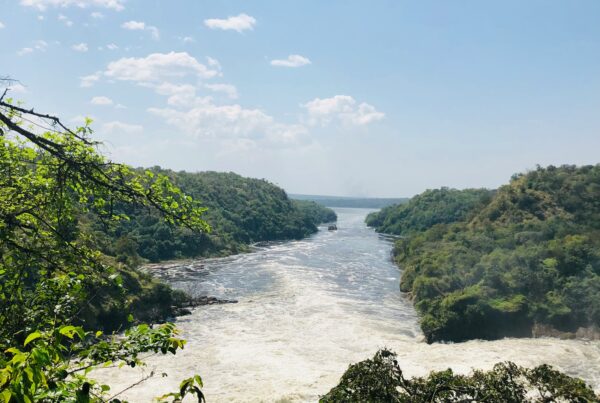
Boat safaris along the Nile River in Murchison Falls National Park and the Kazinga Channel in Queen Elizabeth National Park operate under regulated tourism systems with experienced operators.
Walking safaris and chimpanzee trekking experiences are guided by armed rangers where necessary.
Remote parks such as Kidepo Valley National Park have also become increasingly accessible and secure for tourists through enhanced tourism infrastructure and conservation management.
Is Uganda Safe for Solo Travelers?
Uganda is increasingly popular among solo travelers, photographers, backpackers, and independent adventurers.
Solo travelers who use reputable safari operators, trusted accommodations, and organized tours generally enjoy safe experiences throughout the country.
Female travelers also visit Uganda successfully, particularly on guided safaris and group tours.
As with travel anywhere in the world, solo travelers should avoid unnecessary risks, remain aware of their surroundings, and maintain communication with trusted contacts during travel.
Many safari lodges and tour companies offer personalized itineraries specifically designed for solo travelers.
Ugandan Hospitality and Local Culture
One of the strongest reasons travelers feel comfortable in Uganda is the friendliness of local people. Ugandans are widely known for their hospitality, politeness, and welcoming attitude toward visitors.
Community tourism experiences, village visits, cultural performances, and local interactions often become highlights of a Uganda safari.
Respectful behavior and cultural awareness help create positive interactions throughout the country.
Travelers are encouraged to greet people politely, ask permission before taking photographs, and support local businesses and community tourism initiatives whenever possible.
Responsible Tourism and Conservation Security
Tourism plays a major role in supporting wildlife conservation and local livelihoods in Uganda.
Revenue generated from gorilla permits, park fees, and safari tourism contributes directly to:
- Gorilla protection
- Anti-poaching operations
- Community development
- Conservation employment
- Wildlife monitoring
Because of tourism’s importance, conservation authorities prioritize visitor safety within protected areas.
Travelers choosing ethical and professional safari companies also contribute to sustainable tourism and conservation efforts across Uganda.
Explore responsible Uganda safari experiences, here.
Common Misconceptions About Safety in Uganda
Some travelers hesitate to visit Uganda because of outdated stereotypes or generalized assumptions about Africa. In reality, Uganda’s tourism regions are very different from the negative perceptions sometimes portrayed internationally.
Most visitors are surprised by:
- The friendliness of local communities
- The quality of safari lodges
- The professionalism of guides
- The beauty of the landscapes
- The comfort of organized safaris
Tourism infrastructure continues improving each year, especially in major national parks and gorilla trekking regions.
Travelers who plan carefully and travel responsibly typically describe Uganda as one of the most rewarding and welcoming countries they have visited.
Why Uganda Remains One of Africa’s Best Safari Destinations in 2026
Uganda offers one of the most complete travel experiences in Africa. Few destinations allow travelers to combine gorilla trekking, chimpanzee tracking, Big Five safaris, mountain hiking, river adventures, birdwatching, and cultural tourism within a single itinerary.
The country’s extraordinary biodiversity, scenic beauty, welcoming people, and growing tourism infrastructure continue attracting visitors seeking authentic African experiences.
For travelers asking, Is Uganda safe to visit in 2026?, the answer for most tourists remains yes, especially when traveling through established safari routes with professional tour operators.
Whether exploring the Nile River at Murchison Falls National Park, tracking gorillas in Bwindi, enjoying wildlife safaris in Queen Elizabeth National Park, or hiking volcanoes in Mgahinga, Uganda continues to deliver unforgettable adventures in a safe and welcoming environment.
Plan your Uganda safari safely and professionally, here.