
Uganda Local Food Guide: What to Eat on Safari
Traveling through Uganda is not only about wildlife safaris, gorilla trekking, and breathtaking landscapes. It is also an opportunity to experience one of East Africa’s most diverse and flavorful food cultures. From traditional Ugandan dishes served in rural communities to freshly prepared meals in luxury safari lodges, food plays an important role in every safari experience. Understanding the best local meals to try during your journey helps visitors connect more deeply with Uganda’s culture, hospitality, and everyday life.
This comprehensive Uganda Local Food Guide explores what travelers can expect to eat while on safari, the most popular traditional dishes, regional specialties, street food experiences, dining inside safari lodges, and practical food tips for international visitors. Whether you are traveling to Murchison Falls National Park, Bwindi Impenetrable National Park, Queen Elizabeth National Park, or Kidepo Valley National Park, Uganda’s food culture adds another unforgettable layer to your safari adventure.
The Unique Food Culture of Uganda
Ugandan cuisine reflects the country’s rich cultural diversity and agricultural abundance. With fertile soils, favorable weather, and fresh produce available throughout the year, Uganda is known for naturally grown fruits, vegetables, grains, and livestock products. Food in Uganda is often fresh, organic, and prepared using traditional cooking methods that emphasize flavor and simplicity.
Different regions of Uganda have distinct culinary traditions influenced by local tribes, farming practices, and neighboring countries. Travelers moving across the country during a safari quickly notice changes in food styles, ingredients, and cooking techniques.
One of the most enjoyable aspects of experiencing Uganda local food on safari is the balance between traditional African meals and international cuisine offered in safari lodges. Most safari accommodations serve both local dishes and familiar international meals, giving travelers the chance to explore Ugandan flavors comfortably.
What Food Is Served on Uganda Safaris?
Safari lodges in Uganda typically provide full-board meal plans that include breakfast, lunch, dinner, and sometimes packed meals for game drives or gorilla trekking excursions. Luxury and midrange lodges often prepare a combination of Ugandan specialties and continental cuisine.
Breakfast may include tropical fruits, eggs, pancakes, toast, sausages, tea, coffee, and fresh juices. Lunch and dinner menus frequently feature grilled meats, rice, potatoes, vegetables, soups, stews, and local staples such as matoke.
Because Uganda attracts international tourists from around the world, many safari lodges also cater to vegetarian, vegan, gluten-free, and halal dietary preferences. Travelers with special dietary needs are encouraged to inform tour operators in advance.
Dining on safari often becomes a memorable part of the experience itself. Many lodges offer outdoor dining with views of rivers, forests, or savannah plains filled with wildlife.
Visitors exploring safari experiences through www.murchisonfallsparksafari.com can expect accommodation options that combine excellent hospitality with delicious local and international cuisine.
Matoke: Uganda’s National Dish
One of the most famous traditional foods visitors encounter in Uganda is matoke, a dish made from green bananas that are steamed until soft and then mashed or served whole. Matoke is especially popular in central and western Uganda and is considered a staple food in many households.
The bananas used for matoke are different from sweet dessert bananas. They are starchy cooking bananas with a mild flavor that pairs perfectly with sauces, meats, beans, or groundnut stew.
Travelers staying in safari lodges near Murchison Falls National Park or Bwindi often find matoke included on buffet menus as part of authentic Ugandan dining experiences.
Matoke is not only delicious but also filling and nutritious, making it ideal for travelers after long game drives or gorilla trekking adventures.
Rolex: Uganda’s Most Famous Street Food
No Uganda local food guide is complete without mentioning the famous Rolex. Despite its name, the Ugandan Rolex has nothing to do with luxury watches. It is a popular street food consisting of eggs and vegetables rolled inside a chapati.
The name “Rolex” comes from the phrase “rolled eggs.” This affordable and flavorful snack is enjoyed across Uganda by locals and visitors alike.
Travelers exploring Kampala or stopping in roadside trading centers during safari journeys often encounter Rolex stands where fresh chapatis are prepared on hot pans while eggs are cooked with tomatoes, onions, cabbage, and peppers.
Rolex is especially popular because it is quick, tasty, filling, and easy to customize. Some versions include meat, cheese, or avocado.
Trying a freshly prepared Rolex offers visitors an authentic taste of everyday Ugandan food culture.
Luwombo: Traditional Ugandan Stew
Luwombo is one of Uganda’s most traditional and culturally significant dishes. Originally associated with Buganda Kingdom cuisine, Luwombo involves slow-cooking meat, chicken, fish, or groundnuts inside banana leaves.
The banana leaves help preserve moisture and infuse the food with a rich natural aroma. The result is a flavorful stew usually served alongside matoke, rice, sweet potatoes, or cassava.
Many cultural restaurants and some upscale safari lodges prepare Luwombo as part of authentic Ugandan dining experiences. Travelers interested in local cuisine should not miss the opportunity to try this traditional delicacy.
Ugandan Grilled Meats and Nyama Choma
Meat lovers traveling through Uganda will quickly discover the popularity of grilled meats, commonly referred to as nyama choma. Goat meat, beef, chicken, and pork are widely enjoyed across the country, especially in roadside restaurants and local bars.
Goat nyama choma is particularly popular and is often served with roasted bananas, cassava, chips, or salads. In western Uganda and near cattle-keeping regions, grilled beef is also highly regarded for its freshness and flavor.
Safari lodges near Murchison Falls National Park frequently include grilled meat dishes during evening dinners around campfires or open-air dining areas.
Fresh Fish Along the Nile and Lakes
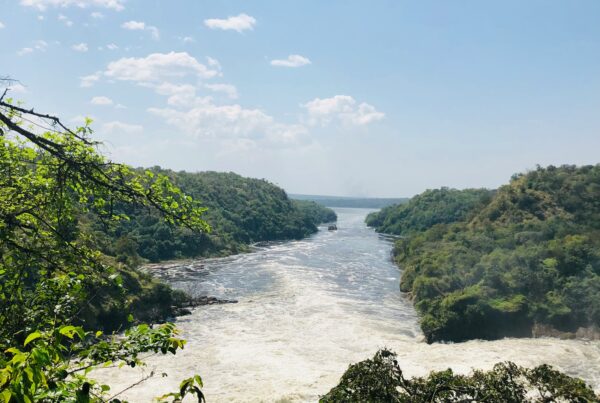
Uganda’s lakes and rivers provide abundant fresh fish that forms an important part of local cuisine. Travelers visiting Murchison Falls and the Nile River region often enjoy freshly prepared Nile perch or tilapia.
Fish is commonly grilled, fried, or cooked in rich tomato-based sauces accompanied by rice, matoke, or chips.
Boat safari excursions along the Nile near Murchison Falls National Park sometimes include meals featuring locally sourced fish dishes prepared by lodge chefs.
Fresh fish meals are especially popular in lakeside regions such as Entebbe, Jinja, and areas near Lake Victoria.
Groundnut Sauce and Traditional Stews
Groundnut sauce, made from peanuts, is a beloved component of Ugandan cuisine. The sauce is creamy, flavorful, and commonly served with matoke, rice, sweet potatoes, or cassava.
Groundnut sauce may accompany chicken, beef, beans, or vegetables and is especially common in northern and eastern Uganda.
Traditional Ugandan stews are generally rich, mildly spiced, and slow-cooked to develop deep flavor. Unlike some other African cuisines, Ugandan food is not typically very spicy unless chili is added separately.
Ugandan Breakfast Culture
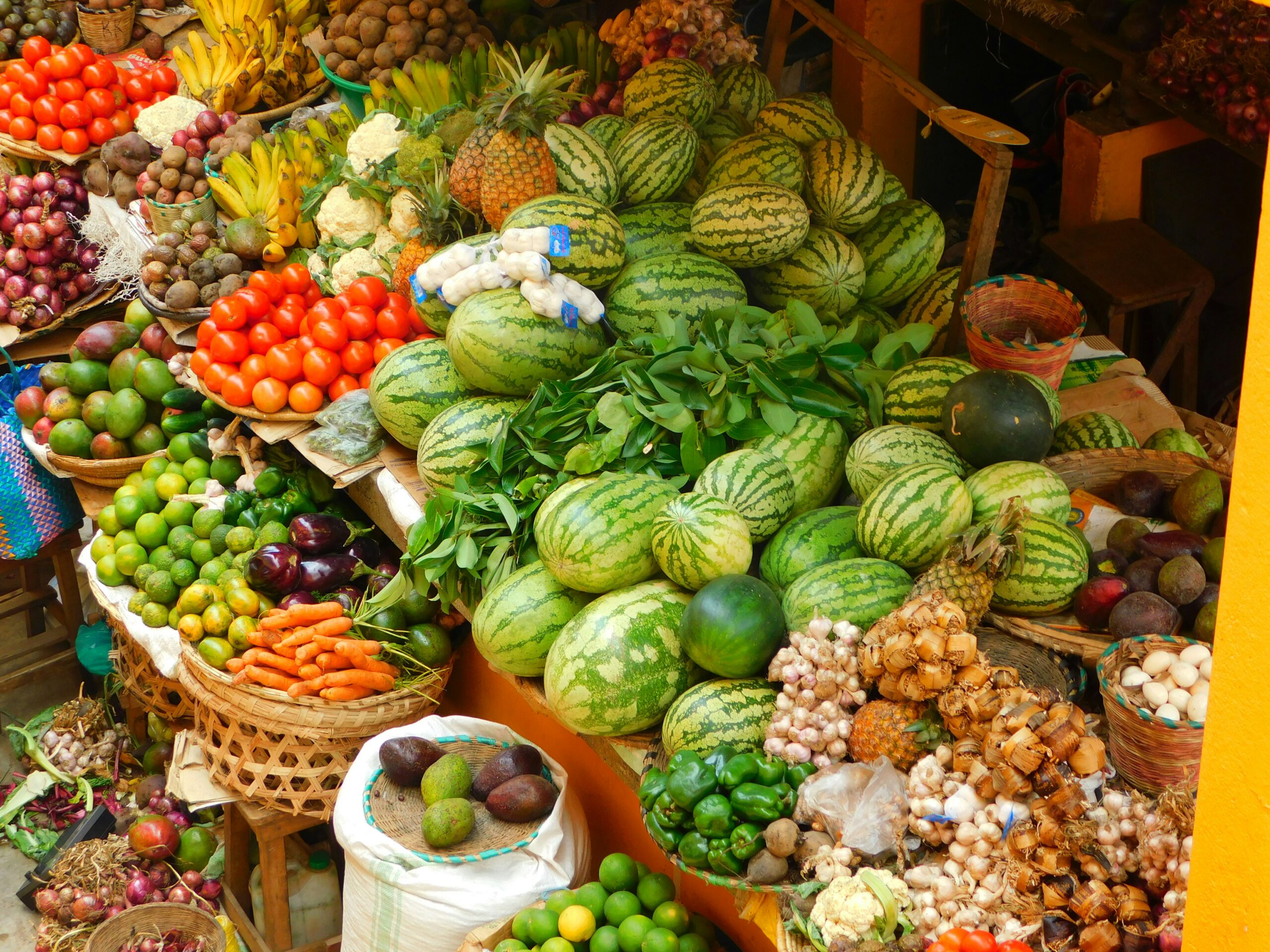
Breakfast on safari in Uganda often combines international options with local specialties. Most safari lodges provide buffet breakfasts including tropical fruits such as pineapple, watermelon, mangoes, and passion fruit, all grown locally.
Tea and coffee are central to Ugandan breakfast culture. Uganda produces excellent Arabica and Robusta coffee, particularly from the Mount Elgon and western highland regions.
Travelers may also encounter local breakfast items such as:
- Chapati
- Mandazi (fried dough snacks)
- Sweet potatoes
- Cassava
- Millet porridge
These energy-rich foods are especially useful before early morning game drives or gorilla trekking activities.
Dining During Gorilla Trekking Safaris
Gorilla trekking adventures in Bwindi Impenetrable National Park and Mgahinga Gorilla National Park often involve packed lunches because visitors spend several hours hiking through forests.
Safari lodges prepare lunch boxes containing sandwiches, fruits, snacks, juice, and sometimes local treats for trekkers to carry during the experience.
After trekking, many travelers enjoy hearty Ugandan meals back at the lodge, often accompanied by local tea or freshly brewed Ugandan coffee.
Uganda is famous for its exceptionally sweet and fresh tropical fruits. During safari journeys, travelers frequently encounter roadside fruit markets selling:
- Pineapples
- Mangoes
- Bananas
- Papayas
- Passion fruits
- Avocados
- Jackfruit
- Watermelon
Many visitors are surprised by the quality and flavor of Ugandan fruits because they are naturally grown and harvested locally.
Fresh fruit juices are also widely available in safari lodges and restaurants across Uganda.
Is Food Safe for Tourists in Uganda?
Food safety in Uganda’s established safari lodges and reputable restaurants is generally very good. Professional safari accommodations serving international visitors maintain proper hygiene and food preparation standards.
Travelers can further protect themselves by:
- Drinking bottled or filtered water
- Eating freshly cooked meals
- Washing hands regularly
- Avoiding poorly stored street food
Visitors with sensitive stomachs may initially prefer eating in trusted safari lodges before experimenting with local roadside food.
Vegetarian and Vegan Food on Uganda Safaris
Uganda is actually a very vegetarian-friendly destination because many traditional meals are plant-based. Beans, vegetables, sweet potatoes, cassava, rice, and matoke form central parts of local cuisine.
Safari lodges catering to international guests usually provide vegetarian and vegan menu options. Travelers should communicate dietary requirements before arrival to ensure smooth meal planning throughout the safari.
Food Experiences as Part of Cultural Tourism
Trying local food allows safari travelers to connect more deeply with Ugandan culture and communities. Some cultural tours even include traditional cooking experiences where visitors learn how local meals are prepared.
Travelers visiting rural communities during Uganda safaris may enjoy:
Traditional banana beer
Local cooking demonstrations
Community dining experiences
Farm visits
Market tours
These experiences help visitors understand Uganda beyond wildlife tourism alone.
What to Drink on Safari in Uganda
Bottled water is widely available throughout Uganda and is provided in most safari vehicles and lodges. Travelers should stay hydrated, especially during long game drives and hiking activities.
Uganda also produces excellent tea and coffee, both of which are commonly served in lodges.
Local beverages visitors may encounter include:
Fresh fruit juice
Ginger tea
African tea with milk
Locally brewed beer
Alcoholic drinks are available in most safari lodges and hotels, including Ugandan beer brands such as Nile Special and Tusker.
Uganda Food Is Part of the Safari Adventure
Food in Uganda is more than nourishment; it is part of the travel experience itself. From enjoying matoke in a safari lodge overlooking the Nile River to tasting a roadside Rolex during a journey toward Murchison Falls National Park, every meal tells a story about Uganda’s people, culture, and traditions.
Ugandan cuisine may appear simple at first glance, but its freshness, flavor, and authenticity leave lasting impressions on many travelers. Safari dining experiences often become some of the most memorable moments of a Uganda adventure.
Whether exploring wildlife parks, trekking mountain gorillas, or driving through rural villages, visitors will discover that Uganda’s hospitality extends naturally to its food culture.
For customized Uganda safari itineraries, wildlife adventures, and carefully selected safari accommodations offering excellent dining experiences, visit, Murchison falls park safari.