

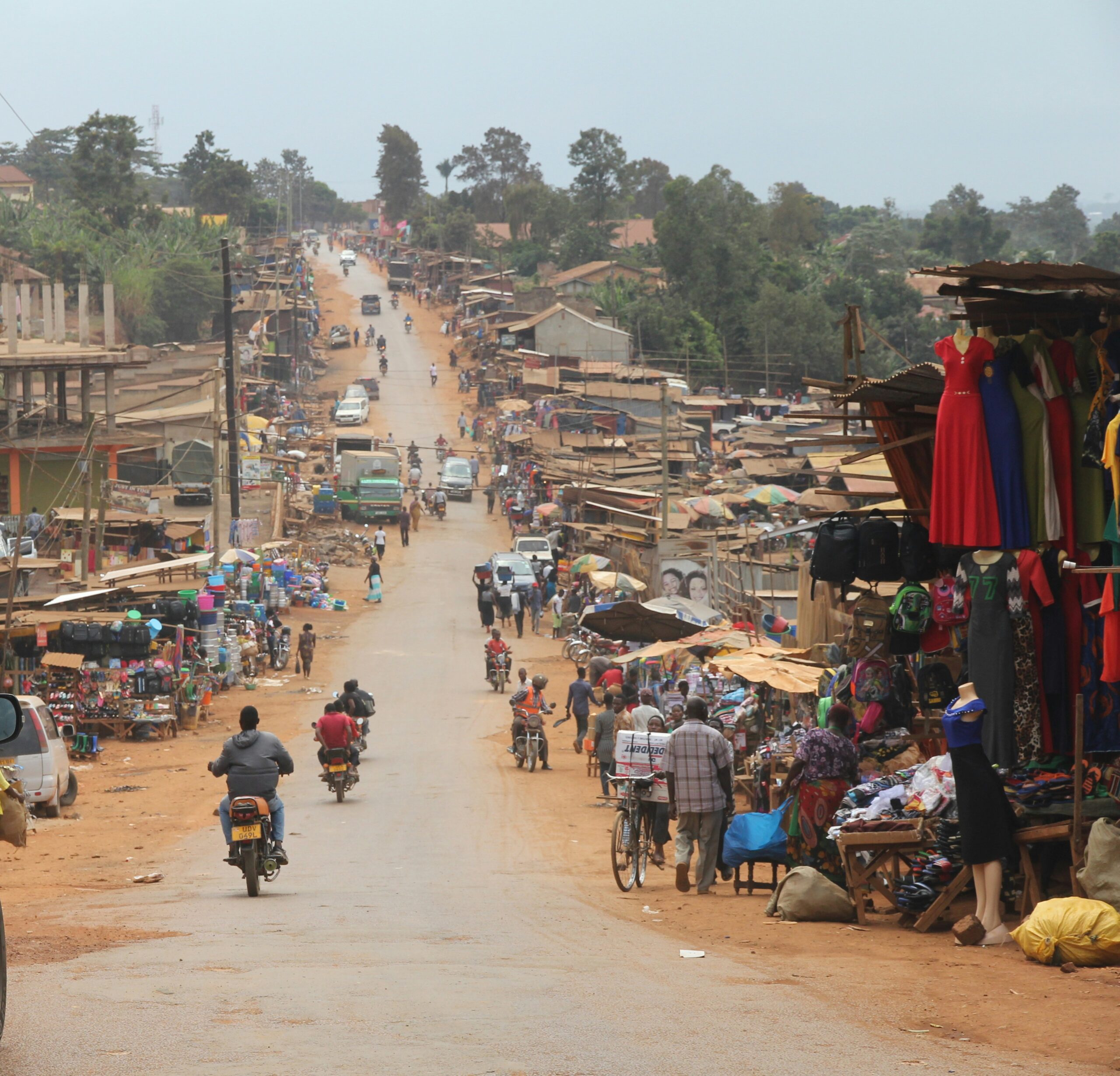
Uganda Road Conditions: Driving Tips for Safari
Traveling through Uganda by road is one of the most exciting ways to experience the country’s spectacular landscapes, wildlife, and culture. From the bustling streets of Kampala to the remote savannah plains of Murchison Falls National Park, road safaris allow visitors to witness Uganda beyond the typical tourist experience. Scenic countryside drives, rolling tea plantations, mountain roads, local villages, and wildlife encounters along the way all become part of the journey. Understanding Uganda road conditions before your safari helps travelers prepare properly and enjoy a smoother, safer, and more comfortable adventure.
Uganda’s tourism industry has grown significantly over the years, and many major safari routes are now more accessible than before. However, road conditions still vary greatly depending on the region, weather season, and distance from urban centers. Travelers can expect a mix of paved highways, gravel roads, dirt tracks, and rugged safari trails, especially inside national parks. While these conditions can sometimes extend travel times, they also contribute to the authentic and adventurous nature of Uganda safaris.
For visitors planning wildlife safaris, gorilla trekking adventures, or overland road trips across Uganda, understanding how to navigate the country’s roads is an essential part of travel preparation.
Understanding Uganda Road Conditions
The overall quality of roads in Uganda depends heavily on location. Main highways connecting major towns and cities are generally paved and reasonably maintained, especially along key tourism routes linking Kampala to popular national parks. Roads connecting urban areas such as Kampala, Entebbe, Masaka, Mbarara, and Gulu are significantly better than many rural roads deeper in the countryside.
However, once travelers begin entering remote safari destinations, road conditions often change. Gravel roads, murram tracks, potholes, seasonal mud, and uneven surfaces are common in wildlife areas and rural communities. During safari drives, this rugged environment is considered part of the African wilderness experience rather than an inconvenience.
The journey itself often becomes one of the highlights of visiting Uganda. Travelers pass through vibrant trading centers, roadside fruit markets, traditional homesteads, cattle grazing landscapes, and scenic valleys that showcase Uganda’s reputation as the “Pearl of Africa.”
Road Conditions from Kampala to Murchison Falls National Park
One of the most traveled safari routes in Uganda connects Kampala to Murchison Falls National Park, Uganda’s largest and most famous wildlife reserve. The journey usually takes between five and six hours depending on weather, traffic, and stopovers along the way.
The main highway from Kampala through Masindi is largely paved and accessible throughout the year. However, sections near the park gates and roads inside the national park are mostly gravel and dirt tracks. While these roads are manageable during dry seasons, rainy weather can occasionally create muddy or slippery conditions.
Inside Murchison Falls National Park, safari vehicles travel along game viewing tracks where travelers encounter elephants, giraffes, lions, buffaloes, antelopes, and sometimes leopards. These tracks are intentionally rustic to preserve the natural wilderness environment. Travelers should therefore expect bumpy sections, dust during dry periods, and slower driving speeds within the park.
Despite these conditions, Murchison Falls remains one of the easiest and most rewarding safari parks to access by road in Uganda. Many visitors enjoy combining game drives with the famous Nile boat cruise to the base of the falls and chimpanzee tracking in nearby Budongo Forest.
Travelers interested in professionally guided safaris to Murchison Falls can explore customized itineraries through www.murchisonfallsparksafari.com.
Why a 4×4 Vehicle Is Important for Uganda Safaris
A reliable 4×4 vehicle is highly recommended for most Uganda safari experiences. While some routes are accessible using ordinary vehicles during dry seasons, safari roads can quickly become difficult after rainfall. A four-wheel-drive vehicle offers better traction, stability, and comfort on rough terrain.
Most professional safari operators use customized Toyota Land Cruisers or safari vans equipped with pop-up roofs for wildlife viewing. These vehicles are specifically designed for African safari environments and can handle muddy roads, steep inclines, rocky surfaces, and long-distance travel.
Travelers planning gorilla trekking in Bwindi Impenetrable National Park or remote wildlife safaris in Kidepo Valley National Park especially benefit from using strong 4×4 vehicles. Mountain roads in southwestern Uganda can become slippery and challenging during rainy months, making experienced drivers and reliable vehicles extremely important.
Driving Conditions During Uganda’s Rainy Seasons
Uganda experiences two primary rainy seasons, usually from March to May and October to November. During these periods, road conditions can become more difficult, particularly in rural areas and national parks.
Heavy rains sometimes create muddy safari tracks, potholes, flooded sections, and slippery mountain roads. Travel times may increase because vehicles move more slowly on difficult surfaces. Certain remote areas may temporarily become inaccessible after prolonged rainfall.
Roads leading to gorilla trekking destinations in Bwindi and Mgahinga are especially affected during rainy seasons because of steep slopes and mountainous terrain. Similarly, safari tracks in parks such as Queen Elizabeth National Park and Murchison Falls can become muddy after storms.
Despite these challenges, Uganda safaris continue throughout the year. Experienced safari companies adjust itineraries based on weather conditions and use vehicles capable of handling rough terrain safely.
Many travelers actually enjoy the rainy season because landscapes become greener, birdlife is abundant, and tourist numbers are lower. Lodges may also offer reduced seasonal rates during these periods.
Dry Season Road Travel in Uganda
The dry seasons between June and September and from December to February are generally considered the best periods for road safaris in Uganda. During these months, roads are drier, easier to navigate, and wildlife viewing improves because animals gather around water sources.
Travel times become more predictable, and game drive tracks inside national parks remain accessible. Dust can increase on gravel roads during dry months, but overall driving conditions are far more comfortable than during heavy rains.
These dry months also coincide with Uganda’s peak safari season, especially for gorilla trekking and Big Five wildlife safaris. Travelers planning overland road trips during these periods should book accommodation and safari vehicles early due to high demand.
Self-Drive Safaris in Uganda
Self-drive safaris have become increasingly popular among adventurous travelers who want flexibility and independence while exploring Uganda. Major tourism routes are relatively navigable for confident drivers familiar with African road conditions.
However, self-driving in Uganda requires proper preparation and caution. Visitors should carry an international driving permit, reliable navigation systems, offline maps, and emergency supplies. Fuel stations become less common in remote safari regions, so travelers should refuel whenever possible before entering national parks.
Driving after dark is strongly discouraged because of limited street lighting, livestock on roads, pedestrians, bicycles, and occasional poorly marked vehicles. Daytime driving is considerably safer and allows travelers to enjoy the surrounding scenery more comfortably.
For first-time visitors unfamiliar with Uganda’s roads, guided safaris remain the preferred option. Professional driver-guides understand local road conditions, wildlife behavior, park regulations, and emergency procedures, making the overall safari experience more relaxed and enjoyable.
Kampala Traffic and Urban Driving
Kampala, Uganda’s capital city, experiences heavy traffic congestion, especially during weekday rush hours and rainy weather. Travelers beginning safaris from Kampala should expect delays during morning and evening commuting periods.
The road connecting Kampala to Entebbe International Airport can also become congested, particularly during peak travel hours. Safari operators usually schedule departures carefully to minimize time lost in urban traffic.
Driving within Kampala requires patience and defensive driving skills. Motorcycles known locally as boda-bodas frequently weave through traffic, and pedestrians often cross roads unexpectedly.
Most safari travelers spend minimal time driving independently within Kampala because guided transfers and private drivers are widely available.
Road Conditions Inside Uganda National Parks
Roads inside Uganda’s national parks differ significantly from public highways. Safari tracks are intentionally maintained in a more natural state to minimize environmental impact and preserve wilderness experiences.
Inside parks such as Murchison Falls National Park, Queen Elizabeth National Park, and Kidepo Valley National Park, visitors should expect uneven terrain, loose gravel, seasonal mud, and wildlife crossing roads freely.
Driving slowly is essential both for safety and wildlife viewing opportunities. Many animals are best spotted during slow game drives, particularly predators hidden in grasslands or elephants feeding near tracks.
During the rainy season, certain game drive circuits may temporarily close for maintenance or safety reasons. Park authorities regularly monitor conditions and provide updates to safari operators.
The Journey to Bwindi Impenetrable National Park
The road journey to Bwindi Impenetrable National Park is one of Uganda’s most scenic travel experiences. Travelers pass through rolling hills, terraced farms, tea plantations, and mountain landscapes while heading toward the gorilla trekking regions of southwestern Uganda.
However, the final sections approaching Bwindi often involve steep gravel roads that become slippery during rainfall. Travel times can therefore be longer than expected despite relatively short distances on maps.
Because gorilla trekking permits operate on strict schedules, many travelers prefer organized safari transport rather than self-driving. Professional drivers familiar with mountain routes help ensure timely and safe arrivals.
Domestic Flights as an Alternative to Long Road Journeys
While road safaris remain extremely popular in Uganda, domestic charter flights offer an alternative for travelers seeking shorter travel times and greater comfort.
Fly-in safari options are available to:
Murchison Falls National Park
Kidepo Valley National Park
Bwindi Impenetrable National Park
Queen Elizabeth National Park
Domestic flights significantly reduce travel hours while providing stunning aerial views of Uganda’s landscapes, rivers, and savannah plains. Many luxury travelers combine fly-in transfers with road game drives inside the parks themselves.
However, overland safaris remain the preferred option for travelers wanting to experience Uganda’s countryside, local culture, and scenic diversity more intimately.
Choosing the Right Safari Operator
Because Uganda road conditions vary considerably, selecting an experienced safari operator is one of the most important travel decisions visitors can make. Professional safari companies provide well-maintained vehicles, skilled driver-guides, emergency support, and carefully planned itineraries that account for road quality and seasonal conditions.
A quality safari operator improves safety, comfort, wildlife viewing success, and overall travel efficiency.
Travelers planning road safaris to Murchison Falls National Park, Bwindi, Queen Elizabeth National Park, or Kidepo Valley can explore reliable safari packages through www.murchisonfallsparksafari.com.
Uganda Road Travel Is Part of the Safari Experience
Although some travelers initially worry about road conditions in Africa, Uganda’s overland safaris offer some of the continent’s most authentic and rewarding travel experiences. The road journey becomes an important part of discovering the country’s landscapes, wildlife, and culture.
Driving through Uganda allows visitors to witness everyday local life, beautiful countryside scenery, roadside markets, and changing ecosystems between destinations. Each route tells a different story about Uganda’s diversity and natural beauty.
Whether navigating the savannah roads of Murchison Falls National Park, climbing the mountain routes toward Bwindi, or exploring the remote wilderness of Kidepo Valley National Park, Uganda delivers unforgettable safari adventures for travelers willing to embrace the journey.
For customized Uganda safari itineraries, road safari packages, wildlife tours, and accommodation bookings, visit:
Murchison falls park safari.