Voluntourism Uganda: Best Programs 2026
Voluntourism in Uganda has grown into one of the most meaningful ways to experience the country’s wildlife, landscapes, and communities. In 2026, travelers are increasingly looking for journeys that go beyond sightseeing and create measurable impact. Uganda offers a unique blend of safari adventure and hands-on conservation involvement, making it one of Africa’s leading destinations for ethical volunteering travel.
Voluntourism Uganda combines travel with service. Visitors participate in conservation work, community development projects, education support, wildlife protection initiatives, and eco-tourism activities while still enjoying Uganda’s world-class safari experiences. From Murchison Falls National Park to rural community projects near Bwindi and Queen Elizabeth National Park, voluntourism is reshaping how people connect with Africa.
This guide explores the best voluntourism programs in Uganda for 2026, how they work, where to find them, and how they contribute to long-term conservation and community development.
Understanding Voluntourism in Uganda
Voluntourism in Uganda refers to travel programs where visitors contribute time, skills, or financial support to local conservation or community projects while experiencing Uganda as a tourist destination.
Unlike traditional tourism, voluntourism creates direct involvement. Travelers may assist in wildlife monitoring, support school programs, participate in tree planting, or help community health initiatives.
The rise of ethical volunteering Uganda programs reflects a global shift toward responsible travel. Visitors are no longer satisfied with passive experiences; they want impact-driven travel that benefits both people and nature.
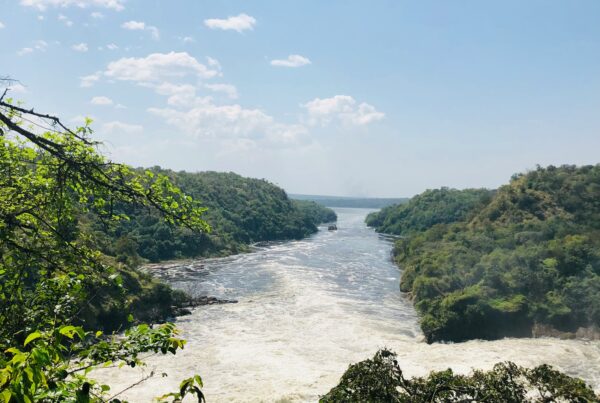
In Uganda, voluntourism is closely connected to conservation tourism, especially in protected areas like Murchison Falls National Park, where wildlife protection depends heavily on community collaboration and conservation awareness.
Why Uganda Is a Leading Voluntourism Destination
Uganda is uniquely positioned for voluntourism because of its biodiversity, community-based conservation systems, and strong tourism infrastructure. Few countries offer such a close integration between safari tourism and grassroots development work.
One of the key reasons voluntourism Uganda has grown rapidly is the country’s rich conservation landscape. Uganda is home to mountain gorillas, chimpanzees, elephants, lions, and hundreds of bird species, many of which depend on protected ecosystems managed in collaboration with local communities.
At the same time, rural communities surrounding national parks often benefit directly from tourism revenue, creating opportunities for volunteer engagement in education, healthcare, and sustainable development programs.
Murchison Falls, in particular, offers a strong model where conservation, tourism, and community development intersect in meaningful ways.
Conservation Volunteering Programs in Uganda
Conservation volunteering is one of the most popular forms of voluntourism Uganda. These programs focus on protecting wildlife, restoring habitats, and supporting anti-poaching efforts.
Volunteers may participate in activities such as wildlife tracking support, data collection for conservation research, tree planting initiatives, and community awareness campaigns.
In Murchison Falls National Park, conservation volunteering often involves assisting with biodiversity monitoring projects, supporting ranger teams in data recording, or participating in habitat restoration along the Nile corridor.
These programs help strengthen Uganda’s conservation systems by providing additional manpower, research support, and community engagement.
Importantly, conservation volunteering in Uganda always operates under strict guidelines to ensure that wildlife is not disturbed and that ecological balance is maintained.
Community Development Voluntourism Programs
Community-based voluntourism programs focus on improving livelihoods in rural areas near national parks and tourism hubs. These initiatives are essential for reducing human-wildlife conflict and supporting sustainable development.
Volunteers in ethical volunteering Uganda programs often engage in teaching, vocational training support, women’s empowerment projects, and small-scale infrastructure development such as clean water access and sanitation improvement.
Around Murchison Falls, community programs are closely linked to tourism income distribution. Many villages benefit from tourism partnerships that fund schools, health centers, and community cooperatives.
Volunteers help strengthen these systems by contributing skills, time, and cross-cultural exchange that benefits both visitors and local residents.
Wildlife Rescue and Rehabilitation Programs
Wildlife rescue programs form another important aspect of voluntourism Uganda. These programs focus on caring for injured, orphaned, or vulnerable animals before they are returned to the wild where possible.
Uganda’s wildlife rehabilitation centers work with elephants, primates, antelopes, and bird species affected by habitat loss or human-wildlife conflict.
Volunteers may assist in feeding programs, habitat maintenance, observational studies, and awareness education campaigns aimed at reducing wildlife harm.
While direct interaction with wild animals is limited for safety and ethical reasons, volunteers contribute significantly to behind-the-scenes conservation work that supports long-term species survival.
Forest and Tree Planting Initiatives
Reforestation programs are a core component of Uganda’s conservation strategy. Deforestation remains a challenge in some regions due to agricultural expansion and fuelwood demand.
Volunteers in voluntourism Uganda programs often participate in tree planting activities that restore degraded habitats and strengthen ecological corridors between protected areas.
These initiatives are especially important around national parks such as Murchison Falls, where forest buffers play a critical role in maintaining biodiversity and regulating water systems.
Tree planting programs also contribute to climate change mitigation, soil conservation, and improved water retention in surrounding landscapes.
Cultural Exchange and Responsible Tourism Experiences
Not all voluntourism programs involve manual conservation or community work. Many include cultural exchange experiences that promote mutual understanding between visitors and local communities.
These programs may involve language learning, traditional craft workshops, cooking experiences, storytelling sessions, and guided village visits.
In Uganda, cultural voluntourism is carefully managed to avoid exploitation or performative tourism. Ethical programs ensure that communities lead and benefit directly from all activities.
Around Murchison Falls, cultural exchange initiatives often complement safari experiences, allowing travelers to understand how local communities coexist with wildlife and depend on sustainable tourism.
Voluntourism and Safari Integration in Uganda
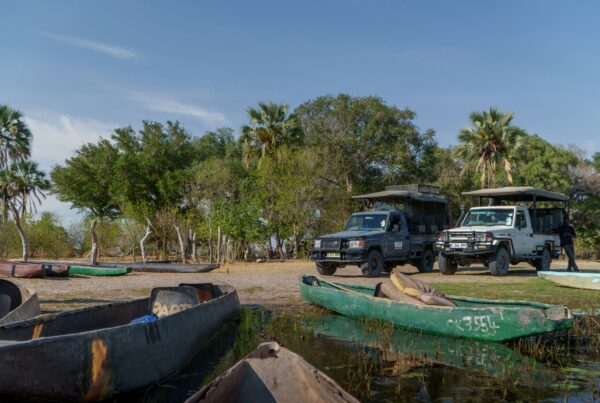
One of the most unique aspects of voluntourism Uganda is its ability to combine volunteering with safari experiences. Visitors can participate in conservation work while still enjoying game drives, boat safaris, and wildlife viewing.
In Murchison Falls National Park, voluntourism participants often experience a blend of conservation fieldwork and guided safaris across the savannah and Nile River systems.
This integration ensures that travelers gain both educational and recreational value from their journey while contributing directly to conservation efforts.
Safari integration also helps fund conservation programs through tourism revenue, making voluntourism a self-reinforcing model of sustainability.
Ethical Considerations in Voluntourism Uganda
Ethical participation is essential in all voluntourism Uganda programs. Not all volunteer projects are equally beneficial, and travelers must choose programs that prioritize local empowerment and long-term impact.
Ethical programs ensure that volunteers do not replace local jobs, disrupt ecosystems, or engage in activities without proper training. Instead, they focus on supporting existing conservation and community systems.
Transparency is also important. Reputable programs clearly explain how funds are used, how communities benefit, and how conservation outcomes are measured.
In Uganda, organizations working with national parks and registered community groups are generally the most reliable options for ethical volunteering.
Challenges Facing Voluntourism in Uganda
While voluntourism offers many benefits, it also presents challenges that must be managed carefully. One of the main concerns is ensuring that volunteer activities are genuinely impactful rather than symbolic.
Overcrowding in volunteer programs can also strain local resources if not properly managed. Additionally, short-term volunteering may have limited long-term impact if not integrated into broader development strategies.
Uganda continues to address these challenges by strengthening regulations, improving program oversight, and encouraging partnerships between tourism operators and local communities.
Responsible voluntourism Uganda programs focus on sustainability, skill transfer, and long-term community benefits rather than short-term engagement.
Best Regions for Voluntourism in Uganda
Several regions in Uganda are ideal for voluntourism due to their strong conservation and community development networks.
Murchison Falls National Park offers conservation-focused volunteering combined with safari experiences. Bwindi Impenetrable Forest is ideal for primate conservation and community support programs linked to gorilla trekking tourism.
Queen Elizabeth National Park provides opportunities for wildlife conservation and community development work in areas affected by human-wildlife conflict.
Kampala and surrounding districts also host urban community programs focused on education, youth empowerment, and health initiatives.
Each region offers a different perspective on Uganda’s social and ecological landscape.
Conclusion
Voluntourism Uganda represents a powerful shift in how travelers experience Africa. It combines meaningful service with unforgettable safari adventures, creating journeys that benefit both visitors and local communities.
In 2026, Uganda stands out as one of the most authentic destinations for ethical volunteering, offering structured programs that support wildlife conservation, community development, and environmental restoration.
From the savannahs of Murchison Falls to the forests of Bwindi, voluntourism creates lasting impact while offering deeply immersive travel experiences. It is not just travel; it is participation in Uganda’s conservation and development story.