

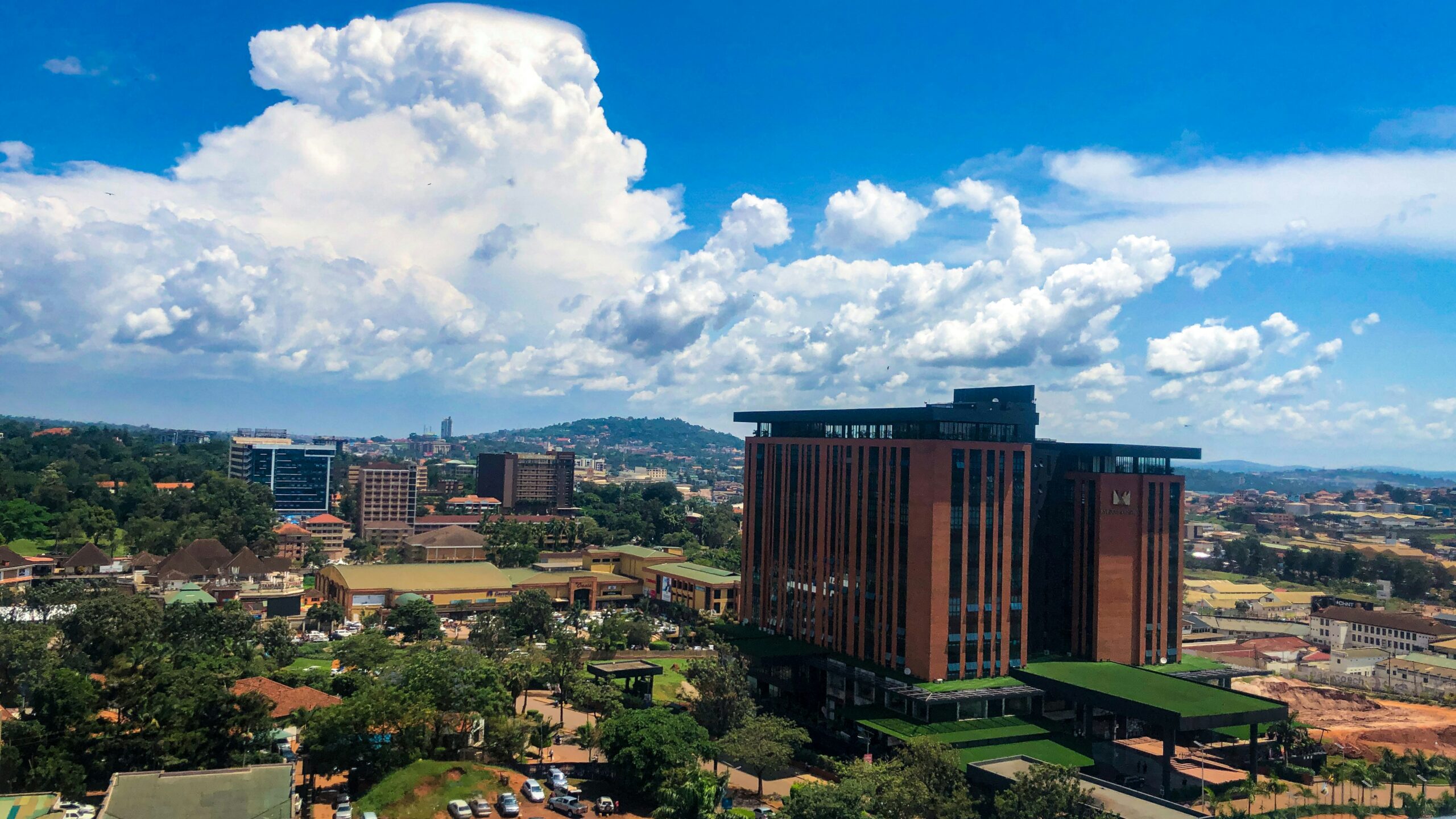
Kampala City Tour: What to See in Uganda’s Capital
A Kampala City Tour introduces travelers to the energetic heart of Uganda, where history, culture, religion, business, and modern urban life combine into one fascinating destination. Kampala stands as Uganda’s largest city and capital, built across rolling hills that overlook wetlands, busy streets, and rapidly growing neighborhoods. While many travelers visit Uganda primarily for wildlife safaris and gorilla trekking, Kampala offers a deeper understanding of the country’s identity, traditions, and daily life.
The city delivers a completely different experience from Uganda’s national parks. Instead of savannah landscapes and wildlife encounters, visitors discover cultural landmarks, historic mosques, bustling local markets, museums, royal palaces, craft centers, nightlife districts, and authentic Ugandan cuisine. Kampala also acts as the country’s political and economic center, making it one of East Africa’s most dynamic urban destinations.
For travelers beginning or ending a Uganda safari, a Kampala city tour creates the perfect opportunity to experience local culture before heading into the wilderness. The city’s accessibility, diversity, and vibrant atmosphere make it an essential addition to a well-rounded Uganda itinerary.
Understanding Kampala’s History and Identity
 The history of Kampala shapes nearly every aspect of the city experience. Originally built across seven hills, Kampala developed as the administrative center of the Buganda Kingdom before later becoming Uganda’s national capital during the colonial period.
The name “Kampala” reportedly originated from the phrase “Hills of the Impala,” referencing the antelope that once grazed in the area. Today, the city has expanded far beyond its original hills into a major metropolitan center filled with government institutions, universities, commercial districts, and residential suburbs.
Despite its rapid urban growth, Kampala maintains strong cultural roots. Traditional kingdoms, religious communities, and local markets continue to influence daily life. Travelers quickly notice how the city blends modern infrastructure with deeply preserved traditions.
This balance between old and new gives Kampala its unique character and makes city tours especially rewarding for visitors interested in culture and history.
The Uganda Museum
One of the most important stops on a Kampala City Tour is the Uganda Museum. Established in 1908, it stands as the country’s oldest museum and provides an excellent introduction to Uganda’s cultural and historical heritage.
The museum displays traditional musical instruments, archaeological discoveries, ethnographic collections, royal regalia, and exhibits representing Uganda’s many ethnic groups. Visitors gain insight into how different communities lived, farmed, hunted, worshipped, and celebrated across centuries.
Outside the main galleries, the museum grounds feature reconstructed traditional huts representing various Ugandan tribes. These structures help visitors visualize regional architectural styles and traditional lifestyles.
For travelers new to Uganda, the museum creates valuable context before visiting other parts of the country, including national parks and cultural regions.
Kasubi Tombs: UNESCO World Heritage Site
The Kasubi Tombs represent one of Uganda’s most important cultural landmarks. Located on Kasubi Hill, this UNESCO World Heritage Site serves as the burial ground for kings of the Buganda Kingdom.
The site carries immense spiritual and political significance for the Baganda people, Uganda’s largest ethnic group. Traditional architecture, cultural symbolism, and royal history combine to create a meaningful cultural experience.
The main tomb structure features a massive grass-thatched dome constructed using traditional methods and local materials. Guides explain the customs, royal traditions, and spiritual beliefs connected to the Buganda monarchy.
A visit to the Kasubi Tombs helps travelers understand the continued importance of traditional kingdoms within modern Uganda.
Gaddafi National Mosque
The Gaddafi National Mosque, also known as the Uganda National Mosque, dominates Kampala’s skyline from Old Kampala Hill. This massive structure stands among the largest mosques in East Africa and offers one of the best panoramic views of the city.
Visitors climbing the mosque’s minaret enjoy sweeping views across Kampala’s hills, markets, roads, and surrounding wetlands. The perspective reveals the scale and energy of Uganda’s capital.
Inside the mosque, guides explain Islamic history in Uganda and the architectural details of the building. The mosque reflects Uganda’s religious diversity and demonstrates how multiple faiths coexist within the country.
The peaceful atmosphere inside contrasts sharply with the busy streets outside, making it one of Kampala’s most memorable landmarks.
Owino Market and Local Shopping Experiences
A Kampala City Tour becomes incomplete without experiencing the city’s vibrant markets. Owino Market, officially known as St. Balikuddembe Market, ranks among East Africa’s busiest and most chaotic marketplaces.
The market stretches across a huge area filled with second-hand clothing, shoes, electronics, fresh produce, textiles, household goods, and street food vendors. Walking through Owino exposes travelers to the fast-paced rhythm of everyday Kampala life.
The atmosphere feels energetic, crowded, and highly authentic. Traders call out prices while shoppers navigate narrow pathways lined with merchandise. Local guides help visitors explore the market safely while explaining how informal trade supports thousands of livelihoods.
Craft markets around Kampala offer a calmer shopping experience where travelers can purchase handmade jewelry, paintings, wood carvings, baskets, and fabrics created by Ugandan artisans.
These markets provide opportunities to support local communities while taking home meaningful souvenirs.
Kabaka’s Palace and Buganda Kingdom Heritage
Kabaka’s Palace on Mengo Hill serves as another major cultural attraction in Kampala. The palace acts as the official residence of the King of Buganda, one of Africa’s oldest surviving monarchies.
Guided tours explain the history of the Buganda Kingdom, its political structure, and its role within Uganda’s national identity. Visitors also learn about darker historical periods linked to Idi Amin’s regime, including underground torture chambers located beneath the palace grounds.
The palace experience combines royal heritage with political history, giving travelers a deeper understanding of Uganda’s past and present.
Namirembe and Rubaga Cathedrals
Religious landmarks play a major role in Kampala’s cityscape, and Namirembe Cathedral along with Rubaga Cathedral stand among the city’s most important Christian sites.
Namirembe Cathedral serves as the oldest Anglican cathedral in Uganda and overlooks much of the city from Namirembe Hill. Its quiet setting and colonial-era architecture create a peaceful atmosphere.
Rubaga Cathedral, the center of the Catholic Church in Uganda, features beautiful stained-glass windows and impressive architecture. The hilltop location also offers scenic views over Kampala.
These religious sites reflect Uganda’s strong Christian heritage and provide insight into the country’s spiritual life.
Kampala’s Food Scene and Local Cuisine
 Food forms an important part of the Kampala City Tour experience. Uganda’s capital offers everything from traditional local dishes to modern restaurants serving international cuisine.
Travelers often try local staples such as matoke, groundnut sauce, grilled tilapia, rolex chapati wraps, luwombo stew, and fresh tropical fruits.
Street food experiences introduce visitors to authentic local flavors while upscale restaurants around Kololo and Bugolobi provide more refined dining environments.
The nightlife and café culture in Kampala continue to grow rapidly, making the city one of East Africa’s most exciting urban food destinations.
Ndere Cultural Centre
The Ndere Cultural Centre offers one of the best opportunities to experience Uganda’s traditional music and dance performances. Cultural troupes perform dances representing different regions and ethnic groups across the country.
The performances combine storytelling, drumming, singing, and colorful costumes into an engaging cultural showcase. Visitors gain appreciation for Uganda’s cultural diversity and artistic traditions.
Dinner experiences at Ndere often include local cuisine, creating a complete evening of entertainment and cultural immersion.
Kampala Nightlife and Entertainment
Kampala has developed a reputation for lively nightlife and entertainment. Areas such as Kololo, Acacia Avenue, Bugolobi, and Kisementi feature bars, lounges, live music venues, and restaurants that attract both locals and international visitors.
The city’s nightlife reflects Uganda’s youthful energy and social culture. Live Afrobeat music, DJ performances, and cultural events create vibrant evening experiences.
For travelers seeking urban entertainment after safari adventures, Kampala offers a refreshing contrast to the quiet atmosphere of national parks.
Day Trips from Kampala
Kampala also serves as a gateway to nearby attractions that complement city tours. Travelers can easily visit Entebbe and Lake Victoria, Mabamba Swamp for shoebill birding, the Source of the Nile in Jinja, or Ngamba Island Chimpanzee Sanctuary.
These short excursions add variety to Uganda itineraries while remaining accessible from the capital.
Tour operators such as Murchison falls park safari frequently combine Kampala city tours with nearby adventure and nature experiences.
Best Time for a Kampala City Tour
Kampala remains accessible year-round because of its moderate equatorial climate. Dry seasons from June to August and December to February provide the most comfortable conditions for walking tours and sightseeing.
Rainy seasons bring occasional heavy showers, but tours continue throughout the year. Morning tours often work best because temperatures remain cooler and traffic less intense.
Weekdays provide more authentic insight into city life, while weekends offer quieter streets and more active nightlife scenes.
Why Kampala Deserves a Place on Your Uganda Itinerary
Many travelers overlook Kampala while focusing entirely on wildlife safaris and gorilla trekking. However, the city provides important cultural context that enhances the overall Uganda travel experience.
A Kampala City Tour reveals the country’s traditions, history, religions, cuisine, music, and modern urban identity. It allows visitors to connect with Uganda beyond its wildlife attractions.
Whether exploring markets, learning royal history, tasting local food, or enjoying city viewpoints, travelers discover a vibrant and welcoming capital filled with authentic experiences.
For visitors seeking a complete Uganda journey, Kampala adds depth, culture, and human connection to safari itineraries.