Mabamba Swamp Shoebill Stork Tour From Kampala
A Mabamba Swamp Tour is one of the most rewarding wildlife and birdwatching experiences near Kampala and Entebbe. Located along the northern shores of Lake Victoria, Mabamba Swamp is internationally recognized as one of the best places in Africa to see the rare and prehistoric-looking shoebill stork in its natural habitat. For bird lovers, photographers, nature enthusiasts, and travelers with limited safari time, this wetland excursion provides an unforgettable introduction to Uganda’s extraordinary biodiversity.
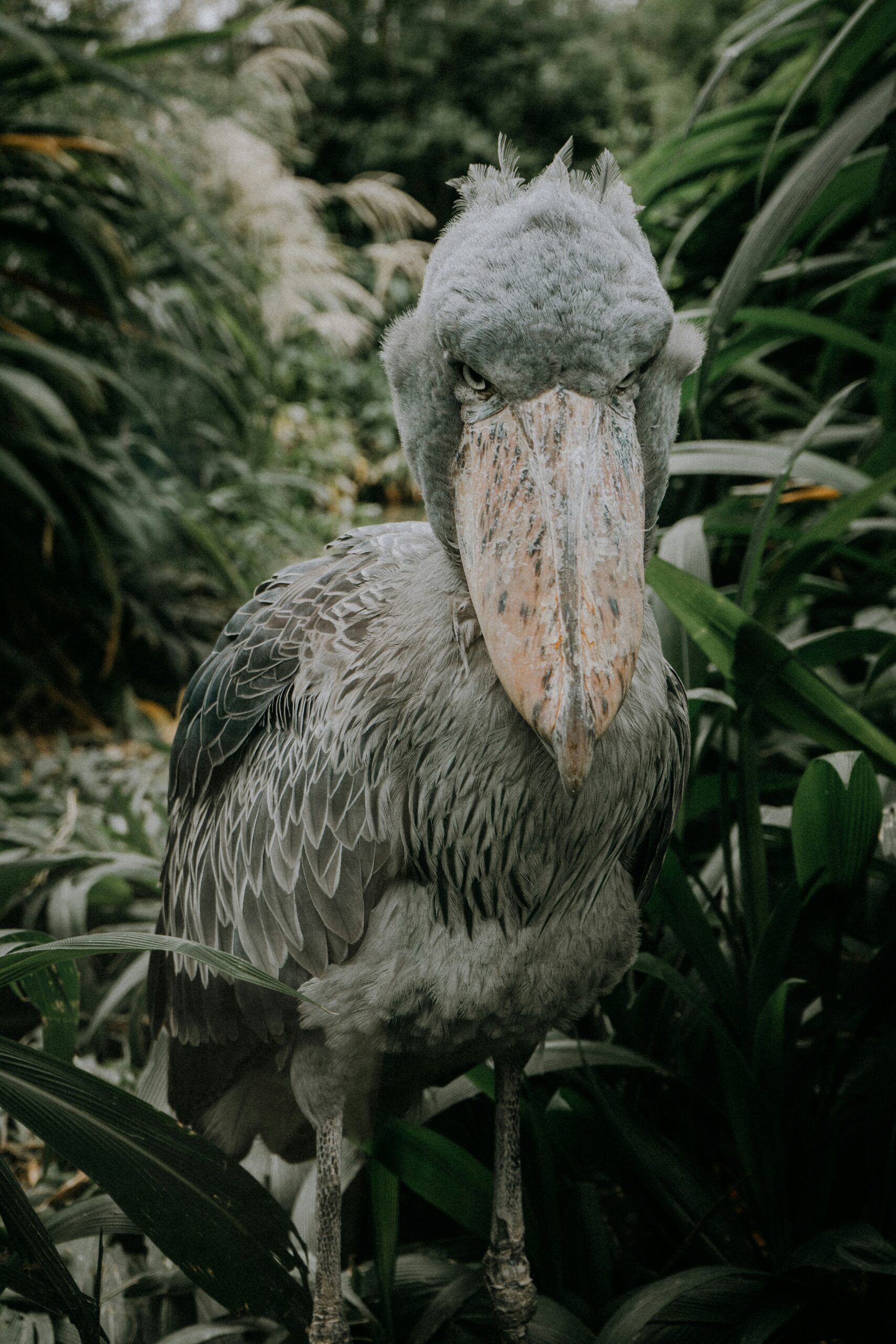
The swamp is famous for hosting a healthy population of shoebill storks, one of the world’s most sought-after bird species. Known for its enormous shoe-shaped bill, towering height, and motionless hunting style, the shoebill has become a symbol of Uganda’s birding tourism. A visit to Mabamba offers travelers a realistic opportunity to encounter this elusive bird at relatively close range while exploring scenic papyrus wetlands by traditional canoe.
Because of its accessibility from Kampala and Entebbe, the Mabamba Swamp Shoebill Stork Tour From Kampala has become one of Uganda’s most popular day trips. Visitors can easily combine the experience with longer Uganda safaris, gorilla trekking adventures, wildlife tours, or even airport layovers.
The peaceful environment of the swamp, the beauty of Lake Victoria, and the excitement of tracking the shoebill create an experience that feels both adventurous and relaxing at the same time.
Where is Mabamba Swamp Located
Mabamba Swamp is situated west of Entebbe on the northern shores of Lake Victoria in Wakiso District. The wetland stretches across a large papyrus-covered area connected to Lake Victoria’s ecosystem and forms part of an important bird conservation zone.
The swamp can be reached from Kampala in approximately two to three hours depending on traffic conditions and the route taken. Most visitors travel through Entebbe before continuing toward the landing sites where canoe excursions begin.
Travelers coming directly from Entebbe International Airport can reach Mabamba much faster, making the tour ideal for visitors with short stays in Uganda or those arriving early before longer safari programs.
The location’s convenience has made the Mabamba Swamp Tour a highly recommended activity for both first-time visitors and experienced birders.
Why Mabamba Swamp is Famous
Mabamba Swamp gained international recognition primarily because of the shoebill stork population found within the wetland. The shoebill is one of Africa’s rarest and most fascinating birds, attracting birdwatchers from around the world.
This massive bird can grow up to five feet tall with an enormous bill resembling a Dutch clog shoe, which explains its unusual name. Its prehistoric appearance often reminds visitors of dinosaur-like creatures from ancient times.
The shoebill is highly elusive in many parts of Africa, but Mabamba offers relatively reliable sightings because the swamp provides ideal feeding conditions. The shallow waters contain lungfish, frogs, catfish, and other aquatic prey that attract the bird.
Apart from the shoebill, Mabamba Swamp is home to over 300 bird species. This biodiversity makes the wetland one of Uganda’s most important birding destinations.
The swamp is also recognized under the Ramsar Convention as a wetland of international importance due to its ecological significance and birdlife conservation value.
The Shoebill Stork Experience
The highlight of the Shoebill Stork Uganda excursion is undoubtedly the canoe search through narrow papyrus channels. Early in the morning, local guides and canoe operators lead visitors into the wetland using small motorized boats or traditional wooden canoes.
The calm waters and dense papyrus vegetation create a peaceful atmosphere interrupted only by bird calls and gentle movements across the swamp.
Tracking the shoebill requires patience, observation, and local knowledge. Experienced guides understand the bird’s feeding patterns and preferred areas, greatly improving the chances of sightings.
When the shoebill appears, the moment becomes unforgettable. Visitors often watch the bird standing perfectly still in shallow water while hunting lungfish. Its slow movements, intense stare, and giant bill create remarkable photography opportunities.
Unlike many wildlife encounters that happen quickly, shoebill sightings at Mabamba can sometimes last for extended periods, allowing visitors enough time for observation and photography.
The experience feels intimate because the canoes approach quietly without disturbing the bird.
Bird Species Found in Mabamba Swamp
While the shoebill remains the main attraction, the Mabamba Swamp birding safari offers incredible bird diversity throughout the excursion.
Birdwatchers frequently encounter African jacanas walking across floating vegetation, malachite kingfishers darting over the water, papyrus gonoleks hidden within reeds, and African fish eagles soaring above Lake Victoria.
Other commonly spotted species include swamp flycatchers, blue-breasted bee-eaters, pygmy geese, long-toed lapwings, purple herons, goliath herons, yellow-billed ducks, black crakes, and African marsh harriers.
The swamp is especially valuable for bird photographers because the canoe excursions provide low-angle photography perspectives and close wildlife encounters.
Even travelers with little birding experience often become fascinated by the variety and beauty of the species found within the wetland ecosystem.
Best Time for a Mabamba Swamp Tour
A Mabamba Swamp Tour can be done throughout the year, but the best birding conditions usually occur during the dry seasons from December to February and June to September.
Morning excursions are highly recommended because birds are more active early in the day, temperatures are cooler, and lighting conditions are better for photography.
The dry seasons often provide easier access and calmer water conditions, although the swamp remains productive year-round.
Rainy seasons also have advantages, including greener scenery and the presence of migratory bird species. Shoebill sightings remain possible during all months because the birds are resident within the wetland.
Visitors interested in photography should aim for early departures from Kampala or Entebbe to maximize lighting conditions and bird activity.
How the Tour is Conducted
Most Mabamba Wetland tours begin early in the morning with pickup from Kampala or Entebbe. Travelers then transfer by road to the swamp landing site.
After arrival, guides provide a short briefing before boarding the canoes. The excursion typically lasts between two and four hours depending on bird activity and visitor interests.
Local guides navigate through papyrus channels while identifying bird species and explaining the ecology of the wetland.
Some tours include refreshments, packed lunches, or additional visits to nearby communities and fishing villages along Lake Victoria.
Because the excursion takes place on water, travelers should carry sun protection, binoculars, cameras, insect repellent, and light waterproof clothing.
Photography Opportunities at Mabamba Swamp
For photographers, Mabamba is one of Uganda’s most rewarding wildlife photography locations. The calm water environment and close-range bird encounters create excellent conditions for both amateur and professional photography.
The shoebill itself is an extraordinary photographic subject because of its unique appearance and dramatic expressions. Capturing the bird standing among papyrus reeds or spreading its wings provides striking images.
Morning light often reflects beautifully across the water, adding atmosphere to landscape and bird photography.
Apart from birds, photographers also enjoy capturing fishermen, traditional canoes, papyrus scenery, and Lake Victoria landscapes during the tour.
Wildlife photographers visiting Uganda for gorilla trekking or savannah safaris frequently include Mabamba in their itineraries because it adds a completely different photographic experience.
Conservation Importance of Mabamba Swamp
Mabamba Swamp plays a critical role in Uganda’s environmental conservation efforts. The wetland supports numerous bird species, fish populations, amphibians, and aquatic plants that depend on the fragile ecosystem.
Conservation initiatives aim to protect the swamp from habitat destruction, pollution, overfishing, and unsustainable agricultural expansion.
Tourism contributes significantly to conservation because local communities benefit directly from guiding services, canoe operations, birding tourism, and hospitality activities.
The growing popularity of the Shoebill Stork Uganda tour has helped increase awareness about wetland conservation and the importance of protecting endangered species habitats.
Responsible tourism practices such as minimizing disturbance, respecting wildlife distances, and supporting local conservation projects help preserve Mabamba for future generations.
Combining Mabamba Swamp with Other Uganda Safaris
One of the greatest advantages of the Mabamba Swamp Tour is its flexibility within broader Uganda safari itineraries.
Travelers arriving in Uganda often begin with Mabamba before continuing to Murchison Falls National Park, Queen Elizabeth National Park, Kibale Forest, or Bwindi Impenetrable National Park.
Birdwatchers frequently combine Mabamba with Budongo Forest, Semuliki National Park, and Queen Elizabeth National Park to create specialized Uganda birding safaris.
The tour also pairs well with gorilla trekking because it provides a relaxing wetland experience before or after more physically demanding rainforest activities.
Visitors staying in Entebbe can easily include Mabamba as a half-day or full-day excursion without requiring extensive travel.
Why Birders Love Uganda
Uganda is considered one of Africa’s premier birdwatching destinations due to its exceptional biodiversity and varied ecosystems. The country hosts more than 1,090 bird species, representing nearly half of Africa’s bird population.
From wetlands and savannahs to rainforests and mountains, Uganda’s habitats support remarkable bird diversity.
The Kampala birdwatching tour to Mabamba provides an ideal introduction to Uganda’s birdlife because it is accessible, rewarding, and suitable even for beginners.
Professional birders often rank Uganda among the world’s top birding destinations because of the concentration of species within relatively short travel distances.
What to Pack for a Mabamba Swamp Tour
Visitors joining a Mabamba Swamp birding safari should prepare appropriately for wetland conditions and outdoor activities.
Lightweight clothing, waterproof jackets, hats, sunscreen, sunglasses, and insect repellent are recommended. Comfortable footwear is useful for landing areas and short walks.
Binoculars significantly improve birdwatching experiences, while cameras with zoom lenses are highly valuable for photography enthusiasts.
Because morning departures are common, travelers should also carry drinking water and snacks for comfort during the excursion.
Why Mabamba is Perfect for Short Uganda Visits
Not every traveler has enough time for long safaris across Uganda. The Mabamba Swamp Shoebill Stork Tour From Kampala offers an excellent wildlife experience even for visitors with limited schedules.
The tour can be completed within a single day while still delivering memorable wildlife encounters and scenic exploration.
Business travelers, conference attendees, transit passengers, and weekend visitors often choose Mabamba because it requires minimal travel while showcasing Uganda’s natural beauty.
For travelers planning longer safaris later, the excursion also serves as a great introduction to Uganda’s birdlife and ecosystems.
The Growing Popularity of Shoebill Tourism
In recent years, shoebill tourism has become one of Uganda’s fastest-growing niche safari experiences. Wildlife enthusiasts increasingly seek unique and rare encounters beyond traditional Big Five safaris.
The shoebill’s unusual appearance and rarity make it highly desirable among birders and photographers worldwide.
Social media and wildlife documentaries have further increased global interest in the species, bringing more international attention to Mabamba Swamp.
Despite the increasing popularity, the experience remains peaceful and authentic because canoe excursions maintain low environmental impact and small visitor groups.