
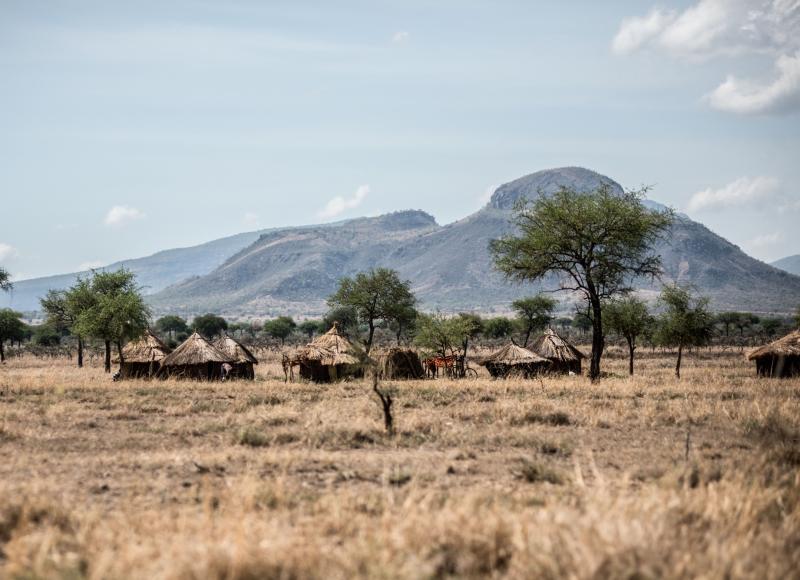
Karamoja Region Cultural Tourism: Kidepo Valley
When travelers think of Kidepo Valley National Park, they often picture vast golden savannahs, roaming elephants, lions, cheetahs, and breathtaking mountain scenery. While the park is one of Uganda’s finest wildlife destinations, the surrounding Karamoja Region offers another equally remarkable attraction—its rich cultural heritage. Karamoja region cultural tourism in Kidepo Valley allows visitors to experience authentic traditions, indigenous lifestyles, and centuries-old customs that have shaped one of East Africa’s most distinctive communities.
Located in Uganda’s remote northeastern corner, the Karamoja Region is home to the Karamojong people, whose semi-nomadic pastoral way of life remains deeply connected to cattle, community, and the natural environment. Visiting the region provides an opportunity to experience traditional villages, cultural performances, local craftsmanship, storytelling, and daily life while supporting community-based tourism initiatives.
For travelers planning a northern Uganda safari that combines Murchison Falls National Park with Kidepo Valley National Park, adding a cultural experience in Karamoja creates a more complete understanding of Uganda’s diverse landscapes, wildlife, and people.
This guide explores everything you need to know about Karamoja region cultural tourism in Kidepo Valley, including the communities, cultural experiences, travel tips, conservation links, and why this destination deserves a place on every Uganda safari itinerary.
Discovering the Karamoja Region
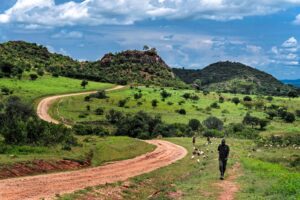 The Karamoja Region occupies Uganda’s northeastern frontier and borders Kenya and South Sudan. Its dramatic landscapes are defined by open savannah, volcanic hills, rocky outcrops, seasonal rivers, and expansive grasslands that support both wildlife and pastoral communities.
Unlike many other regions of Uganda, Karamoja has maintained much of its traditional cultural identity. The Karamojong people continue to practice livestock keeping as the foundation of their economy, social organization, and cultural heritage.
The remote location of Karamoja has helped preserve customs, ceremonies, and lifestyles that offer visitors an authentic cultural experience rarely found in more heavily visited tourism destinations.
Because Kidepo Valley National Park lies within this remarkable region, wildlife safaris naturally complement cultural exploration.
Who Are the Karamojong People?
At the heart of Karamoja region cultural tourism in Kidepo Valley are the Karamojong people.
The Karamojong belong to the larger Ateker ethnic group, which also includes related communities in Kenya and South Sudan. Traditionally, they are semi-nomadic pastoralists whose lives revolve around cattle, goats, and sheep.
Cattle are central to Karamojong identity. They represent wealth, social status, marriage traditions, and cultural continuity. Livestock influence ceremonies, songs, storytelling, and community relationships.
Despite increasing modernization, many Karamojong communities continue to preserve traditional architecture, dress, music, and customs that reflect generations of cultural resilience.
Traditional Manyatta Village Visits
One of the highlights of Karamoja region cultural tourism in Kidepo Valley is visiting a traditional Manyatta, the characteristic homestead of the Karamojong.
A Manyatta consists of circular huts built from wooden poles, mud, grass, and thatch, enclosed by protective fences made from thorn branches. These enclosures safeguard families and livestock from predators while reinforcing the community’s close relationship with cattle.
During a guided visit, travelers gain insight into daily life, traditional housing techniques, food preparation, family structures, and the significance of livestock within the community.
The experience provides meaningful cultural exchange while supporting local tourism initiatives.
Traditional Music and Dance
Music and dance play an essential role in Karamojong society and are among the most memorable experiences during Karamoja region cultural tourism in Kidepo Valley.
Visitors are welcomed with energetic performances featuring rhythmic drumming, singing, and synchronized jumping dances performed by men and women.
Traditional songs often tell stories of cattle, bravery, community celebrations, courtship, harvests, and historical events.
Unlike staged performances in some destinations, many cultural presentations in Karamoja remain deeply connected to community identity and continue to be performed during local ceremonies.
Storytelling and Oral Traditions
Storytelling remains one of the strongest forms of cultural preservation among the Karamojong.
During cultural visits, elders share oral histories that explain the origins of their communities, migration routes, ancestral beliefs, and traditional governance systems.
These stories provide valuable context for understanding how the people of Karamoja have adapted to life in one of East Africa’s most challenging environments.
Listening to local narratives enriches the safari experience by revealing the human history that exists alongside the region’s remarkable wildlife.
Traditional Crafts and Local Artisans
A key component of Karamoja region cultural tourism in Kidepo Valley is the opportunity to meet local artisans.
Women produce beautifully handcrafted baskets, beadwork, necklaces, bracelets, leather goods, and woven mats using techniques passed down through generations.
Many of these crafts incorporate symbolic colors and patterns that represent community identity, age groups, or cultural significance.
Purchasing authentic handmade crafts provides direct income to local families while helping preserve traditional skills.
The Importance of Cattle in Karamojong Culture
To understand Karamoja is to understand cattle.
Within Karamojong society, cattle are far more than economic assets. They influence marriage negotiations, social standing, community ceremonies, and intergenerational wealth.
Traditional songs frequently celebrate cattle, and young men often develop deep personal connections with specific animals within their herds.
Visitors who learn about the cultural importance of cattle gain a deeper appreciation of the values and traditions that continue to shape life throughout Karamoja.
Community-Based Tourism and Conservation
One of the greatest strengths of Karamoja region cultural tourism in Kidepo Valley is its contribution to sustainable development.
Community tourism generates income through guided village visits, craft sales, cultural performances, accommodation, and local guiding services.
These financial benefits encourage communities to participate actively in wildlife conservation while reducing dependence on activities that may threaten protected ecosystems.
The close relationship between Kidepo Valley National Park and neighboring communities demonstrates how conservation and cultural tourism can work together to create long-term economic opportunities.
Cultural Tourism and Wildlife Safaris
Combining cultural experiences with wildlife viewing creates one of Uganda’s most rewarding safari itineraries.
A typical day may begin with a game drive through Kidepo Valley National Park, where visitors encounter lions, elephants, giraffes, cheetahs, zebras, and buffalo before spending the afternoon exploring a Karamojong community.
This combination allows travelers to appreciate both the natural and cultural richness of northeastern Uganda.
It also creates a more balanced safari experience that goes beyond wildlife photography to include meaningful human interaction.
Best Time to Visit Karamoja
The best time for Karamoja region cultural tourism in Kidepo Valley generally coincides with the dry seasons from December to March and June to September.
Road conditions are more reliable during these months, making travel easier between communities and the national park.
Wildlife viewing is also excellent during the dry season, allowing travelers to combine cultural visits with exceptional game drives.
However, cultural experiences are available throughout the year, as community life continues regardless of seasonal changes.
Responsible Cultural Tourism
Respectful engagement is essential when participating in Karamoja region cultural tourism in Kidepo Valley.
Visitors should always ask permission before taking photographs of individuals, respect local customs, and follow guidance provided by community leaders and local guides.
Choosing community-managed tourism experiences ensures that tourism benefits are shared fairly while supporting cultural preservation.
Responsible tourism strengthens partnerships between visitors and local communities while encouraging sustainable development.
Accessibility and Safari Connections
Although remote, the Karamoja Region is increasingly accessible by both road and scheduled domestic flights.
Many visitors travel from Murchison Falls National Park to Kidepo Valley National Park, creating an unforgettable northern Uganda safari circuit.
Others combine Karamoja with Kibale National Park, Queen Elizabeth National Park, and Bwindi Impenetrable National Park to experience Uganda’s extraordinary diversity of wildlife, landscapes, and cultures.
At Murchison Falls Park Safari, we specialize in customized itineraries that integrate wildlife safaris with authentic cultural experiences across Uganda.
Why Karamoja Cultural Tourism Is Worth Experiencing
Many safari destinations focus exclusively on wildlife, but Karamoja region cultural tourism in Kidepo Valley offers something far more comprehensive.
Visitors leave with an understanding of how people have lived alongside these landscapes for generations, developing traditions, knowledge, and resilience that continue to define the region today.
The authenticity of Karamoja, combined with the wilderness of Kidepo, creates one of East Africa’s most memorable travel experiences.
Plan Your Karamoja and Kidepo Safari with Murchison Falls Park Safari
If you’re looking to experience the true diversity of Uganda, consider combining Karamoja region cultural tourism in Kidepo Valley with a wildlife safari through Murchison Falls National Park, chimpanzee tracking in Kibale Forest, game drives in Queen Elizabeth National Park, or mountain gorilla trekking in Bwindi Impenetrable National Park.
At Murchison Falls Park Safari, we create personalized itineraries that combine culture, wildlife, and adventure while ensuring meaningful interactions with Uganda’s remarkable communities.
Visit Murchison falls park safari to explore our Uganda safari packages and start planning your unforgettable journey.