Kidepo Valley National Park: Uganda’s Remote Safari Gem
Far in the rugged northeastern corner of Uganda lies one of Africa’s most untouched and spectacular wilderness destinations, Kidepo Valley National Park. Often described as Uganda’s hidden safari treasure, the park is celebrated for its dramatic landscapes, vast open savannahs, isolated valleys, abundant wildlife, and authentic safari atmosphere far away from mass tourism.
Unlike many crowded safari destinations across Africa, Kidepo Valley National Park offers travelers a rare sense of wilderness and exclusivity. The park’s remote location creates an adventurous safari experience where visitors can explore expansive landscapes with very few vehicles and uninterrupted wildlife encounters.
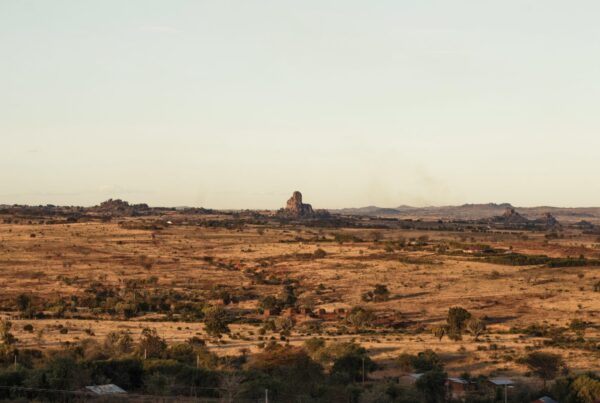
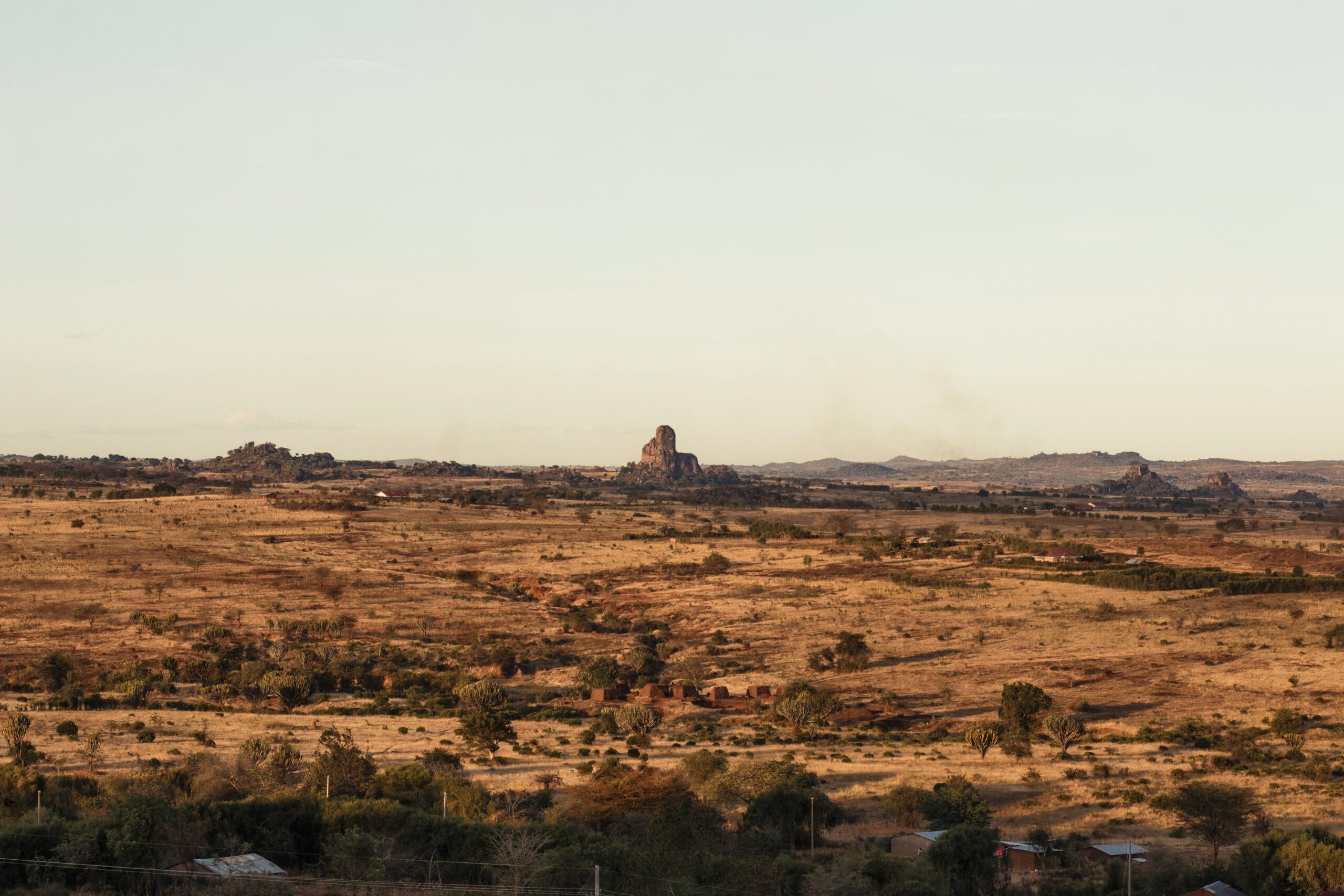
Covering approximately 1,442 square kilometers, Kidepo is considered one of Africa’s most scenic national parks. Towering mountains, seasonal rivers, rocky outcrops, golden grasslands, and acacia woodlands combine to create landscapes that feel more like Kenya’s northern frontier or Tanzania’s remote reserves than traditional Ugandan safari terrain.
For travelers booking through www.murchisonfallsparksafari.com, Kidepo provides a completely different safari experience from Murchison Falls or Queen Elizabeth National Park. Here, the focus is on raw wilderness, dramatic scenery, predator sightings, and authentic cultural encounters.
The Untouched Wilderness of Kidepo Valley National Park
One of the defining characteristics of Kidepo Valley National Park is its remoteness. Located near the borders of South Sudan and Kenya, the park remains one of East Africa’s least explored safari destinations despite its extraordinary beauty.
The isolation has helped preserve both wildlife populations and the traditional cultures surrounding the park. Unlike heavily visited safari regions, Kidepo offers peaceful game viewing with minimal tourist traffic, creating a much more intimate connection with nature.
Travelers arriving in the park immediately notice the immense open landscapes stretching toward distant mountain ranges. During sunrise and sunset, the scenery becomes especially dramatic as golden light spreads across the valleys and savannah plains.
This untouched wilderness atmosphere is what makes remote safari Uganda experiences in Kidepo so exceptional.
Wildlife in Kidepo Valley National Park
The wildlife diversity of Kidepo Valley National Park is one of the strongest reasons travelers visit the region. The park supports more than 75 mammal species and nearly 500 bird species, making it one of Uganda’s richest wildlife ecosystems.
Large herds of buffaloes, elephants, zebras, and antelopes roam freely across the Narus Valley, which remains the park’s main wildlife viewing area throughout the year due to its permanent water sources.
Predator sightings are especially rewarding in Kidepo. Lions are relatively common, often seen resting on rocky outcrops or hunting across the grasslands. Leopards and spotted hyenas are also present, while cheetahs make Kidepo unique because it is the only national park in Uganda where these fast predators can reliably be found.
Other wildlife species include giraffes, ostriches, hartebeests, elands, oribis, jackals, and bat-eared foxes.
The combination of predators, plains game, and dramatic landscapes creates one of the most exciting Uganda wildlife safari experiences in East Africa.
The Narus Valley Safari Experience
The Narus Valley is the heart of wildlife activity within Kidepo Valley National Park. This fertile valley contains permanent water sources that attract animals throughout the year, particularly during dry seasons when surrounding areas become drier.
Game drives through the Narus Valley often produce excellent wildlife sightings within short periods. Visitors commonly encounter elephants moving through acacia woodlands, buffalo herds crossing open plains, and giraffes feeding among scattered trees.
Predator activity is particularly impressive during early morning and late afternoon drives. Lions are frequently spotted near water points or resting beneath trees after nighttime hunts.
Because wildlife densities remain high and tourist numbers stay relatively low, the Narus Valley provides one of the most rewarding safari environments in Uganda.
The Kidepo Valley and Seasonal Rivers
The park’s namesake, the Kidepo Valley, lies in the more remote northern section of the park near the South Sudan border. This area offers a completely different landscape characterized by seasonal riverbeds, dry savannah, and isolated wilderness.
During dry periods, the Kidepo River often appears empty except for scattered pools where wildlife gathers. Palm-lined riverbeds and wide open plains create striking photographic scenery that feels distinctly wild and untamed.
The Kidepo Valley area is less frequently visited than Narus Valley, making it ideal for travelers seeking solitude and true wilderness immersion.
Birdwatching in Kidepo Valley National Park
Birdwatching in Kidepo Valley National Park is exceptional due to the park’s unique ecosystems and geographic position near East Africa’s arid northern regions.
The park supports nearly 500 bird species, including several species rarely seen elsewhere in Uganda. Ostriches, secretary birds, kori bustards, carmine bee-eaters, and Abyssinian rollers are among the highlights for bird enthusiasts.
The combination of savannah, woodland, and riverine habitats attracts both resident and migratory species throughout the year.
Because of its biodiversity and relatively low tourism pressure, Kidepo remains one of Uganda’s finest destinations for serious birdwatchers.
Cultural Experiences with the Karamojong People
A safari in Kidepo Valley National Park is not complete without experiencing the rich culture of the Karamojong people. These semi-nomadic pastoral communities are known for their traditional cattle culture, colorful attire, and deep connection to the land.
Community visits allow travelers to learn about Karamojong traditions, dances, local crafts, and livestock practices. The experience provides important cultural context for understanding the region’s identity and history.
Unlike staged tourism experiences in some destinations, cultural encounters around Kidepo often feel authentic and personal due to the remoteness of the region and limited commercialization.
These interactions also support local livelihoods and help strengthen conservation-related tourism initiatives.
Scenic Landscapes and Photography Opportunities
Few safari destinations in Africa rival the scenic beauty of Kidepo Valley National Park. The park’s landscapes combine rolling savannahs, distant mountains, rocky kopjes, seasonal rivers, and dramatic skies that create extraordinary photographic opportunities.
Sunrise game drives often reveal soft golden light illuminating wildlife against mountain backdrops, while sunset transforms the park into rich shades of orange and red.
Photographers particularly appreciate the uncrowded environment, which allows uninterrupted wildlife observation and cleaner landscape compositions.
The contrast between wildlife, open space, and rugged terrain makes Kidepo one of the continent’s most visually impressive safari destinations.
Accommodation in Kidepo Valley National Park
Accommodation in Kidepo Valley National Park ranges from luxury safari lodges to midrange camps and budget-friendly options.
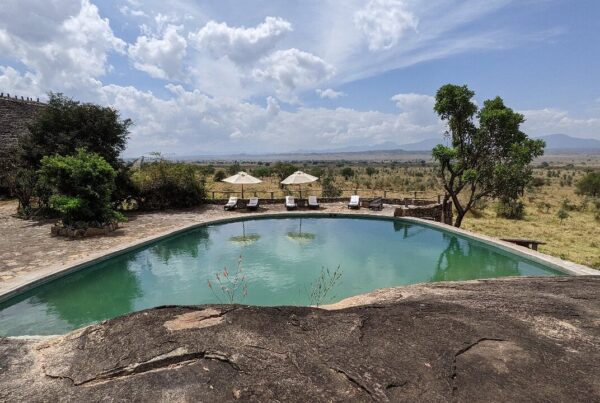
Luxury lodges provide panoramic views over the savannah, elegant safari suites, fine dining, and personalized safari services. Midrange lodges offer comfortable accommodation with excellent wildlife access, while budget camps cater to adventure travelers and backpackers exploring Uganda’s remote regions.
Many lodges are strategically located near Narus Valley, allowing guests to begin game drives quickly and maximize wildlife viewing opportunities.
Travelers booking through Murchison falls park safari can choose accommodation packages based on comfort level, safari style, and travel budget.
Best Time to Visit Kidepo Valley National Park
The best time to visit Kidepo Valley National Park is during the dry seasons from September to March when wildlife concentrates near water sources and roads remain more accessible.
During these months, game viewing becomes particularly rewarding because animals gather in the Narus Valley in large numbers.
The rainy seasons bring greener landscapes and beautiful scenery but may create more challenging road conditions in some parts of the park.
Because Kidepo receives less rainfall than many southern Ugandan parks, it remains accessible and rewarding for safaris throughout much of the year.
How to Reach Kidepo Valley National Park
Traveling to Kidepo Valley National Park is part of the adventure itself. Road journeys from Kampala typically take 10 to 12 hours depending on the chosen route and stopovers.
Many travelers break the journey by visiting Murchison Falls National Park or other destinations along the way.
Domestic flights from Entebbe to Kidepo Airstrip offer a faster and more comfortable alternative for travelers seeking luxury safari experiences.
Despite the distance, most visitors consider the journey worthwhile because of the park’s unmatched wilderness atmosphere.
Why Kidepo Valley National Park Is Uganda’s Hidden Safari Treasure
What makes Kidepo Valley National Park extraordinary is its combination of remoteness, wildlife diversity, dramatic scenery, and authentic safari atmosphere.
Few parks in Africa still offer such a raw and untouched wilderness experience where visitors can spend hours exploring vast landscapes without encountering crowds.
The presence of cheetahs, exceptional predator sightings, rich birdlife, and cultural interaction further distinguishes Kidepo from other Ugandan safari destinations.
For travelers seeking a safari experience that feels adventurous, exclusive, and deeply connected to nature, Kidepo remains one of Africa’s greatest hidden gems.
Explore customized Uganda safari itineraries and Kidepo Valley adventures, here and discover one of East Africa’s last great wilderness destinations.