Kibale National Park: Primate Capital of the World in Uganda
Hidden within the lush landscapes of western Uganda lies one of Africa’s most remarkable rainforest ecosystems, Kibale National Park. Known internationally as the “Primate Capital of the World,” the park is famous for its extraordinary concentration of primates, particularly chimpanzees, which attract wildlife enthusiasts, researchers, photographers, and adventure travelers from across the globe.
Stretching across approximately 795 square kilometers, the park protects a rich tropical rainforest ecosystem filled with towering trees, dense undergrowth, wetlands, and diverse wildlife habitats. The combination of incredible biodiversity, accessible chimpanzee tracking, and scenic beauty makes Kibale National Park one of Uganda’s premier safari destinations.
For travelers planning safaris through www.murchisonfallsparksafari.com, Kibale offers a completely different safari experience compared to savannah parks like Murchison Falls or Queen Elizabeth National Park. Instead of open grasslands and large herds, visitors enter an ancient rainforest alive with primates, birds, butterflies, and forest sounds.
The Importance of Kibale National Park
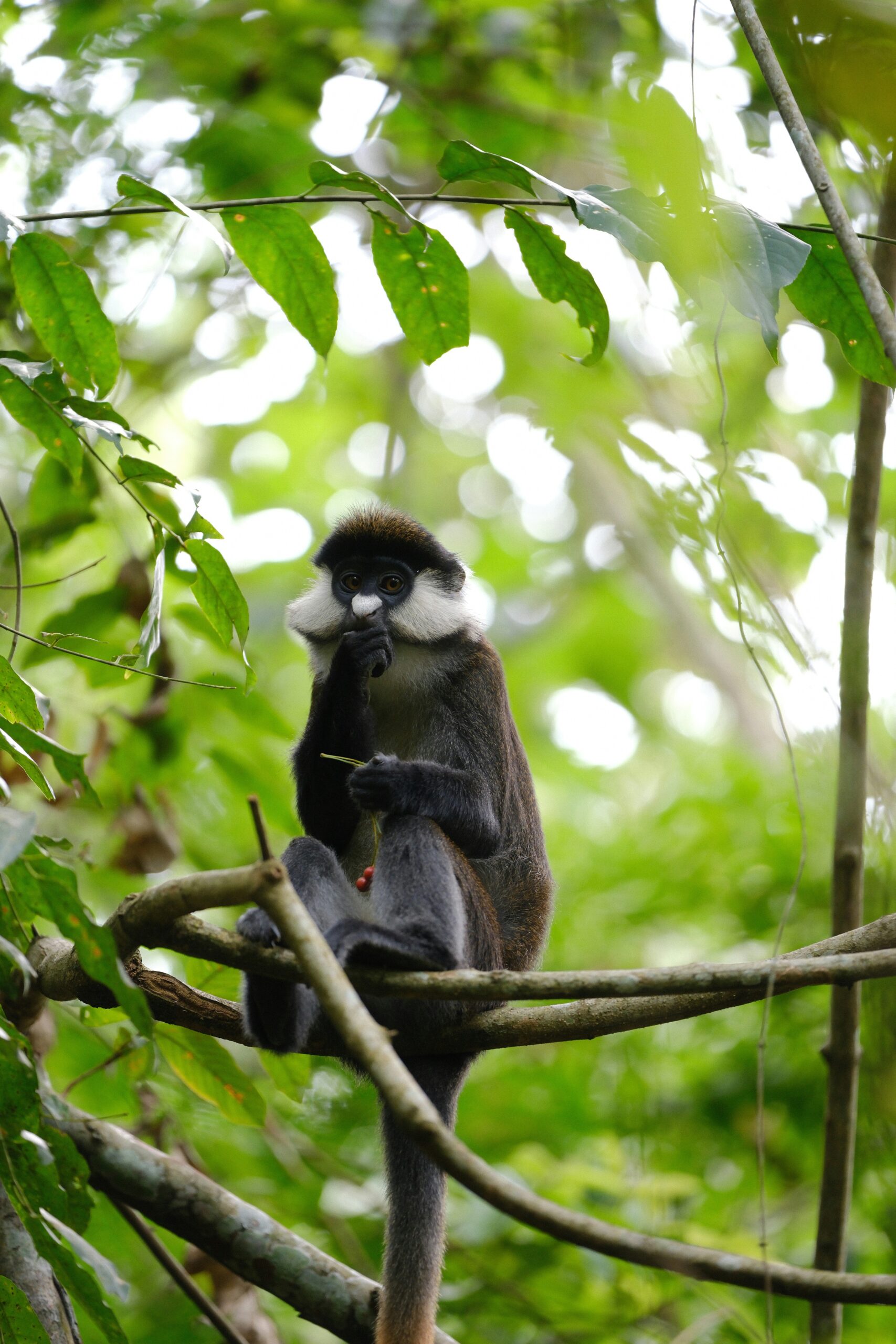
Kibale National Park is globally recognized for having one of the highest densities of primates in Africa. The park supports 13 primate species, including chimpanzees, red colobus monkeys, black-and-white colobus monkeys, L’Hoest’s monkeys, blue monkeys, grey-cheeked mangabeys, and olive baboons.
This extraordinary concentration of primates has earned the park its reputation as the “Primate Capital of the World.” The park also plays a major role in scientific research, conservation, and eco-tourism in East Africa.
The forest ecosystem itself is equally important. Kibale forms part of a larger ecological corridor connecting Queen Elizabeth National Park and other surrounding habitats, supporting both wildlife movement and biodiversity conservation.
For travelers interested in primates and rainforest ecosystems, Kibale Forest National Park provides one of the most rewarding wildlife experiences anywhere in Africa.
Location and Accessibility of Kibale National Park
Located in western Uganda near the town of Fort Portal, Kibale National Park lies approximately 5 to 6 hours by road from Kampala. The park is situated close to the Rwenzori Mountains and neighboring Queen Elizabeth National Park, making it easy to combine with other safari destinations.
The drive to Kibale passes through scenic countryside, tea plantations, crater lakes, and rolling hills that showcase Uganda’s natural beauty.
Travelers can also access the region through domestic flights to Kasese or nearby airstrips followed by road transfers.
Because of its strategic position within Uganda’s western safari circuit, Kibale safari tours are often combined with gorilla trekking in Bwindi Impenetrable Forest and wildlife safaris in Queen Elizabeth National Park.
Chimpanzee Tracking in Kibale National Park
 The main attraction of Kibale National Park is chimpanzee tracking. The park contains one of the largest habituated chimpanzee populations in East Africa, giving visitors excellent chances of seeing these fascinating primates in their natural environment.
Chimpanzee tracking begins early in the morning with ranger briefings at the park headquarters in Kanyanchu. Small groups then enter the forest accompanied by experienced guides and trackers who monitor chimpanzee movements daily.
The forest quickly comes alive with sounds of birds, insects, and distant chimpanzee calls. As visitors move deeper into the rainforest, the excitement builds until the chimpanzees are finally located.
Watching chimpanzees interact is an unforgettable experience. Visitors observe them feeding, grooming, climbing trees, communicating through vocalizations, and caring for young individuals within the group.
Unlike many wildlife encounters where animals remain distant, chimpanzee tracking creates a close emotional connection due to the primates’ human-like behavior and intelligence.
This is what makes chimpanzee tracking Uganda one of the country’s most popular safari activities.
Chimpanzee Habituation Experience
For travelers seeking a more immersive primate encounter, Kibale National Park also offers the chimpanzee habituation experience.
Unlike standard chimpanzee tracking where visitors spend one hour with the primates, habituation experiences allow guests to spend extended periods with chimpanzees alongside researchers and trackers.
Participants join conservation teams early in the morning as chimpanzees leave their nests and follow them throughout the day while observing feeding behavior, social interaction, movement patterns, and communication.
This longer experience provides deeper insight into chimpanzee behavior and is especially popular among photographers, researchers, and serious wildlife enthusiasts.
The chimpanzee habituation Uganda experience is considered one of the best primate encounters in Africa.
Wildlife Beyond Primates
Although famous for chimpanzees, Kibale National Park supports a surprising range of other wildlife species.
Forest elephants occasionally move through the park’s dense vegetation, while bush pigs, giant forest hogs, duikers, and various small mammals inhabit the rainforest ecosystem.
The park’s wetlands support reptiles, amphibians, and countless butterfly species that contribute to the incredible biodiversity of the area.
Night walks reveal additional wildlife activity, including bush babies, nocturnal primates, and forest creatures rarely seen during daytime activities.
Birdwatching in Kibale National Park
Birdwatching in Kibale National Park is exceptional, with more than 375 bird species recorded within the forest ecosystem.
The park attracts bird enthusiasts searching for Albertine Rift endemics and tropical forest specialists. Common sightings include African pittas, green-breasted pittas, hornbills, turacos, bee-eaters, and flycatchers.
Bigodi Wetland Sanctuary near Kibale is particularly famous for birdwatching. This community-managed wetland supports a rich variety of birdlife while also offering cultural tourism experiences.
Birdwatching excursions can easily be integrated into broader Uganda wildlife safari itineraries.
Bigodi Wetland Sanctuary
Located near Kibale National Park, Bigodi Wetland Sanctuary provides one of Uganda’s best eco-tourism and community conservation experiences.
The wetland boardwalk passes through swamp forests, papyrus vegetation, and open wetland habitats filled with birds, monkeys, butterflies, and plant life.
Visitors commonly encounter red colobus monkeys, blue monkeys, and numerous bird species during guided nature walks.
Bigodi also supports local communities through tourism revenue sharing and conservation education programs, making it an important example of sustainable tourism in Uganda.
Scenic Landscapes Around Kibale
The region surrounding Kibale National Park is incredibly scenic. Tea plantations stretch across rolling hills, crater lakes dot the landscape, and distant mountain views create spectacular panoramas.
Travelers often combine forest activities with crater lake excursions, community visits, and photography tours in the surrounding countryside.
The cool climate and green landscapes provide a refreshing contrast to Uganda’s hotter savannah parks.
Accommodation in Kibale National Park
Accommodation around Kibale National Park ranges from luxury eco-lodges and forest camps to midrange lodges and budget guesthouses.
Luxury properties offer elegant forest-view cottages, fine dining, spa facilities, and premium safari services. Midrange lodges provide comfortable accommodation with excellent access to chimpanzee tracking areas, while budget options cater to backpackers and adventure travelers.
Many lodges are located within or near the forest, allowing guests to experience the sounds of nature throughout their stay.
Travelers booking through Murchison falls park safari can choose accommodation options tailored to different safari budgets and travel preferences.
Best Time to Visit Kibale National Park
Chimpanzee tracking in Kibale National Park is possible year-round, but the dry seasons from December to February and June to September generally offer easier hiking conditions.
During rainy seasons, the forest becomes greener and more dramatic, although trails can become muddy and slippery. Birdwatching is particularly rewarding during wetter months due to increased activity and migratory species.
Because chimpanzees remain within the forest throughout the year, sightings are consistently reliable regardless of season.
Combining Kibale with Other Uganda Safari Destinations
One of the greatest advantages of visiting Kibale National Park is its compatibility with Uganda’s broader safari circuit.
Travelers frequently combine chimpanzee tracking with gorilla trekking in Bwindi Impenetrable Forest, wildlife safaris in Queen Elizabeth National Park, or Big Five experiences in Murchison Falls National Park.
These combinations create a diverse safari itinerary featuring rainforest ecosystems, savannah wildlife, waterfalls, primates, and cultural experiences.
Customized itineraries allow travelers to experience multiple ecosystems and wildlife encounters within a single Uganda safari.
Why Kibale National Park Is Called the Primate Capital of the World
The title “Primate Capital of the World” perfectly reflects the extraordinary biodiversity found within Kibale National Park. Few places on Earth offer such accessible and diverse primate experiences in a natural rainforest environment.
The combination of chimpanzee tracking, monkey species diversity, birdlife, scenic landscapes, and eco-tourism initiatives makes Kibale one of Africa’s most unique safari destinations.
For travelers seeking wildlife experiences beyond traditional game drives, Kibale delivers deep rainforest immersion and close encounters with some of humanity’s closest relatives in the animal kingdom.
Explore customized chimpanzee safaris and Uganda wildlife tours, here and discover why Kibale National Park remains one of Africa’s greatest primate destinations.