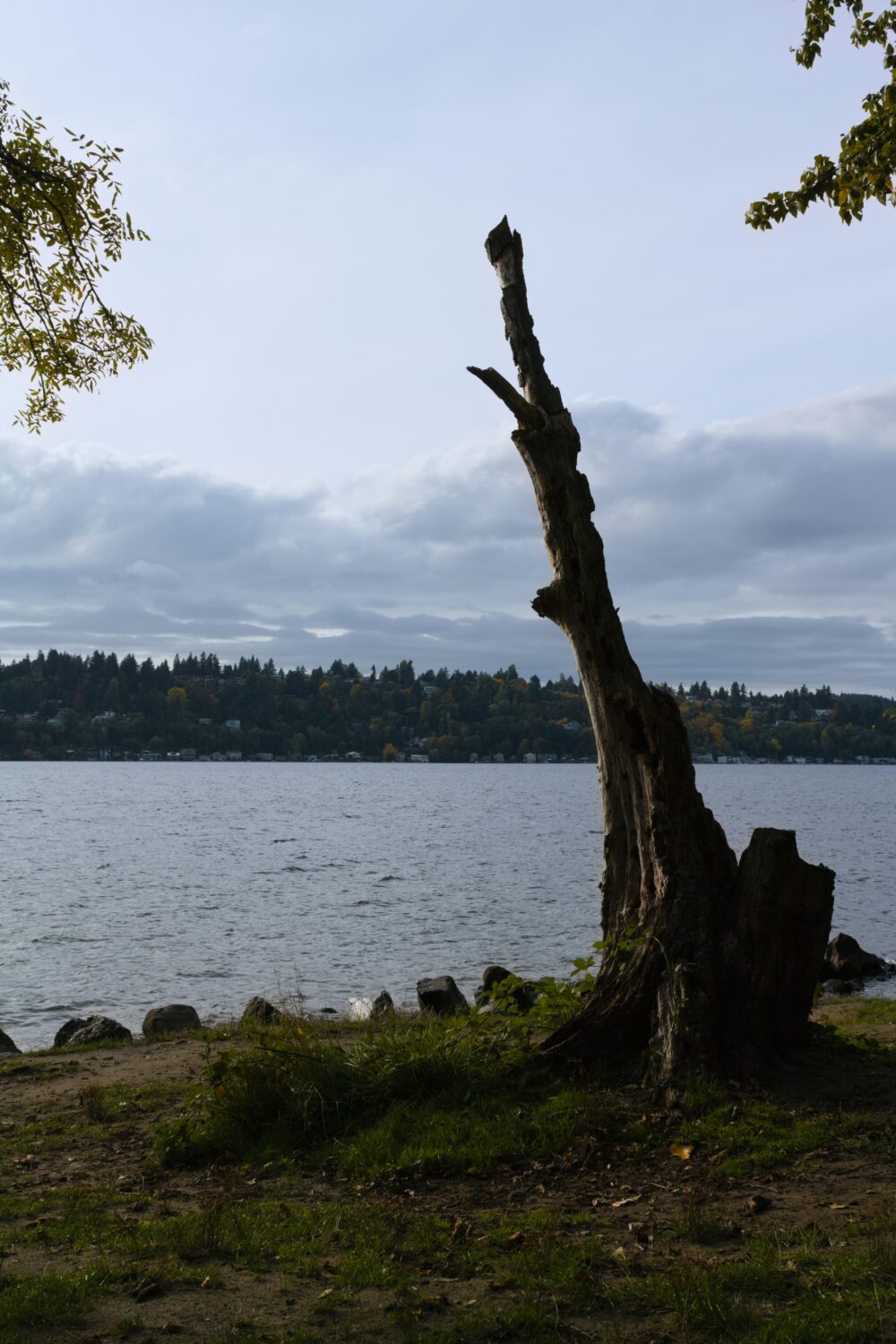
Lake Edward Uganda: Safari and Activities Guide
Uganda is home to an extraordinary collection of lakes that shape its landscapes, sustain its wildlife, and enrich the lives of surrounding communities. Among these natural treasures, Lake Edward Uganda stands out as one of the country’s most scenic and ecologically significant freshwater lakes. Nestled within the western arm of the Great East African Rift Valley, Lake Edward forms part of the breathtaking landscape of Queen Elizabeth National Park, one of Uganda’s most visited safari destinations.
Although many travelers visit Queen Elizabeth National Park for its famous tree-climbing lions, elephant herds, and boat cruises along the Kazinga Channel, Lake Edward itself remains one of the park’s most fascinating attractions. The lake supports a remarkable diversity of wildlife, serves as an important fishing ground for local communities, and offers spectacular scenery framed by distant mountains, open savannahs, wetlands, and volcanic landscapes.
Whether you are planning your first Uganda safari or looking to explore beyond the country’s better-known attractions, Lake Edward Uganda offers unforgettable opportunities for wildlife viewing, birdwatching, photography, cultural encounters, and peaceful moments surrounded by nature.
This comprehensive guide explores everything you need to know about visiting Lake Edward, including its location, wildlife, safari activities, conservation importance, nearby attractions, accommodation options, and practical travel tips.
Where Is Lake Edward Located?
Lake Edward Uganda lies in the western region of Uganda along the border with the Democratic Republic of the Congo. The lake forms part of the Albertine Rift, one of Africa’s richest biodiversity hotspots, and occupies the southwestern section of Queen Elizabeth National Park.
The lake is connected to Lake George by the famous Kazinga Channel, a natural waterway approximately 32 kilometers long that has become one of Uganda’s premier wildlife viewing locations. This connection creates a thriving aquatic ecosystem that supports fish populations, wetlands, birds, reptiles, and numerous large mammals.
The Rwenzori Mountains rise to the north of the lake, providing a dramatic backdrop that enhances the region’s breathtaking scenery.
The History and Geography of Lake Edward
Lake Edward was named after Prince Albert Edward, who later became King Edward VII of the United Kingdom, during the period of European exploration in East Africa.
The lake covers an area of approximately 2,325 square kilometers, making it one of Uganda’s largest freshwater lakes. Its waters extend across both Uganda and the Democratic Republic of the Congo, creating an important transboundary ecosystem managed through regional conservation efforts.
Surrounded by volcanic landscapes, grasslands, forests, wetlands, and fishing villages, Lake Edward supports an exceptional variety of habitats that contribute to its remarkable biodiversity.
Its relatively shallow waters encourage high levels of biological productivity, sustaining both aquatic life and the numerous animals that depend upon the lake for survival.
Why Visit Lake Edward Uganda?
Although the famous Kazinga Channel often receives the most attention, Lake Edward Uganda offers equally rewarding experiences for visitors seeking authentic wildlife encounters away from larger tourist crowds.
The lake provides outstanding opportunities to observe animals gathering along its shores, watch traditional fishing activities, photograph spectacular sunsets, and appreciate one of Uganda’s most peaceful natural environments.
Its combination of scenic beauty, rich biodiversity, and cultural significance makes Lake Edward an essential destination for travelers exploring western Uganda.
Visitors frequently discover that spending time around the lake adds a relaxing and enriching dimension to their safari itinerary.
Wildlife Around Lake Edward
The shores of Lake Edward Uganda support an impressive concentration of wildlife throughout the year.
Large herds of African buffalo frequently graze near the water’s edge, while elephants regularly visit the shoreline to drink and cool themselves during the warmer hours of the day. Uganda kob, waterbucks, bushbucks, and warthogs are commonly seen feeding across nearby grasslands.
Predators also inhabit the surrounding landscapes. Lions patrol the open plains in search of prey, while spotted hyenas become increasingly active during the evening hours. Leopards occasionally emerge from dense vegetation, particularly during early morning and late afternoon game drives.
The lake’s extensive shoreline creates ideal habitat for hippopotamuses, which spend much of the day resting in the water before emerging after sunset to graze.
Nile crocodiles also inhabit the lake and surrounding waterways, often basking quietly along sandy banks.
Birdwatching at Lake Edward
Bird enthusiasts consider Lake Edward Uganda one of the finest birdwatching destinations within Queen Elizabeth National Park.
The lake, surrounding wetlands, and nearby Kazinga Channel attract hundreds of resident and migratory bird species throughout the year. African Fish Eagles patrol the shoreline with their unmistakable calls echoing across the water, while Pied Kingfishers hover above the surface before diving dramatically for fish.
Great White Pelicans, Pink-backed Pelicans, Grey Herons, Goliath Herons, African Jacanas, African Spoonbills, Sacred Ibises, cormorants, and numerous species of egrets regularly appear along the lake’s shores.
The surrounding savannahs support additional birdlife, including hornbills, bee-eaters, rollers, weavers, lapwings, and several species of raptors.
Photographers and birdwatchers often spend hours exploring different sections of the lake in search of new sightings.
The Kazinga Channel Connection
No visit to Lake Edward Uganda is complete without experiencing the famous Kazinga Channel.
This natural waterway links Lake Edward and Lake George, creating one of East Africa’s most productive wildlife habitats. The channel’s permanent water supply attracts enormous concentrations of animals throughout the year.
Boat cruises along the Kazinga Channel consistently rank among the highlights of a Uganda safari. Visitors enjoy close views of hippos, crocodiles, elephants, buffaloes, antelope, and exceptional birdlife while learning about the ecological importance of the region.
The channel also plays a vital role in supporting local fisheries and maintaining healthy aquatic ecosystems throughout Queen Elizabeth National Park.
Game Drives Around Lake Edward
The Ishasha and Mweya sectors of Queen Elizabeth National Park provide excellent opportunities to explore the landscapes surrounding Lake Edward Uganda.
Morning and evening game drives reveal remarkable wildlife activity as animals feed, hunt, or move between grazing areas and water sources. The famous tree-climbing lions of the Ishasha sector remain one of Uganda’s most sought-after wildlife sightings.
Visitors may also encounter elephants crossing open plains, buffaloes grazing near wetlands, and numerous antelope species moving through acacia woodlands.
The changing light throughout the day creates exceptional conditions for landscape and wildlife photography.
Cultural Experiences Near Lake Edward
Communities living around Lake Edward Uganda have maintained strong cultural connections with the lake for generations.
Fishing remains one of the region’s primary economic activities, and visitors can learn about traditional fishing techniques, boat construction, fish processing, and daily life in local villages through guided community visits.
These cultural experiences provide valuable insight into how local families depend upon the lake while supporting community-based tourism initiatives that contribute directly to local livelihoods.
Respectful cultural interactions add depth to any safari while encouraging sustainable tourism.
Fishing on Lake Edward
Fishing has supported communities around Lake Edward for centuries.
Species such as tilapia, catfish, and lungfish contribute significantly to local food security and regional economies. Fishing boats can often be seen leaving the shore during the early morning hours before returning with their daily catch.
Although commercial fishing plays an important role outside protected areas, strict conservation regulations help maintain healthy fish populations within designated sections of Queen Elizabeth National Park.
Visitors interested in local fisheries often enjoy observing fishing activities from nearby viewpoints or during cultural tours.
Photography Opportunities
Few safari destinations offer scenery as varied as Lake Edward Uganda.
The shimmering waters of the lake reflect changing skies throughout the day, while distant volcanic hills and the Rwenzori Mountains create dramatic backdrops for landscape photography.
Wildlife frequently approaches the shoreline, allowing photographers to capture elephants drinking, buffaloes grazing, hippos emerging from the water, and colorful birdlife against spectacular natural settings.
Sunrise and sunset provide particularly beautiful lighting, transforming the lake into a canvas of warm golden, orange, and crimson tones.
Best Time to Visit Lake Edward Uganda
Lake Edward Uganda can be visited throughout the year, but seasonal weather influences wildlife viewing and travel conditions.
The dry seasons, from December to February and June to September, generally offer the most comfortable safari conditions. Vegetation becomes less dense, making wildlife easier to observe, while roads remain more accessible.
The rainy seasons bring lush green landscapes, abundant birdlife, and vibrant photographic opportunities. Migratory birds also arrive during certain months, increasing the diversity of species available to birdwatchers.
Regardless of the season, the lake continues to attract wildlife because of its reliable water supply.
Accommodation Near Lake Edward
Visitors exploring Lake Edward Uganda have access to a wide selection of accommodation within Queen Elizabeth National Park.
Luxury safari lodges provide spacious rooms, exceptional dining, panoramic views, and personalized service overlooking the surrounding landscapes. Mid-range safari lodges offer comfortable facilities, excellent hospitality, and convenient access to wildlife viewing areas without compromising the safari experience.
Many properties near the Mweya Peninsula allow guests to combine game drives, Kazinga Channel boat cruises, birdwatching, and cultural excursions within a single itinerary.
Choosing accommodation close to the lake maximizes opportunities for early morning and late afternoon wildlife viewing.
How to Reach Lake Edward
Most visitors travel to Lake Edward Uganda by road from Kampala, a journey that typically takes seven to eight hours depending on traffic and road conditions.
Many travelers combine Queen Elizabeth National Park with other destinations such as Kibale National Park, Bwindi Impenetrable National Park, or Lake Mburo National Park as part of a longer Uganda safari.
Domestic scheduled and charter flights also connect Entebbe International Airport with nearby airstrips, significantly reducing travel time for visitors seeking greater convenience.
Professional safari operators coordinate transportation, accommodation, park activities, and experienced guides to ensure a seamless travel experience.
Combine Lake Edward with Other Uganda Safari Experiences
A visit to Lake Edward Uganda fits perfectly into a broader Uganda safari itinerary.
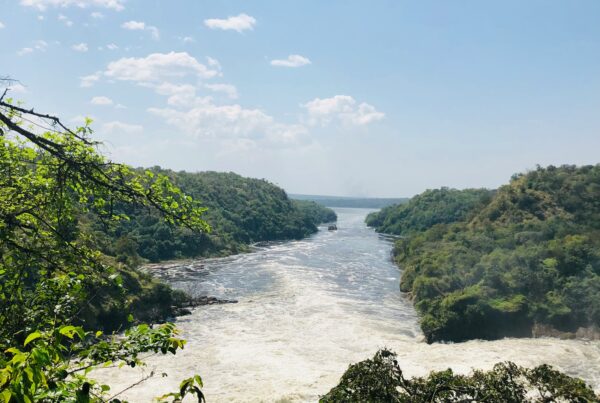
Travelers often continue north to Kibale National Park for world-class chimpanzee tracking or journey south to Bwindi Impenetrable National Park to experience unforgettable mountain gorilla trekking. Many also include Murchison Falls National Park, where dramatic waterfalls, Nile boat cruises, game drives, birdwatching, and sport fishing provide additional adventure.
Combining these destinations allows visitors to experience Uganda’s extraordinary diversity, from tropical rainforests and volcanic lakes to open savannahs and mighty rivers.
Discover Lake Edward with Murchison Falls Park Safari
At Murchison Falls Park Safari, we create carefully planned Uganda safari experiences that showcase the country’s most spectacular landscapes and wildlife destinations. Our customized itineraries include visits to Lake Edward Uganda, Queen Elizabeth National Park, Murchison Falls National Park, Bwindi Impenetrable National Park, Kibale National Park, and many other remarkable attractions.
Whether you are interested in wildlife photography, birdwatching, cultural experiences, boat cruises, or luxury safari holidays, our experienced team will design a personalized journey that exceeds your expectations.
Visit Murchison falls park safari to explore our Uganda safari packages and begin planning your unforgettable adventure through the Pearl of Africa.