Kidepo Valley vs Murchison Falls: Which is More Remote?
Uganda is home to some of Africa’s most spectacular safari destinations, and among them, Kidepo Valley National Park and Murchison Falls National Park stand out for their breathtaking landscapes, remarkable wildlife, and unforgettable safari experiences. While both parks offer exceptional game viewing and authentic wilderness adventures, travelers often ask one important question: Which park is more remote?
The answer depends on what you mean by remoteness. Is it the distance from major cities, the number of visitors, the level of tourism infrastructure, or the feeling of complete isolation in nature? Both parks deliver a sense of adventure, but they do so in very different ways.
This comprehensive comparison explores accessibility, landscapes, wildlife, visitor experience, accommodation, activities, conservation, and travel logistics to help you understand the differences between Kidepo Valley vs Murchison Falls and decide which destination best matches your safari expectations.
Understanding the Meaning of a Remote Safari
When travelers dream about an African safari, many imagine endless wilderness, untouched landscapes, and wildlife thriving far from busy tourist routes. A remote safari is not simply about traveling a long distance—it is about experiencing nature with minimal human disturbance.
Both Kidepo Valley National Park and Murchison Falls National Park offer this feeling to varying degrees. However, their accessibility and popularity create distinctly different safari atmospheres.
Murchison Falls is Uganda’s largest and most visited national park, yet it still provides vast wilderness areas where wildlife dominates the landscape. Kidepo Valley, on the other hand, remains one of Africa’s least-visited national parks, making it one of the continent’s true hidden safari gems.
Location and Accessibility
One of the biggest differences between Kidepo Valley vs Murchison Falls is their location within Uganda.
Murchison Falls National Park lies in northwestern Uganda, approximately 300 kilometers from Kampala. It can be reached in five to six hours by road, making it relatively accessible for both short and extended safari itineraries. Travelers can also choose domestic flights to nearby Pakuba, Chobe, or Bugungu airstrips.
In contrast, Kidepo Valley National Park is located in Uganda’s far northeastern Karamoja region, close to the borders of South Sudan and Kenya. Reaching the park by road from Kampala typically takes ten to twelve hours, while domestic flights take approximately two hours.
From a purely geographical perspective, Kidepo Valley National Park is significantly more remote than Murchison Falls.
The Journey to Each Park
The road journey to Murchison Falls National Park passes through vibrant towns, agricultural landscapes, and the famous Ziwa Rhino Sanctuary, where visitors can enjoy rhino tracking before continuing north.
Roads leading to Murchison have improved considerably over recent years, making travel relatively comfortable throughout most of the year.
Traveling to Kidepo Valley National Park is a much longer expedition. As visitors enter the Karamoja region, settlements become fewer, the scenery becomes increasingly rugged, and the sense of isolation grows stronger.
For many travelers, the journey itself becomes an integral part of the adventure. The dramatic mountains, open plains, and traditional pastoral communities of Karamoja create an experience unlike anywhere else in Uganda.
Visitor Numbers and Safari Atmosphere
When comparing Kidepo Valley vs Murchison Falls, visitor numbers play a major role in determining how remote each destination feels.
Murchison Falls National Park welcomes the highest number of safari visitors in Uganda. Despite its size, certain game drive routes and boat launch areas can become moderately busy during peak tourism seasons.
However, because the park covers nearly 3,900 square kilometers, it is still easy to find peaceful areas where wildlife viewing feels intimate and uncrowded.
Kidepo Valley National Park, by comparison, receives far fewer visitors throughout the year. It is entirely possible to spend several hours on game drives without encountering another safari vehicle.
This exceptionally low visitor density creates a genuine sense of isolation that few African safari destinations can still offer.
Landscapes and Wilderness
Both parks showcase extraordinary landscapes, but they differ dramatically in character.
Murchison Falls National Park combines riverine forests, open savannah, woodland, wetlands, and the mighty River Nile. Its defining feature is the spectacular Murchison Falls, where the Nile forces its way through a narrow seven-meter gorge before plunging dramatically downstream.
The scenery constantly changes, offering visitors remarkable diversity throughout the park.
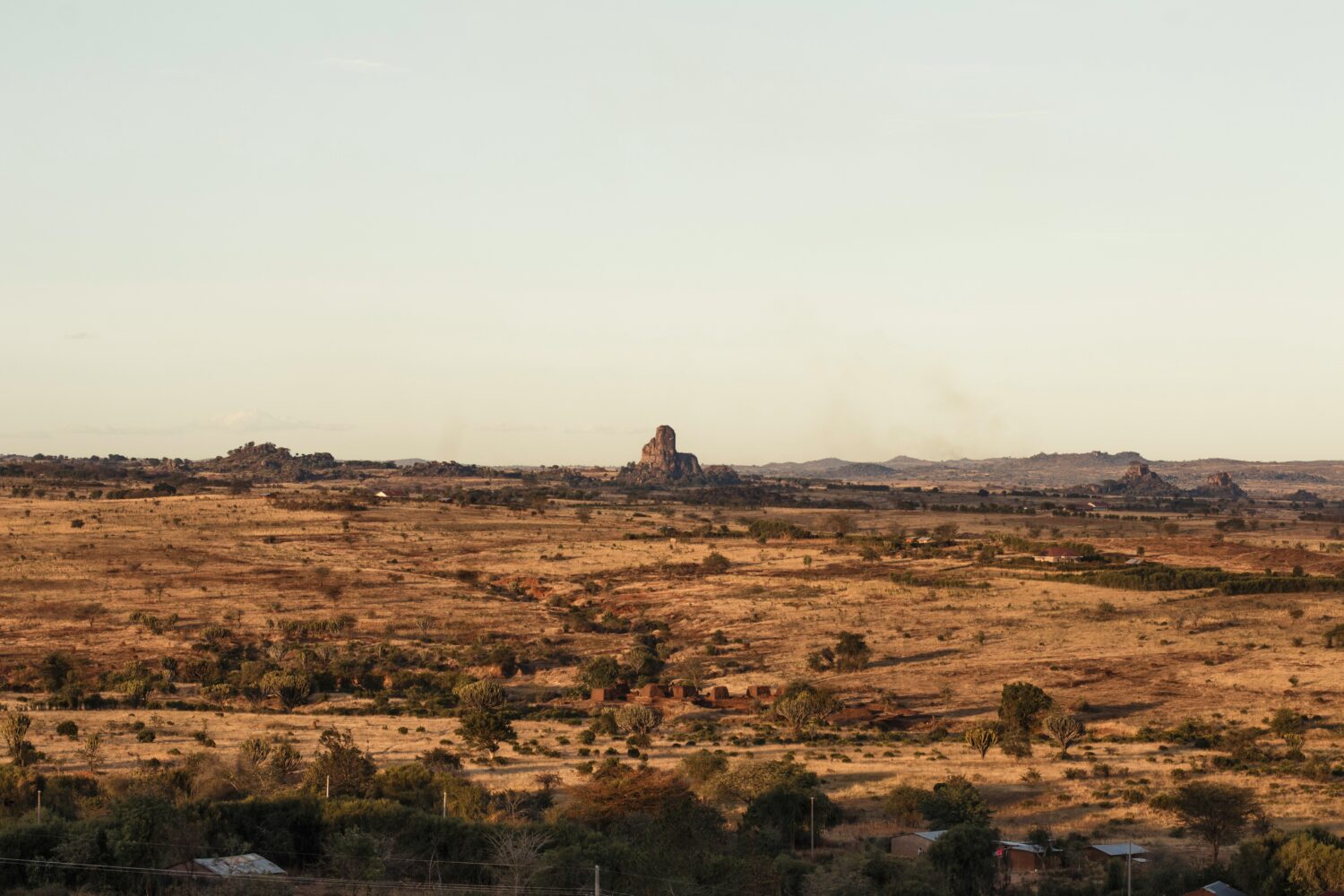
Kidepo Valley National Park is dominated by sweeping golden plains framed by rugged mountain ranges, including the Morungole Mountains. Seasonal rivers, rocky outcrops, and vast open spaces create an almost cinematic wilderness that resembles some of East Africa’s most remote protected areas.
While both parks are beautiful, Kidepo offers a stronger sense of untouched wilderness due to its isolation and dramatic topography.
Wildlife Diversity
Both parks are among Uganda’s finest wildlife destinations, although each offers unique strengths.
Murchison Falls National Park is famous for elephants, lions, giraffes, buffaloes, Uganda kob, hartebeest, oribi, waterbuck, hippos, crocodiles, and leopards. The Nile supports one of Africa’s largest concentrations of hippos and Nile crocodiles, while birdwatchers can search for the elusive Shoebill in the Nile Delta.
Kidepo Valley National Park supports many of these same species while also protecting animals rarely found elsewhere in Uganda. These include cheetahs, ostriches, bat-eared foxes, caracals, greater kudu, and mountain reedbuck.
The diversity of species unique to Kidepo enhances its reputation as Uganda’s wild frontier.
Game Viewing Experience
Game drives in Murchison Falls National Park are exceptionally varied. Visitors may begin the day searching for lions and giraffes across the northern savannah before enjoying an afternoon boat safari along the Nile.
The combination of land and water-based wildlife viewing creates one of Uganda’s most complete safari experiences.
In Kidepo Valley National Park, wildlife viewing focuses primarily on the Narus Valley, where permanent water sources attract large numbers of animals throughout the year.
Because visitor numbers remain low, wildlife encounters often feel more personal and immersive.
If your goal is solitude during game drives, Kidepo offers the stronger sense of remoteness.
Birdwatching Opportunities
Bird enthusiasts will find both parks highly rewarding.
Murchison Falls National Park boasts more than 450 recorded bird species, including the Shoebill, Goliath Heron, Abyssinian Ground Hornbill, African Fish Eagle, and numerous kingfishers.
Kidepo Valley National Park supports over 470 bird species, including several species found nowhere else in Uganda. The park is particularly famous for raptors, ostriches, and dry-country bird species that are uncommon elsewhere in the country.
Both destinations are excellent birding locations, although Kidepo’s unique habitats attract several regional specialties.
Accommodation and Tourism Infrastructure
When comparing Kidepo Valley vs Murchison Falls, infrastructure represents another significant difference.
Murchison Falls National Park offers a wide variety of accommodation ranging from luxury safari lodges to comfortable mid-range camps and budget facilities. Visitors can also choose from numerous safari operators, guided excursions, and transportation options.
This well-developed infrastructure makes Murchison suitable for first-time safari visitors, families, photographers, and luxury travelers.
Kidepo Valley National Park offers fewer accommodation choices due to its remote location. While excellent luxury and mid-range lodges are available, options remain more limited than in Murchison Falls.
The smaller tourism infrastructure contributes to Kidepo’s untouched atmosphere.
Cultural Experiences
Both parks provide opportunities for meaningful cultural encounters.
Around Murchison Falls National Park, visitors can engage with communities such as the Boomu Women’s Group, learn about local traditions, and visit nearby villages.
The cultural experience around Kidepo Valley National Park centers on the Karamojong people, whose traditional pastoral lifestyle has remained remarkably preserved.
Visiting Karamojong communities offers fascinating insights into indigenous architecture, livestock culture, music, dance, and traditional livelihoods.
For travelers interested in authentic cultural immersion, Kidepo offers one of Uganda’s most distinctive experiences.
Activities Beyond Game Drives
Murchison Falls National Park provides a broader range of safari activities than any other Ugandan national park.
Visitors can enjoy game drives, boat cruises on the Nile, hiking to the top of Murchison Falls, birdwatching, sport fishing, chimpanzee trekking in nearby Budongo Forest, and rhino tracking at Ziwa Rhino Sanctuary during the journey.
Kidepo Valley National Park focuses primarily on game drives, guided nature walks, birdwatching, and cultural visits to Karamojong communities.
Although activity options are fewer, they emphasize wilderness and authenticity.
Which Park Feels More Remote?
When considering every aspect of accessibility, visitor numbers, infrastructure, and wilderness atmosphere, Kidepo Valley National Park is unquestionably more remote than Murchison Falls National Park.
Its long travel distances, limited accommodation, minimal tourism development, and exceptionally low visitor numbers create one of Africa’s most authentic wilderness experiences.
However, remoteness is not necessarily better for every traveler.
Which Park Should You Choose?
If you are looking for dramatic waterfalls, exceptional wildlife diversity, boat safaris, convenient access, and a wide range of accommodation, Murchison Falls National Park is the perfect choice.
It offers one of the most complete safari experiences in East Africa and fits comfortably into both short and extended Uganda itineraries.
If your priority is untouched wilderness, solitude, rare wildlife species, breathtaking mountain scenery, and a true off-the-beaten-path adventure, Kidepo Valley National Park is unmatched.
Many travelers ultimately choose to visit both parks because they complement each other perfectly.
Combining Kidepo Valley and Murchison Falls
The best way to experience Uganda’s incredible diversity is by combining Kidepo Valley National Park with Murchison Falls National Park in one itinerary.
Beginning in Murchison allows visitors to enjoy the spectacular Nile River, boat safaris, abundant wildlife, and the iconic waterfall before continuing north into the remote wilderness of Kidepo.
This combination showcases two completely different ecosystems while offering one of Africa’s most rewarding safari circuits.
At Murchison Fall Park Safari, we design tailor-made Uganda safaris that combine these iconic parks with other remarkable destinations such as Bwindi Impenetrable National Park, Kibale Forest National Park, Queen Elizabeth National Park, and Ziwa Rhino Sanctuary.
Whether you are seeking a classic safari or a remote wilderness expedition, our experienced team will create an itinerary that matches your travel goals.
Visit Murchison falls park safari to discover our Uganda safari packages and begin planning your unforgettable adventure.