
Uganda Safari Packing List for European Winter Travelers
If you are boarding a flight from a frosty European winter straight into the warm equatorial heart of Africa, your suitcase needs a serious rethink. A well-planned Uganda safari packing list for European winter travelers is the difference between a comfortable, memory-filled adventure and a trip spent battling sunburn, cold mornings, or missing gear. At Murchison Falls Park Safari, we welcome travelers from the UK, Germany, France, Scandinavia, and across Europe every December through February, and we know exactly what first-timers tend to forget when they trade snow boots for safari boots.
This guide walks you through everything you need to pack for a Uganda safari during the European winter months, when Murchison Falls National Park sits comfortably in its warm, dry season while your home country shivers through short days and freezing temperatures.
Why European Winter Is a Perfect Time for a Uganda Safari
European winter (roughly December to February) lines up beautifully with one of Uganda’s two dry seasons. This is widely considered the best time to visit Murchison Falls National Park, with thinner vegetation, easier road access, and animals gathering predictably around the Nile and other water sources. For a deeper look at how the seasons affect wildlife sightings, our guide on seasonal wildlife migration patterns in Murchison Falls is worth reading before you finalize your itinerary.
While Europe deals with grey skies and single-digit temperatures, Uganda’s daytime temperatures at Murchison Falls typically sit between 25°C and 33°C, with cooler mornings and evenings around 15-18°C. This contrast is exactly why your packing strategy needs to account for two very different climates within the same trip: the cold you’re leaving, and the heat and occasional cool breeze you’re heading into.
Understanding the Climate Before You Pack
Before diving into the checklist, it helps to understand what your body will actually experience. Mornings on game drives and Nile boat cruises can feel surprisingly cool, especially for anyone still acclimatized to a European winter — but by mid-morning, the equatorial sun is strong and direct. Evenings cool down again quickly once the sun sets. This is the single biggest packing mistake European winter travelers make: they either overpack heavy sweaters (unnecessary) or underestimate how cold early morning game drives can feel in an open-sided safari vehicle (a real oversight).
The safest approach for your safari clothing for winter travelers strategy is layering — light, breathable pieces you can add or remove throughout the day.
Essential Clothing for Your Uganda Safari
Neutral, breathable colors are essential for any Uganda safari essentials list. Khaki, olive, beige, and muted greens blend naturally into the savannah environment, help you avoid attracting tsetse flies (which are drawn to bright colors, especially blue and black), and keep you cooler under the sun.
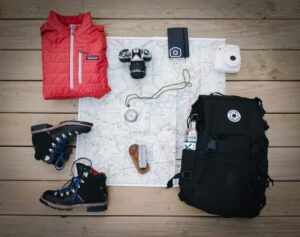 Pack lightweight, long-sleeved shirts and full-length trousers for both sun and insect protection during early morning and evening activities. Breathable cotton or quick-dry synthetic fabrics work best, since Uganda’s humidity can make heavier materials uncomfortable. Bring a couple of short-sleeved shirts and shorts for warmer midday hours around the lodge, but keep longer layers on hand for game drives.
Because you’re arriving from winter, resist the urge to pack thick jumpers. Instead, bring one or two fleece layers or a light insulated jacket for early morning boat cruises and game drives, when temperatures can dip enough to feel genuinely chilly, especially on the water. A windproof or waterproof outer layer is also smart, since the Nile breeze during the famous boat cruise Murchison Falls experience can catch first-time visitors off guard.
Don’t forget:
- A wide-brimmed hat or safari cap for sun protection
- A buff, scarf, or light shawl for dusty roads and cool mornings
- Comfortable sleepwear, since nights can be cooler than expected
- A swimsuit if your lodge has a pool
Footwear That Works for Every Activity
Sturdy, closed walking shoes or hiking boots are non-negotiable for nature walks, the hike to the top of the falls, and general game park terrain. Choose broken-in shoes rather than brand-new ones, since blisters can quickly derail a multi-day itinerary. Pack a lightweight pair of sandals or flip-flops for relaxing at the lodge in the evening, and consider a pair of comfortable trainers for travel days. Socks matter more than people expect — bring enough breathable pairs to avoid discomfort during long game drives.
Sun, Insect, and Health Protection
Even though you’re escaping European winter, the equatorial sun near Murchison Falls is intense year-round. A high-SPF sunscreen, lip balm with SPF, and UV-protective sunglasses are essential. Pack a strong insect repellent containing DEET or a comparable active ingredient, and consider pre-treating some clothing with permethrin if you’re prone to bites.
Malaria prophylaxis is strongly recommended for Uganda, so consult your doctor or travel clinic well before departure — many prescriptions need to start days or weeks in advance. Bring a basic personal first-aid kit with any prescription medication, rehydration salts, antihistamines, and motion sickness tablets if you’re sensitive to bumpy roads. A reusable water bottle helps you stay hydrated and reduces plastic waste across the park.
Photography and Wildlife-Viewing Gear
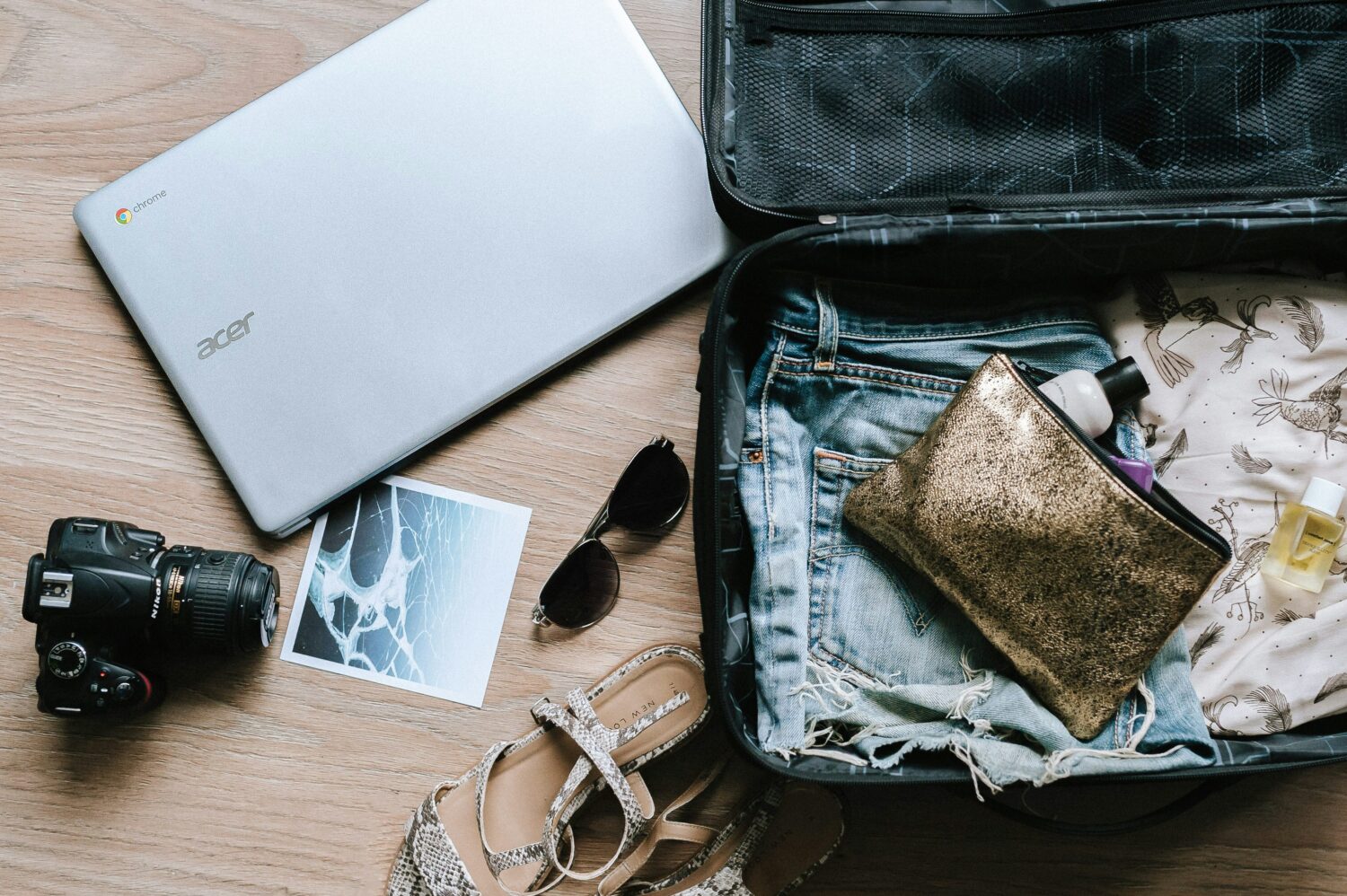
No Murchison Falls packing list is complete without proper equipment to capture the experience. Binoculars are essential for spotting distant wildlife and birdlife along the Nile, especially during boat cruises where animals like hippos, crocodiles, and elephants often appear at a distance. A camera with a zoom lens will make a significant difference in your wildlife photos, so pack extra batteries, memory cards, and a portable charger, since charging points can be limited at some remote lodges. A dry bag or protective camera cover is useful during the boat cruise, where Nile spray is common near the base of the falls.
Practical Extras Every Traveler Forgets
A small daypack keeps your essentials — water, snacks, camera gear, sunscreen — organized and within reach during activities. Pack a headlamp or torch for camps and lodges with limited lighting after dark, along with a universal power adapter, since Uganda uses UK-style three-pin plugs, which is convenient for British travelers but essential to remember for the rest of Europe. Cash in small denominations (Ugandan shillings and US dollars) is useful for tips and small purchases, since card access can be unreliable outside major towns.
If your itinerary includes an overnight fly camping experience under the stars, pack slightly warmer sleepwear and a compact insect net or extra repellent, since nights in the open bush feel noticeably cooler than a standard lodge stay.
Documents and Travel Essentials
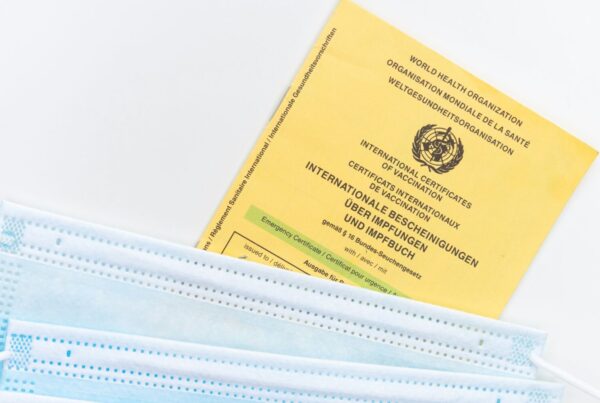
Beyond physical gear, your safari packing tips Europe checklist should include your passport (valid for at least six months beyond your travel dates), a printed and digital copy of your Uganda visa or East Africa Tourist Visa, travel insurance documents, yellow fever vaccination certificate (mandatory for entry from many European countries via connecting flights), and confirmation details for your safari itinerary and accommodation. Keep digital copies of everything stored separately from the originals in case of loss.
A Season-by-Activity Packing Approach
Different activities within your Uganda itinerary call for slightly different priorities. For game drives, prioritize layers, binoculars, and sun protection. For the Nile boat cruise, add a waterproof layer and a dry bag for electronics. For nature walks or the hike to the top of the falls, sturdy boots and a daypack with water become essential. For evenings at the lodge, pack something comfortable and slightly dressier if you plan to enjoy dinner with a view over the Nile.
If you’re combining Murchison Falls with other experiences, our team can help tailor your Uganda safari packing list further depending on your full route.
Common Packing Mistakes European Winter Travelers Make
Many travelers coming straight from winter overpack heavy clothing out of habit, forgetting that Uganda’s climate is fundamentally different even during cooler morning hours. Others underpack sun protection, assuming cloud cover will be more common than it actually is near the equator. Bright-colored clothing, particularly blue and black, is another common mistake, since these shades attract tsetse flies and can be more visible to wildlife. Heavy, hard-shell luggage is also impractical for Uganda’s park roads and smaller aircraft used for some fly-in safaris — a soft duffel bag is a far better choice.
Final Thoughts on Packing for Your Uganda Adventure
A thoughtful Uganda safari packing list for European winter travelers allows you to focus entirely on the experience: the roar of the Nile at Murchison Falls, the thrill of spotting lions and elephants on a game drive, and the calm of a sunset boat cruise. Packing smart means fewer distractions and more moments fully present in one of Africa’s most rewarding wildlife destinations.
Ready to plan your journey from European winter to Ugandan sunshine? Explore our Murchison Falls safari packages and let our team build a tailor-made itinerary around your travel dates, interests, and comfort level. For a deeper packing breakdown by activity and season, also read our full Murchison Falls National Park Safari Packing List, and if safety questions are on your mind, our guide on animals that attack on safari and how to stay safe is a useful companion read.
Get in touch with Murchison Falls Park Safari today to book your dry-season adventure and receive a personalized packing checklist for your exact itinerary.