East Africa Tourist Visa for Europeans: Uganda, Rwanda, Kenya
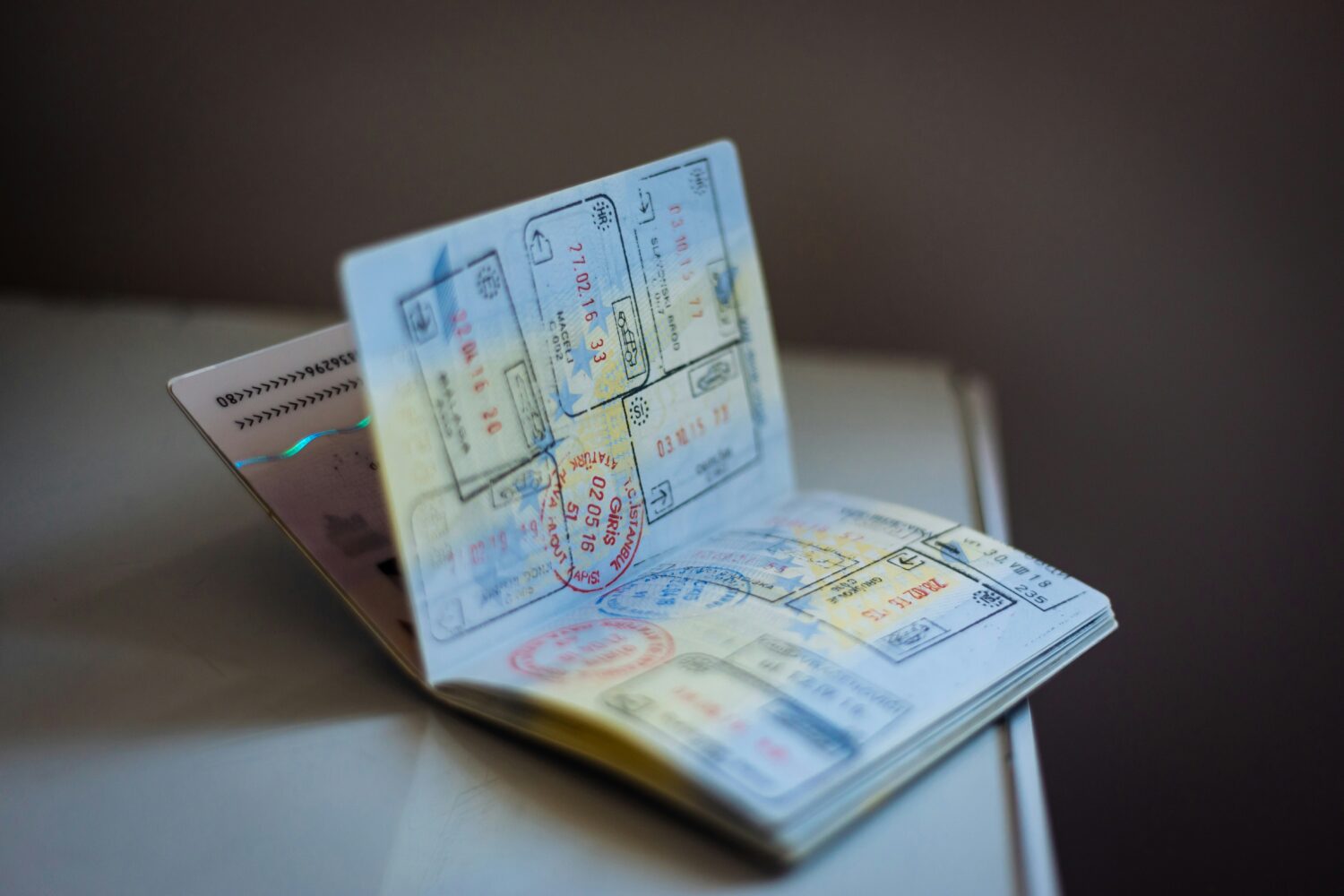
Travelers building a multi-country itinerary across Uganda, Rwanda, and Kenya quickly run into a genuinely useful piece of regional cooperation: the East Africa Tourist Visa for Europeans, often referred to simply as the EATV. Rather than applying for three separate national visas, paying three separate fees, and navigating three different immigration systems, this single joint visa allows eligible travelers to move freely between all three countries on one document. For anyone combining gorilla trekking in Uganda with a Maasai Mara safari in Kenya or a visit to Kigali in Rwanda, understanding how this visa works is essential trip-planning knowledge.
At Murchison Falls Park Safari, we regularly help European travelers plan multi-country East Africa itineraries, and the EATV comes up in nearly every conversation about combining Uganda with neighboring destinations. This guide covers exactly how the visa works, what it costs, the critical rules that trip up unprepared travelers, and how to apply correctly.
What Is the East Africa Tourist Visa?
The East Africa Tourist Visa is a joint initiative between three partner states of the East African Community — Uganda, Kenya, and Rwanda — created to encourage multi-country tourism across the region rather than requiring travelers to navigate three completely separate visa systems. Unlike a standard single-country tourist visa, the EATV requirements allow for genuine multiple-entry travel across all three countries within a single 90-day validity window, without needing to reapply or pay additional fees at each border crossing.
For European travelers planning to combine Uganda’s mountain gorilla trekking with Kenya’s Great Migration wildlife viewing or Rwanda’s Volcanoes National Park, this visa removes a significant amount of the administrative friction that would otherwise come with a genuine multi-country safari.
How Much Does the East Africa Tourist Visa Cost?
The East Africa Tourist Visa fee is a flat 100 US dollars, regardless of how many of the three eligible countries you actually plan to visit. This flat pricing structure means the visa offers genuine savings for travelers visiting all three countries, since purchasing individual visas separately — a Kenya entry visa, a Uganda e-visa at 50 US dollars, and a Rwanda visa — would typically add up to a higher combined total. It’s worth noting, however, that if your itinerary only includes two of the three countries, comparing the combined cost of two individual visas against the flat EATV fee is worthwhile, since in some two-country combinations the individual visas can actually work out slightly cheaper.
Validity Period and the 90-Day Window
The EATV is valid for 90 days from the date of issue, not from your date of arrival, which is an important distinction many travelers overlook. Applying too far in advance of your trip can mean your visa expires before you even board your flight, so it’s generally advisable to apply within a reasonable window before departure — commonly a few weeks ahead — rather than months in advance. The visa allows multiple entries across Uganda, Kenya, and Rwanda throughout this 90-day period, provided you remain within the three-country bloc.
The Critical First-Entry Rule
This is, without question, the single most important rule to understand about the East Africa Tourist Visa Uganda Kenya Rwanda system, and the one that most frequently catches unprepared travelers off guard. You must apply for the EATV through the immigration portal of whichever country will be your first point of entry into the region, and you must then physically enter that same country first.
If you’re beginning your trip in Uganda, flying into Entebbe, you apply through Uganda’s official immigration portal. If Kenya is your first stop, arriving through Nairobi or Mombasa, you apply through Kenya’s eCitizen portal. If Rwanda is your entry point, arriving in Kigali, you apply through Rwanda’s Irembo portal. Applying through the wrong country’s portal relative to your actual arrival sequence can result in denial of entry or significant additional scrutiny at immigration, so this first entry rule EATV requirement needs to be planned alongside your flight bookings, not treated as an afterthought.
What Happens If You Leave the Three-Country Bloc
Another detail that surprises many travelers relates to what happens if your itinerary includes a destination outside Uganda, Kenya, and Rwanda. The EATV remains valid only while you stay within this three-country bloc. If you leave the region at any point during your trip — for example, flying from Nairobi to Dar es Salaam for a Tanzania safari extension, or from Entebbe to Zanzibar — your EATV becomes invalid for re-entry, even if you’re still well within your original 90-day window. Returning to Uganda, Kenya, or Rwanda after leaving the bloc would require either a fresh EATV application or an individual country-specific visa for the return leg.
This is a particularly important consideration for European travelers planning to combine a Uganda safari with a Serengeti migration extension in Tanzania or a Zanzibar beach stay, since Tanzania is not currently part of the EATV arrangement. If your itinerary includes any destination outside the three-country bloc, it’s worth planning your visa strategy around that break in your route from the outset, rather than assuming the EATV will cover your entire multi-country trip.
Required Documents for Your EATV Application
A complete application generally requires a clear scan of your passport bio-data page, valid for at least six months beyond your intended departure date and containing at least two blank visa pages, along with a recent, clear passport-style photograph against a plain background. A valid international yellow fever vaccination certificate is also a mandatory, non-negotiable requirement for entry into Uganda specifically, and is generally expected across the region given East Africa’s yellow fever risk designation.
Depending on the specific portal and your circumstances, you may also be asked to provide evidence of sufficient funds to support your stay, a return or onward flight itinerary, and in some cases a broader travel itinerary outlining your planned activities across the three countries. Preparing these documents in advance, in the correct format and resolution, significantly reduces the chance of delays during processing.
How to Apply: The Correct Official Channels
Applications must go through the official government portal of your chosen first-entry country, and nowhere else. For travelers starting their trip in Uganda, the only legitimate application channel is Uganda’s official immigration portal. For travelers starting in Kenya, applications go through Kenya’s eCitizen system. For travelers starting in Rwanda, the Irembo online portal is the correct channel, and Rwanda also offers a visa-on-arrival option for eligible travelers under its broader, notably open visa policy.
As with Uganda’s standard e-visa system, official immigration channels across the region have issued direct warnings about third-party websites that impersonate government visa portals, often charging substantially inflated fees while offering no genuine advantage in processing speed or approval likelihood. There is no legitimate agent authorized to apply for this visa on your behalf outside the official government channels, and travelers should treat any site charging significantly more than the standard 100 US dollar government fee as a clear warning sign.
Processing Time and When to Apply
While processing times can vary slightly depending on which country’s portal you apply through, standard Uganda e-visa processing generally runs around two to three working days, and EATV applications through the Uganda portal tend to follow a broadly similar timeline, though building in a slightly longer buffer is sensible given the additional documentation sometimes requested. Applications through Kenya’s system have occasionally been noted as taking somewhat longer or experiencing more variability, so travelers starting their journey in Kenya should apply with extra lead time rather than assuming a fast turnaround.
Given the 90-day validity window running from issue date rather than arrival date, a practical approach is to apply a few weeks before departure — enough time to comfortably handle processing and any follow-up document requests, but not so far in advance that your visa risks expiring before you travel.
Who Doesn’t Need the EATV
Citizens of the East African Community member states, along with an expanding list of exemptions for many African Union nationals under recent policy changes, generally do not need this visa and can travel between the three countries using their national identity documents or passports. For non-African international travelers, including the vast majority of European passport holders, the EATV or an equivalent individual country visa remains a standard requirement for entry.
Comparing the EATV to Individual Country Visas
Whether the EATV genuinely saves you money depends on exactly which countries and how many you’re planning to visit. For travelers visiting all three eligible countries, the flat 100 US dollar EATV fee typically compares favorably against the combined cost of separate visas — a Kenya entry fee, a Uganda e-visa, and a Rwanda visa purchased individually. For travelers visiting only two of the three countries, it’s worth calculating both options before applying, since in certain two-country combinations, individual visas can occasionally work out to be a very similar or even slightly lower total cost, even though the EATV remains more convenient administratively.
If your trip is focused entirely on Uganda without plans to cross into Kenya or Rwanda, a standard Uganda tourist e-visa at 50 US dollars remains the more straightforward and appropriate choice rather than the joint regional visa. Our detailed guide on how long a Uganda e-visa takes to process covers everything you need for a Uganda-only itinerary, including the same official-portal warnings and required documents discussed here.
Planning Your Multi-Country Itinerary Around the EATV
Once you understand the first-entry rule and the three-country bloc limitation, building your itinerary becomes considerably more straightforward. Many European travelers structure their trip to begin in Uganda, spending several days in Murchison Falls National Park before continuing to Bwindi Impenetrable Forest for gorilla trekking, then crossing overland or flying into Rwanda or Kenya for the remainder of their journey, all under the same EATV.
If your broader plans include a Great Migration extension into Tanzania’s Serengeti, remember that this falls outside the EATV bloc entirely. Our guide on combining a Uganda safari with a Serengeti migration safari explains how to structure that particular combination, and given the visa implications discussed in this guide, that itinerary would require either a separate Tanzania visa applied for independently, or careful sequencing if you plan to return to the EATV bloc afterward.
Health and Entry Preparation Beyond the Visa
Regardless of which visa route you choose, all travelers entering Uganda specifically are required to present a valid yellow fever vaccination certificate, a stricter requirement than some neighboring countries which only require the certificate from travelers arriving from designated endemic zones. It’s worth completing this vaccination at least ten days before departure, both to meet entry requirements and for general health protection during your trip.
Timing Your Trip Around East Africa’s Best Safari Conditions
Whichever combination of countries you’re visiting, aligning your travel dates with the region’s dry seasons generally produces the best wildlife viewing conditions. In Uganda specifically, the dry seasons from December to February and June to September offer easier road access and more predictable game viewing in parks like Murchison Falls National Park. Our guide on seasonal wildlife migration patterns in Murchison Falls is a useful companion read while you’re coordinating your EATV timeline with your overall safari schedule.
Packing and Practical Preparation
Once your visa strategy is settled, shifting focus to trip preparation makes sense. Multi-country itineraries often involve varying climates and terrains, from Murchison Falls’ warm savannah to the cooler montane forest around Bwindi or Volcanoes National Park. Our detailed Murchison Falls National Park Safari Packing List covers the essentials for the Uganda portion of your trip, forming a solid foundation you can adjust as your itinerary moves between countries.
Why Work With an Experienced Multi-Country Safari Operator
Given the first-entry rule, the three-country bloc limitation, and the coordination required between flights, borders, and visa applications, travelers planning a genuine multi-country East Africa itinerary benefit significantly from working with an operator experienced in this exact type of trip. At Murchison Falls Park Safari, we help European travelers sequence their itinerary correctly from the outset, ensuring visa applications, flight bookings, and border crossings all align properly rather than risking a costly mistake at immigration.
Final Thoughts on the East Africa Tourist Visa for Europeans
The East Africa Tourist Visa for Europeans genuinely simplifies what could otherwise be a complicated, multi-system visa process for travelers combining Uganda, Kenya, and Rwanda into a single trip. Understanding the flat 100 US dollar fee, the 90-day multiple-entry validity, the critical first-entry-country rule, and the important limitation around leaving the three-country bloc puts you in a strong position to plan a smooth, well-sequenced multi-country safari without any unpleasant surprises at the border.
Ready to plan your multi-country East Africa safari? Contact Murchison Falls Park Safari today, and let our team help you sequence your itinerary, visa applications, and flights for a seamless trip across Uganda and beyond.
This article is intended as general travel guidance. Visa policies, fees, and requirements can change, so always confirm current information directly through the official immigration portal of your first-entry country before applying or booking non-refundable travel.