Uganda and Rwanda Gorilla Safari for European Travelers
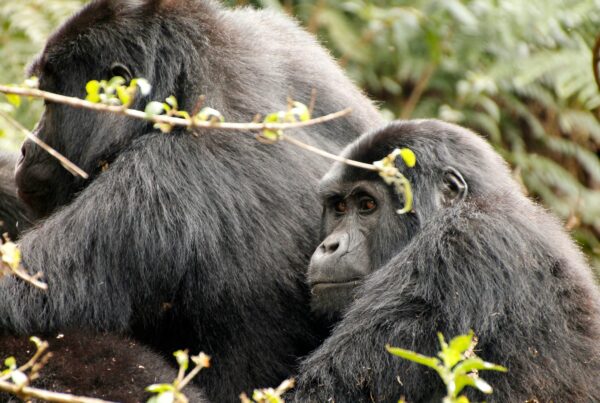
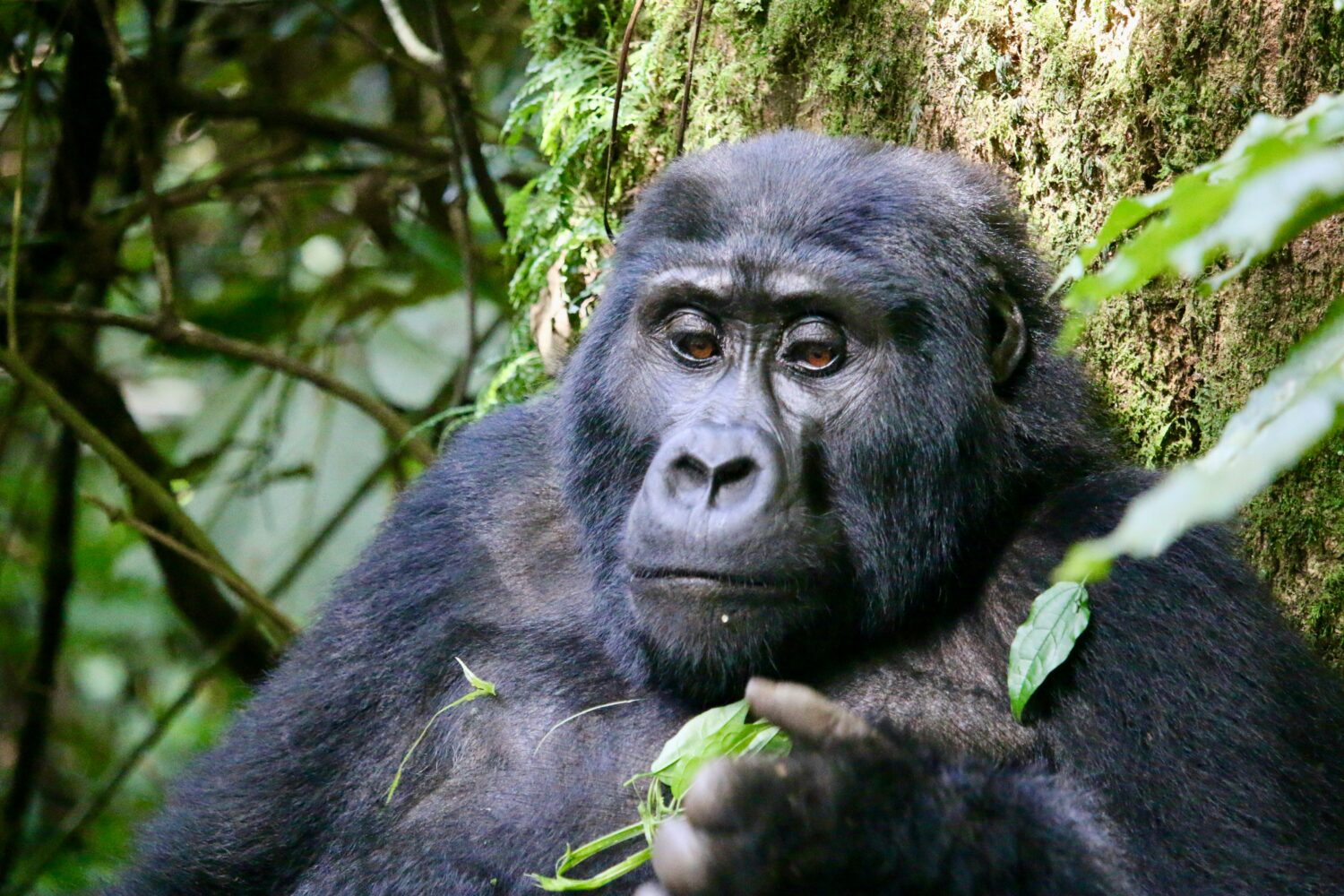
Few wildlife experiences compare to standing a few meters from a wild mountain gorilla family, and for many European travelers planning that once-in-a-lifetime encounter, the real question isn’t whether to go, but where. A Uganda and Rwanda gorilla safari for European travelers offers a genuinely compelling way to answer that question without choosing at all — combining both countries into a single itinerary lets you experience Uganda’s raw, forested wilderness alongside Rwanda’s polished efficiency, giving you the best of both gorilla trekking destinations in one trip.
At Murchison Falls Park Safari, we help European travelers plan gorilla trekking itineraries every season, and the Uganda-Rwanda combination is one of the most rewarding options available for anyone serious about mountain gorillas. This guide walks through permit costs, border logistics, itinerary structure, and everything else you need to plan this trip well.
Why Combine Uganda and Rwanda for Gorilla Trekking
Uganda and Rwanda sit close enough together, connected by well-established land border crossings, that combining gorilla trekking in both countries within a single trip is far more practical than most first-time visitors assume. Rather than choosing one destination and wondering about the other, a combined itinerary lets you compare two genuinely different gorilla trekking experiences directly, while also giving you two separate chances to see a gorilla family, which meaningfully increases your overall odds of a spectacular encounter across the trip.
Beyond the gorillas themselves, this combination also opens up Uganda’s broader wildlife offerings, including Murchison Falls National Park’s dramatic Nile River landscapes and abundant game viewing, alongside Rwanda’s efficient infrastructure, well-regarded lodges, and the increasingly popular urban culture of Kigali.
Gorilla Permit Costs: Uganda vs Rwanda
Understanding the cost difference between the two countries is essential to planning your itinerary and budget. Bwindi gorilla permit price for foreign non-resident visitors currently stands at 800 US dollars per person, covering park entry, a guided trek with Uganda Wildlife Authority rangers, and one hour spent with a habituated gorilla family in either Bwindi Impenetrable National Park or Mgahinga Gorilla National Park. Uganda has also introduced low-season discounted pricing, reducing the standard permit to 600 US dollars per person during April, May, and November, which represents a genuinely significant saving for travelers with flexible dates.
Rwanda’s Volcanoes National Park gorilla permit carries a considerably higher price point of 1,500 US dollars per person, reflecting the country’s deliberate high-value, lower-volume tourism strategy. This premium pricing has, in recent years, pushed a meaningful share of cost-conscious travelers toward Uganda, though Rwanda’s permit price also comes with certain advantages worth weighing, including generally shorter and less physically demanding treks on average, along with faster transfer times from Kigali International Airport to the trekking trailheads.
For travelers planning to trek in both countries as part of a combined itinerary, budgeting for both permit costs upfront — 800 US dollars for the Uganda leg and 1,500 US dollars for the Rwanda leg, per person — gives you an accurate starting point for your overall trip budget before accommodation, transport, and other activities are factored in.
Comparing the Trekking Experience Itself
Beyond price, the actual trekking experience differs meaningfully between the two countries, and understanding these differences helps set realistic expectations for your trip. Bwindi Impenetrable Forest, as its name suggests, offers a genuinely rugged, dense rainforest environment, with treks that can range from a relatively short walk to a considerably more demanding multi-hour hike through steep, forested terrain, depending on where the gorilla family happens to be on the day of your trek. This unpredictability is part of what many travelers find appealing about the Uganda experience — it feels like a genuine wilderness encounter rather than a curated one.
Rwanda’s Volcanoes National Park, set against the dramatic backdrop of the Virunga volcanic range, generally offers somewhat more predictable and often shorter trekking times to reach habituated gorilla families, along with well-developed trailhead infrastructure and a slightly more streamlined overall experience. Both countries strictly limit trekking groups and daily visitor numbers to protect gorilla welfare, and in both cases, once you locate the gorilla family, you’ll spend exactly one hour observing and photographing them under close ranger supervision.
Crossing the Border Between Uganda and Rwanda
One of the most practical aspects of planning a combined gorilla safari Uganda Rwanda itinerary is understanding the land border crossing between the two countries, which is far more straightforward than many first-time travelers expect. The Katuna Cyanika border crossing points, also known by their Rwandan-side names of Gatuna and Cyanika, serve as the two primary overland crossings used by tour operators moving travelers between Bwindi and Volcanoes National Park.
The drive between Bwindi’s various trekking sectors and Volcanoes National Park typically takes somewhere in the range of four to six hours depending on your specific starting and ending points, passing through beautiful terraced hillside scenery along the way. Experienced operators handle the border formalities directly, and if you’re traveling under the East Africa Tourist Visa, this crossing becomes considerably simpler, since the same visa covers your entry into both countries without requiring a separate application at the border itself.
Structuring Your Combined Itinerary
A well-balanced Uganda and Rwanda gorilla safari typically runs somewhere between seven and eleven days, depending on how much time you’d like to spend in each country and whether you’re combining the trip with additional activities like a savannah safari in Uganda’s Queen Elizabeth National Park or a day exploring Kigali’s genocide memorial and vibrant local markets.
Many itineraries begin by flying into Entebbe, spending several days in Uganda combining gorilla trekking in Bwindi with either a chimpanzee tracking excursion in Kibale Forest or a short savannah safari, before making the overland crossing into Rwanda for a second gorilla trek in Volcanoes National Park, followed by a night or two in Kigali before flying home from Kigali International Airport. This structure allows for a natural flow between Uganda’s wilder, more rugged landscapes and Rwanda’s polished efficiency, giving European travelers a genuinely well-rounded East Africa experience.
Visa Planning for Your Combined Trip
Since your itinerary spans two countries, visa planning deserves early attention. The East Africa Tourist Visa, a joint visa covering Uganda, Kenya, and Rwanda, is generally the most convenient option for this specific combination, allowing multiple entries across both countries within a single 90-day validity window at a flat fee of 100 US dollars. The critical detail to understand is the first-entry rule: you must apply through the immigration portal of whichever country you’ll enter first, and you must then physically arrive in that country before crossing into the other.
Our detailed guide on the East Africa Tourist Visa for Europeans covers this process in full, including the exact application steps and the important limitations around leaving the three-country bloc, which is essential reading before you book flights for this specific itinerary.
Booking Your Gorilla Permits Well in Advance
Gorilla permits for both countries are limited in number, since only a small group of visitors is permitted to trek each habituated gorilla family per day, and this scarcity means advance booking is essential rather than optional. For peak season travel, generally June through September and December through February, booking your permits four to six months ahead is strongly recommended, while shoulder season travel allows for a somewhat shorter three-to-four-month booking window. Given the added complexity of coordinating permits across two separate national wildlife authorities for a combined itinerary, working with an experienced operator who can secure both sets of permits on your behalf removes a significant amount of the administrative burden.
What to Pack for Gorilla Trekking in Both Countries
Gorilla trekking in either country demands sturdy, broken-in hiking boots, since trails can be steep, muddy, and uneven regardless of which park you’re trekking in. Long-sleeved shirts and long trousers in neutral colors protect against stinging nettles and biting insects common in the dense forest understory, and gardening gloves are a genuinely practical addition for gripping vegetation on steeper sections of the trek. A rain jacket is essential in both countries given the consistently wet, high-altitude forest environment, and a daypack with water, snacks, and camera equipment rounds out the essentials.
For the broader Uganda portion of your trip, particularly if you’re combining gorilla trekking with time in Murchison Falls National Park, our detailed Murchison Falls National Park Safari Packing List covers the additional essentials for game drives and boat cruises that differ from the forest trekking gear discussed here.
Health and Physical Preparation
Gorilla trekking, particularly in Uganda’s Bwindi Impenetrable Forest, can be physically demanding, with some treks involving several hours of hiking on steep, uneven terrain at moderate altitude. Building some general fitness ahead of your trip makes the experience considerably more enjoyable, and porters are available for hire in both countries to carry your daypack and offer physical assistance on steeper sections, which is well worth considering regardless of your fitness level, both for your own comfort and as a meaningful source of income for local communities.
A yellow fever vaccination certificate is required for entry into Uganda, and travelers should complete this vaccination at least ten days before departure. Malaria prevention is also important across both countries, so consulting a doctor or travel clinic several weeks before your trip to discuss appropriate antimalarial medication is a sensible step.
Why Consider Adding Murchison Falls to Your Itinerary
While Bwindi and Volcanoes National Park are the clear centerpiece of a gorilla-focused trip, many European travelers extend their Uganda leg to include Murchison Falls National Park, home to the dramatic point where the Nile River is forced through a narrow gorge before plunging into the Albertine Rift below. Game drives across the Buligi Peninsula and a boat cruise along the Nile offer a completely different wildlife experience from forest trekking, rounding out your trip with elephants, lions, giraffes, and exceptional birdlife alongside your primate encounters.
For a deeper understanding of how wildlife patterns shift throughout the year in Murchison Falls, our guide on seasonal wildlife migration patterns in Murchison Falls is worth reading while you’re finalizing the full scope of your itinerary.
Timing Your Trip Around Gorilla Trekking Conditions
Gorilla trekking is possible year-round in both countries, since it doesn’t depend on the same seasonal water-driven wildlife movement patterns that shape savannah safaris. That said, Uganda’s dry seasons, from December to February and June to September, generally offer somewhat easier trekking conditions with less mud on the forest trails, alongside the practical bonus of overlapping with the country’s broader dry-season safari peak if you’re combining gorilla trekking with Murchison Falls. Uganda’s low-season discount months of April, May, and November offer a genuine trade-off worth considering: muddier trekking conditions in exchange for a meaningfully lower permit price and typically quieter trails.
Why Work With an Experienced Multi-Country Operator
Coordinating gorilla permits across two separate national wildlife authorities, planning a smooth overland border crossing, and sequencing your itinerary correctly relative to your visa application all benefit significantly from working with an operator experienced in this exact type of combined trip. At Murchison Falls Park Safari, we help European travelers plan complete Uganda and Rwanda gorilla safaris, coordinating permits, transport, and accommodation across both countries so the logistics feel seamless rather than overwhelming.
Final Thoughts on a Combined Uganda and Rwanda Gorilla Safari
A Uganda and Rwanda gorilla safari for European travelers offers a genuinely rare opportunity to experience mountain gorilla trekking twice, in two distinctly different settings, within a single well-planned trip. Weighing Uganda’s more affordable, rugged wilderness experience against Rwanda’s premium-priced efficiency, and understanding the border logistics, visa requirements, and permit booking timelines involved, sets you up for one of the most rewarding wildlife journeys available anywhere in the world.
Ready to plan your Uganda and Rwanda gorilla safari? Contact Murchison Falls Park Safari today, and let our team coordinate your permits, border crossing, and complete itinerary across both countries.
Gorilla permit prices, seasonal discounts, and border crossing procedures can change. Always confirm current rates and requirements directly with your operator or the relevant national wildlife authority before booking non-refundable travel.