
Uganda Safari from China: What Chinese Travelers Should Know
China and Uganda have built a genuinely close relationship over the past two decades, spanning infrastructure, trade, and a steadily growing Chinese community based in Kampala and Entebbe, and that relationship is now extending into tourism as more Chinese travelers discover what Uganda actually offers: mountain gorillas found in only a handful of places on earth, the source of the Nile, and some of the richest wildlife viewing in Africa. This guide covers everything a Chinese traveler needs to plan a Uganda safari from China, from flight routing and visa requirements to costs, timing, and practical considerations specific to travelers coming from mainland China.
We put this together at Murchison Falls Park Safari for the growing number of Chinese travelers reaching out to us each season, whether that’s business travelers based in Guangzhou or Yiwu extending a trip with a safari, families planning a milestone trip, or first-time visitors drawn specifically to gorilla trekking.
How to Fly from China to Uganda
There is currently no direct flight between mainland China and Uganda, so every journey involves at least one connection, and choosing the right one makes a meaningful difference to your total travel time. Ethiopian Airlines via Addis Ababa is the most widely used and generally the most efficient option, with strong connections from Beijing, Shanghai, and Guangzhou, and a total journey time of roughly 14 to 15 hours including the layover, among the shortest connecting routes available from China to Entebbe.
Qatar Airways via Doha and Emirates via Dubai are both strong alternatives, particularly popular with business travelers who value the onboard comfort and modern aircraft on these carriers, though total journey time tends to run slightly longer than the Ethiopian routing. Kenya Airways via Nairobi is another well-used option, especially convenient if you’re already routing through East Africa or combining your Uganda trip with a Kenya safari leg. For travelers departing from Guangzhou, which has historically had the strongest trade and travel ties to East Africa of any Chinese city, flight frequency and fare competition tend to be noticeably better than from Beijing or Shanghai, making it worth checking Guangzhou departures even if you don’t live there, since domestic connections within China are generally straightforward.
What Does a Flight from China to Uganda Cost?
Round-trip economy fares between major Chinese cities and Entebbe typically range from around $700 to $1,200 depending on your departure city, chosen airline, and how far ahead you book. Guangzhou routings tend to sit toward the lower end of that range, reflecting stronger competition and higher flight frequency on China-Africa trade routes, while Beijing and Shanghai fares, particularly on premium carriers like Emirates and Qatar Airways, can run noticeably higher. As with most long-haul routes, booking six to eight weeks ahead generally produces better fares than last-minute booking, and traveling outside the July–August and Chinese New Year peak travel windows can bring meaningful savings.
Uganda Visa Requirements for Chinese Citizens
Chinese citizens are not visa-exempt for Uganda, and there is no visa-on-arrival option available to Chinese passport holders, so a visa must be secured before departure despite the strong diplomatic relationship between the two countries. The Uganda eVisa is the standard and most efficient route, applied for entirely online through the official government portal at visas.immigration.go.ug rather than through third-party agents who often charge inflated fees for identical processing.
For Chinese applicants, the single-entry tourist eVisa costs around $50 USD, roughly ¥360 depending on the exchange rate, and typically takes between two and five business days to process. Chinese travelers often experience efficient processing given the strength of China-Uganda diplomatic ties, but it’s still sensible to apply at least two to three weeks before departure to allow for any delays, particularly during peak booking season. Once approved, it permits a stay of up to 90 days. If your trip includes Kenya or Rwanda alongside Uganda, the East Africa Tourist Visa, priced around $100 USD, covers all three countries on a single multiple-entry document, provided your journey begins in Uganda. For the complete step-by-step application process, including document specifications and common rejection reasons, see our [Uganda visa and entry requirements guide].
Yellow Fever Certificate: Mandatory for Chinese Travelers
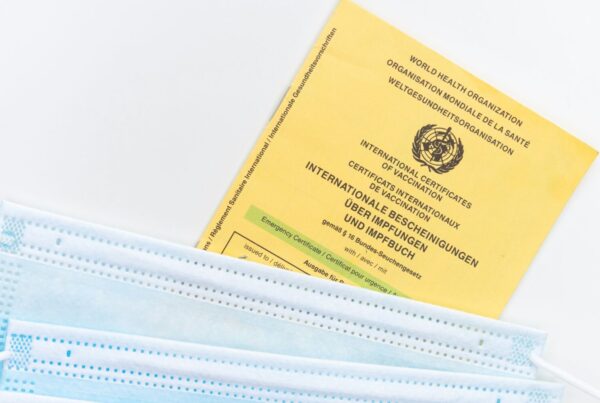
Uganda requires proof of yellow fever vaccination from all international travelers, applied strictly and without exception to travelers arriving from China. You’ll need to carry your International Certificate of Vaccination or Prophylaxis, commonly known as the yellow card, and it’s worth keeping a physical, original copy in your hand luggage in addition to any digital record, since it’s checked directly at the immigration desk in Entebbe and applications without it are routinely rejected.
Get vaccinated at an authorized international travel health center in China at least ten days before departure, since the certificate only becomes valid ten days after the vaccination is administered. The vaccination itself is valid for life once administered, and certificates typically cost between ¥400 and ¥800 depending on the clinic. This is one of the most commonly overlooked documents among first-time Chinese travelers to Uganda, so it’s worth arranging early, ideally around the same time you submit your eVisa application.
What a Uganda Safari from China Actually Costs
Beyond flights and visas, most Chinese travelers want a realistic sense of overall trip cost before committing. A well-paced 7 to 10 day Uganda safari from China, covering gorilla trekking in Bwindi Impenetrable Forest and a Big Five safari in Murchison Falls National Park, typically runs from around $2,200 to $3,500 per person sharing for a mid-range lodge package, with the cost of gorilla trekking permits and the number of parks visited being the biggest drivers of overall price. Add flights from China, and a complete trip comfortably fits into a $3,000 to $4,700 per person budget for a well-organized mid-range itinerary, with luxury lodges and private guiding pushing that figure considerably higher.
Travelers looking to manage costs can do so by choosing a shorter itinerary, traveling in a small group to share vehicle and guide costs, and focusing on one flagship park rather than a multi-park circuit, while still getting a genuinely rewarding safari experience.
Best Time to Visit Uganda from China
Uganda is a year-round destination, but the driest, most comfortable conditions for both gorilla trekking and game drives fall in June to September and again from December to February. These windows tend to work well for Chinese travelers with flexible annual leave, though it’s worth noting that the December window overlaps with peak global demand and higher flight and lodge prices around the year-end holiday period. The shoulder seasons, March to May and October to November, bring lush green scenery, noticeably fewer crowds, and lower lodge rates, at the cost of a higher chance of rain showers that rarely disrupt a full day’s activities for long. If your schedule allows flexibility, booking gorilla trekking permits during these shoulder months can also be considerably easier, since peak-season permits often sell out months in advance through the Uganda Wildlife Authority.
Building Your Uganda Itinerary
A well-structured Uganda safari from China usually centers on two flagship experiences: gorilla trekking in Bwindi Impenetrable Forest, home to nearly half the world’s remaining mountain gorillas, and a classic safari circuit through Murchison Falls National Park, where the Nile forces itself through a narrow gorge and tree-climbing lions, elephants, and giraffe roam the surrounding savannah. Many itineraries also add Kibale Forest for chimpanzee tracking or Queen Elizabeth National Park for its dramatic crater lakes and boat cruises along the Kazinga Channel.
A typical 8 to 10 day itinerary might open with two to three days in Murchison Falls for game drives and a Nile boat cruise to the base of the falls, followed by a transfer to Bwindi for gorilla trekking, with an optional final stop in Kibale or Queen Elizabeth before flying home. We tailor this structure to each traveler’s interests, physical fitness for trekking, and available time, and can build in extensions such as a short Rwanda add-on or a beach finish, covered in our guide to the [Uganda safari plus Mauritius beach add-on].
Practical Considerations for Chinese Travelers
Uganda uses the Ugandan Shilling, and while US dollars are widely accepted at lodges and for park fees, it’s worth carrying newer, undamaged dollar bills, since older or worn notes are sometimes refused. Chinese UnionPay acceptance remains limited outside major hotels in Kampala, so it’s sensible to carry a mix of cash and an internationally accepted credit card rather than relying on UnionPay alone. WeChat Pay and Alipay are not broadly usable for everyday purchases in Uganda’s national parks and lodges, so plan your payment method accordingly before you travel.
English is Uganda’s official language, and while this removes a common travel barrier in terms of signage and basic communication, it’s worth booking with an operator who can provide a Mandarin-speaking guide or reliable translation support if English isn’t a comfortable working language for your group, since specialized terminology around wildlife, permits, and park regulations benefits from clear communication. Uganda’s growing Chinese business community, concentrated mainly in Kampala, also means you’ll find Chinese restaurants and some familiar comforts more easily than in many other African safari destinations, which many first-time visitors find reassuring.
Malaria prevention is worth discussing with your doctor before departure, since Uganda is a malaria-endemic country, and comprehensive travel insurance covering medical evacuation is strongly advised given the remote location of some national parks. It’s also worth confirming your policy specifically covers activities like gorilla trekking, since some standard travel policies exclude higher-exertion trekking activities by default.
Frequently Asked Questions
Is there a direct flight from China to Uganda? No. There are currently no nonstop flights between mainland China and Entebbe International Airport. The most efficient connection is Ethiopian Airlines via Addis Ababa, with a total journey time of roughly 14 to 15 hours, though Qatar Airways via Doha, Emirates via Dubai, and Kenya Airways via Nairobi all serve the route with one stop as well.
Do Chinese citizens need a visa for Uganda? Yes. Chinese passport holders must obtain a Uganda eVisa before departure, since there is no visa-on-arrival option despite the strong diplomatic relationship between the two countries. The single-entry tourist eVisa costs around $50 USD (roughly ¥360) and should be applied for online through the official government portal at least two to three weeks before travel.
How much does a Uganda safari cost from China? A well-organized 7 to 10 day mid-range safari, including gorilla trekking and a Big Five park circuit, typically costs between $2,200 and $3,500 per person sharing for the land package, with a full trip including flights from China comfortably fitting a $3,000 to $4,700 per person budget.
Is yellow fever vaccination required for Uganda from China? Yes, proof of yellow fever vaccination, the ICVP or yellow card, is mandatory for all travelers entering Uganda from China, with no exceptions. Get vaccinated at an authorized international travel health center in China at least ten days before departure, since the certificate only becomes valid ten days after the vaccination is given.
Which Chinese city has the best flight connections to Uganda? Guangzhou generally offers the strongest flight frequency and most competitive fares to Entebbe, reflecting its long-standing trade and travel ties to East Africa, though Beijing and Shanghai are both well served through Addis Ababa, Dubai, and Doha connections.
Ready to Plan Your Uganda Safari from China?
With strong flight connections through Addis Ababa, Dubai, and Doha, and a well-established eVisa process, planning a Uganda safari from China is more straightforward than many first-time travelers expect, and the itinerary waiting on the other end, gorilla trekking, Nile boat cruises, and some of the richest wildlife on the continent, is exactly the kind of trip worth the journey. Murchison Falls Park Safari works with Chinese travelers throughout the year to build tailored itineraries around your preferred flight route, travel dates, and budget. Contact us for a custom Uganda safari quote, and we’ll help you sequence your visa, vaccination, and gorilla permit bookings so nothing holds up your trip.
For more planning help, explore our companion guides on [Uganda safari from India: complete planning guide], our central [Uganda flights and visas hub] covering documentation requirements for major departure markets, and our [Murchison Falls to Bwindi travel guide] for park-to-park logistics. Ready to start building your itinerary? Get in touch with our team today for a personalized Uganda safari proposal built around your Guangzhou, Beijing, or Shanghai departure.