Uganda Safari Cost in Euros: Budget Breakdown
Understanding the true Uganda safari cost in euros is one of the most useful things a European traveler can do before booking, since nearly every official fee in Uganda, from park entrance charges to gorilla trekking permits, is priced and paid in US dollars rather than euros. That single detail catches a lot of first-time planners off guard, and it means every budget needs an extra mental conversion step to make sense of what a trip will actually cost once it lands on a European bank statement. This guide breaks down every major cost category for a 2026 Uganda safari, converts the figures into approximate euro equivalents, and shows how those pieces combine into realistic total trip budgets across different travel styles.
A quick note before diving in: because Uganda’s fees are set in US dollars, the euro figures below will shift slightly with the exchange rate at the time you book and pay. The conversions here use an approximate rate of 1 US dollar to 0.92 euros, which is a reasonable working figure for planning purposes, though it is always worth checking the current rate before finalizing your budget.
Understanding Why Uganda Prices in US Dollars
Uganda’s tourism industry, like much of East Africa’s, sets its official fees in US dollars because the vast majority of its international visitors come from dollar-linked or dollar-adjacent economies, and pricing this way keeps costs stable for the Uganda Wildlife Authority regardless of currency fluctuations elsewhere. For European travelers, this means your Uganda safari budget effectively involves two currencies at once: the dollar-denominated official fees, and the euro-denominated costs you will actually see reflected in your bank or credit card statement, which shifts slightly with each day’s exchange rate.
Uganda Visa Cost in Euros
Every European traveler needs a Uganda e-visa before departure, and the standard single-entry tourist e-visa costs 50 US dollars, which translates to roughly 46 euros at typical exchange rates. This fee is paid directly through Uganda’s official government visa portal and is non-refundable once submitted. If your trip includes stops in Kenya or Rwanda as well, the East Africa Tourist Visa costs 100 US dollars, or approximately 92 euros, and covers multiple entries across all three countries within a 90-day window, which can work out as better value than three separate national visas for travelers building a multi-country itinerary.
Gorilla Trekking Permit Cost in Euros
The single largest line item in most Uganda safari budgets is the gorilla trekking permit, and understanding this cost properly is essential to planning accurately. The standard gorilla trekking permit for Bwindi Impenetrable National Park and Mgahinga Gorilla National Park costs 800 US dollars per person for foreign non-residents during the standard season, which converts to roughly 735 euros. During the officially designated low-season months of April, May, and November, the permit price drops to 600 US dollars, or approximately 550 euros, representing a meaningful saving of around 185 euros for travelers with flexible dates.
This permit covers park entrance for the trekking day, an experienced ranger guide, trained trackers who locate the gorilla family in advance, and a full hour spent observing a habituated gorilla family in their natural forest habitat. It does not include accommodation, transport, porter fees, or meals, all of which are separate costs layered on top.
For travelers seeking a deeper experience, the Gorilla Habituation Experience, offering up to four hours with a semi-habituated family in Bwindi’s Rushaga sector, costs 1,500 US dollars per person, or roughly 1,380 euros, though this is limited to a very small number of daily permits and needs to be booked well in advance.
Chimpanzee Tracking Permit Cost in Euros
Chimpanzee tracking is a more affordable primate encounter and a popular addition to a Uganda itinerary. In Kibale National Park, widely regarded as Uganda’s premier chimpanzee tracking destination, the standard tracking permit costs approximately 250 US dollars per person, or roughly 230 euros, while the extended four-hour habituation experience runs slightly higher, at around 300 US dollars, or 276 euros.
Travelers combining chimpanzee tracking with a Murchison Falls itinerary have a convenient alternative in Budongo Forest, located inside Murchison Falls National Park itself, where permit pricing tends to run somewhat lower than Kibale, making it an efficient and cost-effective way to add a primate encounter without a lengthy detour from the park’s other main attractions.
Park Entrance Fees Explained in Euros
Beyond the specialized trekking permits, Uganda charges standard daily park entrance fees at each of its national parks, and these apply regardless of which specific activities you undertake once inside. For Murchison Falls National Park, foreign non-resident visitors pay approximately 40 to 45 US dollars per day, translating to roughly 37 to 41 euros. Other major parks, including Queen Elizabeth National Park, Kidepo Valley National Park, and Lake Mburo National Park, charge a similar 40 US dollars per day, or about 37 euros.
On top of the personal entrance fee, vehicle entrance charges apply as well, with foreign-registered vehicles typically charged a separate fee, while Ugandan-registered tour vehicles, the type most safari operators use, are charged at a lower local rate. Additional activities within the parks, such as boat cruises along the Nile at Murchison Falls, guided game drives, and guided nature walks, each carry their own modest fees, generally ranging from 20 to 30 US dollars, or roughly 18 to 28 euros, per activity.
Accommodation Costs Across Budget Tiers
Accommodation is where a Uganda safari budget can vary most dramatically, and understanding the tiers helps clarify where your money actually goes. Budget lodges and tented camps, such as simpler properties in and around Murchison Falls, typically run between 100 and 200 US dollars per night, or roughly 92 to 184 euros, and are a perfectly comfortable option for travelers prioritizing value over luxury.
Mid-range lodges, offering more comfortable rooms, better dining, and often scenic locations overlooking the Nile or savannah, generally cost between 200 and 400 US dollars per night, translating to approximately 184 to 368 euros. This tier represents the sweet spot for most travelers, balancing genuine comfort with a reasonable overall trip cost.
Luxury safari camps and lodges, offering premium service, exceptional locations, and sometimes exclusive-use setups, can run anywhere from 500 US dollars up to 1,000 US dollars or more per night, which converts to roughly 460 to 920 euros or beyond for the very top end of the market. For travelers wanting a genuinely indulgent experience, this tier delivers it, at a correspondingly higher price point.
Transport and Vehicle Hire Costs
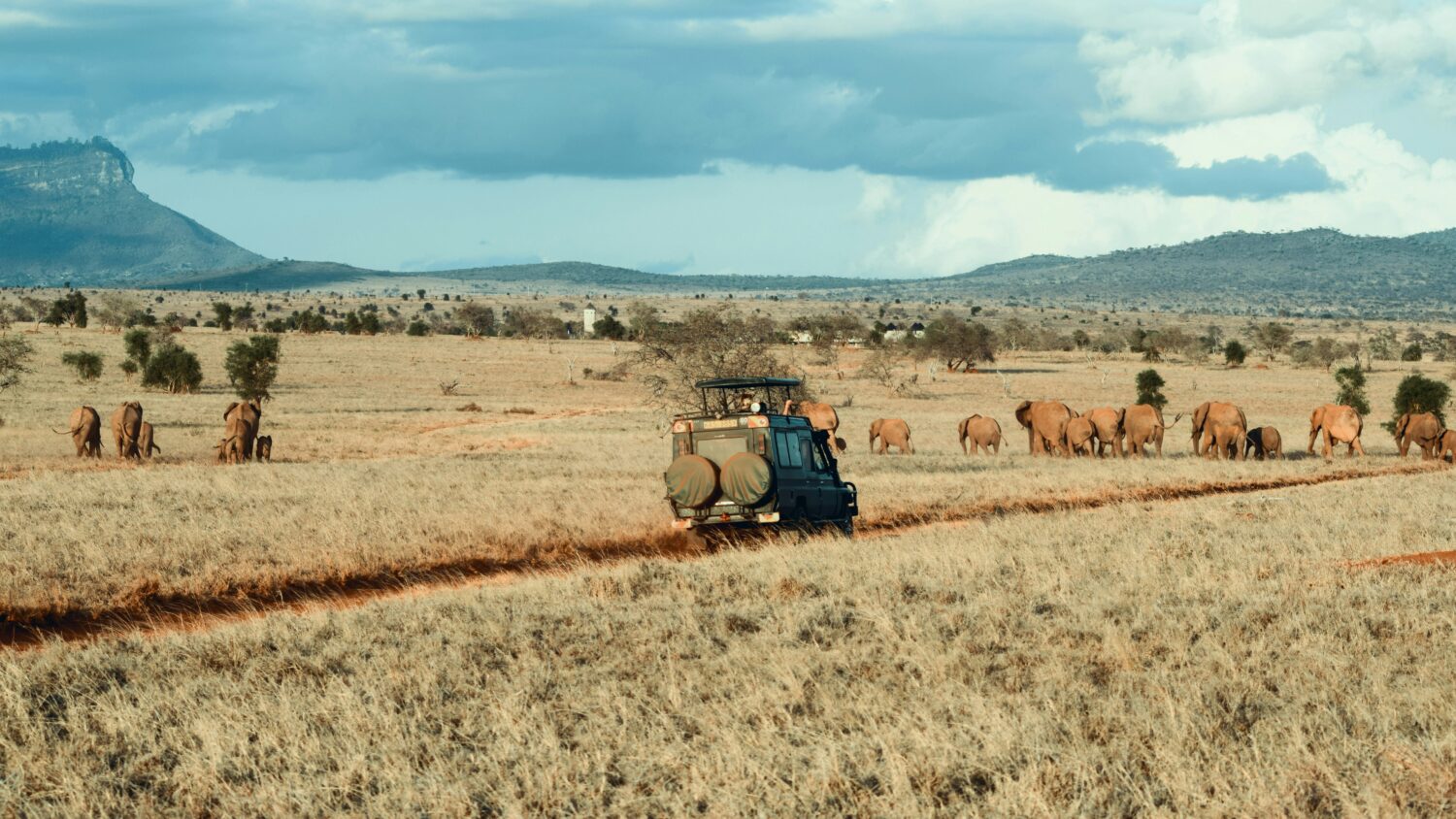
Getting around Uganda’s parks typically requires a four-wheel-drive safari vehicle, and hiring one with a driver-guide generally costs between 250 and 300 US dollars per day, or roughly 230 to 276 euros, a cost usually built into a package tour rather than paid separately by independent travelers. This figure covers the vehicle, fuel, and driver-guide services, and is typically split across all travelers in the vehicle, making it considerably more affordable per person for groups than for solo travelers.
Some itineraries, particularly those reaching more remote park sectors like Kisoro or Kihihi near Bwindi, offer the option of a domestic flight instead of a long road transfer, typically priced between 200 and 400 US dollars each way, or approximately 184 to 368 euros, which can be a worthwhile time-saver for travelers on a tighter schedule.
Total Trip Cost Breakdown by Travel Style
Bringing all these pieces together, a budget Uganda safari focused on Murchison Falls National Park without gorilla trekking, using simpler accommodation and shared group transport, typically totals around 1,000 to 1,500 US dollars per person for a short trip, or roughly 920 to 1,380 euros, making it one of the most accessible wildlife destinations available anywhere in the world at this price point.
A mid-range gorilla trekking safari, combining the mandatory permit with comfortable mid-tier lodges, private vehicle transport, and a well-rounded itinerary across several days, typically runs between 2,400 and 4,500 US dollars per person, translating to approximately 2,200 to 4,140 euros. This tier represents the most popular choice among European travelers, delivering genuine comfort alongside the core wildlife experiences without stretching into luxury pricing.
A luxury Uganda safari, incorporating premium lodges, private guiding, and often multiple primate trekking permits across both gorillas and chimpanzees, can run from 5,000 US dollars upward per person, or roughly 4,600 euros and beyond, for travelers who want every detail handled at the highest level of comfort and service.
Ways to Reduce Your Uganda Safari Budget in Euros
Traveling during the low-season months of April, May, and November brings a genuine reduction in gorilla permit pricing alongside typically lower accommodation rates, making this window particularly attractive for budget-conscious European travelers willing to trade some peak-season certainty for meaningful savings. Traveling as part of a small group rather than alone also reduces per-person costs meaningfully, since vehicle hire and driver-guide fees are shared across the group rather than borne individually. Booking gorilla and chimpanzee permits well in advance through a licensed local operator, rather than scrambling for last-minute availability, also helps avoid the premium pricing and limited options that come with late planning during peak season.
Planning Your Uganda Safari Budget with Confidence
For travelers building out a full itinerary, our guide on combining Murchison Falls with gorilla trekking in Bwindi walks through how to structure a multi-park trip efficiently, while our dedicated overview of gorilla permit booking timelines is essential reading for anyone hoping to travel during peak season without missing out on availability. Travelers planning their visa process alongside their budget should also see our guide to applying for the Uganda e-visa, which walks through the application step by step.
Ready to Plan Your Uganda Safari?
Understanding the true Uganda safari cost in euros takes some careful conversion work, but it puts you in a strong position to plan a trip that matches both your dream itinerary and your actual budget. If you are ready to turn these figures into a real, tailored Uganda safari itinerary, our team at Murchison Falls Park Safari can help you plan your parks, permits, accommodation, and transport from start to finish, with full transparency on every cost along the way. Reach out to us today, and let us help you build the safari experience that fits your budget without compromising on the moments that matter most.