
eSIM Options for Uganda Safari: Staying Connected
Staying connected during a Uganda safari has become easier than ever, and for many travelers, an eSIM has emerged as the simplest way to arrive already online without navigating an unfamiliar airport SIM booth after a long international flight. Understanding eSIM options for Uganda safari travel, how they work, what they cost, and where they make sense compared to a local physical SIM card, helps travelers make an informed choice before they even board their flight to Entebbe. This guide walks through everything a safari-bound traveler needs to know about connecting to Uganda’s mobile networks through eSIM technology.
What an eSIM Actually Is and Why It Matters for Safari Travel
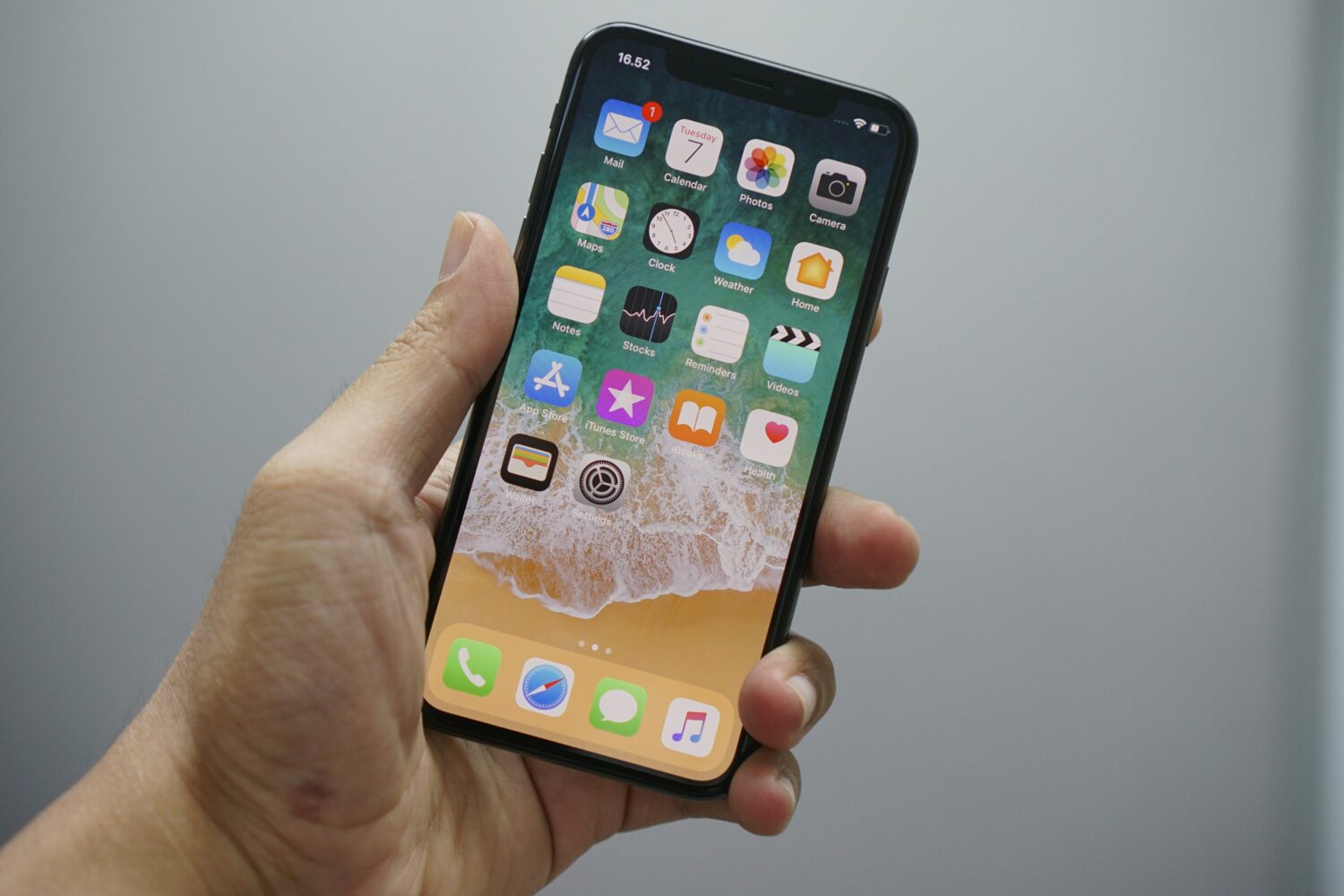
An eSIM, or embedded SIM, is a digital SIM card built directly into a smartphone rather than a physical card inserted into a tray. Instead of visiting a shop or airport kiosk to buy a plastic SIM card, travelers can purchase an eSIM plan online before departure, activate it through a QR code or an app, and have it ready to connect the moment their phone detects a signal at Entebbe International Airport. For safari travelers juggling flight fatigue, luggage, and the general disorientation of arriving somewhere new, this convenience carries real appeal, connectivity is sorted before the plane even lands.
This matters more for Uganda safari travel than it might for a typical city break, since much of a safari itinerary involves long transfers between remote lodges, early departures for game drives, and limited opportunities to sort out logistics once deep into a national park. Having connectivity settled before departure removes one more variable from a trip that already involves careful planning around permits, vaccinations, and visas.
How Uganda’s eSIM Providers Actually Work
It is worth understanding a detail that surprises many travelers researching eSIM Uganda options for the first time. Uganda’s major telecom operators, MTN Uganda and Airtel Uganda, do not typically issue their own eSIMs directly to international travelers in the way that some countries’ carriers do. Instead, third-party eSIM providers such as Airalo, Nomad, Saily, Ubigi, and Holafly build their Uganda data plans on top of these local networks, most commonly Airtel’s infrastructure, giving travelers access to the same underlying coverage a local Airtel SIM card would provide, just packaged and sold through an international eSIM platform rather than purchased in person.
This means that when evaluating a Uganda eSIM provider, the actual network performance a traveler experiences will largely depend on which local network the eSIM connects to, rather than the eSIM brand itself. Providers building their plans on Airtel’s network will inherit Airtel’s coverage patterns, generally strong in cities and increasingly solid across major tourist circuits, while a provider connecting through MTN’s infrastructure would inherit MTN’s broader rural reach, historically considered the stronger option for Uganda’s more remote national parks. Travelers with a specific safari itinerary heavy on remote parks like Kidepo Valley or the more distant sectors of Murchison Falls National Park should research which network a given eSIM provider actually uses before purchasing, rather than assuming all Uganda eSIM options perform identically.
Comparing eSIM Cost to a Local SIM Card
The single most important factor for most travelers comparing connectivity options is cost, and here the comparison is fairly clear-cut. eSIM plans for Uganda typically run significantly more expensive than a physical prepaid SIM card purchased locally, often four to five times the price for a comparable amount of data. A local SIM card bought at an MTN or Airtel booth inside Entebbe International Airport, combined with an affordable local data bundle, consistently offers the best value for travelers focused purely on cost, particularly for longer safaris where data needs add up over the course of a week or two moving between multiple parks.
That said, cost is not the only consideration worth weighing. An eSIM offers genuine convenience that a local SIM card cannot replicate: no need to find and stand in line at an airport kiosk after a long flight, no risk of losing a small physical SIM card while swapping devices or storing a home SIM safely, and immediate activation that can, depending on the provider, begin before a traveler even leaves home. For shorter trips, or for travelers who place a high value on arriving already connected, the premium an eSIM commands may well be worth paying despite the added expense compared to a local SIM.
Popular eSIM Providers for Uganda Safari Travel
Several established eSIM providers offer Uganda-specific data plans, each with slightly different strengths worth understanding before choosing one for a safari trip. Airalo has built a strong reputation as a reliable, widely used option connecting to Uganda’s networks, generally regarded as a dependable choice for travelers wanting straightforward activation and solid coverage across the country’s main tourist areas. Nomad offers a comparable service and is often considered a solid, sometimes more affordably priced alternative to Airalo, though some travelers report slightly less consistent reliability in more remote areas.
Holafly markets itself around unlimited data plans, an appealing proposition for travelers who intend to upload large volumes of photos and video throughout their trip, though prospective buyers should read the fine print carefully, since unlimited plans often come with speed reductions after a certain data threshold and may lack a clearly stated fair use policy, details worth confirming before relying on this option for an entire safari itinerary. Providers such as Saily, SimOptions, Ubigi, and Airhub round out the broader eSIM market for Uganda, though independent comparisons generally suggest these options are less price-competitive than the more established providers, worth considering only if a specific feature or existing account relationship makes one of them more convenient for a particular traveler.
Checking Device Compatibility Before You Travel
Before purchasing any eSIM plan for a Uganda trip, travelers should confirm that their specific phone model supports eSIM technology and that the device is unlocked from any home carrier restrictions. Most current-generation smartphones from major manufacturers support eSIM functionality, but older devices or certain budget models may not, and a phone locked to a home network, even one that technically supports eSIM, may refuse to activate a second, separate eSIM profile from a different provider. This is a detail worth checking well before departure, ideally with enough lead time to contact a home carrier for an unlock if needed, rather than discovering an incompatibility issue upon arrival in Uganda with no easy way to resolve it.
Activation itself is generally straightforward once compatibility is confirmed. Most providers deliver a QR code by email after purchase, which travelers scan through their phone’s settings menu to install the eSIM profile. Many providers allow this installation to happen before departure, with the plan itself only activating once the phone connects to a Ugandan network for the first time, meaning travelers can complete the entire setup process from the comfort of home rather than fumbling with settings menus at the airport.
eSIM Performance in Uganda’s National Parks
Understanding realistic expectations for eSIM performance across Uganda’s safari circuit helps travelers avoid frustration once on the ground. Coverage tends to be strong and consistent in Kampala, Entebbe, and other major towns, and generally solid across the main tourist areas of Murchison Falls National Park, Queen Elizabeth National Park, and the areas surrounding Bwindi Impenetrable Forest, where most lodges and camps are positioned along reasonably well-served routes. Signal naturally weakens in the more remote, forested, or hilly stretches of these parks, a consequence of terrain and distance from network towers rather than any failing of the eSIM itself, and this applies equally whether a traveler is using an eSIM, a local physical SIM, or roaming through a home carrier.
Gorilla trekking in Bwindi deserves particular mention here, since the dense forest canopy and hilly terrain routinely disrupt mobile signal regardless of provider, meaning travelers should not expect to post updates in real time during a trek and should instead plan to capture the experience and share it once back within range at the lodge. Setting this expectation before the trip begins prevents unnecessary frustration during what should otherwise be one of the most memorable parts of a Uganda safari.
eSIM Versus Traditional Roaming Through a Home Carrier
For travelers weighing an eSIM against simply activating international roaming through their existing home carrier, the comparison generally favors the eSIM by a considerable margin. International roaming rates for data use in Uganda through most European, North American, and Asian home carriers tend to be substantially more expensive than even the premium pricing charged by dedicated eSIM providers, and travelers who forget to disable data roaming before departure risk an unpleasant surprise on their next phone bill. An eSIM purchased specifically for the Uganda trip, activated only for the duration of travel, offers a controlled, predictable cost that most travelers find considerably easier to manage than the variable and often opaque pricing of standard international roaming.
Combining an eSIM with a Local SIM for the Best of Both Worlds
Many experienced Uganda travelers land on a hybrid approach that captures the advantages of both options. A short-term eSIM activated for the first day or two of the trip provides immediate connectivity upon arrival at Entebbe, useful for confirming transport arrangements, contacting a lodge, or simply getting oriented without needing to locate an airport SIM booth while jet-lagged. Once settled into the trip, travelers then purchase an affordable local physical SIM card, either at the airport or in Kampala, for the remainder of an extended safari, taking advantage of the significantly better value local SIM cards offer for longer-term data use.
This approach requires a phone capable of running both an eSIM and a physical SIM simultaneously, a feature increasingly common on modern smartphones, and offers a practical middle ground for travelers who want the immediate convenience of an eSIM without paying premium eSIM pricing for an entire multi-week safari itinerary.
Practical Tips for Staying Connected on Safari
Regardless of which connectivity option a traveler chooses, a few practical habits make a meaningful difference throughout a Uganda safari. Downloading offline maps before departure provides a reliable backup for navigation during stretches where signal drops, particularly useful during long transfers between parks. Carrying a portable power bank helps offset the additional battery drain that comes with heavy use of data, navigation, and photography throughout long days in the field. Confirming with each lodge in advance what Wi-Fi is available, since many properties across Murchison Falls, Queen Elizabeth National Park, and Bwindi offer complimentary Wi-Fi of varying speed and reliability, helps travelers plan realistically for when they might rely on lodge internet rather than mobile data for heavier tasks like video calls or large uploads.
Travelers should also exercise standard caution around any public or shared Wi-Fi networks encountered during a Uganda trip, using a reputable VPN for sensitive browsing or banking, a sensible practice for international travel generally rather than something unique to Uganda specifically.
Choosing the Right Option for Your Trip
Ultimately, the right connectivity choice depends on trip length, budget, and how much a traveler values convenience over cost savings. Short trips of a few days, or travelers who strongly prefer arriving already connected without any airport logistics, will likely find an eSIM well worth its premium price. Longer safaris covering multiple parks over one or two weeks will generally see better value from a local SIM card purchased at Entebbe Airport, particularly for travelers focused on photography and video who will accumulate significant data needs over the course of the trip. A hybrid approach, eSIM for the first day and a local SIM thereafter, offers a sensible compromise for travelers who want both immediate connectivity and long-term value.
Whichever option a traveler chooses, confirming device compatibility, understanding realistic coverage expectations across Uganda’s national parks, and setting expectations for connectivity during activities like gorilla trekking will ensure connectivity fits smoothly into the trip rather than becoming a source of frustration.
Travelers planning a Uganda wildlife safari are encouraged to sort out connectivity as part of their overall trip preparation. Visit murchisonfallsparksafari.com to explore tailored itineraries covering Murchison Falls National Park, Queen Elizabeth National Park, and gorilla trekking permits in Bwindi, with practical guidance available on every detail of trip planning, from documentation to staying connected throughout the journey. For more on trekking logistics and permit requirements, the site’s gorilla trekking page offers further information, and the team is available through the contact page to help build a complete, well-prepared itinerary from departure through return.