Bwindi Community Tourism: Batwa Cultural Experiences
The Bwindi community tourism Batwa cultural experiences offer one of the most meaningful cultural encounters in Uganda’s safari landscape. While Bwindi Impenetrable National Park is globally known for mountain gorilla trekking, its surrounding communities add an equally powerful human and cultural dimension to the forest experience.
The Batwa people, often referred to as the “keepers of the forest,” are the original inhabitants of Bwindi Impenetrable Forest. For centuries, they lived as hunter-gatherers, relying on the forest for food, medicine, shelter, and spiritual practices. When Bwindi was designated a national park, the Batwa were relocated to the forest edge, transforming their traditional lifestyle and creating one of the most important community tourism stories in East Africa.
Today, Bwindi community tourism Batwa cultural experiences provide visitors with an opportunity to learn about Batwa heritage, survival skills, music, storytelling, and deep cultural connections to the forest. These experiences are not only educational but also contribute directly to community livelihoods and cultural preservation.
For travelers combining gorilla trekking in Bwindi with broader Uganda safari circuits, including destinations like Murchison Falls National Park, Queen Elizabeth National Park, and Kibale Forest, Batwa cultural visits offer a powerful contrast between wildlife conservation and human heritage.
Understanding the Batwa People of Bwindi
The Batwa are one of the oldest indigenous communities in the Great Lakes region of Africa. For generations, they lived deep within the forests of southwestern Uganda, Rwanda, and the Democratic Republic of Congo. Bwindi Impenetrable Forest was one of their primary homelands.
Their traditional lifestyle was closely tied to the forest ecosystem. They hunted small game, gathered wild fruits, and used medicinal plants for healing. Their knowledge of forest ecology was extensive, allowing them to live sustainably within one of the world’s most biodiverse rainforests.
With the creation of Bwindi Impenetrable National Park in 1991, conservation priorities required the protection of mountain gorillas and forest ecosystems. As a result, the Batwa were relocated to communities outside the forest boundaries.
This transition significantly altered their way of life, making Bwindi community tourism Batwa cultural experiences an important bridge between heritage preservation and modern conservation.
What Bwindi Community Tourism Offers
Bwindi community tourism Batwa cultural experiences are designed to allow visitors to interact with Batwa communities while supporting sustainable livelihoods.
These experiences typically include guided cultural walks, traditional storytelling, music and dance performances, demonstrations of forest survival techniques, and visits to Batwa homesteads.
Visitors are guided by Batwa community members who share personal stories about life in the forest, their migration to current settlements, and how they are adapting to modern life while preserving cultural identity.
Unlike typical cultural performances, these experiences are deeply personal and rooted in real historical transitions.
Batwa Cultural Walks and Forest Heritage
One of the most powerful components of Bwindi community tourism Batwa cultural experiences is the Batwa cultural walk.
During this experience, Batwa guides lead visitors along forest-edge trails, explaining how they once lived inside Bwindi Impenetrable Forest. They demonstrate traditional hunting techniques, fire-making methods, and the use of medicinal plants.
Visitors learn how the Batwa navigated dense forest terrain, identified edible plants, and used natural materials for shelter and tools.
These walks often take place near the forest boundary, allowing visitors to visually connect Batwa heritage with the towering rainforest that once served as their home.
Traditional Music, Dance, and Storytelling
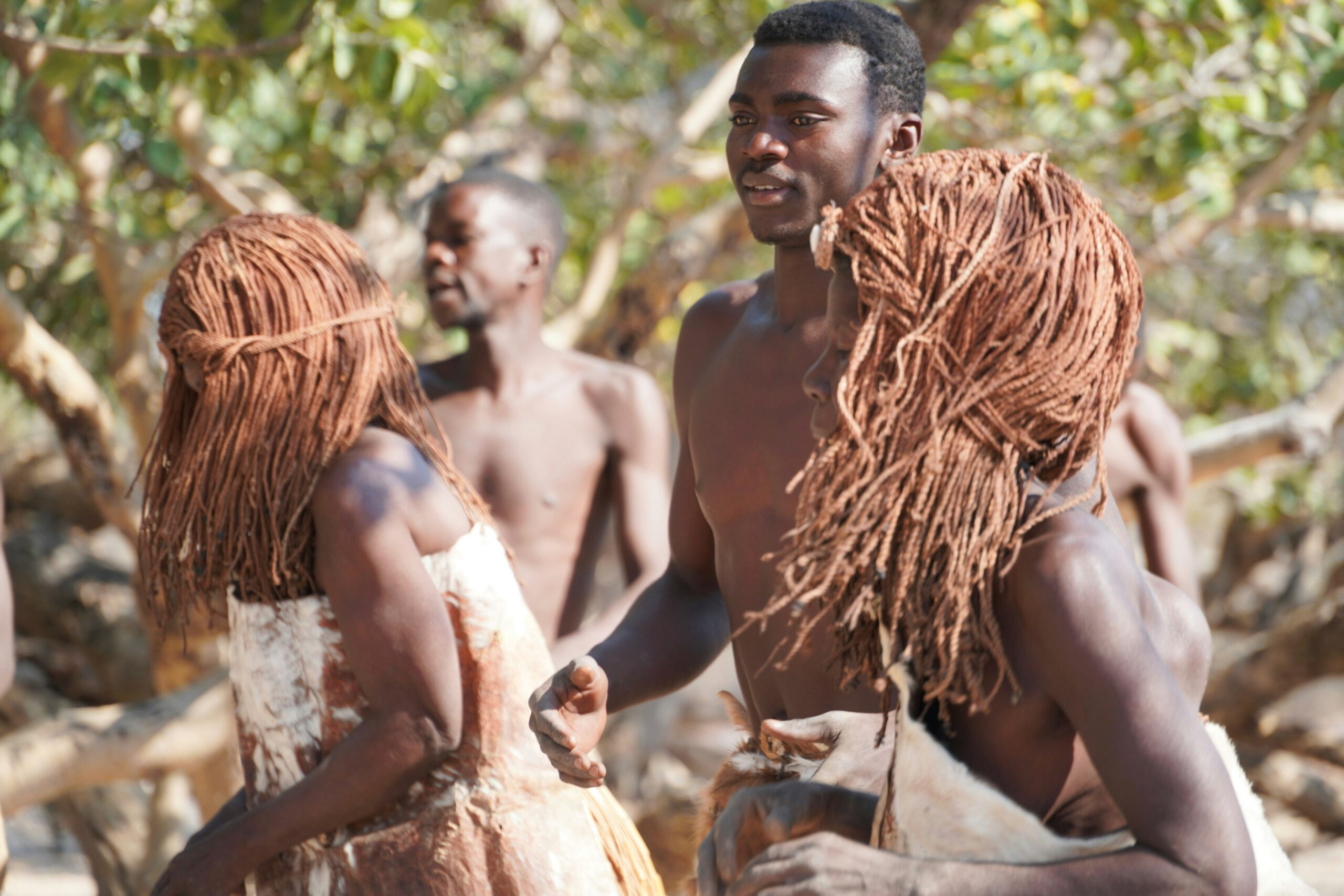
Music and storytelling are central to Batwa culture. During Bwindi community tourism Batwa cultural experiences, visitors are often welcomed with traditional songs and dances performed using handmade instruments such as drums, rattles, and flutes.
Batwa storytelling sessions share oral histories that explain their connection to the forest, ancestral beliefs, and cultural traditions passed down through generations.
These performances are not staged entertainment alone; they are cultural expressions that preserve identity and communicate history in a living format.
The emotional depth of these performances often leaves a lasting impression on visitors, especially when combined with the broader context of forest displacement and cultural resilience.
Traditional Survival Skills and Forest Knowledge
The Batwa were highly skilled forest dwellers, and Bwindi community tourism Batwa cultural experiences highlight this deep ecological knowledge.
Visitors learn how the Batwa used vines, bark, and leaves to construct shelters and tools. They also demonstrate fire-making techniques using friction methods and explain how they tracked animals for food.
Medicinal plant knowledge is another key aspect. The Batwa traditionally used forest plants to treat illnesses, injuries, and infections, relying entirely on natural remedies.
These demonstrations provide insight into sustainable living practices that existed long before modern conservation systems were introduced.
Cultural Homesteads and Community Visits
In many cases, Bwindi community tourism Batwa cultural experiences include visits to Batwa homesteads located near Bwindi Impenetrable National Park.
These visits allow travelers to see daily life, including cooking methods, craft-making, and agricultural activities. Visitors also have opportunities to interact directly with families and learn about ongoing challenges and development efforts.
Handmade crafts such as baskets, beadwork, and wood carvings are often available for purchase, providing direct economic support to Batwa households.
These interactions help bridge cultural understanding between visitors and local communities.
Importance of Community Tourism for Conservation
Bwindi community tourism Batwa cultural experiences play an important role in conservation around Bwindi Impenetrable National Park.
By generating income for local communities, tourism reduces pressure on forest resources and promotes sustainable livelihoods. It also encourages community participation in conservation efforts, especially around gorilla protection and habitat preservation.
When local communities benefit from tourism, they become active stakeholders in protecting the forest ecosystem.
This integration of cultural tourism and conservation is one of the reasons Bwindi remains a globally important conservation area.
Batwa Experiences vs Gorilla Trekking
Many travelers combine Bwindi community tourism Batwa cultural experiences with gorilla trekking in the same itinerary.
While gorilla trekking focuses on wildlife encounters with mountain gorillas, Batwa experiences focus on human history and cultural heritage.
Gorilla trekking is quiet, observational, and wildlife-centered, while Batwa experiences are interactive, expressive, and community-focused.
Together, they provide a complete understanding of Bwindi Impenetrable National Park as both a natural and cultural landscape.
Best Time to Visit Batwa Communities
Batwa cultural experiences are available throughout the year in Bwindi. However, the dry seasons from June to September and December to February are generally more comfortable for travel and walking activities.
During wet seasons, trails may be muddy, but cultural activities continue regardless of weather conditions.
Because these experiences are community-based, they are less affected by wildlife seasonal changes compared to gorilla trekking.
Accessibility and Safari Integration
Bwindi is located in southwestern Uganda and can be accessed by road from Kampala or Entebbe in approximately 8–10 hours, depending on the sector visited.
Batwa cultural experiences are usually arranged near gorilla trekking sectors such as Buhoma, Rushaga, Nkuringo, and Ruhija.
Many Uganda safari itineraries include Bwindi as part of a broader circuit that also includes Murchison Falls National Park, Queen Elizabeth National Park, and Kibale Forest.
At Murchison Falls Park Safari, we design customized itineraries that combine gorilla trekking, Batwa cultural experiences, and classic savannah safaris for a complete Uganda travel experience.
Ethical Considerations in Community Tourism
Ethical tourism is central to Bwindi community tourism Batwa cultural experiences. Visitors are encouraged to engage respectfully, listen actively, and support local initiatives.
Photography should always be done with permission, and interactions should prioritize cultural sensitivity.
Tourism revenue is typically shared with Batwa communities, supporting education, healthcare, and livelihood programs.
Responsible participation ensures that cultural tourism remains sustainable and beneficial for future generations.
Why Batwa Experiences Matter
The importance of Bwindi community tourism Batwa cultural experiences goes beyond tourism. It is about preserving cultural identity, promoting understanding, and supporting communities that have undergone significant historical change.
These experiences help keep Batwa traditions alive while providing economic opportunities and raising awareness about their heritage.
For visitors, it offers a deeper understanding of Bwindi beyond gorilla trekking, connecting wildlife conservation with human history.
Final Thoughts
Bwindi community tourism Batwa cultural experiences are a vital part of Uganda’s tourism landscape. They offer meaningful cultural engagement, historical insight, and direct community impact while complementing the region’s world-famous gorilla trekking experiences.
When combined with wildlife safaris in Murchison Falls National Park and other Uganda destinations, they create a rich and balanced travel experience that includes nature, culture, and conservation.