Lake Albert Uganda: Fishing and Wildlife Guide
Uganda is blessed with an abundance of freshwater lakes that shape its landscapes, support its wildlife, and sustain millions of people. Among these remarkable water bodies, Lake Albert Uganda stands as one of the country’s most significant natural treasures. Stretching along the western border with the Democratic Republic of the Congo, Lake Albert combines breathtaking scenery, thriving fisheries, diverse wildlife, and rich cultural heritage, making it an exceptional destination for nature lovers and safari enthusiasts.
Although many travelers associate western Uganda with Murchison Falls National Park, the mighty Nile, and mountain gorillas, Lake Albert offers a different yet equally rewarding experience. The lake forms part of the Albertine Rift Valley, one of Africa’s richest biodiversity hotspots, and serves as the final destination of the Victoria Nile after its dramatic journey through Murchison Falls. This unique connection creates an ecosystem that supports abundant aquatic life, attracts remarkable bird species, and provides livelihoods for numerous fishing communities.
Whether you are interested in birdwatching, photography, cultural experiences, fishing traditions, scenic landscapes, or combining the lake with a wildlife safari, Lake Albert Uganda offers countless opportunities to discover another side of Uganda’s natural beauty.
This comprehensive guide explores everything you need to know about Lake Albert, including its geography, wildlife, fishing industry, nearby attractions, safari activities, accommodation options, and the best ways to include the lake in your Uganda safari itinerary.
Where Is Lake Albert Located?
Lake Albert Uganda lies in the western part of the country, forming a natural boundary between Uganda and the Democratic Republic of the Congo. The lake occupies the northern section of the Albertine Rift, one of the western branches of the Great East African Rift Valley.
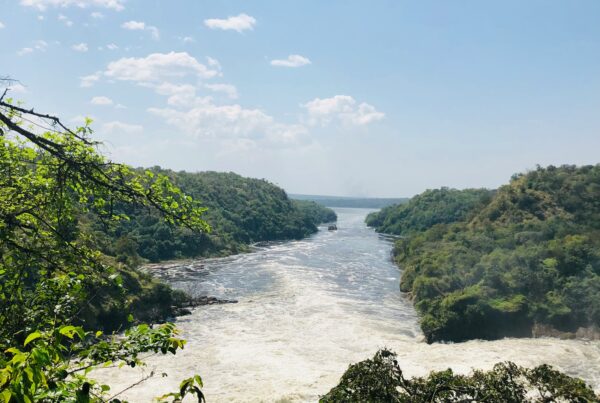
The Victoria Nile enters the lake from the north after passing through Murchison Falls National Park, while the Albert Nile begins its journey from the northern end of Lake Albert toward South Sudan. This important geographical connection makes the lake a vital component of the Nile River system.
Surrounded by the Blue Mountains of the Democratic Republic of the Congo to the west and the escarpments of the Albertine Rift in Uganda to the east, the lake presents spectacular scenery that complements its ecological importance.
The Geography and Formation of Lake Albert
Lake Albert occupies approximately 5,300 square kilometers, making it one of Uganda’s largest freshwater lakes. The lake extends for about 160 kilometers from north to south and reaches widths of up to 30 kilometers in certain sections.
Its formation resulted from tectonic activity associated with the East African Rift System, creating a deep basin surrounded by dramatic escarpments and rolling hills. The fertile soils, wetlands, river deltas, and surrounding grasslands contribute to one of the most biologically productive regions in East Africa.
The lake’s warm tropical climate supports year-round wildlife activity while creating favorable conditions for agriculture, fishing, and tourism.
Why Visit Lake Albert Uganda?
Many visitors pass near Lake Albert while traveling to or from Murchison Falls National Park, yet relatively few take time to explore the lake itself. Those who do are rewarded with peaceful landscapes, authentic cultural experiences, exceptional birdlife, and fascinating fishing communities that remain largely untouched by mass tourism.
Unlike busier safari destinations, Lake Albert Uganda offers a quieter atmosphere where travelers can experience local life, observe traditional fishing methods, and appreciate Uganda’s natural beauty without large crowds.
The combination of wildlife, scenery, and cultural authenticity makes the lake an ideal addition to a longer Uganda safari.
The Connection Between Lake Albert and Murchison Falls National Park
One of the most fascinating aspects of Lake Albert Uganda is its close relationship with Murchison Falls National Park.
After the Victoria Nile squeezes through the dramatic seven-meter-wide gorge at Murchison Falls, it continues northward before eventually flowing into Lake Albert. Along this journey, the river creates fertile floodplains, wetlands, and the famous Nile Delta, one of Uganda’s richest wildlife habitats.
The delta, located where the river enters the lake, attracts enormous concentrations of birds, crocodiles, hippos, and mammals that depend upon the permanent water supply.
Many boat safaris within Murchison Falls National Park extend toward the Nile Delta, providing visitors with outstanding opportunities to appreciate the ecological connection between the park and Lake Albert.
Wildlife Around Lake Albert
The landscapes surrounding Lake Albert Uganda support a remarkable diversity of wildlife.
Elephants frequently move through nearby conservation areas, while buffaloes, Uganda kobs, waterbucks, warthogs, and bushbucks inhabit the grasslands and wetlands bordering the lake.
The nearby sections of Murchison Falls National Park provide excellent opportunities to observe lions, leopards, giraffes, hyenas, and numerous antelope species.
Hippos spend much of the day resting in the lake and connected waterways before emerging after sunset to graze on surrounding vegetation. Nile crocodiles also inhabit the shoreline and river mouths, where they patiently wait for prey.
Because the lake supports permanent freshwater throughout the year, wildlife remains abundant regardless of seasonal rainfall.
Birdwatching at Lake Albert
For bird enthusiasts, Lake Albert Uganda represents one of Uganda’s most rewarding birdwatching destinations.
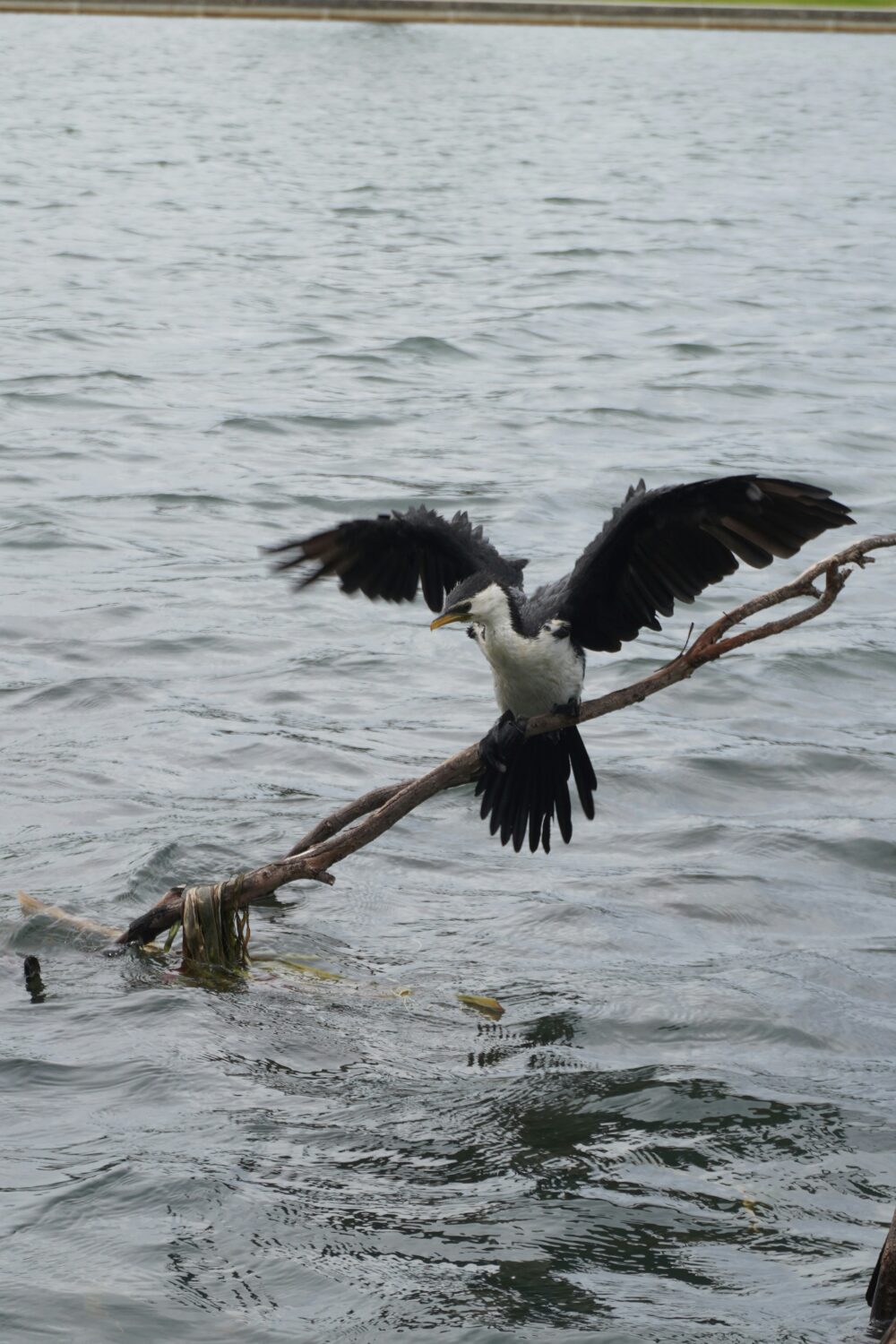
The lake, Nile Delta, wetlands, and surrounding savannahs support hundreds of resident and migratory bird species. African Fish Eagles are frequently seen soaring above the shoreline, while Pied Kingfishers hover over the water before diving to capture fish.
Visitors may also encounter Goliath Herons, Grey Herons, Great White Pelicans, Pink-backed Pelicans, African Darters, cormorants, Sacred Ibises, African Spoonbills, Yellow-billed Storks, and numerous species of egrets.
The nearby Nile Delta is particularly famous for sightings of the elusive Shoebill, one of Africa’s most sought-after bird species. Birdwatchers often combine a delta boat excursion with broader exploration of Lake Albert to maximize their species count.
Fishing on Lake Albert Uganda
Fishing has shaped the identity and economy of Lake Albert Uganda for generations.
The lake supports thriving populations of Nile Perch, Nile Tilapia, Catfish, Tigerfish, Lungfish, and several smaller freshwater species. Thousands of local families depend upon these fisheries for their livelihoods, making fishing one of the region’s most important economic activities.
Traditional wooden fishing boats continue to dominate many landing sites, where fishermen depart before dawn and return later in the day with their catches.
Visitors interested in community tourism can learn about traditional fishing techniques, net making, fish processing, and local markets through guided cultural experiences.
Although commercial fishing is carefully regulated, tourism provides an opportunity to appreciate the cultural significance of the lake without interfering with local livelihoods.
The Nile Delta Experience
The Nile Delta marks one of the most spectacular sections of Lake Albert Uganda.
Here, the Victoria Nile slows as it enters the lake, creating extensive papyrus wetlands that provide critical habitat for birds, fish, reptiles, and mammals.
Boat excursions through the delta allow visitors to explore winding channels lined with papyrus while searching for Shoebills, kingfishers, bee-eaters, crocodiles, hippos, and numerous waterbirds.
The peaceful atmosphere contrasts beautifully with the powerful rapids of Murchison Falls, providing a completely different perspective on Uganda’s most famous river.
Photographers particularly appreciate the delta’s early morning light, calm waters, and exceptional wildlife viewing opportunities.
Cultural Experiences Around Lake Albert
Communities living along the shores of Lake Albert Uganda have developed strong cultural traditions centered around fishing and the lake’s natural resources.
Guided village visits introduce travelers to traditional lifestyles, local cuisine, fishing practices, boat construction, and community conservation initiatives.
Visitors often enjoy conversations with fishermen, explore local markets, and learn how fresh fish are prepared using recipes passed down through generations.
These experiences provide valuable insight into daily life while supporting sustainable tourism that directly benefits local communities.
Photography Opportunities
The landscapes surrounding Lake Albert Uganda offer exceptional photographic opportunities throughout the day.
Sunrise transforms the calm waters into brilliant reflections of gold and orange, while evening sunsets create dramatic silhouettes of fishing boats returning to shore.
Wildlife frequently appears along the shoreline, allowing photographers to capture elephants, buffaloes, hippos, crocodiles, and abundant birdlife against spectacular natural backdrops.
The nearby escarpments of the Albertine Rift add depth and character to landscape photography, making every viewpoint unique.
Best Time to Visit Lake Albert Uganda
Lake Albert Uganda remains accessible throughout the year, but seasonal weather conditions influence wildlife viewing and travel comfort.
The dry seasons from December to February and June to September generally provide the best conditions for safari activities. Roads remain more accessible, vegetation becomes less dense, and wildlife gathers around permanent water sources.
The rainy seasons bring lush green landscapes and increased bird activity, particularly among migratory species. Photographers often appreciate the dramatic skies and vibrant scenery during these months.
Regardless of the season, the lake’s permanent water ensures excellent opportunities for wildlife viewing.
Accommodation Near Lake Albert
Visitors exploring Lake Albert Uganda can choose from a range of accommodation options in and around Murchison Falls National Park and nearby towns.
Luxury safari lodges overlooking the Nile provide exceptional comfort, fine dining, and panoramic views of the surrounding landscapes. Mid-range lodges offer comfortable rooms, warm hospitality, and convenient access to both the national park and Lake Albert.
Many travelers combine accommodation near Paraa with boat cruises to the Nile Delta, game drives, birdwatching excursions, and visits to Lake Albert’s fishing communities.
Booking through an experienced safari operator ensures accommodation matches your travel style and planned activities.
How to Reach Lake Albert
The most popular route to Lake Albert Uganda begins in Kampala, with a scenic drive north toward Murchison Falls National Park. The journey typically takes five to six hours, depending on road conditions and planned stops along the way.
Many visitors first explore the national park before continuing toward the Nile Delta and Lake Albert. Domestic charter flights from Entebbe International Airport to Pakuba or Bugungu Airstrips offer a faster alternative for travelers seeking greater convenience.
Professional safari companies coordinate transportation, accommodation, park activities, and experienced guides to create seamless travel experiences.
Combine Lake Albert with Other Uganda Safari Destinations
A visit to Lake Albert Uganda combines perfectly with several of Uganda’s leading safari attractions.
Travelers often begin in Murchison Falls National Park, where game drives, boat cruises, nature walks, and chimpanzee tracking in Budongo Forest provide unforgettable wildlife encounters. Many then continue to Kibale National Park for chimpanzee trekking or travel south to Queen Elizabeth National Park and Bwindi Impenetrable National Park for gorilla trekking.
This combination showcases Uganda’s extraordinary diversity, from mighty rivers and freshwater lakes to tropical rainforests and vast savannahs.
Explore Lake Albert with Murchison Falls Park Safari
At Murchison Falls Park Safari, we specialize in creating personalized Uganda safari experiences that showcase the country’s most spectacular natural attractions. Our expertly designed itineraries include visits to Lake Albert Uganda, Murchison Falls National Park, the Nile Delta, Budongo Forest, Queen Elizabeth National Park, Bwindi Impenetrable National Park, and many other remarkable destinations.
Whether your interests include wildlife photography, birdwatching, fishing communities, boat cruises, or luxury safari holidays, our experienced team will design an itinerary that matches your travel goals.
Visit Murchison falls park safari to discover our Uganda safari packages and begin planning an unforgettable journey through the Pearl of Africa.