Murchison Falls Conservation Status: Threats and Efforts
The Murchison Falls conservation status is one of the most important topics for understanding Uganda’s largest and most visited national park. As a protected area within Murchison Falls National Park, the ecosystem plays a critical role in conserving Uganda’s biodiversity, supporting wildlife populations, and sustaining the ecological balance of the Nile River system.
Covering nearly 3,893 square kilometers, Murchison Falls National Park is home to elephants, lions, giraffes, buffaloes, hippos, crocodiles, and more than 450 bird species. It also protects riverine forests, savannah ecosystems, and wetlands that support both wildlife and surrounding communities.
However, like many protected areas in Africa, the park faces conservation challenges that require continuous management, investment, and community engagement. At the same time, strong conservation efforts led by the Uganda Wildlife Authority (UWA), tourism operators, and local communities have helped stabilize and, in some cases, improve wildlife populations.
Understanding the conservation status of Murchison Falls National Park is essential for appreciating not only its wildlife but also the long-term sustainability of Uganda’s tourism industry.
Current Conservation Status of Murchison Falls National Park
Murchison Falls National Park is currently classified as a protected conservation area under the management of the Uganda Wildlife Authority. It is part of Uganda’s national park system and is recognized internationally as a key biodiversity hotspot within the Albertine Rift region.
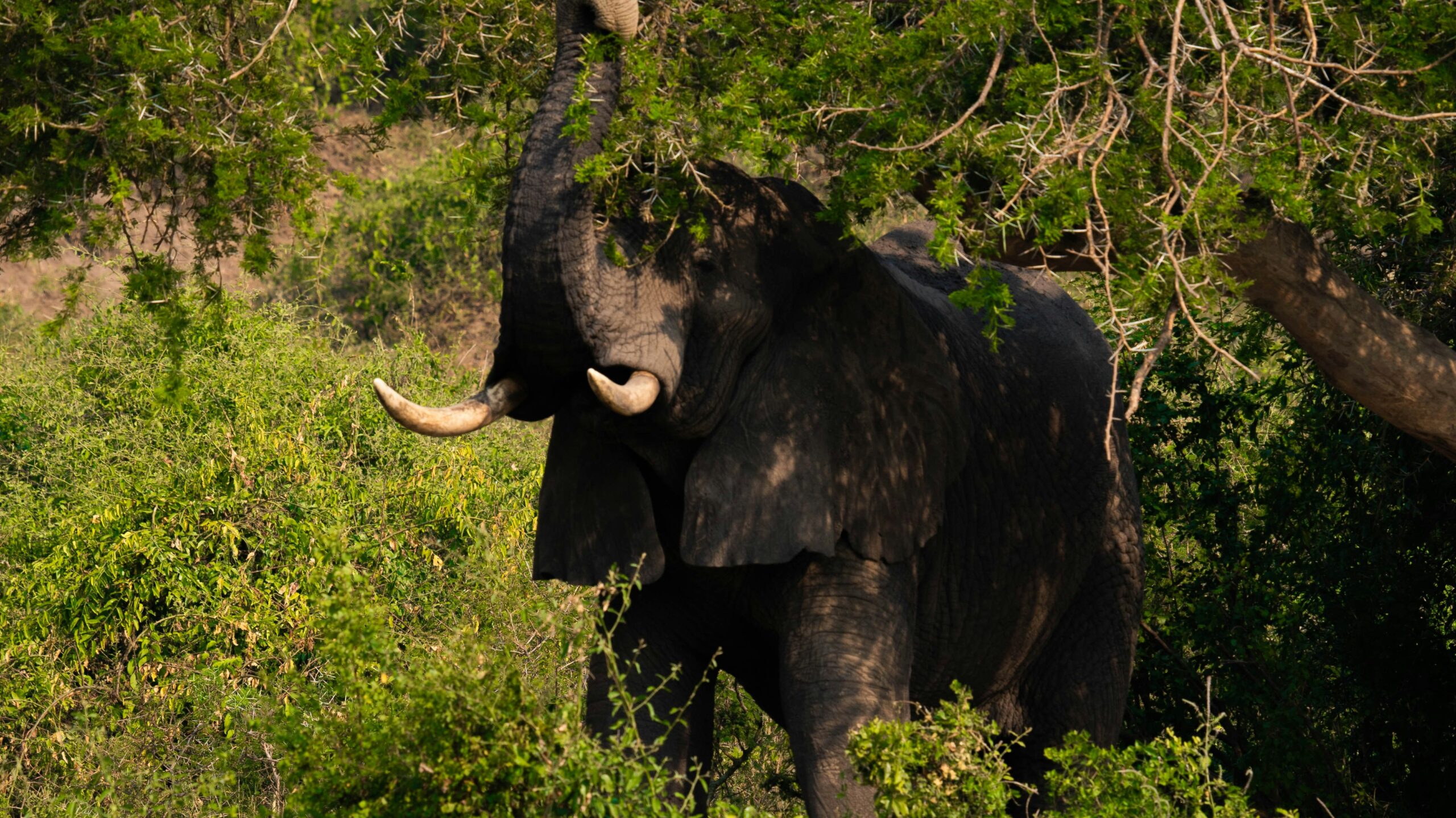
The park’s conservation status is generally considered stable, with some wildlife populations showing recovery due to improved anti-poaching measures and tourism-driven protection. Species such as elephants, giraffes, and buffaloes have maintained healthy populations, while lion numbers have shown gradual recovery in certain sectors.
The presence of the Nile River enhances ecological stability by providing permanent water sources that support year-round wildlife distribution.
Despite this positive status, ongoing pressures continue to affect ecosystem balance, requiring constant monitoring and intervention.
Major Threats Facing Murchison Falls National Park
The Murchison Falls conservation status is influenced by several key threats that impact wildlife, habitats, and ecological stability.
One of the primary challenges is poaching and illegal wildlife trade. Although significantly reduced compared to past decades, poaching still occurs in some areas, targeting species such as antelopes, buffaloes, and occasionally larger mammals. Illegal fishing activities along the Nile also affect aquatic ecosystems, particularly hippos and crocodiles.
Another major threat is human-wildlife conflict. Communities living near the park boundaries sometimes experience crop raiding by elephants or livestock predation by carnivores. This can lead to retaliatory actions that negatively affect wildlife populations.
Habitat encroachment is also a concern in surrounding areas. As human populations grow, pressure increases on land for agriculture, settlement, and resource extraction. This can reduce buffer zones around the park and disrupt wildlife corridors.
Oil exploration activities in the Albertine Rift region have also raised environmental concerns. While development is regulated, infrastructure expansion can potentially fragment habitats if not carefully managed.
Finally, climate variability affects seasonal water levels, vegetation growth, and wildlife movement patterns, indirectly influencing the overall ecological balance of the park.
Wildlife Protection and Anti-Poaching Efforts
Despite these challenges, the conservation status of Murchison Falls National Park has improved significantly due to strong anti-poaching initiatives.
The Uganda Wildlife Authority has implemented patrol systems, surveillance technology, and ranger training programs that help protect wildlife across the park. Regular patrols cover both the northern and southern sectors, with increased focus on high-risk areas near park boundaries and river corridors.
Community intelligence networks also play a vital role in reporting illegal activities. These combined efforts have led to a reduction in large-scale poaching incidents and improved survival rates for key species.
In recent years, elephant populations have stabilized, and sightings of lions and leopards have become more consistent in certain areas of Murchison Falls National Park.
Role of Tourism in Conservation
Tourism is one of the most important factors supporting the Murchison Falls conservation status. Revenue generated from park entry fees, boat cruises, game drives, and lodge operations directly contributes to wildlife protection and park management.
Safari tourism creates economic incentives for conservation by demonstrating that living wildlife is more valuable than poaching or habitat destruction. This model has helped transform Murchison Falls National Park into a sustainable conservation and tourism destination.
Tour operators and lodges also support conservation through partnerships with local communities, funding education programs, and supporting anti-poaching initiatives.
Responsible tourism ensures that wildlife habitats are preserved while still allowing visitors to experience the park’s natural beauty.
Community Involvement in Conservation
Local communities play a critical role in the long-term conservation status of Murchison Falls National Park. Many surrounding communities depend on agriculture, fishing, and tourism-related employment.
Community conservation programs help reduce conflict between humans and wildlife by promoting alternative livelihoods, conservation education, and revenue-sharing schemes.
When communities benefit from tourism, they are more likely to support wildlife protection and report illegal activities. This creates a positive feedback loop that strengthens conservation outcomes.
Education initiatives also help raise awareness about the importance of biodiversity and ecosystem protection.
Habitat Conservation and Ecosystem Management
The ecological diversity of Murchison Falls National Park requires active habitat management to maintain balance between savannah, forest, wetland, and river ecosystems.
Controlled burning is sometimes used to manage grassland regeneration and prevent uncontrolled wildfires. This helps maintain grazing areas for herbivores such as Uganda kob, buffaloes, and giraffes.
Wetland protection along the Nile is also essential for maintaining fish populations and supporting species such as hippos and crocodiles.
Forest areas, particularly in the southern sector and Budongo Forest, are protected to preserve chimpanzee habitats and bird diversity.
These ecosystem management practices contribute to the overall resilience of the park.
Conservation of the Nile Ecosystem
The Victoria Nile is central to the Murchison Falls conservation status. It supports aquatic life, regulates wildlife distribution, and provides essential water resources for the entire park.
Protecting the Nile involves managing fishing practices, controlling pollution, and regulating tourism activities such as boat cruises.
The river also supports hippo populations, crocodiles, and bird species that depend on aquatic habitats. Maintaining water quality and flow is essential for ecological balance.
Murchison Falls itself is also a protected geological feature, ensuring that tourism does not negatively impact its structural integrity.
Wildlife Population Trends
Wildlife populations in Murchison Falls National Park have shown mixed but generally positive trends over recent years.
Elephant populations have stabilized due to improved anti-poaching enforcement. Giraffe populations have increased in some areas due to successful conservation programs. Buffaloes remain abundant, particularly in the northern savannah plains.
Predator populations, including lions and leopards, are slowly recovering, although they remain sensitive to habitat changes and human disturbance.
Hippos and crocodiles along the Nile remain stable due to permanent water availability.
Bird populations continue to thrive, making the park one of Uganda’s most important birding destinations.
Conservation Challenges Ahead
Despite progress, the Murchison Falls conservation status still faces long-term challenges.
Population growth around park boundaries increases pressure on land and natural resources. Infrastructure development, including roads and potential oil projects, requires careful environmental planning to avoid habitat fragmentation.
Climate change may also affect rainfall patterns, vegetation growth, and water levels in the Nile, indirectly influencing wildlife distribution.
Sustaining conservation success will require continued investment in ranger operations, community engagement, and sustainable tourism practices.
The Role of Responsible Tourism
Visitors play an important role in supporting the conservation of Murchison Falls National Park. Choosing responsible safari operators, respecting park rules, and minimizing environmental impact all contribute to long-term protection efforts.
Eco-friendly lodges, regulated game drives, and controlled boat cruises ensure that tourism does not disrupt wildlife behavior or habitats.
Every safari experience contributes directly to conservation funding, making tourism a key pillar of the park’s survival.
Final Thoughts
The Murchison Falls conservation status reflects both the challenges and successes of wildlife protection in Uganda. While threats such as poaching, habitat pressure, and environmental change remain, strong conservation frameworks, tourism revenue, and community involvement have helped maintain a stable and thriving ecosystem.
Murchison Falls National Park remains one of Africa’s most important conservation areas, balancing ecological protection with sustainable tourism development.
Its continued success depends on collaboration between authorities, communities, tour operators, and visitors who value and support its preservation.