Murchison Falls vs Kidepo Valley: Remote Safari Comparison
Choosing between Murchison Falls National Park and Kidepo Valley National Park is one of the most fascinating decisions when planning a Uganda safari. Both destinations are exceptional, but they deliver completely different safari experiences shaped by geography, accessibility, wildlife density, landscapes, and overall remoteness.
The comparison of Murchison Falls vs Kidepo Valley is essentially a choice between Uganda’s most versatile and accessible major safari park versus its most remote and untouched wilderness. One offers a complete safari ecosystem with rivers, waterfalls, game drives, boat cruises, and chimpanzee trekking nearby. The other offers vast isolation, dramatic mountain scenery, and one of the most pristine savannah landscapes in Africa.
Understanding these differences is essential for travelers who want to choose the right safari experience based on time, budget, travel style, and expectations.
Understanding Murchison Falls National Park
Murchison Falls National Park is Uganda’s largest and most visited protected area, covering approximately 3,893 square kilometers. It is defined by the powerful Victoria Nile, which cuts through the park and forms the iconic Murchison Falls, where the river forces itself through a narrow seven-meter gorge before plunging into the Devil’s Cauldron.
The park is known for its diversity. The northern sector features open savannah plains ideal for game drives, while the southern sector offers riverine forests, scenic escarpments, and access to Budongo Forest for chimpanzee trekking. The Nile adds a unique aquatic dimension with boat cruises showcasing hippos, crocodiles, and aquatic birds.
Wildlife includes elephants, lions, giraffes, buffaloes, leopards, hippos, crocodiles, and more than 450 bird species. This combination makes Murchison Falls National Park one of the most complete safari destinations in East Africa.
It is also relatively easy to access from Kampala or Entebbe, making it suitable for short and mid-length safaris.
Understanding Kidepo Valley National Park
Kidepo Valley National Park is located in the far northeastern corner of Uganda, bordering South Sudan and Kenya. Covering approximately 1,442 square kilometers, it is one of the most remote and least visited national parks in East Africa.
Unlike Murchison Falls, Kidepo is defined by isolation. The park sits in a semi-arid landscape surrounded by rugged mountains, open savannah, and vast dry valleys. The Narus Valley and Kidepo Valley are the main wildlife zones, offering sweeping views that stretch endlessly into the horizon.
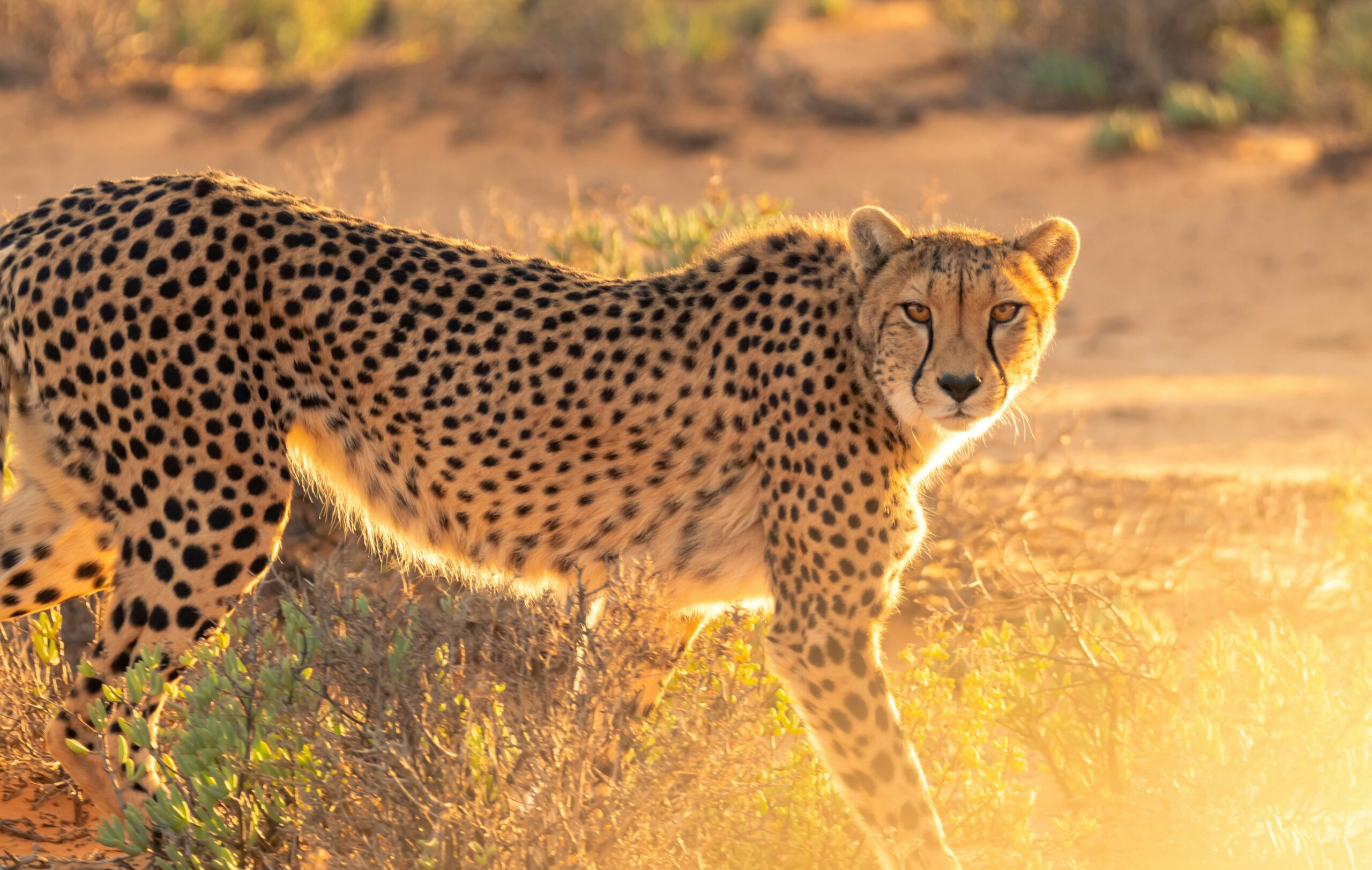
Despite its remoteness, Kidepo is home to impressive wildlife populations including elephants, lions, leopards, cheetahs (rare in Uganda), buffaloes, giraffes, zebras, ostriches, and numerous antelope species. Birdlife is also rich, with species adapted to arid environments.
What makes Kidepo Valley National Park unique is not just its wildlife, but its sense of untouched wilderness. It feels far removed from modern tourism circuits, offering solitude and raw natural beauty.
Accessibility: Convenience vs Remote Adventure
One of the biggest differences in the Murchison Falls vs Kidepo Valley comparison is accessibility.
Murchison Falls National Park is easily accessible by road in about 5–6 hours from Kampala or Entebbe. The journey is straightforward, with multiple entry gates and well-established safari routes. The park also has airstrips, making fly-in safaris convenient for luxury travelers.
Kidepo Valley National Park, however, is much more remote. The road journey from Kampala can take 10–12 hours or more, depending on the route and stops. Although flights are available to Kidepo Airstrip, they are less frequent and more expensive.
This makes Murchison Falls suitable for short safaris and first-time visitors, while Kidepo is better suited for travelers seeking a true off-the-grid wilderness experience.
Wildlife Comparison: Diversity vs Rarity
Both parks offer exceptional wildlife, but in very different contexts.
In Murchison Falls National Park, wildlife diversity is extremely high. The park supports the Big Five (excluding rhinos unless combined with Ziwa Rhino Sanctuary), along with hippos, crocodiles, and over 450 bird species. Game drives frequently produce sightings of elephants, lions, giraffes, buffaloes, and antelope species across open savannah plains.
Wildlife viewing is generally consistent and accessible due to the park’s layout and water availability along the Nile.
In Kidepo Valley National Park, wildlife is more specialized and concentrated in specific valleys. While animals are fewer in number compared to Murchison, sightings often feel more exclusive. Large buffalo herds are a signature feature, sometimes numbering in the thousands. Lions are commonly seen, and cheetahs—rare elsewhere in Uganda—can occasionally be spotted.
Kidepo also offers species not commonly seen in other Ugandan parks, making it a unique ecological zone.
In summary, Murchison offers broader diversity, while Kidepo offers rare and isolated encounters.
Landscape Experience: River Ecosystem vs Arid Wilderness
The landscapes of the two parks are dramatically different and define the entire safari experience.
Murchison Falls National Park is shaped by the Nile River. It combines savannah plains, riverine forests, wetlands, and dramatic waterfalls. The highlight is the Murchison Falls themselves, one of the most powerful natural water features in Africa.
Boat cruises along the Nile add another layer of landscape experience, allowing visitors to see the park from water level.
In contrast, Kidepo Valley National Park offers vast open valleys framed by mountain ranges. The scenery is dry, rugged, and extremely expansive. The Narus Valley is lush during rainy seasons, while the Kidepo Valley is more arid and remote.
The sense of space in Kidepo is unmatched in Uganda, often giving visitors the feeling of complete isolation in the wilderness.
Safari Activities: Variety vs Simplicity
Murchison Falls National Park offers a wide range of safari activities. Game drives are the core experience, but visitors can also enjoy boat cruises on the Nile, chimpanzee trekking in nearby Budongo Forest, hiking to the Top of the Falls, birdwatching, and sport fishing.
This variety makes it ideal for multi-experience safaris where travelers want both land and water-based activities.
In Kidepo Valley National Park, activities are more focused on game drives and cultural interactions with the Karamojong people. Walking safaris are also possible in designated areas. However, there are no boat cruises or chimpanzee trekking opportunities within the park.
Kidepo offers a more traditional and raw safari experience, while Murchison offers a more diverse tourism package.
Accommodation Experience
Accommodation in Murchison Falls National Park ranges from luxury riverside lodges to midrange safari camps. Many lodges are located near the Nile or game drive circuits, offering comfort, accessibility, and scenic views. Options include Nile Safari Lodge, Paraa Safari Lodge, Baker’s Lodge, and Pakuba Safari Lodge.
In Kidepo Valley National Park, accommodation is fewer in number but highly scenic. Lodges are often located on hilltops or overlooking valleys, offering panoramic wilderness views. Lodges such as Apoka Safari Lodge provide exclusive, high-end experiences in complete isolation.
While Murchison offers variety and accessibility, Kidepo offers exclusivity and solitude.
Tourism Experience: Popular Safari vs Untouched Wilderness
Murchison Falls National Park is Uganda’s most visited park. It has well-developed tourism infrastructure, regular safari traffic, and established routes. This makes it ideal for first-time safari travelers or those seeking a comfortable, structured experience.
Kidepo Valley National Park receives far fewer visitors due to its remote location. This creates a sense of exclusivity and untouched wilderness. Visitors often feel like they have the entire park to themselves.
The difference lies in tourism intensity: Murchison is accessible and active, while Kidepo is remote and quiet.
Which Park Is Better for First-Time Visitors?
For first-time safari travelers, Murchison Falls National Park is usually the better choice. It offers easier access, more wildlife diversity, boat cruises, waterfalls, and a wide range of activities.
Kidepo Valley National Park is better suited for experienced travelers, photographers, and adventure seekers who want to explore one of Africa’s last true wilderness areas.
Can You Combine Murchison Falls and Kidepo?
Yes, combining both parks is possible and creates one of Uganda’s most diverse safari circuits. Travelers can experience the river systems and wildlife density of Murchison Falls, then transition to the remote wilderness of Kidepo for a completely different safari atmosphere.
However, due to distance, this combination requires careful planning and longer travel time.
At Murchison Falls Park Safari, we design tailored itineraries that balance both destinations depending on time, budget, and travel preferences.
Explore safari options at www.murchisonfallsparksafari.com, including guides such as Murchison Falls National Park Complete Visitor Guide, Best Time to Visit Murchison Falls National Park, Murchison Falls vs Kibale National Park, Top Things to Do in Murchison Falls National Park, and Budongo Forest Chimpanzee Trekking.
Final Verdict: Murchison Falls vs Kidepo Valley
The choice between Murchison Falls vs Kidepo Valley depends entirely on the type of safari experience you want.
If you prefer variety, accessibility, boat cruises, waterfalls, and consistent wildlife viewing, Murchison Falls National Park is the ideal destination.
If you prefer remote wilderness, dramatic landscapes, and fewer tourists, Kidepo Valley National Park offers one of Africa’s most untouched safari experiences.
Both parks are exceptional, but they serve different travel styles and expectations.