Safari Etiquette: Rules for Respectful Wildlife Viewing
A safari in Uganda is not just a holiday activity; it is an immersion into one of the world’s most fragile and carefully balanced ecosystems. In places like Murchison Falls National Park, wildlife roams freely across vast savannahs, riverbanks, and forests, living according to natural rhythms that have existed for thousands of years. Visitors enter this environment as guests, not controllers, and the way they behave directly influences the wellbeing of animals, the safety of guides, and the overall quality of the experience.
Understanding safari etiquette rules for respectful wildlife viewing is essential for every traveler. These guidelines are not restrictive rules designed to limit enjoyment; instead, they exist to preserve the authenticity of the safari experience while protecting wildlife and ensuring that future generations can enjoy the same encounters.
At Murchison Falls Park Safari, we emphasize responsible tourism in every itinerary we design, ensuring that guests experience Uganda’s wilderness in a way that respects both nature and local communities.
Why Safari Etiquette Matters in Murchison Falls National Park
Murchison Falls National Park is Uganda’s largest and most diverse protected area, home to elephants, lions, giraffes, buffaloes, hippos, crocodiles, and hundreds of bird species. The park also includes fragile ecosystems along the Nile River and surrounding savannahs that depend on minimal human disturbance.
When visitors fail to follow proper safari etiquette, wildlife behavior can be disrupted. Animals may become stressed, alter their natural movement patterns, or avoid frequently visited areas. Over time, this reduces the quality of wildlife viewing for everyone.
Respectful behavior ensures that animals remain wild, safe, and observable in their natural environment. It also protects visitors by minimizing risky encounters, especially with large predators and territorial species.
In essence, good safari etiquette preserves the balance between human curiosity and natural harmony.
Respecting Wildlife Distance at All Times
One of the most important principles of respectful wildlife viewing is maintaining a safe and appropriate distance from animals. In national parks like Murchison Falls, animals are not accustomed to human interaction in the way they might be in controlled environments.
Approaching too closely can cause animals to feel threatened or stressed, which may lead to defensive behavior. This is especially important when observing elephants, buffaloes, lions, and hippos, which can become dangerous if they perceive intrusion.
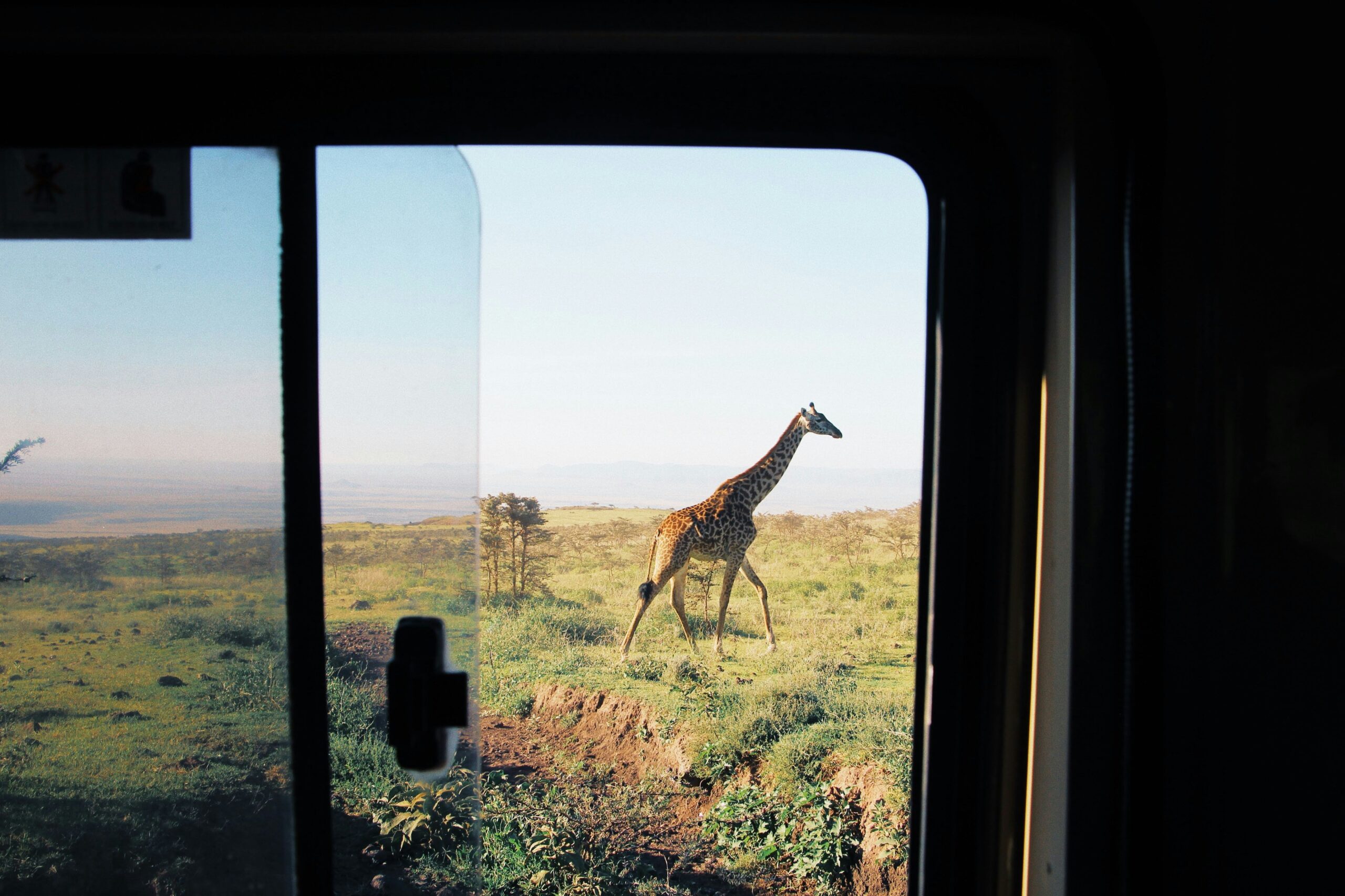
Safari vehicles are designed to observe wildlife without interfering with their natural space. Experienced guides know how close is safe and when to adjust positioning for both safety and viewing quality.
Respecting distance also enhances the authenticity of the experience. Observing animals behaving naturally, without interference, is one of the core values of a true African safari.
Maintaining Silence and Reducing Noise Pollution
Sound plays a critical role in wildlife behavior. In Murchison Falls National Park, animals rely heavily on hearing to detect predators, locate prey, and communicate within their groups. Excessive noise from visitors can disrupt these natural processes.
Talking loudly, shouting, or playing music during game drives can disturb wildlife and reduce chances of sightings. Even subtle sounds inside a safari vehicle can affect animal behavior, especially for sensitive species like leopards or birds.
A quiet safari experience often results in better wildlife encounters. Animals are more likely to remain calm and continue their natural behavior when they do not perceive human disturbance.
Respectful silence also allows travelers to fully absorb the sounds of the wilderness, from distant lion calls to the rustling of elephants moving through grasslands. These natural sounds define the essence of safari etiquette in Uganda.
Following Guide Instructions Without Exception
Professional safari guides play an essential role in ensuring safe and responsible wildlife viewing. In destinations like Murchison Falls National Park, guides are trained in animal behavior, park regulations, and safety protocols.
Following their instructions is one of the most important aspects of safari etiquette rules for respectful wildlife viewing. Guides know when to approach animals, when to keep distance, and when to leave an area entirely.
Ignoring guide instructions can put both visitors and wildlife at risk. For example, getting out of a vehicle in unsafe areas or attempting to attract animals can lead to dangerous situations.
Trusting the expertise of your guide ensures a smooth, safe, and rewarding safari experience. It also contributes to conservation efforts by ensuring that tourism activities remain controlled and sustainable.
Avoiding Feeding or Interfering with Wildlife
Feeding wild animals is strictly prohibited in all Ugandan national parks, including Murchison Falls National Park. Wildlife must remain self-sufficient and maintain natural foraging behaviors.
When animals are fed by humans, they can become dependent, aggressive, or lose their natural fear of people. This can lead to dangerous encounters and long-term ecological imbalance.
Even indirect interference, such as leaving food waste or attempting to attract animals for closer viewing, can have negative consequences.
Respectful safari behavior means observing wildlife without altering their natural routines in any way. This principle protects both animals and visitors.
Responsible Photography Practices
Photography is one of the highlights of any safari experience, especially in visually stunning locations like Murchison Falls. However, ethical photography is an important part of safari etiquette rules for respectful wildlife viewing.
Using flash photography near animals is discouraged because it can startle or disturb them, particularly at night or during close encounters. Sudden bursts of light may interrupt feeding, resting, or hunting behavior.
Photographers should also avoid obstructing others’ views or asking guides to reposition vehicles in ways that stress animals.
The best wildlife photography comes from patience and respect. Allowing animals to behave naturally results in more authentic and powerful images that capture the true essence of the African wilderness.
Staying Inside the Safari Vehicle
In most game viewing situations within Murchison Falls National Park, visitors are required to remain inside their safari vehicles unless instructed otherwise by a guide.
Vehicles provide a safe barrier between humans and potentially dangerous wildlife. Exiting vehicles in unauthorized areas can be extremely risky, particularly in zones where lions, elephants, or buffaloes are present.
Even when animals appear calm or distant, their behavior can change quickly. Respecting this rule is a fundamental aspect of wildlife viewing etiquette in Africa.
Designated areas such as lodges or picnic sites are the only safe environments for movement outside vehicles.
Respecting Park Rules and Conservation Regulations
National parks operate under strict conservation guidelines designed to protect ecosystems and wildlife populations. In Uganda, these rules are enforced by the Uganda Wildlife Authority.
Visitors must adhere to designated driving routes, speed limits, and restricted zones within the park. These regulations are not arbitrary; they are carefully designed to minimize environmental impact and ensure visitor safety.
In Murchison Falls National Park, certain areas may be closed temporarily for conservation or wildlife protection reasons. Respecting these restrictions ensures the long-term sustainability of the park.
Responsible tourism is built on cooperation between visitors, guides, and conservation authorities.
Respecting Other Safari Travelers
A safari is a shared experience. Multiple vehicles may gather at wildlife sightings, especially around popular animals such as lions or elephants.
Respectful behavior toward other travelers is an important part of safari etiquette rules for respectful wildlife viewing. This includes avoiding blocking other vehicles, limiting time at sightings when others are waiting, and maintaining courteous communication.
Everyone shares the same goal of experiencing wildlife in its natural state. Cooperation ensures that all visitors have equal opportunities for observation and photography.
Understanding Wildlife Behavior and Timing
Wildlife behavior in Murchison Falls National Park changes throughout the day. Early mornings and late afternoons are often the most active periods for predators and grazers.
Understanding these natural rhythms enhances safari experiences and improves respect for wildlife space. Approaching animals during sensitive periods, such as feeding or resting times, should always be done with caution.
Respectful viewing involves patience and observation rather than interference. Allowing animals to move freely within their natural cycles is central to ethical safari tourism.
Minimizing Environmental Impact During Safaris
Environmental awareness is an essential part of responsible travel. Visitors are encouraged to avoid littering, stick to designated tracks, and minimize disruption to vegetation and habitats.
Even small actions can have long-term effects on ecosystems. Driving off-road, for example, can damage grasslands and disturb hidden wildlife habitats.
In protected areas like Murchison Falls National Park, maintaining environmental integrity ensures that future generations can continue to enjoy the same landscapes and wildlife experiences.
Cultural Respect During Safari Experiences
Many safaris in Uganda include encounters with local communities near national parks. Respecting cultural traditions, asking permission before photographing people, and engaging politely with communities are important aspects of overall safari etiquette.
Uganda’s cultural diversity adds depth to wildlife experiences, and respectful interaction enhances both visitor experience and community relationships.
The Role of Sustainable Tourism in Safari Etiquette
Modern safari travel is closely tied to conservation and sustainability. By following safari etiquette rules for respectful wildlife viewing, travelers directly contribute to protecting ecosystems and supporting local economies.
Tourism revenue helps fund conservation programs, anti-poaching efforts, and community development initiatives around Murchison Falls National Park.
Responsible behavior ensures that tourism remains a positive force for both wildlife and people.
Creating Meaningful Safari Experiences Through Respect
The most memorable safari experiences are not defined by how close you get to animals, but by how naturally those animals behave in your presence. Respectful observation allows travelers to witness authentic wildlife interactions, from predator-prey dynamics to family bonding among elephants and giraffes.
A respectful safari is not only safer but also more rewarding. It creates deeper emotional connections with nature and fosters a greater appreciation for conservation.
Plan a Responsible Safari with Murchison Falls Park Safari
Understanding safari etiquette rules for respectful wildlife viewing is essential for every traveler visiting Uganda. These principles ensure that wildlife remains protected, ecosystems stay balanced, and safari experiences remain authentic and meaningful.
At Murchison Falls Park Safari, we are committed to responsible tourism practices that prioritize conservation, safety, and ethical wildlife viewing. Our guided safaris in Murchison Falls National Park are designed to give travelers immersive experiences while respecting the natural environment.
To plan a responsible and unforgettable Uganda safari, visit Murchison falls park safari.