Uganda Gorilla Habituation Experience vs Trekking
Understanding the difference between the Uganda Gorilla Habituation Experience vs Trekking is essential for anyone planning a gorilla safari in Uganda. Both experiences offer life-changing encounters with mountain gorillas in their natural rainforest habitat, but they differ significantly in duration, intensity, cost, and level of immersion.
Uganda is one of only three countries in the world where mountain gorillas can be seen in the wild, with the majority found in Bwindi Impenetrable National Park and Mgahinga Gorilla National Park. These protected forests offer carefully managed tourism experiences designed to protect gorillas while allowing visitors to observe them responsibly.
For travelers combining gorilla trekking with other safari experiences such as a Murchison Falls National Park safari, choosing between trekking and habituation helps shape the overall Uganda safari experience.
What Is Gorilla Trekking in Uganda
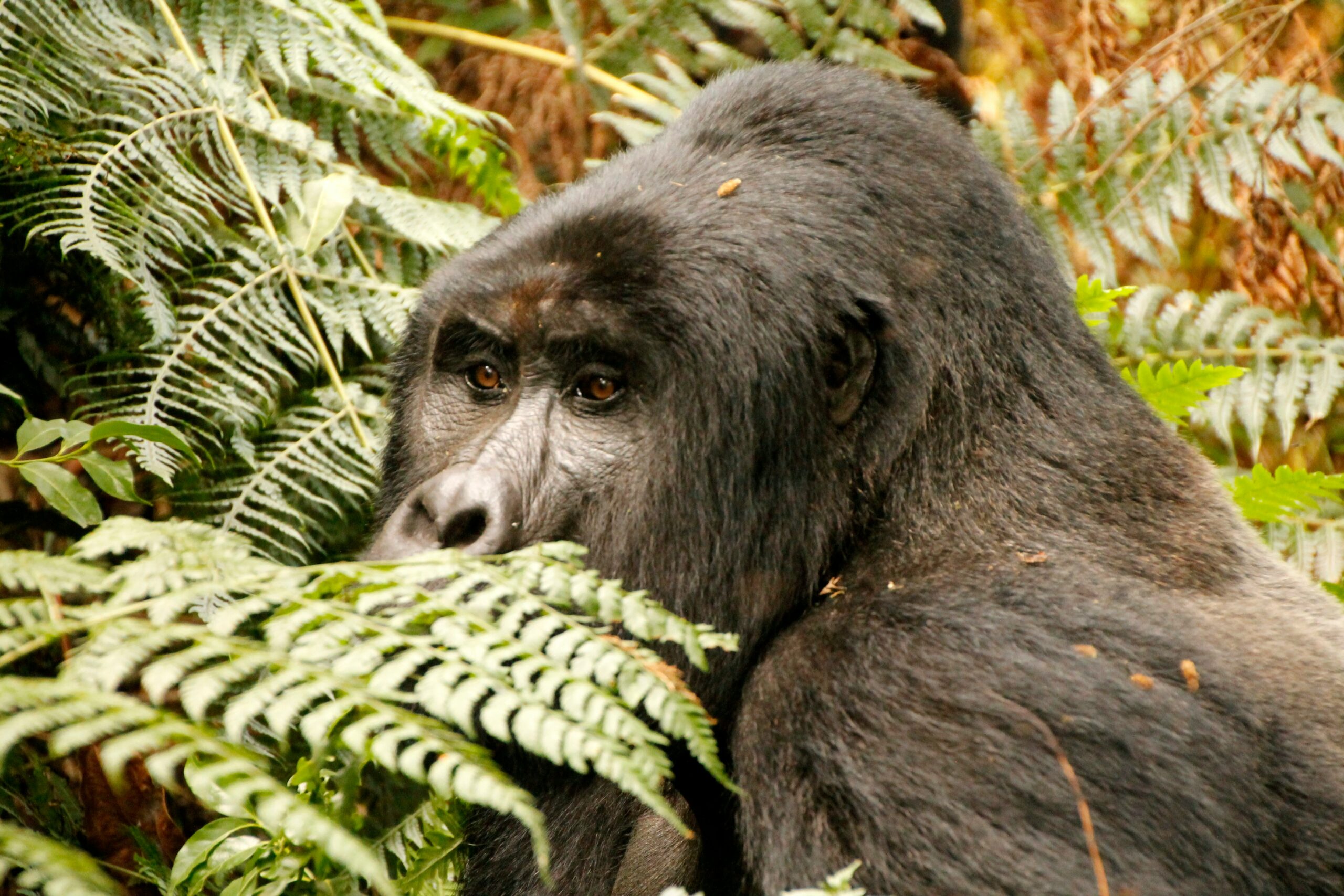
Gorilla trekking Uganda is the most popular way to see mountain gorillas in the wild. It involves hiking through dense rainforest with trained Uganda Wildlife Authority rangers to locate a fully habituated gorilla family.
A habituated gorilla family is one that is already accustomed to human presence and does not perceive visitors as a threat. This allows tourists to observe them safely in their natural environment.
Trekking usually begins early in the morning at park headquarters, where visitors are assigned gorilla families based on fitness level and location. The trek can last anywhere from one hour to several hours depending on where the gorillas are located on that day.
Once the gorillas are found, visitors spend exactly one hour observing them before returning to base.
This controlled system ensures minimal disturbance to the gorillas while offering a powerful wildlife experience for visitors.
What Is the Gorilla Habituation Experience
The gorilla habituation experience Uganda is a more immersive and extended version of gorilla trekking. Instead of visiting fully habituated gorillas, visitors join researchers and rangers as they work to gradually habituate a wild gorilla family to human presence.
This process involves slowly introducing gorillas to humans over time so they become comfortable enough for future trekking tourism.
Unlike standard trekking, visitors on a habituation experience can spend up to four hours with the gorilla group once they are located. This provides a deeper, more detailed observation of gorilla behavior, social interactions, feeding habits, and movement patterns.
The experience is available only in select areas, primarily in the southern sector of Bwindi Impenetrable National Park.
Duration of Experience
One of the most important differences in Gorilla Habituation vs Trekking is time spent with the gorillas.
Gorilla trekking allows only one hour of observation after the gorillas are found. This is strictly regulated to minimize stress on the animals and maintain their natural behavior.
In contrast, the habituation experience allows up to four hours with the gorillas. This extended time provides a more relaxed and in-depth wildlife encounter.
For travelers who want a deeper understanding of gorilla behavior, habituation offers a significantly more immersive experience.
Cost Differences
Another key distinction lies in pricing.
Gorilla trekking Uganda permits are generally more affordable than habituation permits. Trekking permits are set at a standard rate and are more widely available throughout the year.
The gorilla habituation experience Uganda permits are significantly more expensive because of the extended time, limited availability, and research involvement.
While trekking is more budget-friendly and accessible, habituation is considered a premium, exclusive wildlife experience.
Both options contribute directly to gorilla conservation and local community development.
Physical Difficulty and Trekking Experience
Both experiences require hiking through dense rainforest, but the intensity can vary.
Gorilla trekking may involve moderate to challenging hikes depending on the location of the assigned gorilla family. Some treks last only a short time, while others require several hours of hiking through steep and muddy terrain.
The habituation experience often involves longer time in the forest because participants follow semi-habituated gorilla groups that may still be more elusive and mobile.
In both cases, physical fitness is important. Porters are available to assist with bags and provide support during the hike, making the experience more manageable for travelers of different fitness levels.
Gorilla Behavior Differences
During gorilla trekking Uganda, visitors observe gorillas that are fully accustomed to human presence. These groups behave naturally but remain calm and relaxed around tourists.
During the habituation experience, gorillas are still in the process of becoming accustomed to humans. Their behavior may be more cautious, unpredictable, or distant at times.
This makes habituation more dynamic and research-focused, offering insights into how gorillas gradually adapt to human presence over time.
Group Size and Exclusivity
Both experiences are carefully regulated, but habituation is more exclusive.
Gorilla trekking groups are limited to a maximum of eight visitors per gorilla family per day. This ensures minimal disturbance and a controlled viewing experience.
The habituation experience allows even fewer participants, making it a more intimate and less crowded encounter.
For travelers seeking privacy and exclusivity, habituation offers a more specialized safari experience.
Best Locations for Each Experience
Gorilla trekking is available in Bwindi Impenetrable National Park and Mgahinga Gorilla National Park in Uganda, as well as in Rwanda and the Democratic Republic of Congo.
The gorilla habituation experience Uganda is only available in Bwindi Impenetrable National Park, specifically in its southern sector.
This makes Bwindi one of the most important destinations in Africa for gorilla tourism, offering both standard trekking and habituation experiences.
Wildlife Photography Opportunities
Both experiences offer incredible photography opportunities, but they differ in style.
During gorilla trekking Uganda, photographers capture close-up moments of fully habituated gorilla families, often including silverbacks, mothers, and playful juveniles.
During habituation, photography tends to be more natural and documentary-style, capturing gorillas in early stages of human interaction. Lighting conditions, movement, and distance may vary more frequently.
In both cases, flash photography is strictly prohibited to protect the animals.
Conservation Importance
Both gorilla trekking and habituation play a major role in conservation.
Revenue from permits funds anti-poaching patrols, habitat protection, veterinary care, and community development programs around national parks.
The habituation process is especially important because it allows scientists to understand gorilla behavior more deeply while preparing wild groups for future sustainable tourism.
Without tourism, gorilla conservation efforts in Uganda would not be as successful as they are today.
Which Experience Is Better
Choosing between Gorilla Habituation vs Trekking depends on travel style, budget, and interest level.
Gorilla trekking is ideal for most travelers because it is more affordable, widely available, and still offers a powerful one-hour encounter with gorillas.
The habituation experience is better suited for travelers who want a deeper, longer, and more research-oriented safari experience. It is more expensive but offers extended time and greater immersion.
Both experiences are unforgettable and contribute equally to conservation success.
Combining Gorilla Experiences with Other Safaris
Many travelers combine gorilla trekking or habituation with a Murchison Falls National Park safari for a complete Uganda wildlife itinerary.
This combination allows visitors to experience mountain gorillas in rainforest environments and classic African savannah wildlife such as lions, elephants, giraffes, and Nile River ecosystems.
This contrast between forest and savannah safaris makes Uganda one of the most diverse safari destinations in Africa.
Best Time for Gorilla Experiences
Gorilla trekking and habituation are available year-round.
The dry seasons from June to September and December to February are generally preferred because forest trails are less muddy and easier to navigate.
However, rainy seasons from March to May and October to November offer lush green scenery, fewer tourists, and excellent photography conditions.
What to Pack
Proper preparation is essential for both experiences.
Travelers should carry waterproof hiking boots, long trousers, long-sleeved shirts, gloves, rain jackets, insect repellent, and a small backpack.
A walking stick is often provided at the park, and porters can assist with luggage during the trek.
Health and Safety Guidelines
Visitors must be in good health before entering gorilla habitats because gorillas are highly susceptible to human diseases.
Anyone showing symptoms of illness may be denied access for conservation safety reasons.
Following ranger instructions is mandatory throughout the experience to ensure safety for both visitors and gorillas.
Responsible Tourism and Community Impact
Gorilla tourism supports thousands of local livelihoods in Uganda. Communities benefit through employment, cultural tourism, infrastructure development, and revenue sharing programs.
Choosing either trekking or habituation directly contributes to long-term conservation and community empowerment.
Conclusion
The difference between Uganda Gorilla Habituation Experience vs Trekking lies in depth, duration, cost, and exclusivity. Gorilla trekking offers a shorter but powerful one-hour encounter with habituated gorillas, while the habituation experience provides up to four hours of immersive, research-based observation.
Both experiences deliver unforgettable encounters with one of the world’s most endangered and fascinating species. Whether you choose trekking or habituation, both contribute directly to conservation and support Uganda’s wildlife protection efforts.
For many travelers, combining gorilla experiences with a Murchison Falls National Park safari creates the ultimate Uganda adventure, blending rainforest primates with savannah wildlife and the powerful Nile River ecosystem.