Volcanoes National Park Rwanda: Gorilla Trekking Guide
Rwanda has earned a global reputation as one of Africa’s premier wildlife destinations, largely because of the unforgettable experience of trekking endangered mountain gorillas. At the heart of this remarkable adventure lies Volcanoes National Park, a protected area that forms part of the Virunga Conservation Area, one of the last remaining strongholds of the world’s mountain gorilla population. Every year, thousands of travelers visit this extraordinary destination to witness these gentle giants in their natural habitat, making it one of the most sought-after wildlife experiences on the continent.
Located in the northwestern corner of Rwanda, Volcanoes National Park combines breathtaking volcanic landscapes, dense montane forests, rare wildlife, and rich conservation history. While gorilla trekking is the park’s biggest attraction, visitors also discover golden monkeys, scenic hiking trails, volcanic peaks, unique birdlife, and cultural experiences that showcase Rwanda’s remarkable recovery and commitment to sustainable tourism.
For travelers planning an East African safari, Volcanoes National Park Rwanda offers an experience that perfectly complements wildlife safaris in Uganda and Kenya. Whether you are visiting Rwanda alone or combining your journey with Murchison Falls National Park, Bwindi Impenetrable National Park, or Queen Elizabeth National Park, this guide covers everything you need to know before embarking on your gorilla trekking adventure.
Discovering Volcanoes National Park
Established in 1925, Volcanoes National Park is Africa’s oldest national park and was originally created to protect the endangered mountain gorilla. Covering approximately 160 square kilometers, the park lies within the larger Virunga Mountain Range, which stretches across Rwanda, Uganda, and the Democratic Republic of Congo.
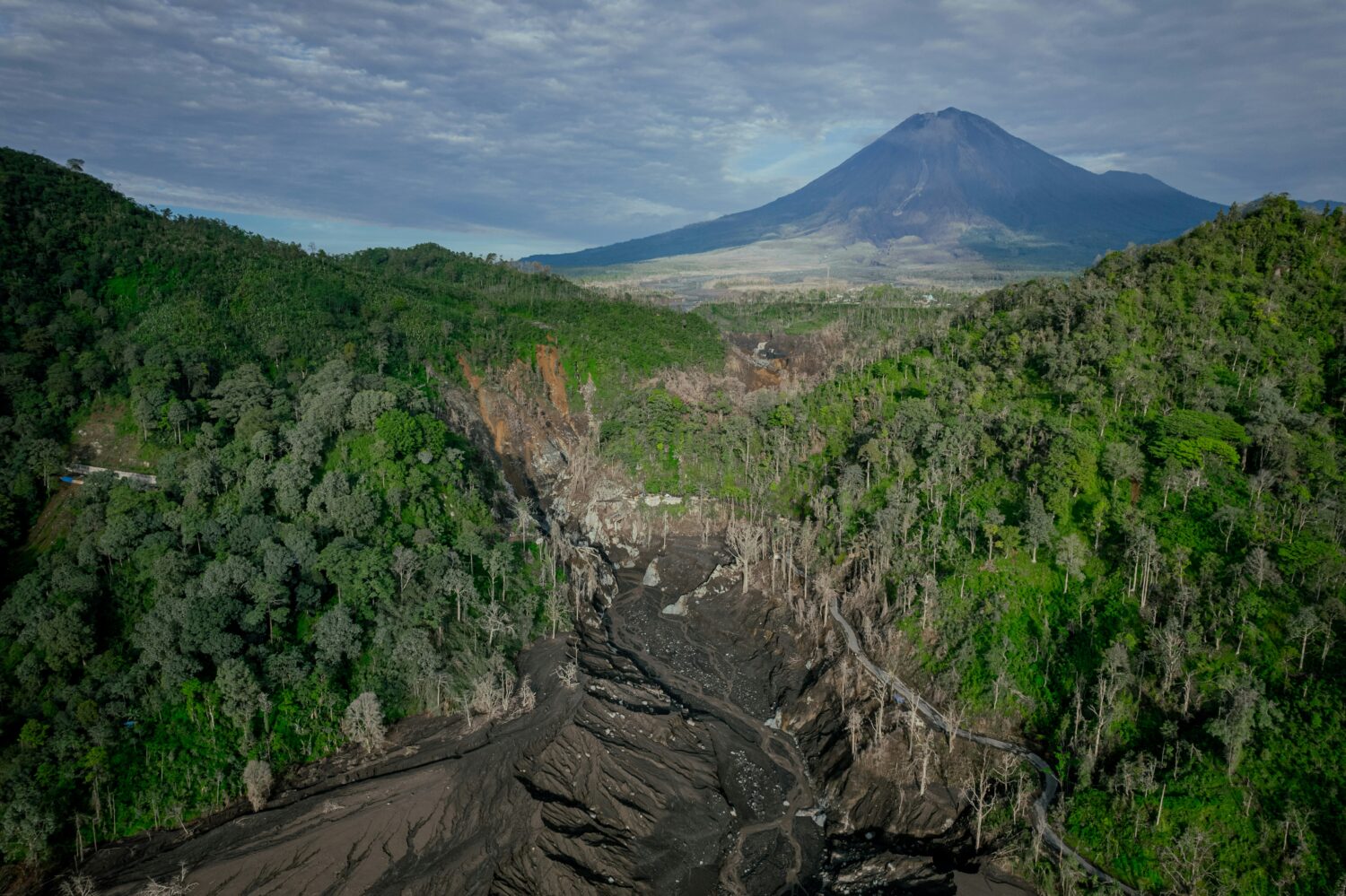
The park encompasses five magnificent volcanic mountains: Karisimbi, Bisoke, Muhabura, Gahinga, and Sabyinyo. These forest-covered peaks create an enchanting landscape where mist drifts through giant bamboo forests, moss-covered trees, and lush vegetation that supports an incredible variety of wildlife.
Despite its relatively small size, Volcanoes National Park Rwanda protects one of the world’s most important ecosystems. It plays a crucial role in safeguarding mountain gorillas while supporting numerous other mammals, reptiles, amphibians, butterflies, and over 200 bird species.
Its proximity to Kigali, Rwanda’s capital city, makes it one of the most accessible gorilla trekking destinations in Africa.
Why Gorilla Trekking Is the Main Attraction
The opportunity to encounter mountain gorillas in their natural habitat is what draws visitors from across the globe to Volcanoes National Park. Fewer than 1,100 mountain gorillas remain in the wild, making every trekking experience both rare and deeply meaningful.
Unlike zoo visits or wildlife sanctuaries, gorilla trekking takes place entirely within the gorillas’ natural environment. Visitors hike through dense rainforest accompanied by experienced guides and trackers who locate one of the park’s habituated gorilla families. Once found, guests spend a strictly regulated one hour observing the gorillas from a safe distance.
Watching a massive silverback calmly oversee his family while playful juveniles tumble through the vegetation and mothers gently care for their infants creates an unforgettable wildlife encounter. The striking similarities between gorillas and humans often leave visitors with a profound appreciation for these endangered primates.
This once-in-a-lifetime experience continues to position Volcanoes National Park Rwanda among the world’s greatest wildlife destinations.
The Gorilla Trekking Experience
Every gorilla trekking adventure begins early in the morning at the Kinigi Park Headquarters, where visitors receive a detailed briefing from Rwanda Development Board rangers. During the briefing, guides explain trekking procedures, safety regulations, conservation principles, and expected behavior around the gorillas.
After being assigned to a specific gorilla family based on fitness levels and group size, visitors travel to the trailhead before beginning the hike.
No two treks are identical. Some gorilla families remain close to the park boundary, requiring only a relatively short walk, while others move higher into the volcanic forests, resulting in more challenging hikes that may last several hours.
The journey itself forms an important part of the experience. Dense bamboo forests gradually give way to towering trees draped in moss, colorful orchids, giant lobelias, and lush undergrowth. Along the way, guides identify birds, plants, animal tracks, and signs of other forest wildlife.
The excitement builds steadily until trackers quietly signal that the gorilla family is nearby. Cameras are prepared, conversations become whispers, and visitors enter one of the most extraordinary wildlife moments imaginable.
For the next sixty minutes, time seems to stand still as guests observe the daily lives of these remarkable animals in complete silence.
Gorilla Families in Volcanoes National Park
Several habituated gorilla families are available for tourism within Volcanoes National Park, each with its own unique social structure and characteristics.
Some groups are famous for their large dominant silverbacks, while others include numerous playful juveniles or newborn infants. Family sizes vary considerably, with some consisting of fewer than ten individuals and others exceeding thirty members.
Experienced trackers monitor the gorillas daily, ensuring guides know their approximate locations before each trekking group enters the forest. This increases the likelihood of successful encounters while minimizing disturbance to the animals.
Although visitors cannot choose a specific gorilla family, the careful allocation process ensures each group enjoys a memorable and well-managed experience.
Gorilla Trekking Permits
A gorilla trekking permit is mandatory for every visitor entering the park to see mountain gorillas.
Permits should be secured well in advance, particularly during the peak travel seasons when demand is highest. Daily visitor numbers remain intentionally limited to reduce pressure on the gorillas and protect their natural habitat.
Permit fees contribute directly to wildlife conservation, anti-poaching initiatives, habitat protection, scientific research, ranger training, and community development programs surrounding the park.
By purchasing a permit, travelers actively support the long-term survival of mountain gorillas while helping local communities benefit from sustainable tourism.
Best Time to Visit Volcanoes National Park
Volcanoes National Park Rwanda can be visited throughout the year, but the dry seasons generally provide the most comfortable trekking conditions.
From June to September and December to February, forest trails become less muddy, making hiking easier and improving overall trekking conditions. These months also attract the highest number of visitors, so booking permits early is highly recommended.
The rainy seasons transform the forest into an even greener and more vibrant environment. Although trekking becomes more physically demanding, photographers often appreciate the lush scenery, dramatic mist, and softer natural lighting.
Mountain gorillas remain within the park throughout the year, ensuring excellent trekking opportunities regardless of the season.
Wildlife Beyond Mountain Gorillas
While gorilla trekking remains the highlight of every visit, Volcanoes National Park supports a surprising diversity of wildlife.
Golden monkeys are among the park’s most popular attractions after gorillas. These energetic primates inhabit the bamboo forests and delight visitors with their playful behavior and striking golden-orange fur. Dedicated golden monkey trekking excursions offer an excellent alternative or addition to gorilla trekking.
The park also supports forest elephants, buffaloes, bushbucks, duikers, giant forest hogs, numerous reptiles, amphibians, and an impressive variety of butterflies.
Bird enthusiasts can expect to encounter many Albertine Rift endemic species, making the park an important destination for specialized birdwatching tours.
Hiking and Adventure Activities in Volcanoes National Park
Although gorilla trekking remains the park’s most famous attraction, Volcanoes National Park Rwanda offers several adventure activities that allow visitors to explore its spectacular volcanic landscapes in greater depth. The towering Virunga Mountains create a dramatic backdrop for hiking, rewarding travelers with breathtaking views, unique vegetation, and exceptional biodiversity.
Among the most popular hikes is Mount Bisoke, whose summit features a stunning crater lake surrounded by mist-covered volcanic slopes. The hike is moderately challenging and attracts adventurous travelers looking to combine physical activity with remarkable scenery. Those seeking a more demanding expedition often choose Mount Karisimbi, Rwanda’s highest volcano. Standing at 4,507 meters above sea level, Karisimbi requires a two-day trek but rewards hikers with panoramic views across Rwanda, Uganda, and the Democratic Republic of Congo.
Another rewarding excursion is the hike to the grave of renowned primatologist Dian Fossey, whose pioneering conservation work transformed global efforts to protect mountain gorillas. The trail passes through beautiful montane forest before reaching the former Karisoke Research Center, where visitors gain insight into Fossey’s remarkable contribution to gorilla conservation.
These hiking opportunities make Volcanoes National Park much more than a gorilla trekking destination, allowing travelers to appreciate the extraordinary landscapes that define Rwanda’s northern highlands.
The Legacy of Dian Fossey
No discussion of Volcanoes National Park Rwanda would be complete without recognizing the legacy of Dian Fossey. Her dedication to studying and protecting mountain gorillas brought international attention to the threats facing these endangered primates and inspired generations of conservationists.
Arriving in Rwanda during the 1960s, Fossey established the Karisoke Research Center between Mount Karisimbi and Mount Bisoke. She spent nearly two decades observing gorilla behavior while tirelessly campaigning against poaching and habitat destruction. Her groundbreaking research revealed the complex social lives of mountain gorillas and challenged many misconceptions about their behavior.
Although Dian Fossey’s life ended tragically in 1985, her conservation legacy continues through ongoing research, ranger patrols, veterinary programs, and community-based conservation initiatives. Visitors who explore the Dian Fossey Trail gain a deeper appreciation of the work that has helped mountain gorilla populations recover over recent decades.
Today, Volcanoes National Park stands as a global example of successful wildlife conservation, demonstrating how responsible tourism can directly contribute to protecting endangered species.
Accommodation Near Volcanoes National Park
Visitors to Volcanoes National Park can choose from a wide range of accommodation options that cater to different travel styles while maintaining high standards of comfort and hospitality.
Luxury travelers will find elegant safari lodges offering spacious suites, fine dining, spa facilities, breathtaking views of the Virunga Volcanoes, and personalized service. Many properties incorporate sustainable tourism practices while supporting nearby communities through employment and local sourcing.
Midrange lodges provide excellent value without compromising comfort. These accommodations feature comfortable rooms, warm hospitality, quality restaurants, beautiful gardens, and convenient access to the park headquarters. They remain particularly popular among travelers seeking memorable gorilla trekking experiences while managing their safari budget.
Many lodges also organize cultural visits, coffee tours, guided village walks, and traditional dance performances, enriching the overall visitor experience beyond wildlife activities.
Responsible Gorilla Trekking
Responsible tourism plays a vital role in protecting mountain gorillas and preserving the fragile ecosystems of Volcanoes National Park Rwanda.
Visitors are expected to follow strict guidelines during every trek. Maintaining a safe viewing distance, avoiding loud noises, refraining from touching the gorillas, and limiting observation to one hour all help minimize stress on these endangered animals. Rangers also advise guests who feel unwell to postpone their trek, as gorillas are highly susceptible to many human diseases.
Photography is encouraged, but flash photography is prohibited to avoid disturbing the gorillas. Guides carefully monitor every interaction to ensure that wildlife welfare remains the highest priority throughout the experience.
These conservation measures have contributed significantly to the gradual recovery of mountain gorilla populations, making Rwanda one of the world’s leading examples of successful wildlife management.
Combining Volcanoes National Park with Uganda
Many international visitors choose to combine Volcanoes National Park Rwanda with neighboring Uganda, creating one of Africa’s most rewarding safari itineraries. The close proximity of Rwanda and Uganda allows travelers to experience two exceptional safari destinations within a single journey.
After trekking mountain gorillas in Rwanda, visitors can continue to Murchison Falls National Park for classic game drives, unforgettable boat cruises on the River Nile, and spectacular views of the world’s most powerful waterfall. The journey can also include Queen Elizabeth National Park, renowned for its tree-climbing lions and the wildlife-rich Kazinga Channel, as well as Kibale Forest National Park, one of Africa’s finest destinations for chimpanzee trekking.
For travelers seeking the ultimate primate and wildlife adventure, combining Rwanda’s gorilla trekking with Uganda’s diverse national parks creates an itinerary that showcases the very best of East Africa.
Why Volcanoes National Park Should Be on Your Safari Bucket List
Few wildlife experiences compare with standing just a few meters from a family of wild mountain gorillas. The emotional connection that develops during those precious sixty minutes leaves a lasting impression long after the trek has ended.
Beyond gorilla trekking, Volcanoes National Park Rwanda captivates visitors with its dramatic volcanic scenery, rich biodiversity, fascinating conservation history, and warm Rwandan hospitality. Every trail, forest, and mountain reflects decades of successful conservation efforts that continue to protect one of the world’s most endangered primates.
Whether you are an experienced safari enthusiast or planning your first journey to Africa, Volcanoes National Park offers an adventure that combines wildlife, conservation, culture, and natural beauty in extraordinary ways.
If you are planning a gorilla trekking safari in Rwanda or a combined East African wildlife adventure, Murchison Fall Park Safari can help you design a seamless itinerary that includes Volcanoes National Park, Murchison Falls National Park, Bwindi Impenetrable National Park, Queen Elizabeth National Park, and other iconic destinations across the region.
Visit Murchison falls park safari to explore our expertly crafted safari packages, gorilla trekking tours, and customized East African travel experiences. Our experienced safari specialists are ready to help you create an unforgettable journey through some of Africa’s most spectacular landscapes.