Zebra Migration Uganda: Kidepo Valley Guide
The zebra migration in Uganda is one of the most underrated wildlife experiences in East Africa, yet it delivers some of the most dramatic and authentic safari moments on the continent. Unlike the world-famous Serengeti migration dominated by wildebeest, Uganda’s zebra movement patterns are quieter, less crowded, and deeply connected to the remote wilderness of Kidepo Valley National Park.
For travelers seeking untouched landscapes, raw safari experiences, and large concentrations of wildlife moving across open savannah plains, Kidepo Valley stands out as Uganda’s most isolated and spectacular safari destination. Among its many highlights, the presence of large zebra herds creates unforgettable scenes of striped movement flowing across golden grasslands beneath dramatic mountain backdrops.
While Uganda does not host a single continuous, large-scale zebra migration like other African ecosystems, Kidepo Valley supports seasonal movements and localized grazing shifts that function as a natural migration system. Zebras move in response to rainfall patterns, grazing availability, and water sources, creating dynamic wildlife movement cycles that safari travelers can witness throughout the year.
Understanding the zebra migration in Uganda’s Kidepo Valley gives visitors a deeper appreciation of one of Africa’s last true wilderness areas, where wildlife still follows ancient ecological rhythms largely untouched by human development.
Understanding Uganda’s Zebra Population
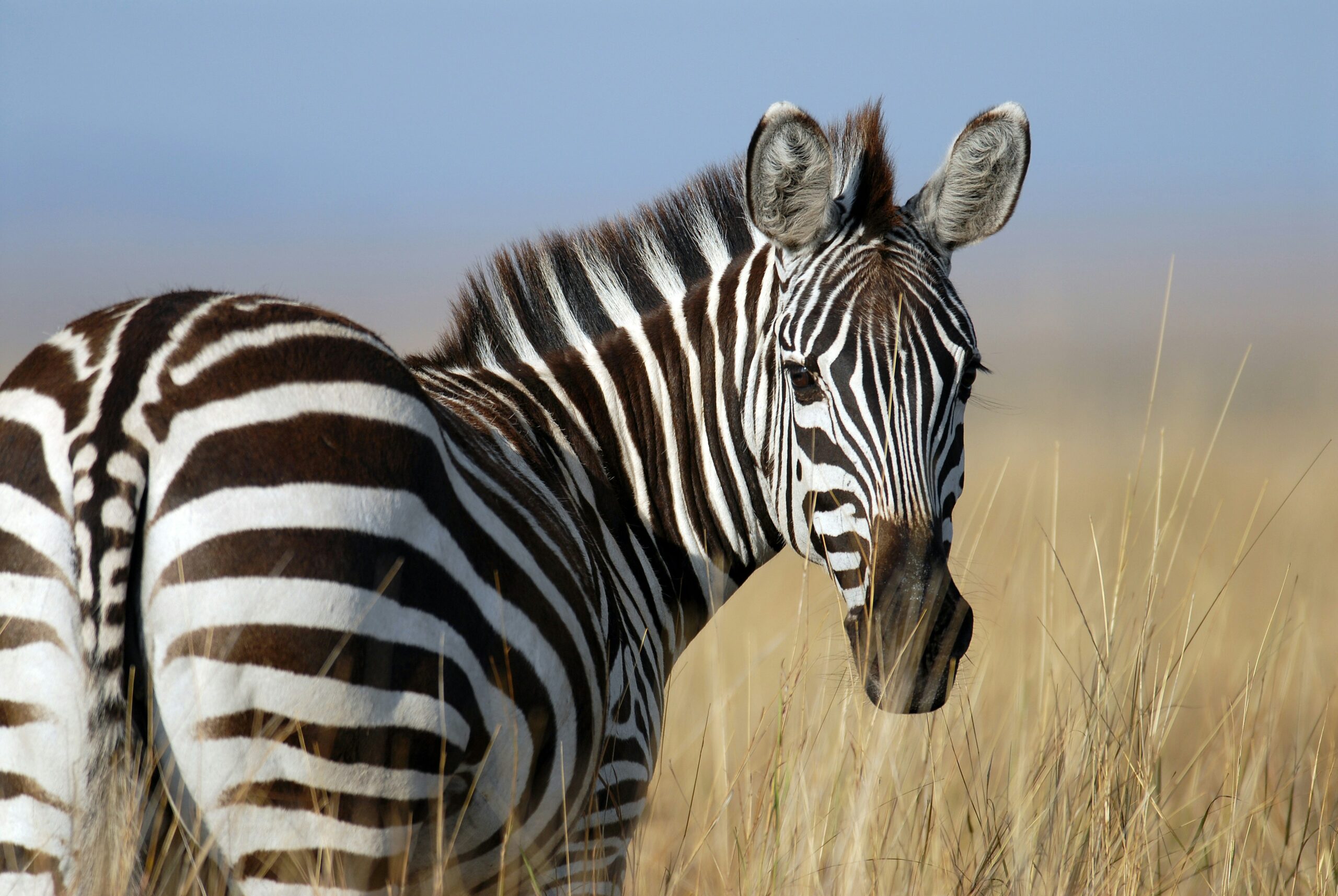
The zebras found in Uganda are primarily the Plains zebra (Equus quagga), specifically the Chapman’s zebra subspecies in some regions. These zebras are easily recognized by their bold black-and-white stripes, which are unique to each individual like a fingerprint.
Zebras are highly social animals that live in groups called harems, typically consisting of one dominant stallion, several mares, and their offspring. Larger bachelor groups also exist, composed of younger males that have not yet established territories.
In Uganda, zebras are most commonly found in:
Kidepo Valley National Park
Lake Mburo National Park
However, Kidepo Valley is the only location where zebra populations exist in large, free-ranging herds within a vast, remote wilderness ecosystem.
Their presence in Kidepo contributes significantly to the park’s reputation as Uganda’s most scenic and untouched safari destination.
What Makes Zebra Movement in Uganda a “Migration”
Unlike the massive, predictable annual migrations seen in other parts of Africa, Uganda’s zebra movements are more localized and seasonal.
In Kidepo Valley National Park, zebras move across the Narus Valley, Kidepo Valley plains, and surrounding grasslands in search of:
- Fresh grazing areas
- Seasonal water sources
- Safer calving grounds
- Reduced predator pressure
These movements are influenced heavily by rainfall patterns. During wetter months, zebras spread across wider areas where grass is abundant. In drier periods, they gather in more concentrated herds around reliable water points.
This cyclical movement system forms what safari experts often refer to as a “micro-migration” or “seasonal migration pattern,” which remains one of the most important wildlife dynamics in the park.
Why Kidepo Valley Is Uganda’s Zebra Stronghold
 Kidepo Valley National Park is located in Uganda’s remote northeastern corner, bordering South Sudan and Kenya. Its isolation has allowed ecosystems to remain largely undisturbed, making it one of Africa’s most pristine wilderness areas.
The park’s vast savannah plains, rocky mountains, and seasonal rivers create ideal conditions for zebra populations to thrive.
Unlike more crowded safari destinations, Kidepo offers an authentic sense of isolation where wildlife dominates the landscape with minimal human interference.
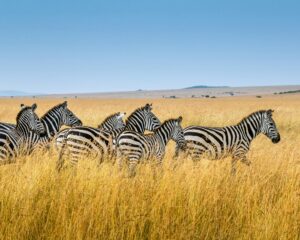
Zebras in Kidepo are often seen moving in large herds across open plains, especially in the Narus Valley area, where water remains available for most of the year.
The dramatic scenery of Kidepo adds to the visual impact of zebra movement, with herds often silhouetted against mountain ranges and endless horizons.
Zebra Behavior During Migration Cycles
The zebra migration in Uganda is driven primarily by survival needs, particularly access to food and water.
Zebras are grazing animals that feed mainly on grasses. Because they consume tougher vegetation than many other herbivores, they often follow grazing patterns that other animals avoid.
During movement cycles, zebra herds maintain strong social bonds and coordinated behavior. Stallions lead and protect their groups while mares guide foals through open landscapes.
One of the most important survival strategies used by zebras is safety in numbers. Large herds reduce individual predation risk because predators such as lions find it more difficult to isolate a single target.
Zebras also rely heavily on alertness. Their excellent hearing and vision allow them to detect predators early, triggering rapid herd movement when danger is present.
Predators Following Zebra Movement in Kidepo
Where there are zebras, predators are never far behind. In Kidepo Valley National Park, zebra herds play a key role in supporting Uganda’s predator ecosystem.
The main predators that follow zebra movement include:
Lions
Lions are the primary predators of zebras in Kidepo. They rely on coordinated group hunting to bring down adult zebras, often targeting weaker or younger individuals.
Spotted Hyenas
Hyenas frequently follow zebra herds, especially during nighttime hours, scavenging or hunting vulnerable individuals.
Leopards
Although more secretive, leopards may prey on young zebras or isolated individuals near woodland edges.
This predator-prey interaction creates one of the most dynamic wildlife systems in Uganda.
Best Time to See Zebra Movement in Uganda
Zebras can be seen year-round in Kidepo Valley National Park, but their movement patterns vary depending on seasonal conditions.
The dry seasons from December to March and June to September generally provide the best safari conditions. During these months, animals concentrate around remaining water sources, making zebra herds easier to locate.
During the wet seasons, zebras spread more widely across the landscape as fresh grazing becomes abundant.
Early morning and late afternoon game drives offer the best opportunities for observing active herd movement across open plains.
What Makes Zebra Migration in Uganda Unique
While Africa is famous for large-scale migrations, Uganda’s zebra movement stands out because of its raw authenticity and lack of mass tourism.
In Kidepo Valley, visitors often experience:
- Large zebra herds moving freely across open plains
- Minimal vehicle traffic during sightings
- Dramatic wilderness scenery with mountain backdrops
- Close predator-prey interactions in natural conditions
Unlike heavily commercialized safari circuits, Kidepo offers a sense of untouched wilderness that is increasingly rare in Africa today.
The absence of crowds allows travelers to observe wildlife behavior in a more natural and immersive way.
Zebra Social Structure and Herd Dynamics
Zebras have highly structured social systems that play a crucial role during movement cycles.
Family groups consist of a dominant male, several females, and their offspring. These groups remain stable over long periods, with strong bonding between members.
Bachelor males form separate groups where younger stallions prepare for future dominance challenges.
Communication within zebra herds includes vocal sounds, body posture, and visual signals. These systems help coordinate movement and alert others to danger.
During migration-like movements, herd cohesion is essential for survival, especially when crossing open terrain where predators are more effective.
Zebra Adaptations for Survival in Kidepo
Zebras possess several physical and behavioral adaptations that allow them to thrive in Kidepo Valley’s challenging environment.
Their striped coat helps confuse predators during group movement, especially when herds run together in large numbers.
Zebras are also extremely fast runners, capable of reaching high speeds when escaping predators.
Their strong digestive systems allow them to extract nutrients from tough grasses that many other herbivores avoid.
These adaptations make zebras one of the most successful grazing animals in Uganda’s savannah ecosystems.
Photography Opportunities During Zebra Movement
The zebra migration in Uganda provides exceptional wildlife photography opportunities, especially in Kidepo Valley National Park.
Photographers can capture:
- Large herds moving across golden plains
- Dust-filled running sequences during predator chases
- Zebra silhouettes against sunset skies
- Close-up portraits highlighting stripe patterns
- Interaction between zebras and predators
The remote nature of Kidepo means photographers often enjoy unobstructed views without vehicle congestion, making it ideal for high-quality wildlife imagery.
Early morning light and late afternoon golden tones create particularly striking visual conditions.
Conservation of Zebras in Uganda
Zebra populations in Uganda remain stable in protected areas, but conservation challenges still exist.
Threats include habitat loss, human-wildlife conflict, poaching in surrounding regions, and climate change affecting grazing patterns.
Kidepo Valley National Park plays a vital role in protecting zebra populations through strict conservation management and low-impact tourism.
Safari tourism contributes directly to conservation funding, helping protect ecosystems where zebras and other wildlife depend on natural habitats.
Combining Zebra Safaris with Other Uganda Experiences
A safari focused on zebra migration in Uganda can easily be combined with other wildlife experiences.
In Kidepo Valley, travelers can also enjoy:
- Lion tracking experiences
- Birdwatching safaris
- Cultural visits to Karamojong communities
- Game drives across Narus Valley
- Scenic photography safaris
Many visitors also combine Kidepo with other Uganda destinations such as Murchison Falls National Park, where they can experience Nile boat safaris, Big Five game drives, and diverse wildlife ecosystems.
This combination creates a complete Uganda safari circuit showcasing both remote wilderness and iconic landscapes.
Planning Your Zebra Migration Safari in Uganda
Planning a safari to witness zebra movement in Kidepo Valley National Park requires careful preparation due to the park’s remote location.
At Murchison Falls Park Safari, we organize tailored Uganda safari experiences that include Kidepo Valley, Murchison Falls, and other top wildlife destinations.
Our itineraries combine expert guiding, comfortable accommodations, and carefully planned game drives to maximize wildlife viewing opportunities.
Whether you are a wildlife photographer, adventure traveler, or safari enthusiast, Kidepo’s zebra herds offer one of Africa’s most authentic wilderness experiences.
The zebra migration in Uganda may not be as famous as other African migrations, but its raw beauty, solitude, and ecological importance make it one of the continent’s hidden safari treasures.