Night Safari Animals: What to See After Dark in Uganda
A safari does not end when the sun sets. In fact, for many wildlife enthusiasts, the real drama of the African wilderness begins at night. The world of Night Safari Animals reveals a completely different ecosystem, one that is governed by silence, darkness, and heightened survival instincts.
In Uganda’s national parks, especially Murchison Falls National Park, night game drives and nocturnal viewing experiences open a rare window into the lives of animals that are rarely seen during daylight hours. These include stealthy predators, shy herbivores, and fascinating nocturnal species adapted perfectly to darkness.
Unlike daytime safaris where movement and visibility are high, night safaris rely on spotlights and guided tracking, making every sighting feel intimate and unpredictable. The experience is raw, atmospheric, and deeply immersive, offering a new perspective on Africa’s wildlife ecosystem.
Why Night Safaris Reveal a Hidden Wildlife World
The African bush transforms dramatically after sunset. Heat dissipates, predators begin to move, and many animals shift from resting to active survival behavior. This is when the true story of the savannah unfolds.
Many species are naturally nocturnal or crepuscular, meaning they are most active during dusk and night hours. This includes hunters such as lions, leopards, and hyenas, as well as smaller creatures like civets, genets, and bush babies.
In contrast, many herbivores become more alert and defensive, relying on group vigilance and reduced movement to avoid detection. This creates a dynamic predator-prey balance that is far more intense at night than during the day.
For travelers interested in Uganda night safari experiences, this is the time when Murchison Falls National Park becomes a living stage of survival drama.
Murchison Falls National Park: Uganda’s Best Night Safari Destination
 Murchison Falls National Park is one of the few parks in Uganda where controlled night game drives are possible in designated areas. Its diverse ecosystems—riverine forests, savannah plains, and woodlands—support a wide range of nocturnal wildlife.
The park is home to lions, leopards, hyenas, elephants, giraffes, buffaloes, and numerous antelope species. At night, many of these animals shift their behavior patterns. Lions may be seen hunting or patrolling territories, while leopards become more active and easier to spot due to their nocturnal hunting habits.
The Nile Delta and Buligi game tracks are particularly important zones for night safaris. These areas provide open viewing conditions and higher chances of encountering night safari animals in action.
Lions and Big Cats in Night Safaris
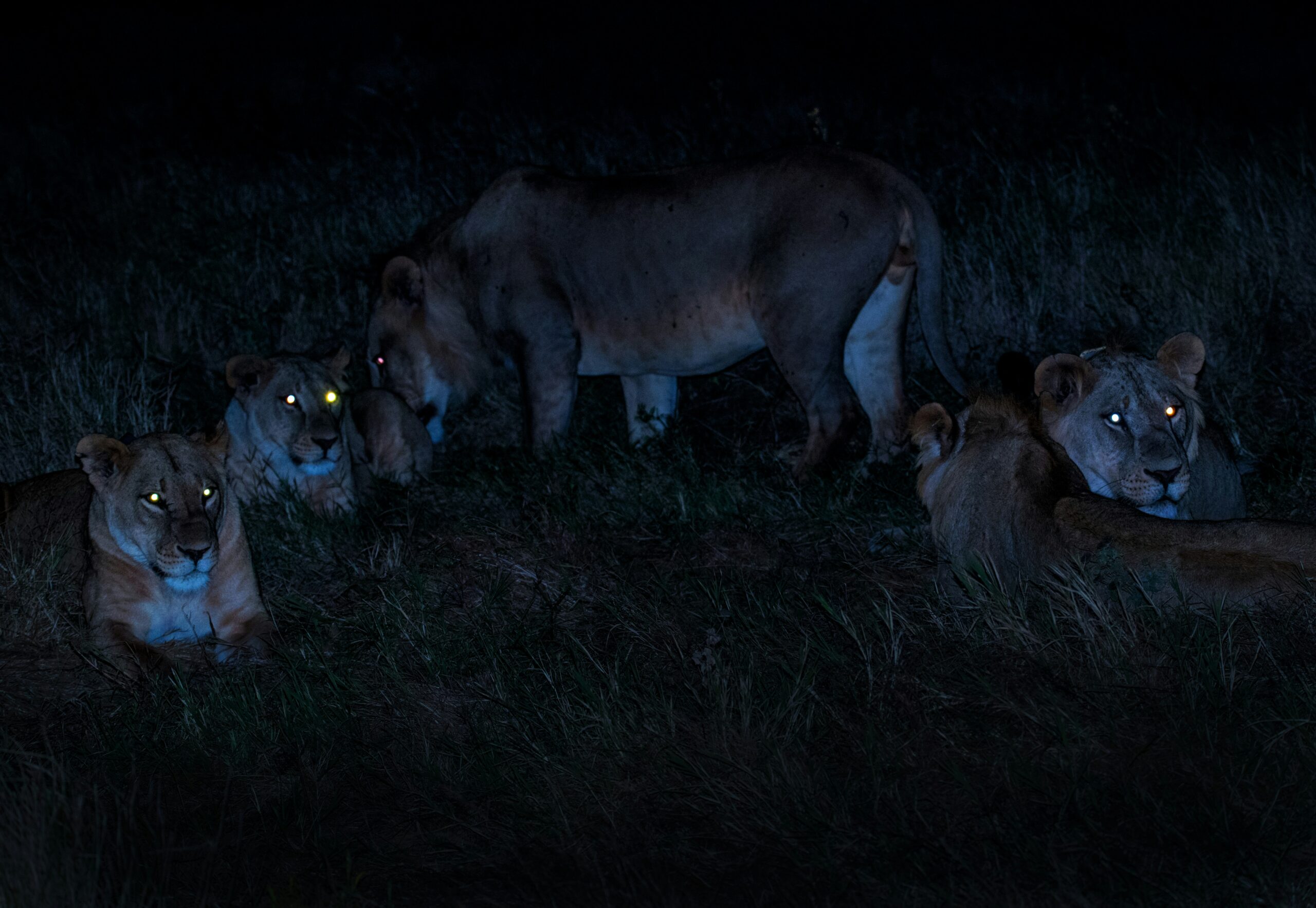
Among the most iconic Night Safari Animals are Africa’s big cats. Lions are often the highlight of night drives, especially when they are hunting or moving in pride formations.
At night, lions rely heavily on coordinated group hunting strategies. Their enhanced night vision gives them a significant advantage over prey species. Visitors on night safaris may witness stalking behavior, silent communication within prides, or even active hunts.
Leopards, on the other hand, are solitary and highly elusive. Nighttime offers one of the best chances to see them, as they move across trees and riverbanks searching for prey. Their reflective eyes and silent movement make them one of the most mysterious animals in the African night ecosystem.
Hyenas also play a critical role in the nocturnal food chain. Often misunderstood, they are intelligent and highly social predators that scavenge and hunt depending on opportunity.
Nocturnal Herbivores and Their Nighttime Behavior
While predators dominate the night narrative, herbivores also exhibit fascinating behavior after dark. Species such as buffaloes, giraffes, and antelopes continue feeding under the cover of darkness to avoid daytime heat and reduce predator encounters.
Buffaloes, in particular, often form tightly grouped herds at night for protection. Their large size and collective defense mechanisms make them less vulnerable to predators.
Giraffes move slowly and cautiously, feeding on acacia trees even at night. Their height gives them a natural advantage in detecting danger, even in low light conditions.
Smaller antelope species such as Uganda kob and oribis tend to remain more alert and restricted in movement during night hours, balancing feeding needs with survival risks.
These subtle behaviors are a key part of understanding wildlife after dark Africa.
Nocturnal Creatures: The Hidden Stars of Night Safaris
Beyond the large mammals, night safaris reveal a hidden world of smaller and often overlooked creatures. These include civets, genets, bush babies, porcupines, and aardvarks.
Civets and genets are agile, cat-like mammals that move silently through forests and grasslands in search of insects, fruits, and small prey. Their reflective eyes often appear suddenly in spotlight beams, creating memorable sightings.
Bush babies, also known as galagos, are among the most fascinating nocturnal primates. Their large eyes and incredible jumping ability allow them to navigate trees with precision in complete darkness.
Aardvarks, though rarely seen, are highly specialized nocturnal feeders that dig for ants and termites. Their presence indicates a healthy and functioning ecosystem.
These smaller species form the backbone of the nocturnal wildlife Uganda experience, adding depth and diversity to night safaris.
Birds and Reptiles Active at Night
Not all birds sleep at night. Some species, such as nightjars and owls, become active hunters in the darkness. Owls use their exceptional hearing to locate prey, while nightjars feed on flying insects using silent flight techniques.
Reptiles such as crocodiles are also highly active at night, especially along the Nile River in Murchison Falls National Park. Crocodiles become more mobile during cooler hours, often seen patrolling riverbanks or waiting for prey.
These nocturnal adaptations make night safaris a multi-layered experience that extends beyond mammals alone.
What Makes Night Game Drives in Uganda Unique
Night game drives in Uganda differ significantly from daytime safaris. They are conducted with strict guidelines, guided by experienced rangers, and typically use specialized spotlight equipment to detect wildlife without disturbing natural behavior.
The atmosphere is quieter, visibility is limited, and every sound becomes significant. This heightened sensory environment creates a deeper emotional connection to the wilderness.
Unlike other safari destinations where night drives are restricted, Uganda offers structured opportunities in select parks, making experiences like Murchison Falls night safari especially valuable.
The unpredictability of sightings adds to the excitement. You never know whether you will encounter a hunting lion, a grazing herd, or a rare nocturnal species moving silently through the bush.
Best Time for Night Safari Experiences in Uganda
Night safaris in Uganda are possible throughout the year, but the dry seasons generally offer better visibility and easier wildlife tracking. During these periods, vegetation is thinner, and animals are more likely to gather near water sources.
The dry seasons from December to March and June to September are ideal for night game drives in Murchison Falls National Park.
During wet seasons, while wildlife is still present, thicker vegetation may reduce visibility. However, the atmosphere becomes more dramatic, with lush landscapes and increased insect activity.
Regardless of season, night safari animals remain active year-round, ensuring consistent wildlife encounters.
Safety and Guidelines During Night Safaris
Night safaris are conducted under strict safety protocols to ensure both visitor safety and wildlife protection. All vehicles are guided by trained rangers who understand animal behavior and park regulations.
Visitors are expected to remain quiet, avoid sudden movements, and follow ranger instructions at all times. The use of spotlights is controlled to prevent disturbing animal behavior.
These guidelines ensure that night safaris remain ethical, safe, and environmentally responsible while maximizing wildlife viewing opportunities.
Combining Night Safaris with Daytime Game Drives
One of the best ways to experience Uganda’s wildlife is by combining daytime game drives with night safaris. This approach provides a complete picture of animal behavior across a full 24-hour cycle.
During the day, visitors observe grazing, resting, and social interactions. At night, the focus shifts to hunting, movement, and survival behavior.
This dual experience is especially powerful in Murchison Falls National Park, where both riverine and savannah ecosystems support diverse wildlife populations.
Travelers planning extended safaris can combine Murchison Falls with other destinations for a richer wildlife experience across Uganda.
Why Night Safaris Are Essential for Wildlife Understanding
Night safaris reveal behaviors that are completely hidden during the day. They expose the survival strategies, hunting patterns, and ecological relationships that define African wildlife.
Understanding Night Safari Animals provides a deeper appreciation of ecosystem balance. Predators and prey operate under different rules after dark, and observing this dynamic adds intellectual depth to the safari experience.
For wildlife enthusiasts, photographers, and conservation-minded travelers, night safaris offer unmatched educational and emotional value.