African Wild Dog Uganda: Are They Still Present in the Wild?
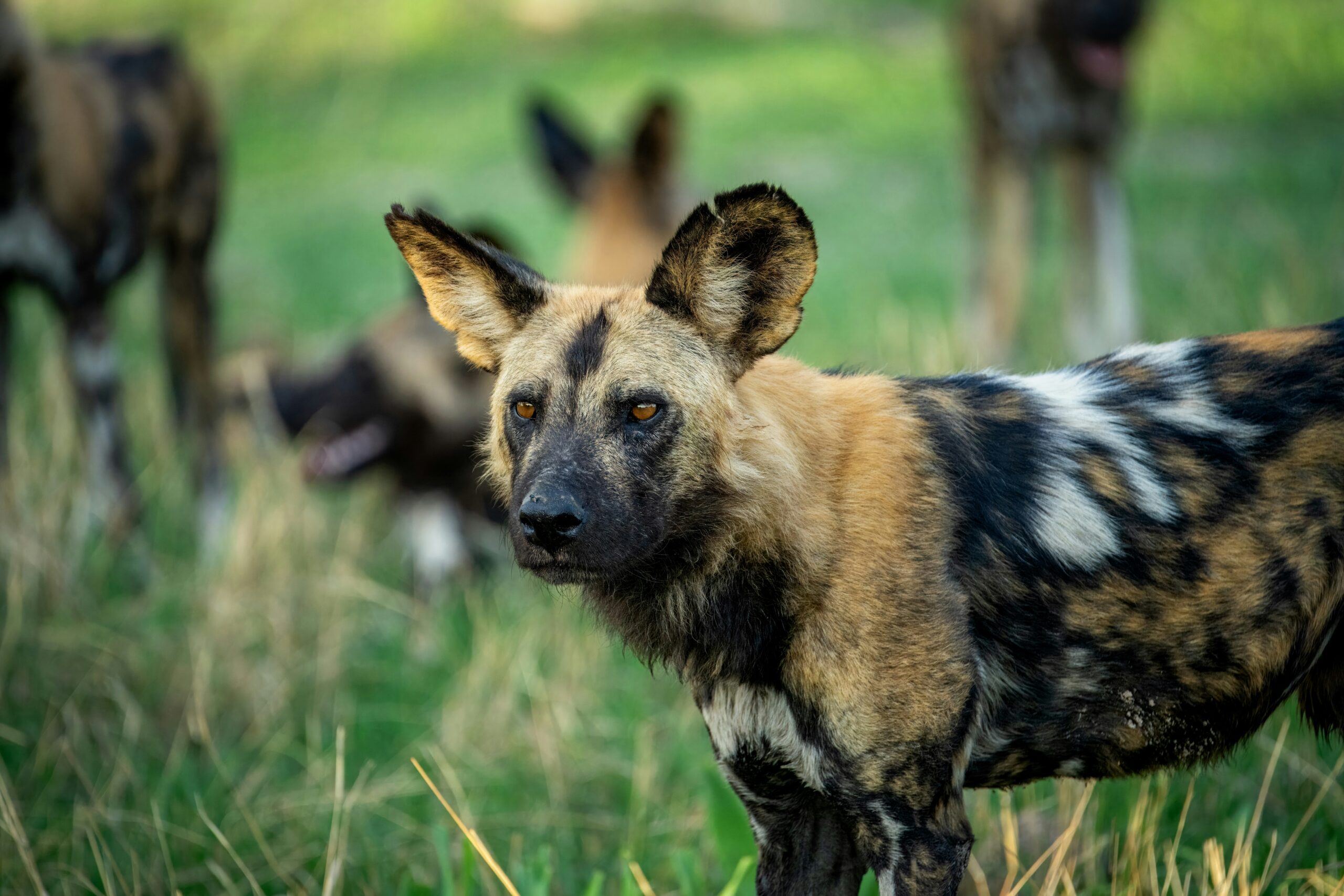
The question of African Wild Dog Uganda is one that continues to intrigue wildlife enthusiasts, researchers, and safari travelers. African wild dogs, also known as painted wolves or African painted dogs, are among the most endangered large carnivores in Africa. Their highly social behavior, intelligence, and cooperative hunting strategies make them one of the most fascinating predators on the continent.
In Uganda, however, their presence is extremely rare and uncertain. Unlike lions, leopards, or hyenas, wild dog populations have declined significantly due to habitat fragmentation, human-wildlife conflict, and disease transmission from domestic animals. Today, confirmed sightings in Uganda are sporadic and largely historical rather than consistent.
Despite this, interest in wild dogs in Uganda remains strong, especially among safari travelers visiting parks like Murchison Falls National Park, where suitable habitat conditions still exist for potential movement or transient individuals.
Historical Range of African Wild Dogs in Uganda
Historically, African wild dogs were once more widely distributed across Uganda’s savannah ecosystems. They were known to inhabit areas such as Kidepo Valley, Murchison Falls, Queen Elizabeth National Park, and parts of northern Uganda where open grasslands and low human density provided suitable hunting grounds.
These ecosystems supported the wild dogs’ unique hunting style, which relies on endurance, teamwork, and large territories. Packs would roam vast distances in search of prey such as antelopes, young buffaloes, and other medium-sized herbivores.
Over time, however, their range in Uganda began to shrink. Increasing human settlement, agricultural expansion, and competition with larger predators contributed to their disappearance from many of their former habitats. Today, the African Wild Dog Uganda population is considered functionally extinct or extremely rare in most regions.
Why African Wild Dogs Disappeared from Much of Uganda
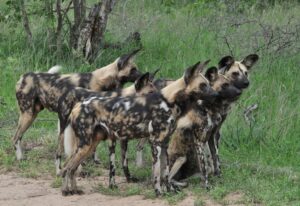 The decline of African wild dogs in Uganda is not caused by a single factor but rather a combination of ecological and human pressures.
One of the primary challenges is habitat fragmentation. Wild dogs require vast, uninterrupted territories to hunt effectively. As human populations expanded, these continuous landscapes were broken into smaller, isolated patches, making it difficult for packs to survive.
Disease has also played a significant role. Wild dogs are highly susceptible to diseases such as rabies and canine distemper, often transmitted from domestic dogs living near human settlements.
Additionally, competition with larger predators like lions and hyenas has affected their survival. Lions, in particular, are known to kill wild dogs when encounters occur, while hyenas often steal their kills, reducing hunting success rates.
These combined pressures have contributed to the dramatic reduction of African Wild Dog Uganda sightings over the past several decades.
Are African Wild Dogs Still Present in Uganda Today?
The short answer is that African wild dogs are not considered a stable or confirmed resident species in Uganda today. However, occasional unverified sightings and historical records suggest that small transient groups may occasionally move through border regions, particularly in remote northern ecosystems.
Kidepo Valley National Park, due to its proximity to Kenya and South Sudan, is the most likely area where wild dogs could occasionally appear. Its vast, low-density wilderness offers the type of environment wild dogs prefer.
Despite this possibility, no permanent, well-documented populations currently exist within Uganda’s national parks. This makes any encounter with African Wild Dog Uganda extremely rare and unpredictable.
For safari travelers, this rarity adds an element of mystery, but expectations should be managed realistically.
African Wild Dog Behavior and Why They Are Unique
African wild dogs are among the most socially advanced predators in the animal kingdom. They live in tightly knit packs that can range from a few individuals to more than 20 members. Each pack operates with remarkable coordination, communication, and cooperative hunting strategies.
Unlike solitary predators, wild dogs rely on teamwork to bring down prey. They are known for their endurance hunting style, which involves chasing prey over long distances until it becomes exhausted.
Their success rate in hunting is among the highest of any large carnivore in Africa, often exceeding 70 percent. This efficiency makes them highly effective predators, but also dependent on large, undisturbed territories.
Their social structure is also highly organized, with dominant breeding pairs and strong cooperative care for pups. These behavioral traits make African Wild Dog Uganda a subject of significant conservation interest.
Where African Wild Dogs Are Still Found in Africa
While Uganda is no longer a stronghold for wild dogs, other African countries still support stable populations. The largest remaining populations are found in Botswana, Tanzania, Zimbabwe, Zambia, and parts of South Africa.
These regions offer vast protected landscapes such as the Okavango Delta, Serengeti ecosystem, and Hwange National Park, where wild dogs continue to thrive.
East Africa, particularly Tanzania’s Serengeti ecosystem, remains one of the best places to observe wild dogs in their natural environment. Packs here are more stable and frequently studied by conservation researchers.
This contrast highlights Uganda’s current conservation gap when it comes to wild dogs in Uganda, while also emphasizing the importance of regional ecosystem connectivity.
Could African Wild Dogs Return to Uganda?
The possibility of African wild dogs returning to Uganda is not entirely out of question. Conservationists believe that if habitat conditions improve and cross-border wildlife corridors are protected, wild dogs could naturally recolonize parts of Uganda.
Kidepo Valley National Park is often considered the most promising area for potential re-establishment due to its open savannah environment and proximity to wildlife-rich regions in Kenya and South Sudan.
However, successful reintroduction or natural return would require strong conservation planning, disease management, and cross-border cooperation.
For now, the presence of African Wild Dog Uganda remains a conservation hope rather than a confirmed reality.
Safari Experience: What Visitors Should Expect in Uganda
Although African wild dogs are rarely seen, Uganda still offers some of the richest predator experiences in Africa. Murchison Falls National Park, in particular, is home to lions, leopards, hyenas, crocodiles, and a wide range of herbivores.
Visitors on safari are far more likely to encounter lions hunting, leopards resting in trees, or hyenas scavenging along the savannah than wild dogs.
The absence of wild dogs does not diminish the safari experience; instead, it highlights the diversity of Uganda’s remaining predator ecosystem.
For travelers interested in predator behavior, Murchison Falls wildlife offers some of the most reliable and rewarding sightings in East Africa.
Conservation Efforts for African Wild Dogs in Africa
Across Africa, conservation organizations are working to protect remaining wild dog populations through habitat preservation, disease control, and anti-poaching initiatives.
Vaccination programs targeting domestic dogs near protected areas help reduce the spread of diseases like rabies. Wildlife corridors are also being established to connect fragmented habitats and allow safe movement between populations.
Education and community engagement are equally important, as reducing human-wildlife conflict is essential for long-term survival.
Although Uganda currently has no stable wild dog population, regional conservation efforts remain critical for the broader survival of the species across Africa.
Why African Wild Dogs Matter in Ecosystems
African wild dogs play a crucial role in maintaining ecological balance. As efficient predators, they help regulate herbivore populations, ensuring that ecosystems remain healthy and balanced.
Their hunting behavior also supports scavenger species, as leftover kills provide food for vultures and hyenas.
The loss or absence of wild dogs in a region can lead to subtle but important ecological shifts. This is why discussions around African Wild Dog Uganda are not only about wildlife sightings but also about ecosystem health.
Combining Uganda Safari Experiences
Even without wild dogs, Uganda remains one of Africa’s top safari destinations. Travelers can combine Murchison Falls National Park with other wildlife regions such as Queen Elizabeth National Park, Kidepo Valley, and Bwindi Impenetrable Forest for a complete safari circuit.
Each destination offers unique wildlife encounters, from tree-climbing lions to mountain gorillas and large elephant herds.
For those planning a comprehensive safari, integrating Uganda safari predators experiences ensures a well-rounded wildlife journey.
Final Thoughts on African Wild Dog Uganda
The story of African Wild Dog Uganda is one of disappearance, ecological change, and conservation uncertainty. While these remarkable predators are no longer a stable part of Uganda’s wildlife landscape, their historical presence and potential future return remain important topics in African conservation.
For now, Uganda’s safari experience is defined by other iconic species, but the ecological conditions in places like Kidepo Valley keep the hope alive that wild dogs may one day roam Uganda’s savannahs again.